







Question: 1 The sample space of a random experiment is {a, b, c, d, e, f}, and each outcome is equally likely. A random variable is
1
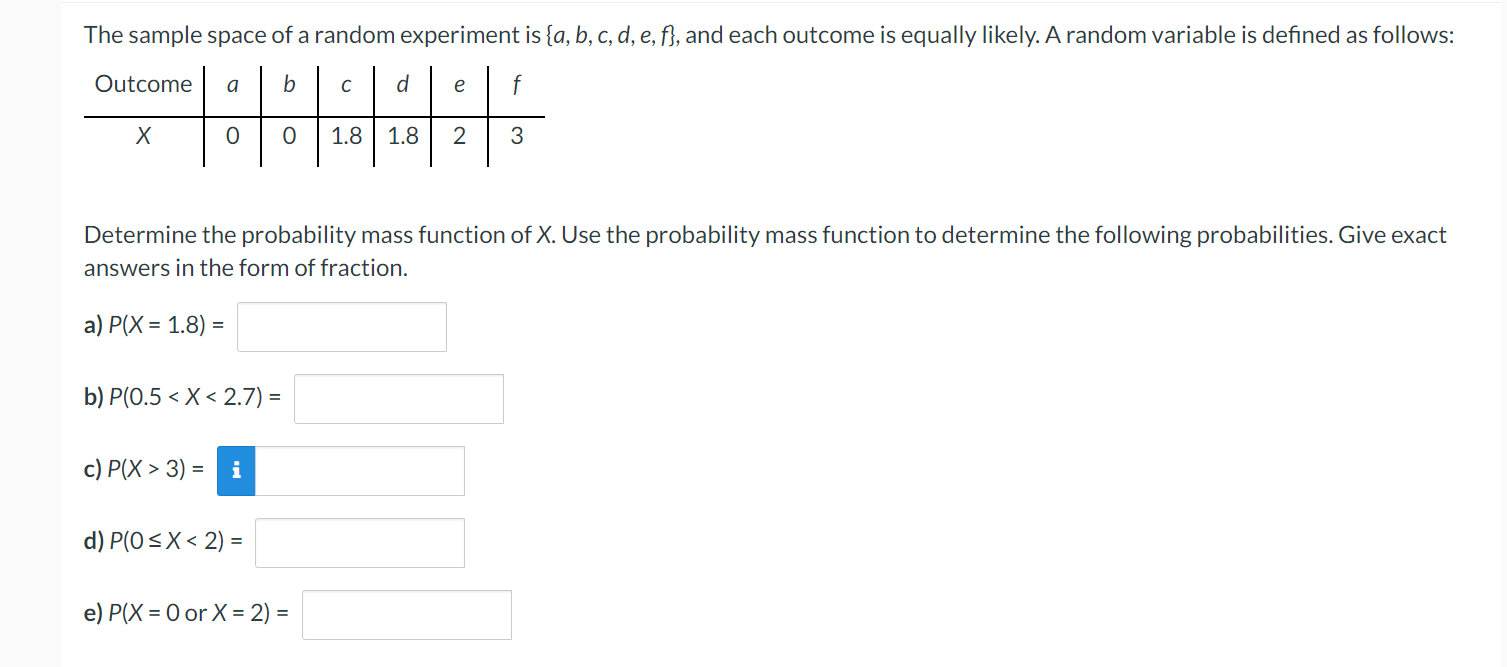
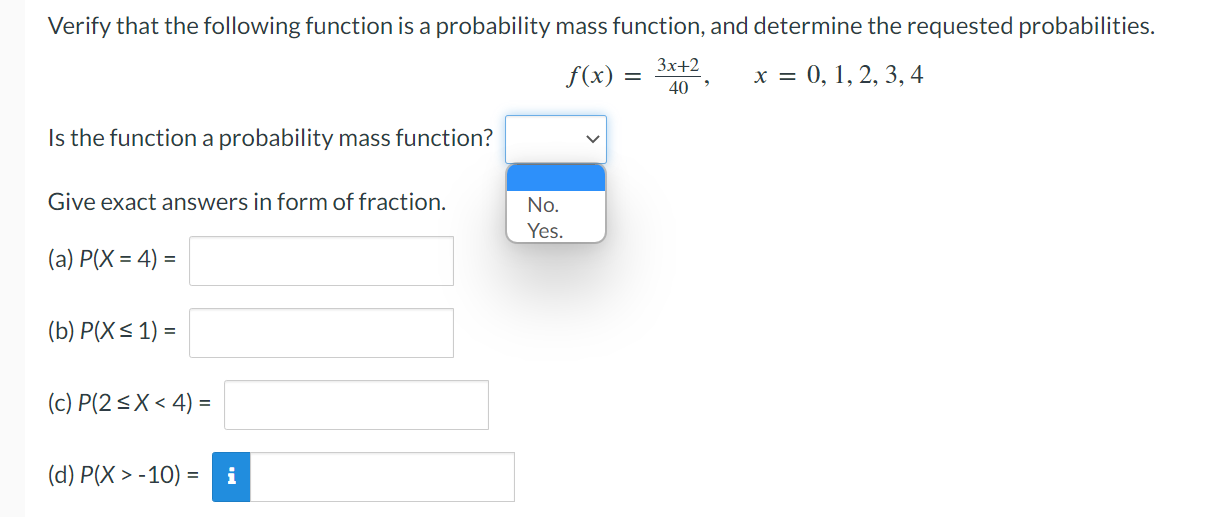
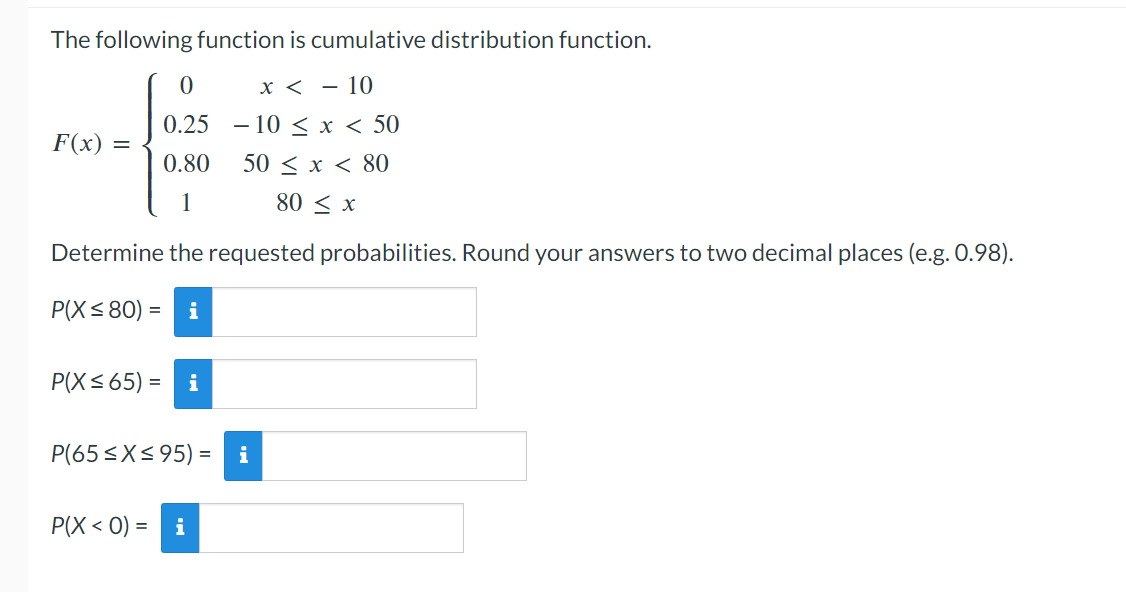
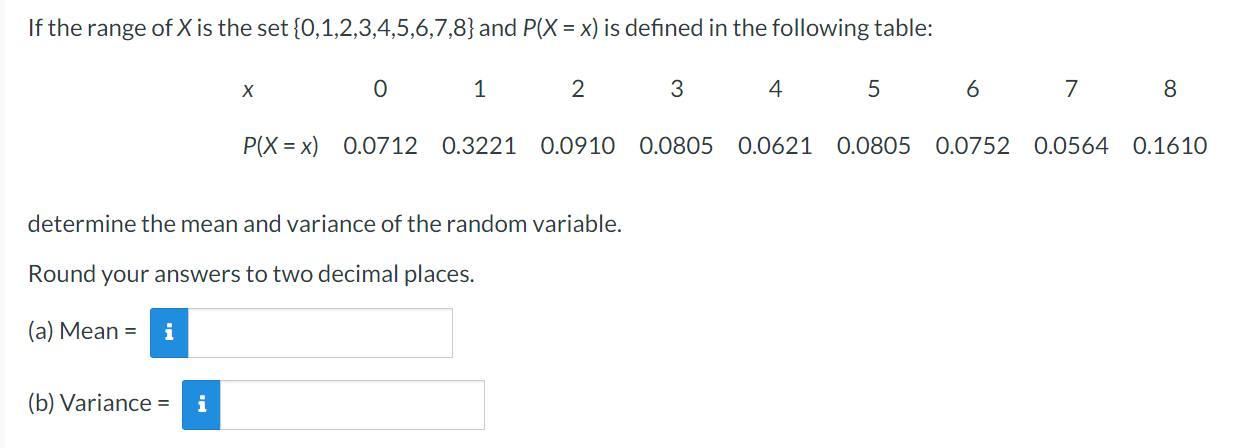
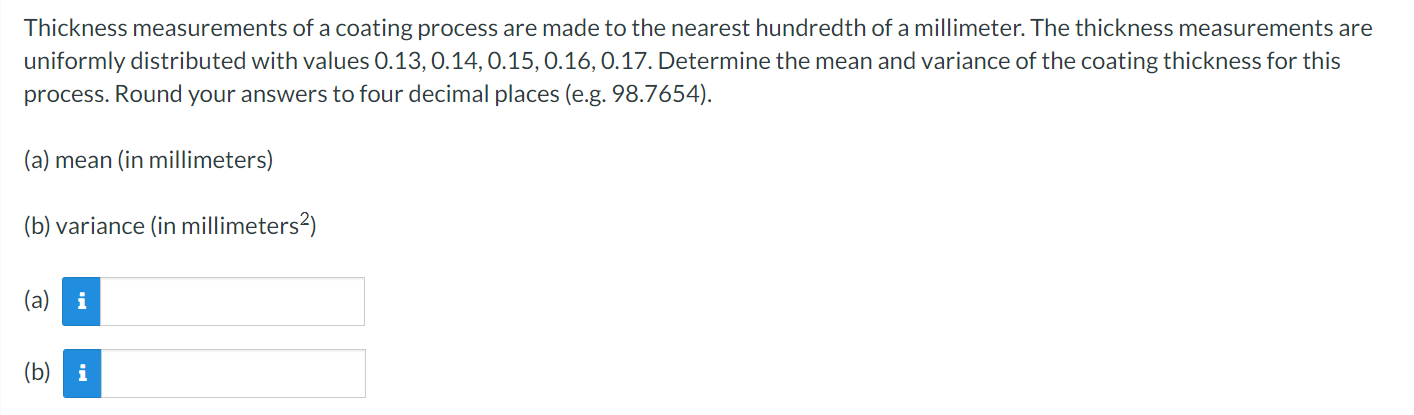
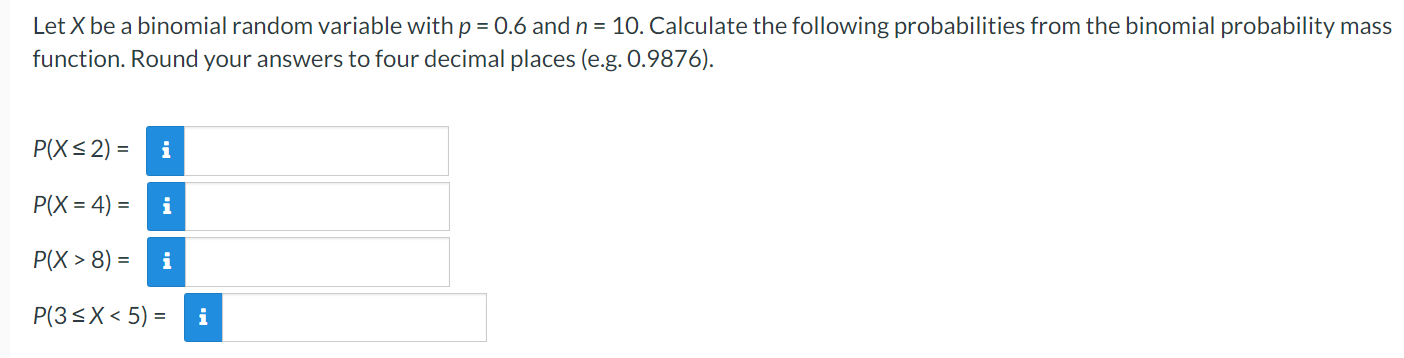
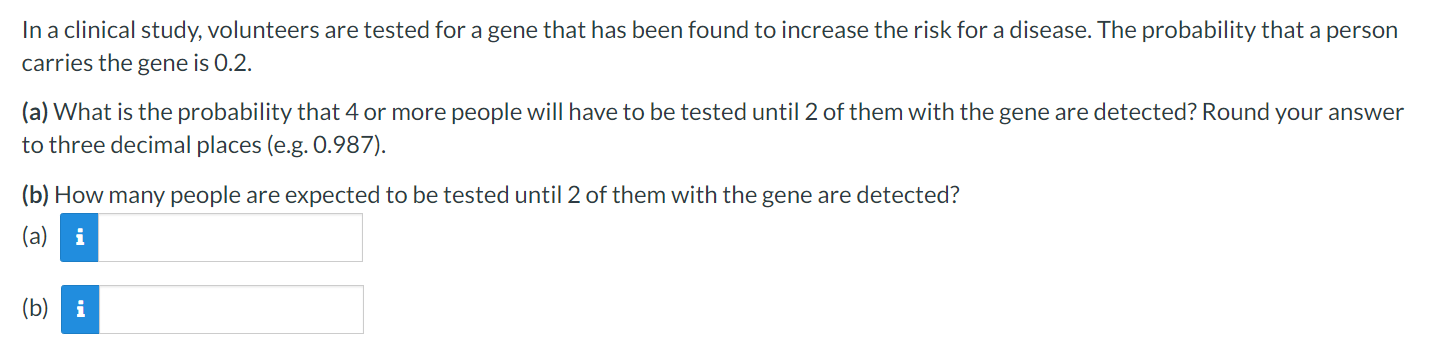
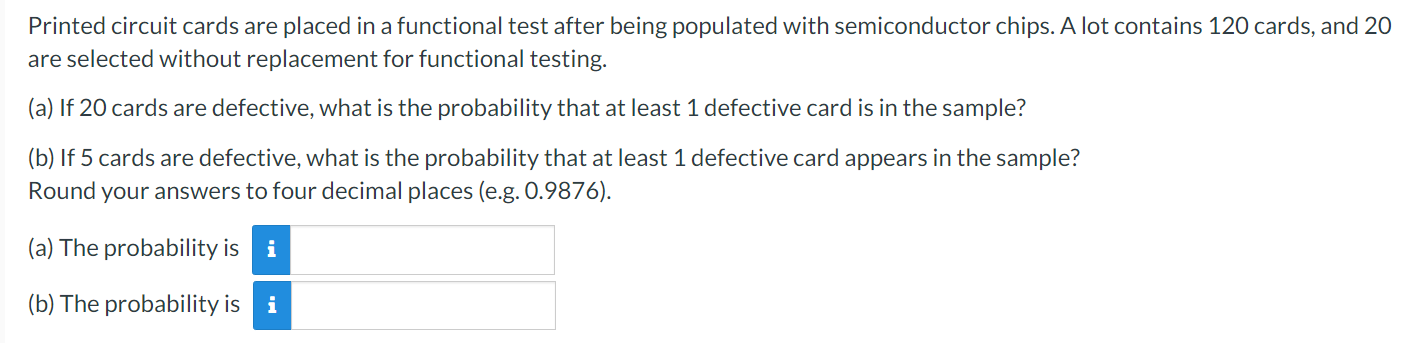
The sample space of a random experiment is {a, b, c, d, e, f}, and each outcome is equally likely. A random variable is defined as follows: X Determine the probability mass function of X. Use the probability mass function to determine the following probabilities. Give exact answers in the form of fraction. a) P(X = 1.8) = b) P(0.5 3) = i d) P(0 s X -10} = n The following function is cumulative distribution function. O x 8) = i P(3 SX
Step by Step Solution
There are 3 Steps involved in it
1 Expert Approved Answer
Step: 1 Unlock

Question Has Been Solved by an Expert!
Get step-by-step solutions from verified subject matter experts
Step: 2 Unlock
Step: 3 Unlock
 Study Help