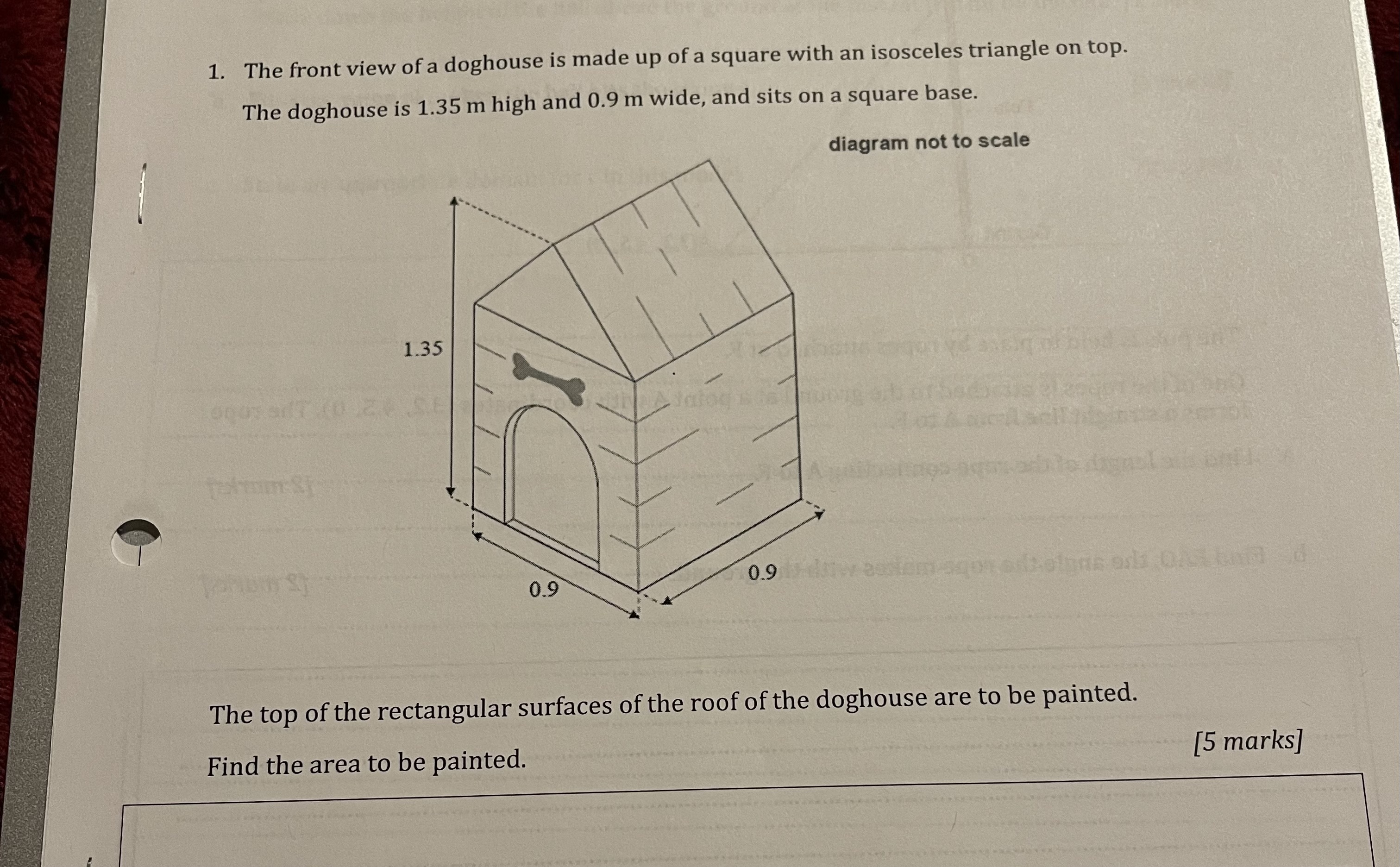
Question: answer the questions and show work 1. The front view of a doghouse is made up of a square with an isosceles triangle on top.
answer the questions and show work
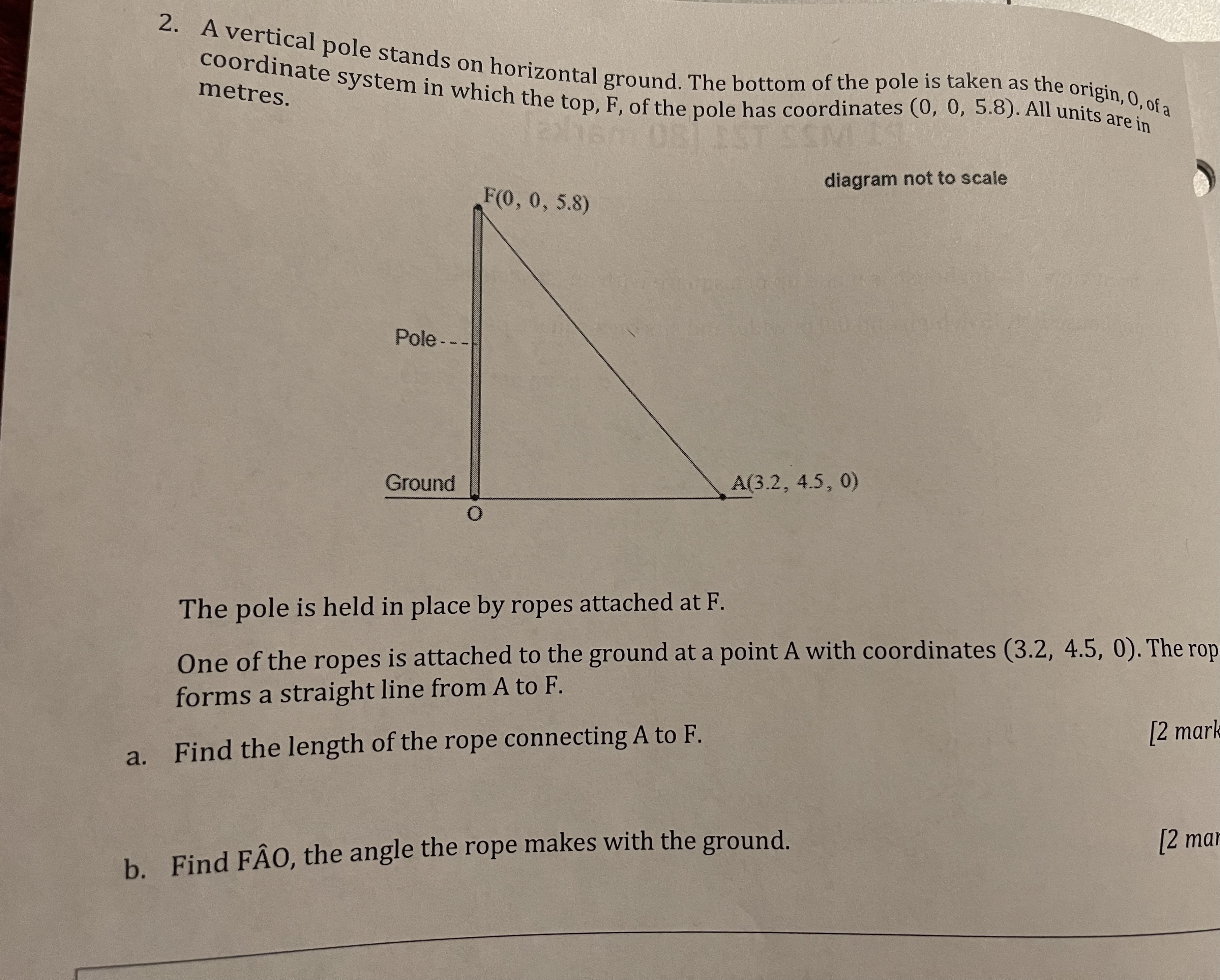
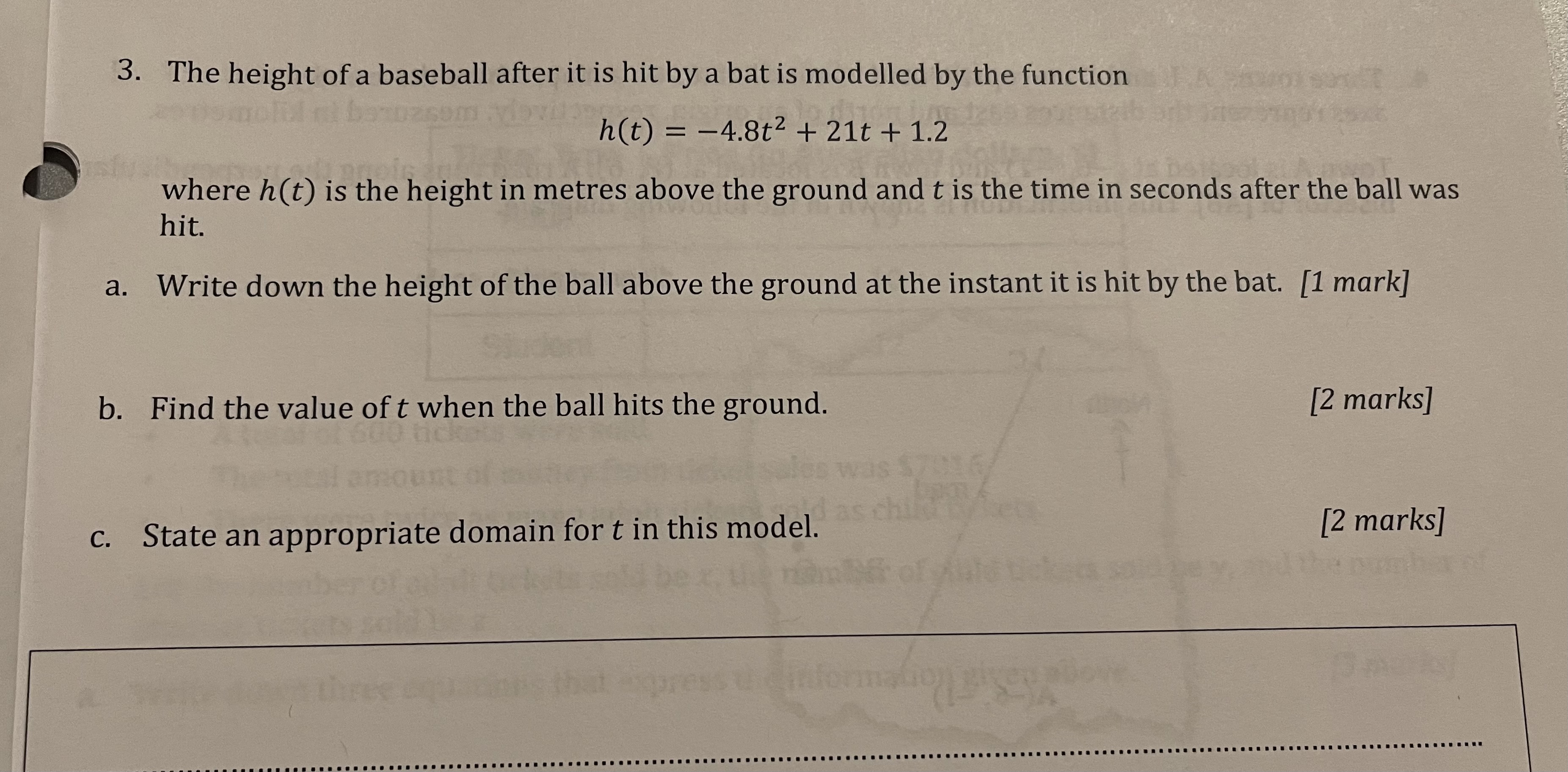
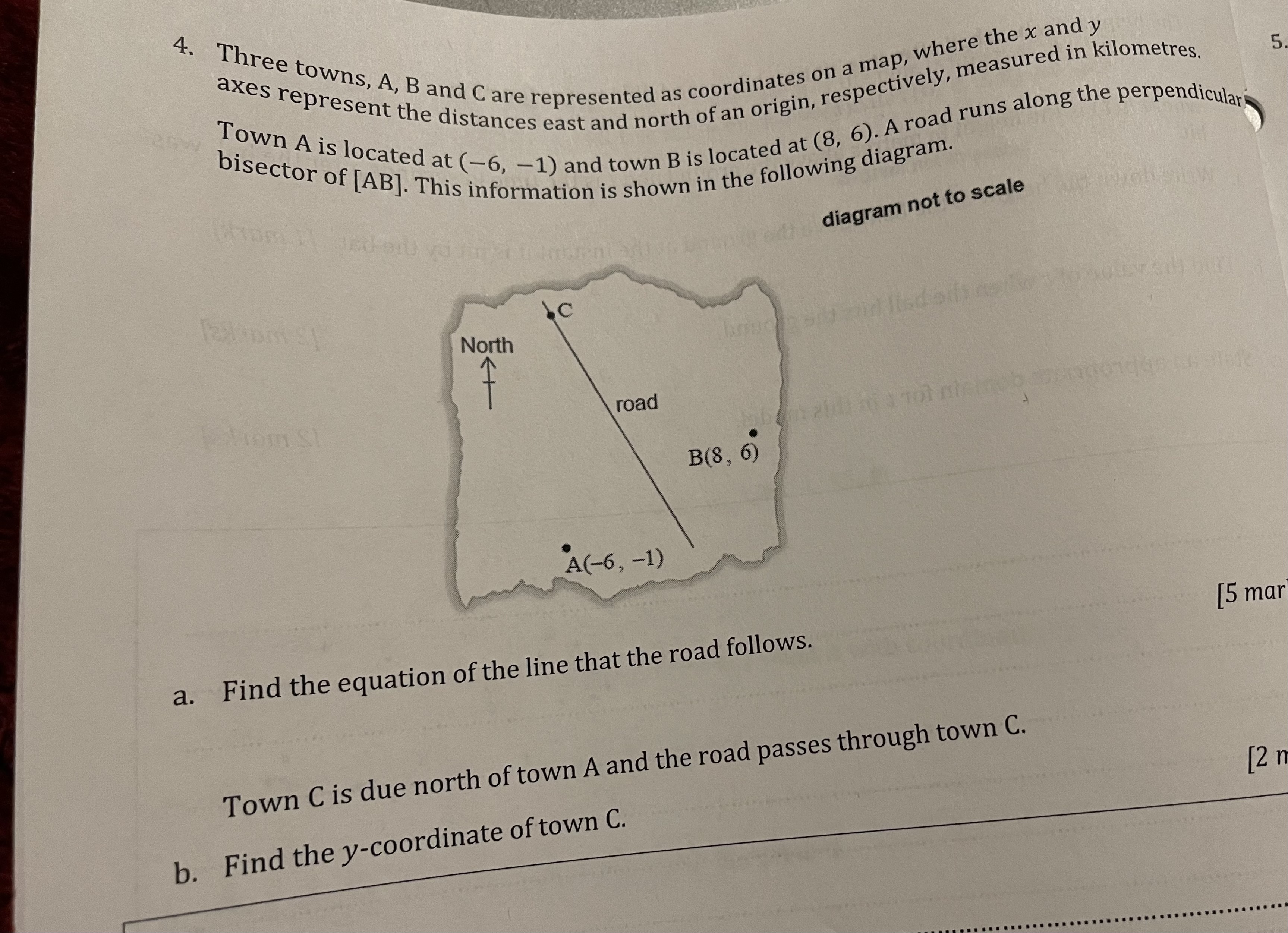
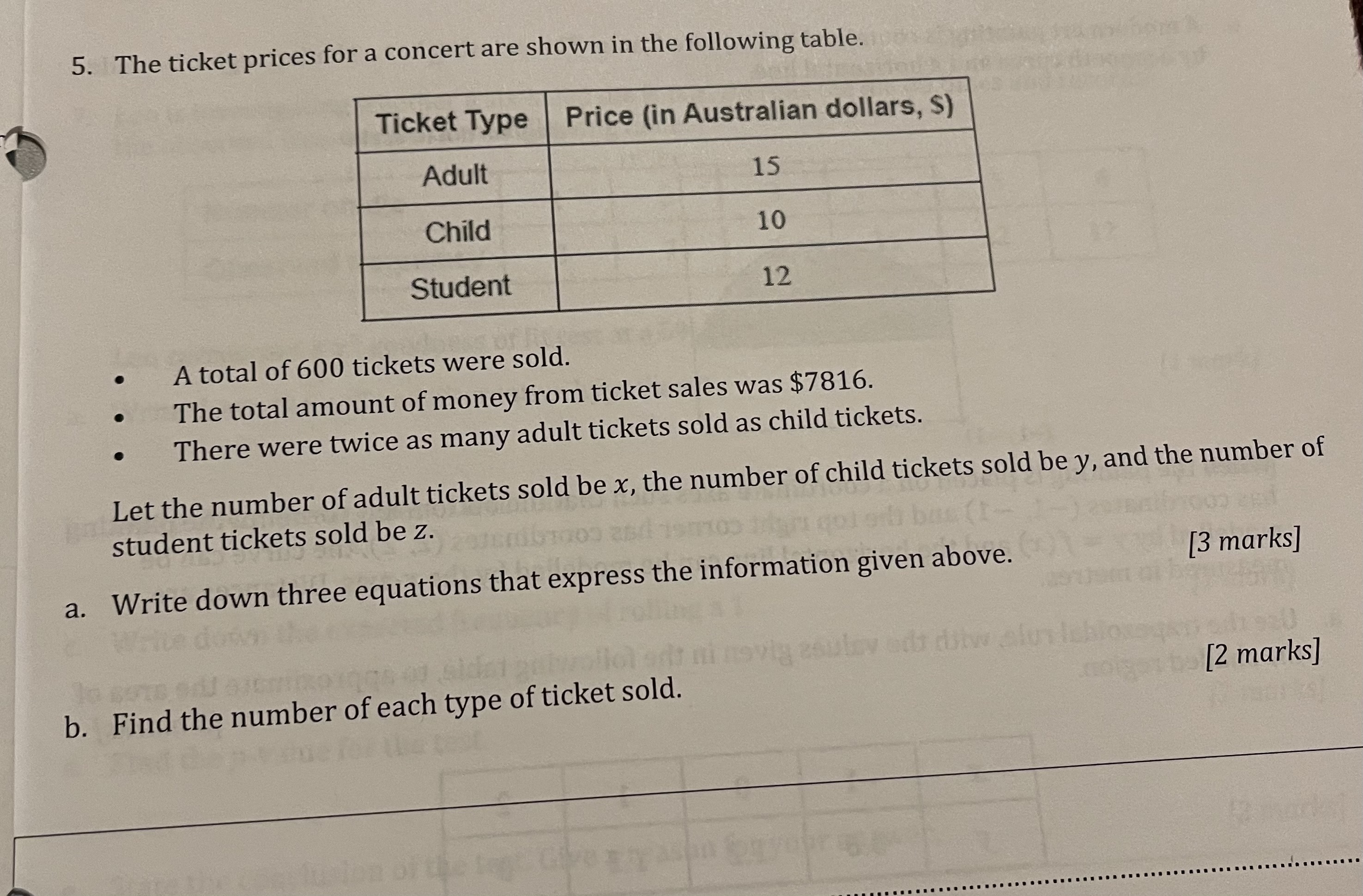
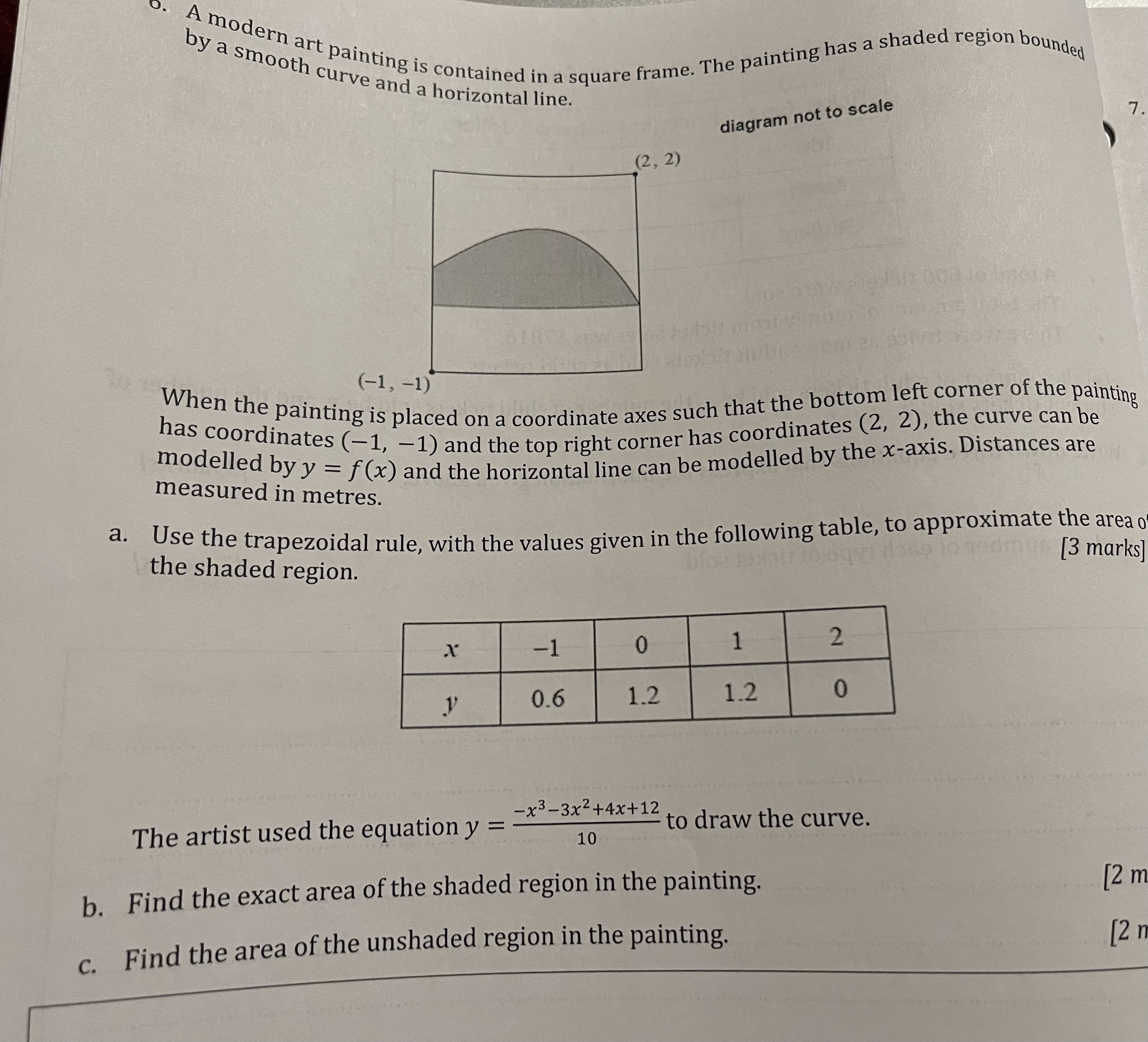
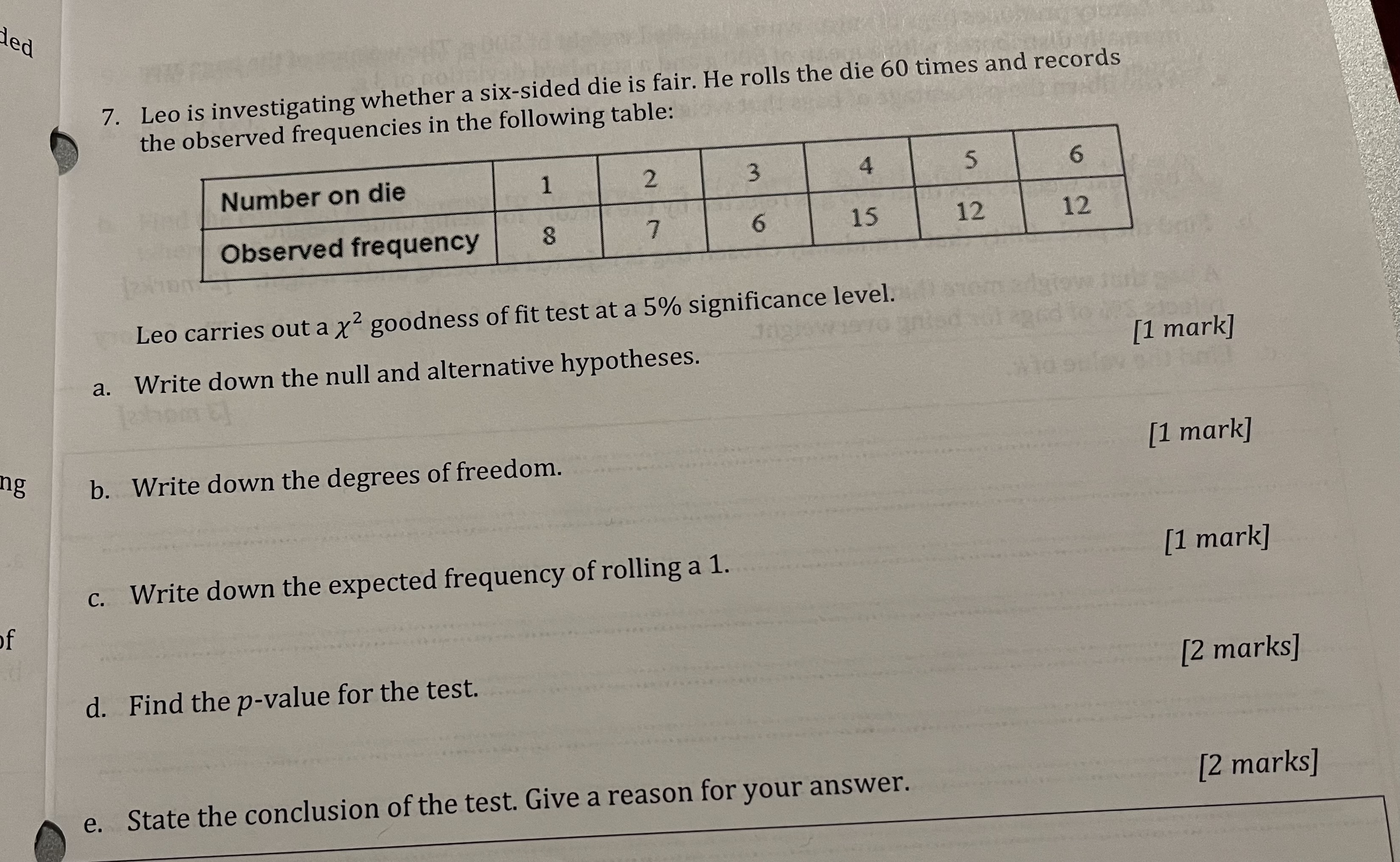
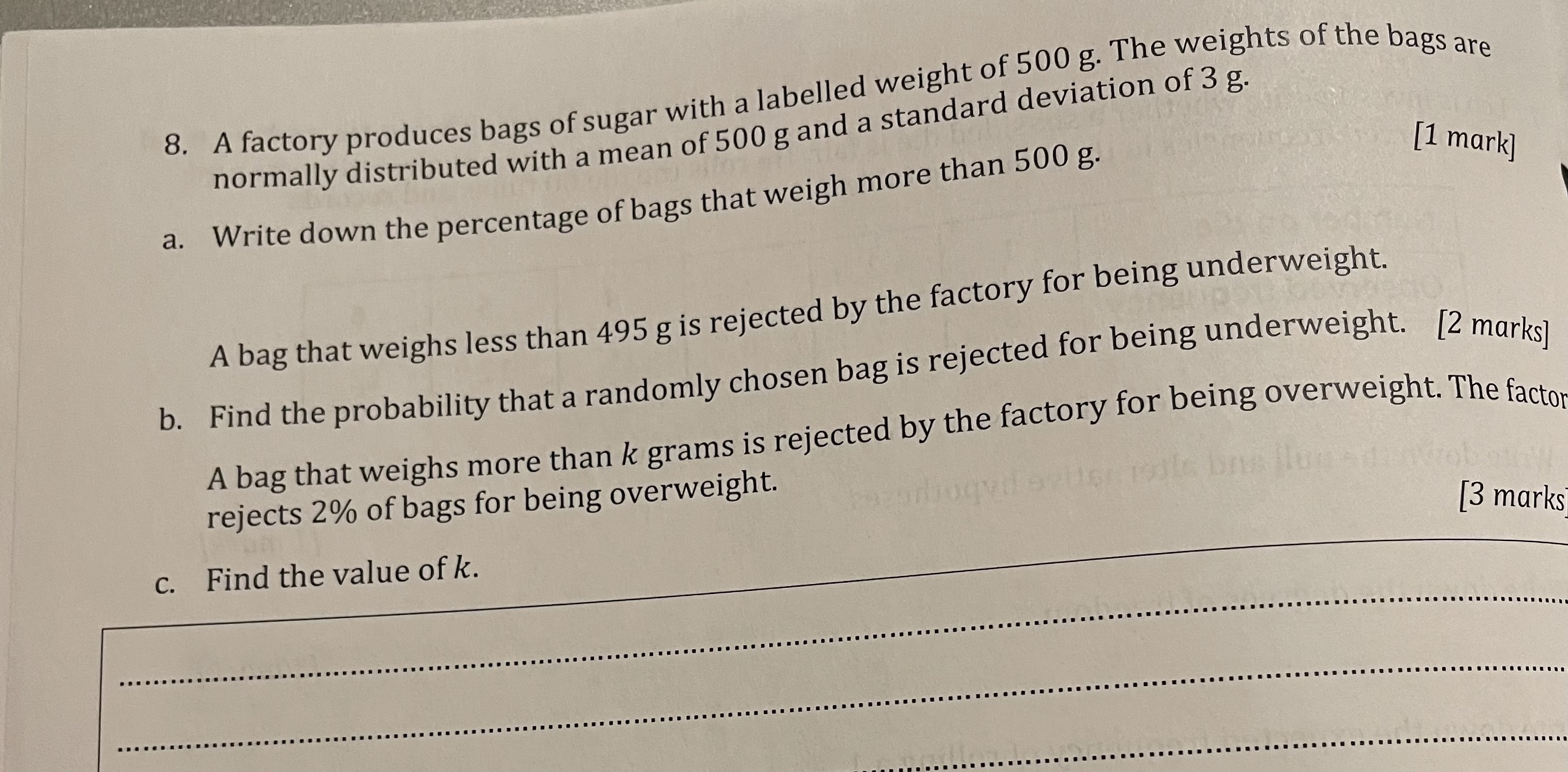
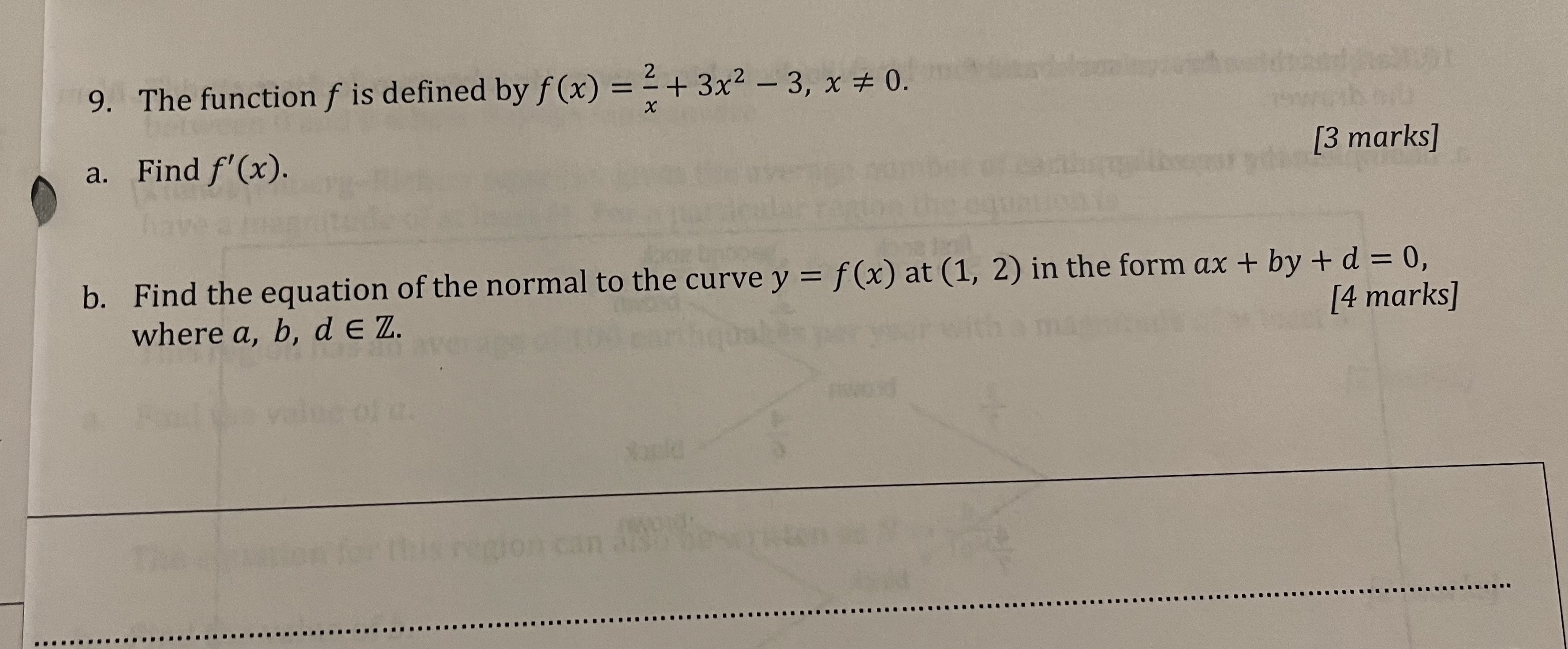
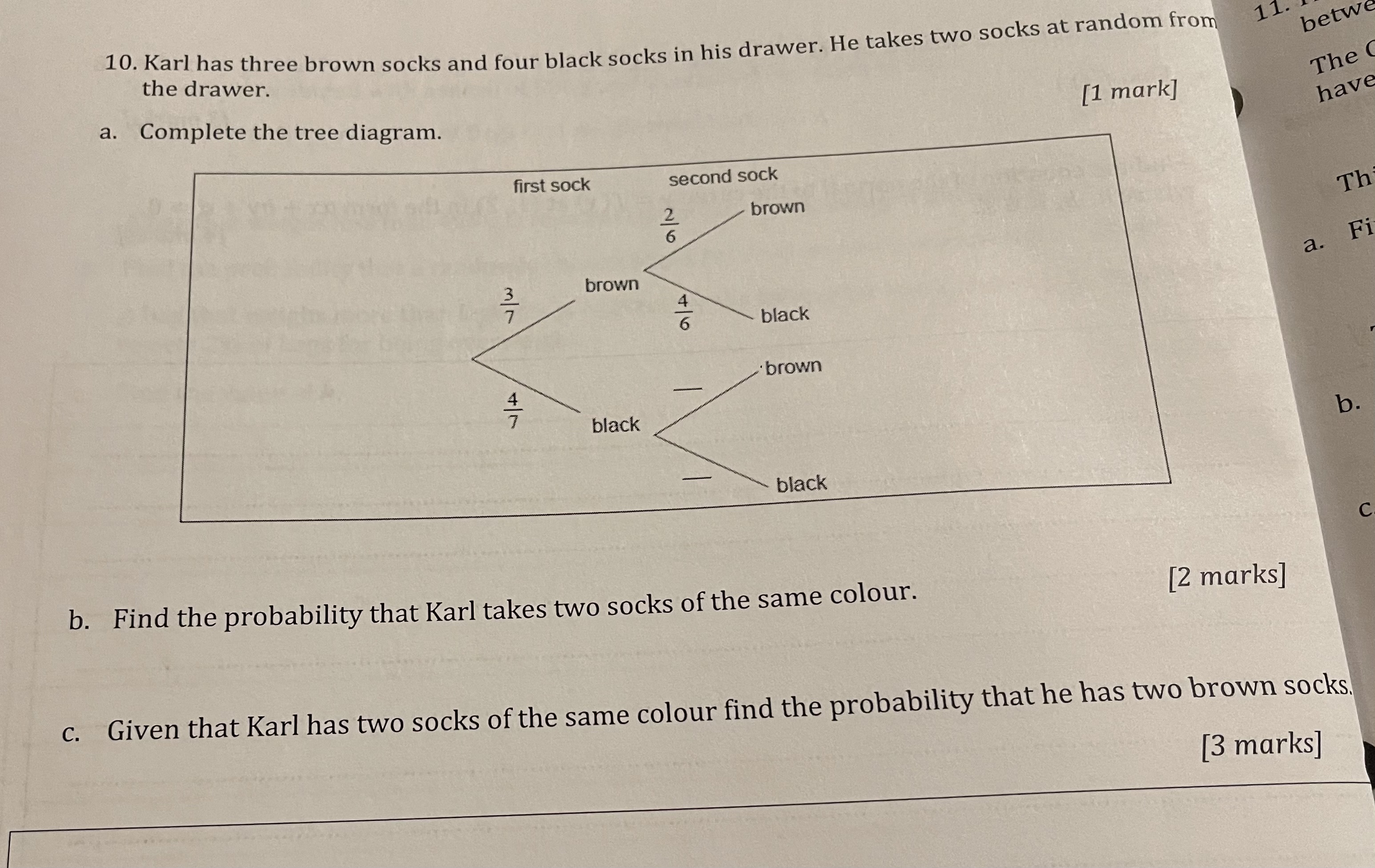
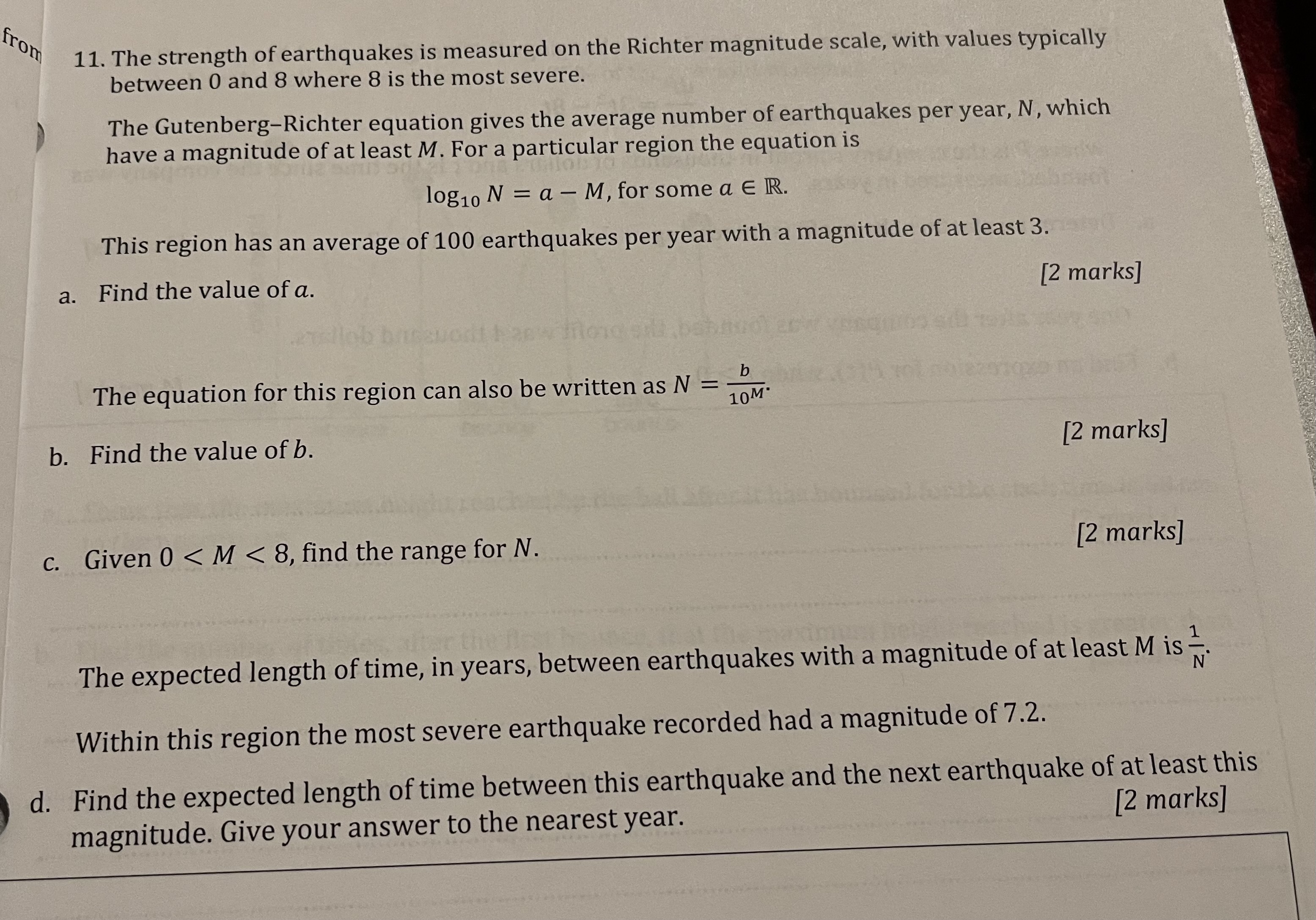
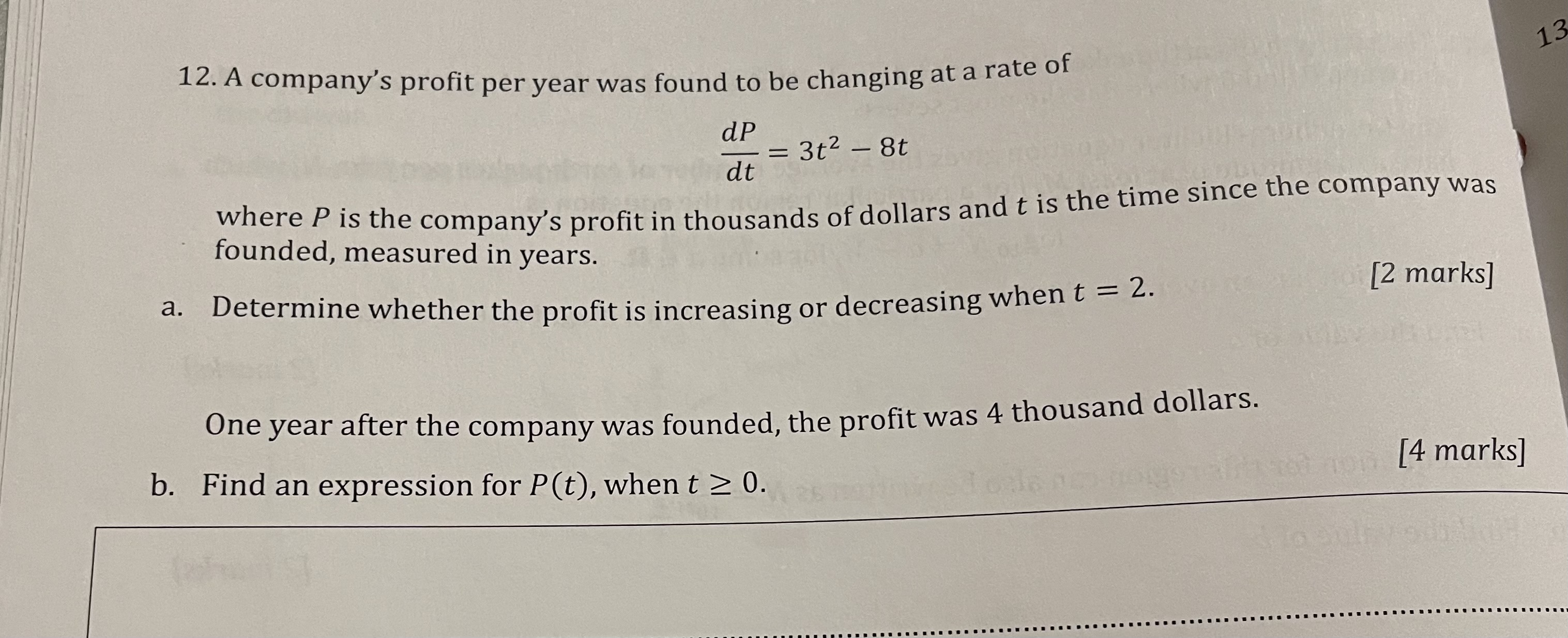
1. The front view of a doghouse is made up of a square with an isosceles triangle on top. The doghouse is 1.35 m high and 0.9 m wide, and sits on a square base. diagram not to scale 1.35 0.9 0.9 The top of the rectangular surfaces of the roof of the doghouse are to be painted. Find the area to be painted. [5 marks]metres. 2. A vertical pole stands on horizontal ground. The bottom of the pole is taken as the origin, off coordinate system in which the top, F, of the pole has coordinates (0, 0, 5.8). All units are ; F(0, 0, 5.8) diagram not to scale Pole - - Ground A(3.2, 4.5, 0) The pole is held in place by ropes attached at F. One of the ropes is attached to the ground at a point A with coordinates (3.2, 4.5, 0). The rop forms a straight line from A to F. a. Find the length of the rope connecting A to F. [2 mark b. Find FAO, the angle the rope makes with the ground. [2 mai3. The height of a baseball after it is hit by a bat is modelled by the function h(t) = -4.8t2 + 21t +1.2 where h(t) is the height in metres above the ground and t is the time in seconds after the ball was hit. a. Write down the height of the ball above the ground at the instant it is hit by the bat. [1 mark] b. Find the value of t when the ball hits the ground. [2 marks] los was $70 as child c. State an appropriate domain for t in this model. [2 marks]4. Three towns, A, B and C are represented as coordinates on a map, where the x and y axes represent the distances east a es east and north of an origin, respectively, measured in kilometres 5. Town A is located at (-6. -1) and town B is located at (8, 6). A road runs along the perpendicu bisector of [AB]. This information is shown in the following diagram. diagram not to scale North road B(8, 6) A ( - 6 , -1 ) a. Find the equation of the line that the road follows. [5 mar Town C is due north of town A and the road passes through town C. b. Find the y-coordinate of town C. [2 n5. The ticket prices for a concert are shown in the following table. Ticket Type Price (in Australian dollars, $) Adult 15 Child 10 Student 12 . A total of 600 tickets were sold. The total amount of money from ticket sales was $7816. There were twice as many adult tickets sold as child tickets. Let the number of adult tickets sold be x, the number of child tickets sold be y, and the number of student tickets sold be z. a. Write down three equations that express the information given above. [3 marks] b. Find the number of each type of ticket sold. [2 marks]A modern art painting is contained in a square frame. The painting has a shaded region boy by a smooth curve and a horizontal line. diagram not to scale (2, 2) (-1, -1) When the painting is placed on a coordinate axes such that the bottom left corner of the has coordinates (-1, -1) and the top right corner has coordinates (2, 2), the curve can be of the painting modelled by y = f(x) and the horizontal line can be modelled by the x-axis. Distances are measured in metres. a. Use the trapezoidal rule, with the values given in the following table, to approximate the area the shaded region. [3 marks -1 0 1 2 0.6 1.2 1.2 0 The artist used the equation y = -x5-3x2+4x+12 10 - to draw the curve. b. Find the exact area of the shaded region in the painting. [2 m c. Find the area of the unshaded region in the painting.led 7. Leo is investigating whether a six-sided die is fair. He rolls the die 60 times and records the observed frequencies in the following table: Number on die 2 3 4 5 6 Observed frequency 8 7 6 15 12 12 Leo carries out a x2 goodness of fit test at a 5% significance level. a. Write down the null and alternative hypotheses. [1 mark] ng b. Write down the degrees of freedom. [1 mark] c. Write down the expected frequency of rolling a 1. [1 mark] of d. Find the p-value for the test. [2 marks] e. State the conclusion of the test. Give a reason for your answer. [2 marks]8. A factory produces bags of sugar with a labelled weight of 500 g. The weights of the bags an normally distributed with a mean of 500 g and a standard deviation of 3 g. a. Write down the percentage of bags that weigh more than 500 g. [1 mark] A bag that weighs less than 495 g is rejected by the factory for being underweight. b. Find the probability that a randomly chosen bag is rejected for being underweight. [2 marka A bag that weighs more than k grams is rejected by the factory for being overweight. The factor rejects 2% of bags for being overweight. c. Find the value of k. [3 marks9. The function f is defined by f (x) = = + 3x2 - 3, x # 0. a. Find f'(x). [3 marks] b. Find the equation of the normal to the curve y = f(x) at (1, 2) in the form ax + by + d = 0, where a, b, d E Z. [4 marks]10. Karl has three brown socks and four black socks in his drawer. He takes two socks at random from 11. betwe the drawer. The ( a. Complete the tree diagram. [1 mark] have first sock second sock brown Th aN a. brown V / w black . brown W / A black b. black b. Find the probability that Karl takes two socks of the same colour. [2 marks] c. Given that Karl has two socks of the same colour find the probability that he has two brown socks. [3 marks]from 11. The strength of earthquakes is measured on the Richter magnitude scale, with values typically between 0 and 8 where 8 is the most severe. The Gutenberg-Richter equation gives the average number of earthquakes per year, N, which have a magnitude of at least M. For a particular region the equation is log10 N = a - M, for some a E R. This region has an average of 100 earthquakes per year with a magnitude of at least 3. a. Find the value of a. [2 marks] The equation for this region can also be written as N = 10M. b. Find the value of b. [2 marks] c. Given 0
Step by Step Solution
There are 3 Steps involved in it
1 Expert Approved Answer
Step: 1 Unlock
Question Has Been Solved by an Expert!
Get step-by-step solutions from verified subject matter experts
Step: 2 Unlock
Step: 3 Unlock
Students Have Also Explored These Related Mathematics Questions!









 Study Help