Question: answer with 400 - 450 words CLEARER answer with 400 - 450 words KEY WORDS may help from my own subject 2:04 QUESTION 2 2.

answer with 400 - 450 words answer with 400 - 450 words CLEARER answer with
answer with 400 - 450 words CLEARER answer with
CLEARER
answer with 400 - 450 words answer with 400 - 450 words CLEARER answer with
KEY WORDS may help from my own subject
answer with 400 - 450 words CLEARER answer with
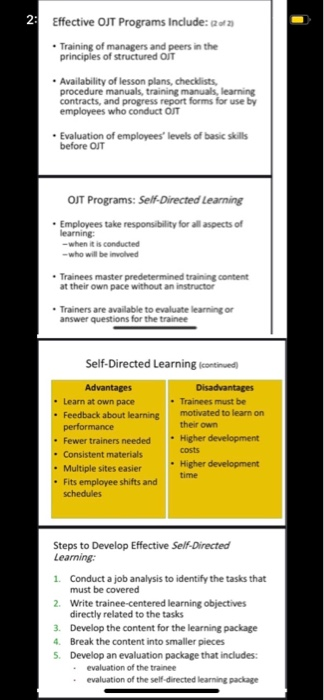
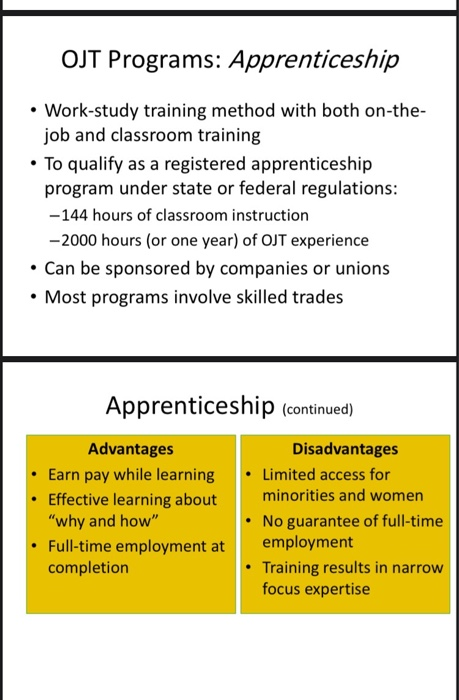
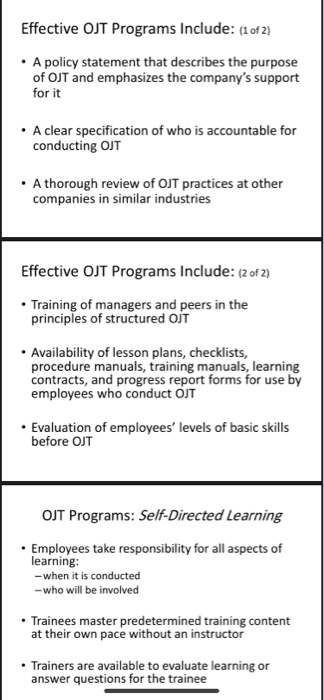
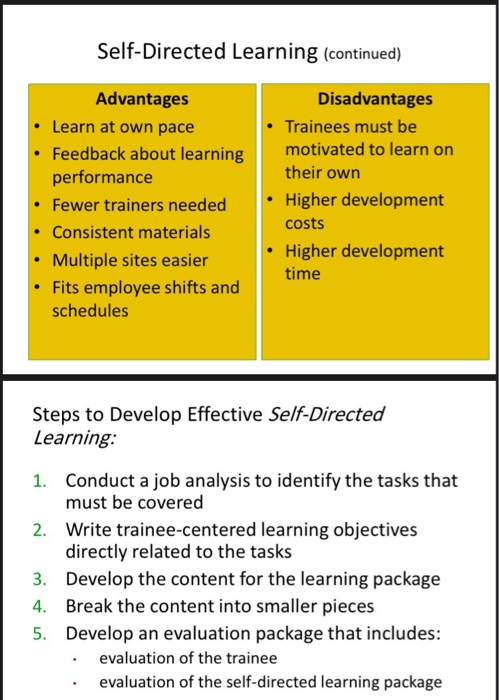
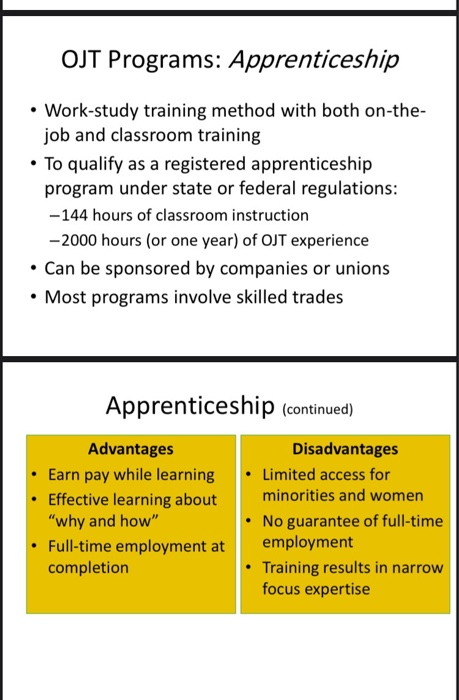
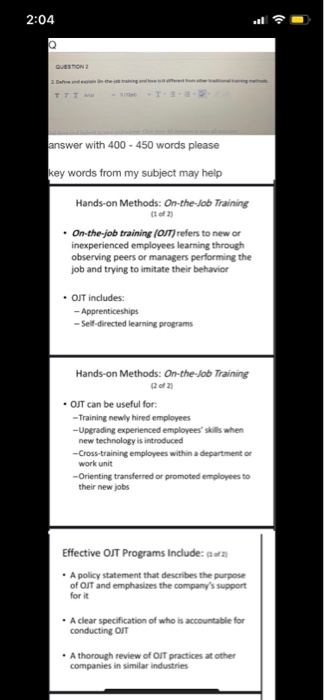
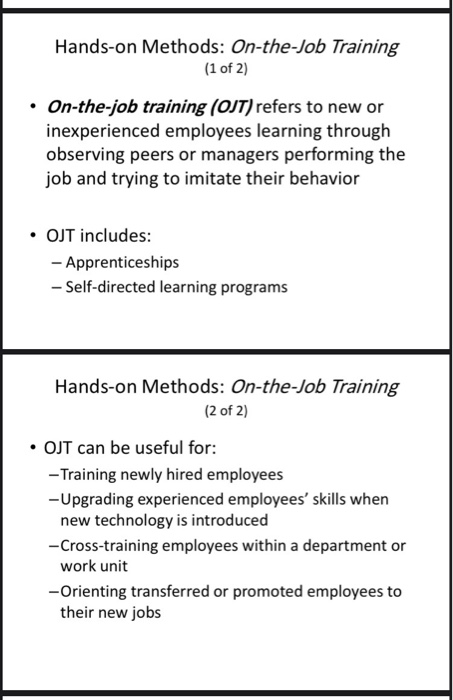
2:04 QUESTION 2 2. Det TTT answer with 400 - 450 words please Key words from my subject may help Hands-on Methods: On-the-job Training (1 of 2) On-the-job training (OST) refers to new or inexperienced employees learning through observing peers or managers performing the job and trying to imitate their behavior OT includes: - Apprenticeships -Self-directed learning programs Hands-on Methods: On-the-lob Training 2012) OJT can be useful for -Training newly hired employees - Upgrading experienced employees' skills when new technology is introduced -Cross-training employees within a department or work unit -Orienting transferred or promoted employees to their new jobs Effective OJT Programs include: 12/23 A policy statement that describes the purpose of OJT and emphasizes the company's support for it A clear specification of who is accountable for conducting OUT A thorough review of OIT practices at other companies in similar industries 2: Effective OJT Programs include: 2.2 Training of managers and peers in the principles of structured OT Availability of lesson plans, checklists, procedure manuals, training manuals, learning contracts, and progress report forms for use by employees who conduct OIT Evaluation of employees' levels of basic skills before OJT OJT Programs: Self-Directed Learning Employees take responsibility for all aspects of learning -when it is conducted - who will be involved Trainees master predetermined training content at their own pace without an instructor Trainers are available to evaluate learning or answer questions for the trainee Self-Directed Learning continued Advantages Disadvantages Learn at own pace Trainees must be Feedback about learning motivated to learn on performance their own . Fewer trainers needed Higher development costs - Consistent materials Multiple sites easier Higher development time Fits employee shifts and schedules Steps to Develop Effective Self-Directed Learning: 1. Conduct a job analysis to identify the tasks that must be covered 2. Write trainee-centered learning objectives directly related to the tasks 3. Develop the content for the learning package 4. Break the content into smaller pieces 5. Develop an evaluation package that includes: evaluation of the trainee evaluation of the self-directed learning package OJT Programs: Apprenticeship Work-study training method with both on-the- job and classroom training To qualify as a registered apprenticeship program under state or federal regulations: -144 hours of classroom instruction -2000 hours (or one year) of OJT experience Can be sponsored by companies or unions Most programs involve skilled trades Apprenticeship (continued) Advantages Disadvantages Earn pay while learning Limited access for Effective learning about minorities and women "why and how" No guarantee of full-time Full-time employment at employment completion Training results in narrow focus expertise QUESTION 2 2. Define and explain On-the-job training and how is it different from other traditional training methods. TT T Arial 3 (12pt) V T.S.E lick Save and Submit to save and submit. Click Save All Answers to save all answers. Hands-on Methods: On-the-Job Training (1 of 2) On-the-job training (OJT) refers to new or inexperienced employees learning through observing peers or managers performing the job and trying to imitate their behavior OJT includes: - Apprenticeships - Self-directed learning programs Hands-on Methods: On-the-Job Training (2 of 2) OJT can be useful for: - Training newly hired employees - Upgrading experienced employees' skills when new technology is introduced -Cross-training employees within a department or work unit -Orienting transferred or promoted employees to their new jobs Effective OJT Programs Include: (1 of 2) A policy statement that describes the purpose of OJT and emphasizes the company's support for it A clear specification of who is accountable for conducting OJT A thorough review of OJT practices at other companies in similar industries Effective OJT Programs Include: (2 of 2) Training of managers and peers in the principles of structured OJT Availability of lesson plans, checklists, procedure manuals, training manuals, learning contracts, and progress report forms for use by employees who conduct OJT Evaluation of employees' levels of basic skills before OJT OJT Programs: Self-Directed Learning . Employees take responsibility for all aspects of learning: - when it is conducted -who will be involved Trainees master predetermined training content at their own pace without an instructor Trainers are available to evaluate learning or answer questions for the trainee Self-Directed Learning (continued) Advantages Learn at own pace Feedback about learning performance Fewer trainers needed Consistent materials Multiple sites easier Fits employee shifts and schedules Disadvantages Trainees must be motivated to learn on their own Higher development costs Higher development time . Steps to Develop Effective Self-Directed Learning: Conduct a job analysis to identify the tasks that must be covered Write trainee-centered learning objectives directly related to the tasks 3. Develop the content for the learning package 4. Break the content into smaller pieces 5. Develop an evaluation package that includes: evaluation of the trainee evaluation of the self-directed learning package OJT Programs: Apprenticeship Work-study training method with both on-the- job and classroom training To qualify as a registered apprenticeship program under state or federal regulations: -144 hours of classroom instruction -2000 hours (or one year) of OJT experience Can be sponsored by companies or unions Most programs involve skilled trades Apprenticeship (continued) Advantages Disadvantages Earn pay while learning Limited access for Effective learning about minorities and women "why and how" No guarantee of full-time Full-time employment at employment completion Training results in narrow focus expertise

Step by Step Solution

There are 3 Steps involved in it

1 Expert Approved Answer
Step: 1 Unlock blur-text-image

Question Has Been Solved by an Expert!

Get step-by-step solutions from verified subject matter experts

Step: 2 Unlock
Step: 3 Unlock

Students Have Also Explored These Related General Management Questions!