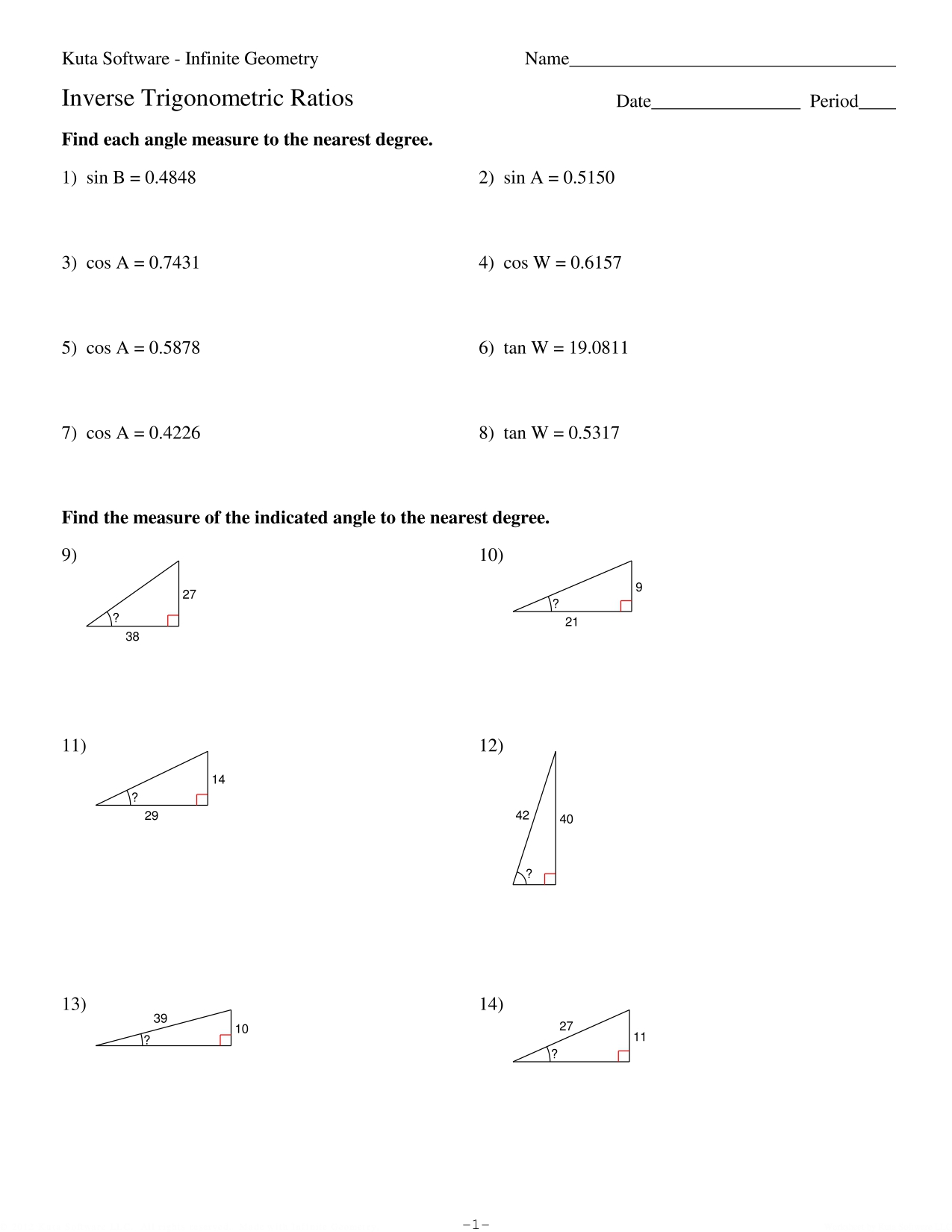
Question: Kuta Software - Infinite Geometry Name Inverse Trigonometric Ratios Date Period Find each angle measure to the nearest degree. 1) sin B = 0.4848 2)
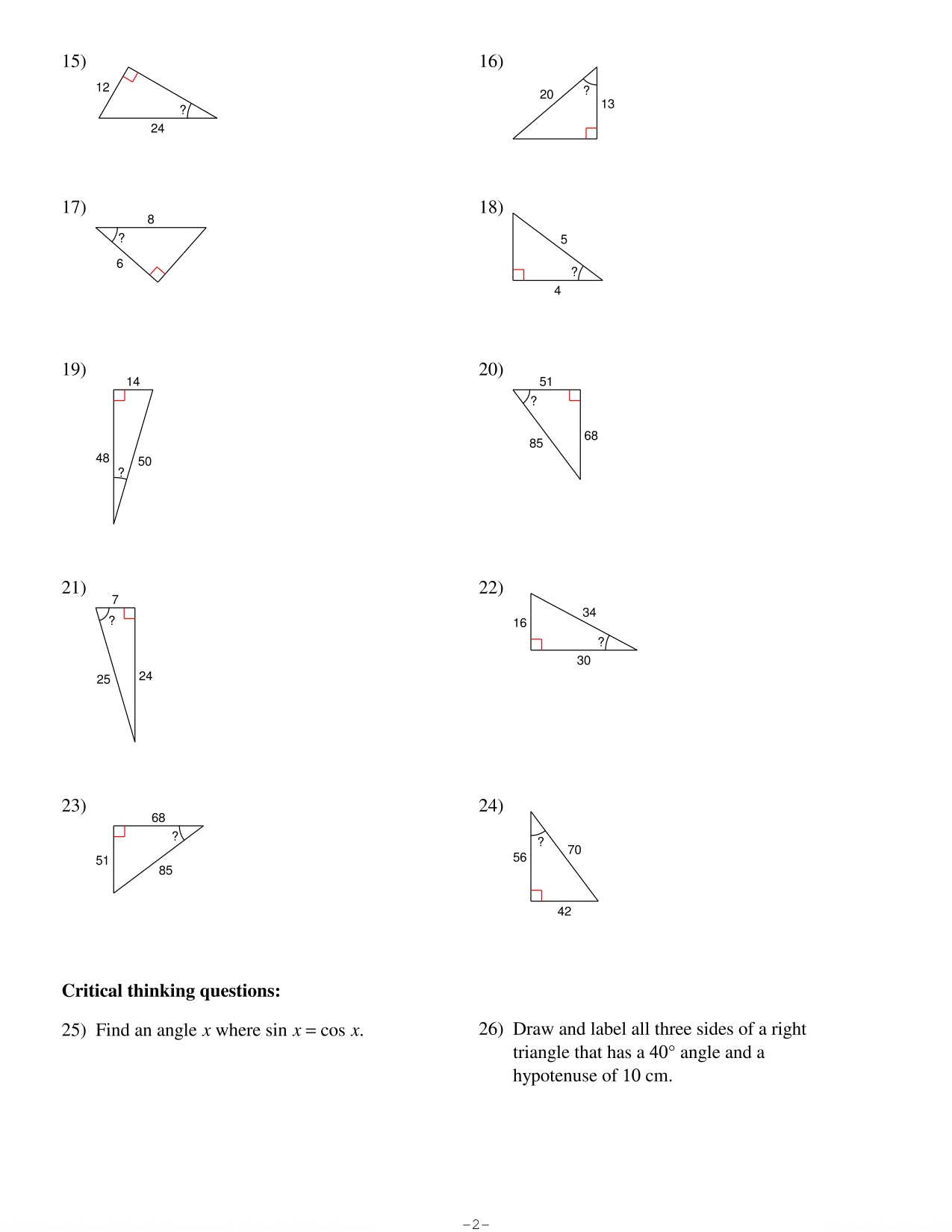
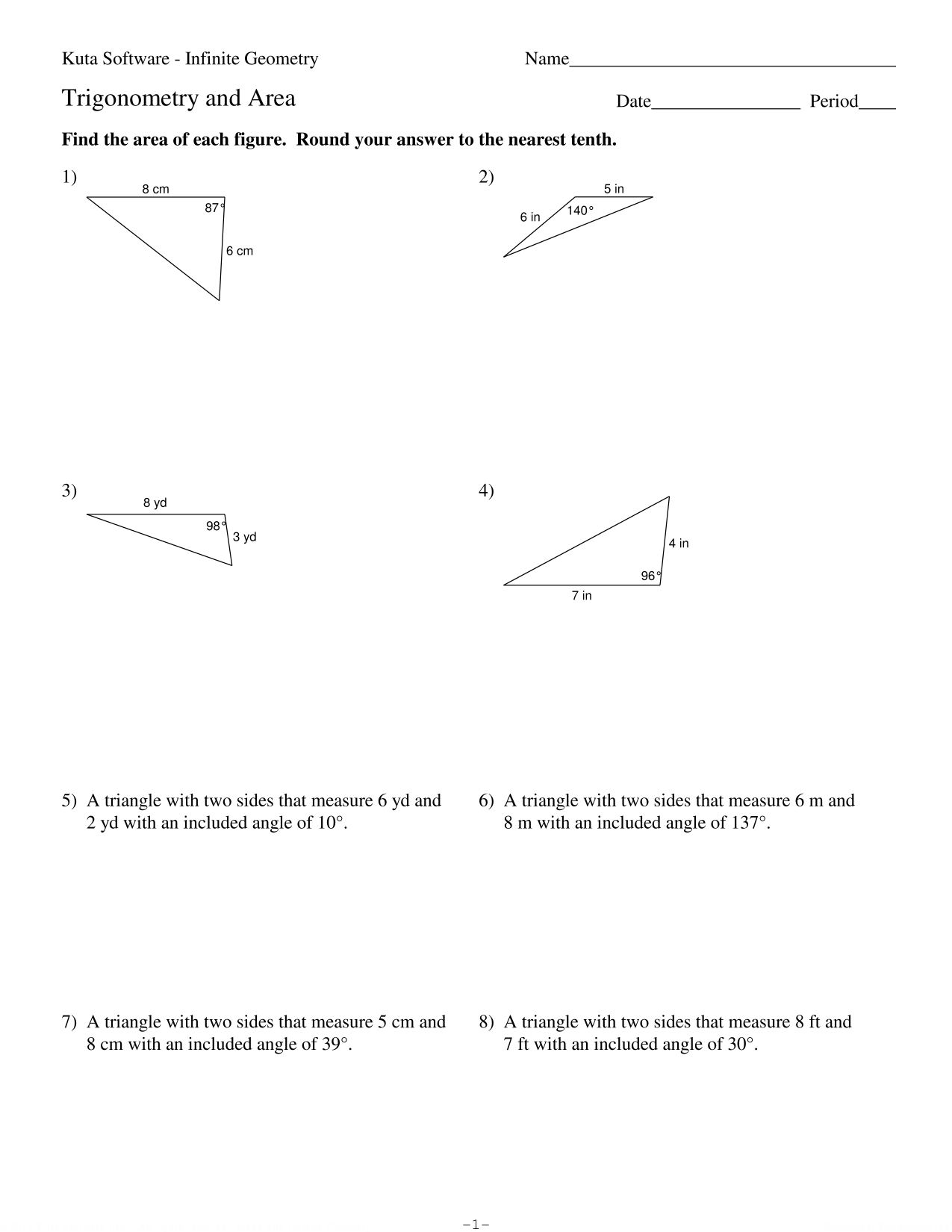
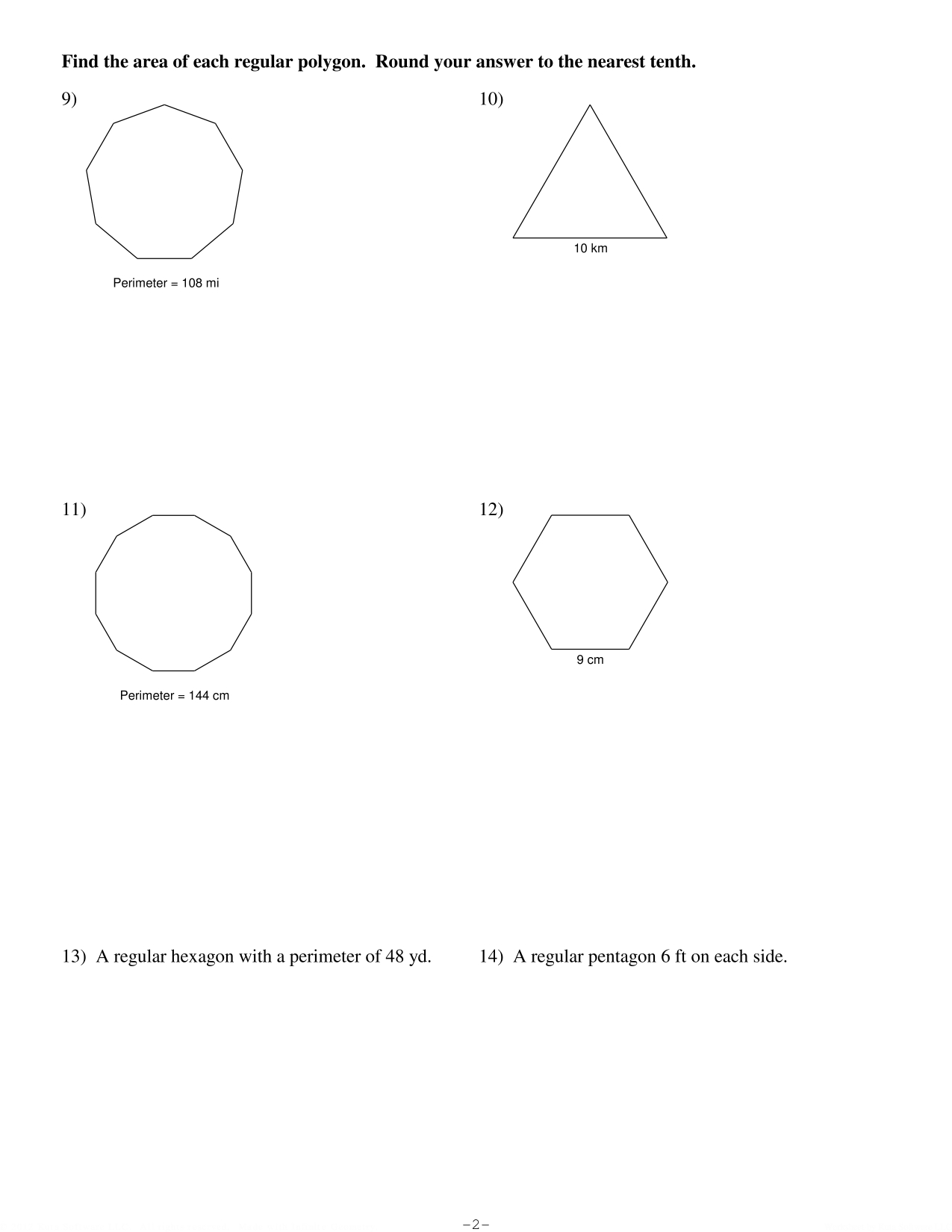
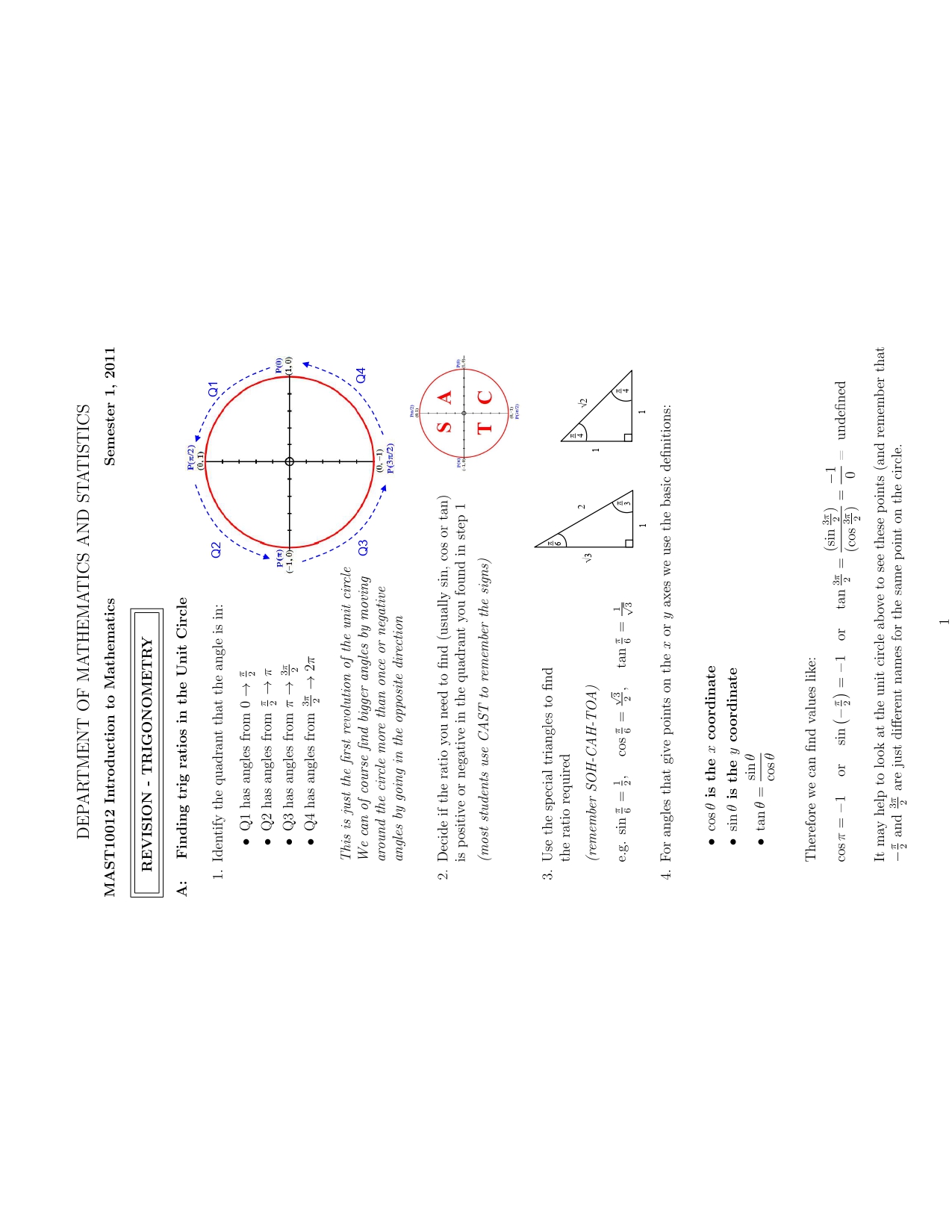
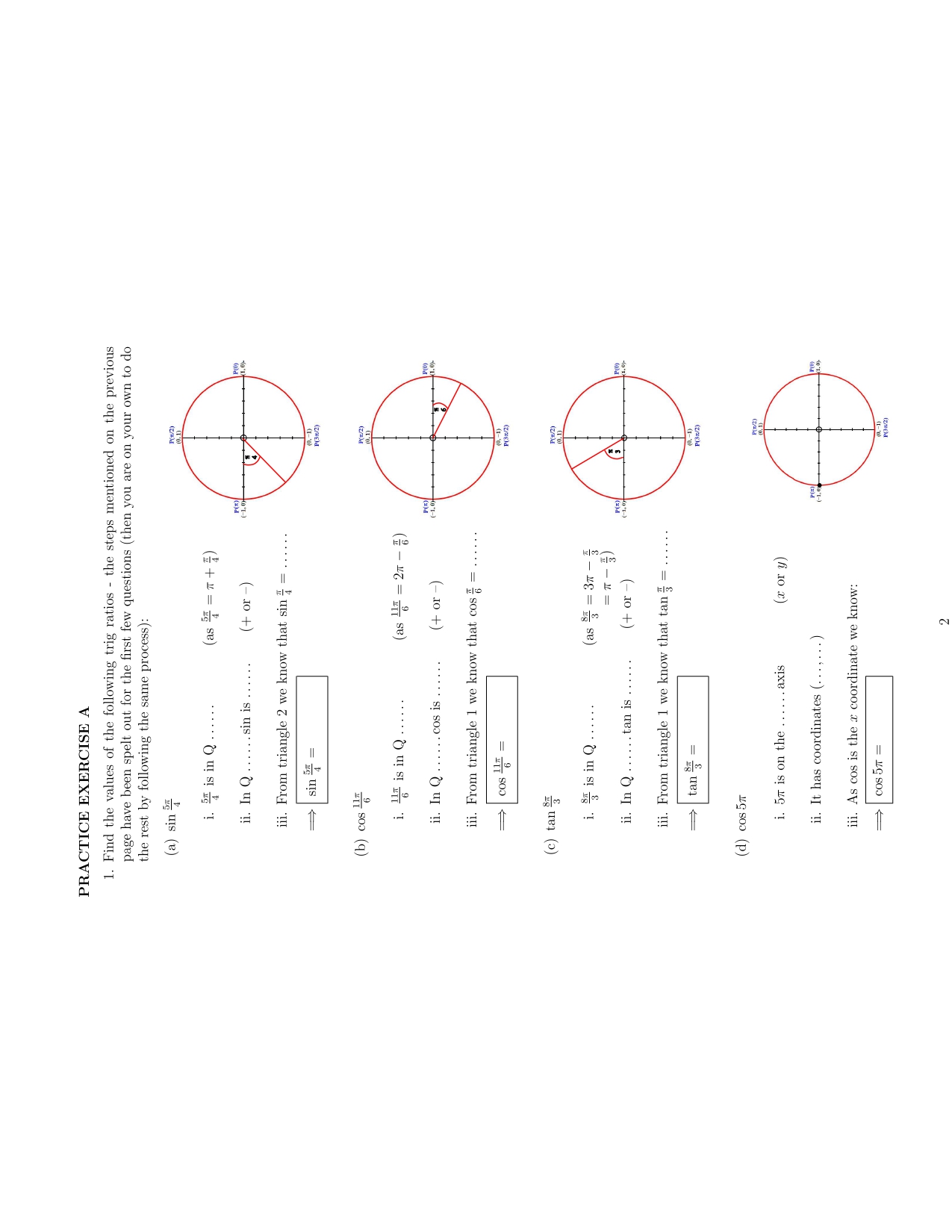
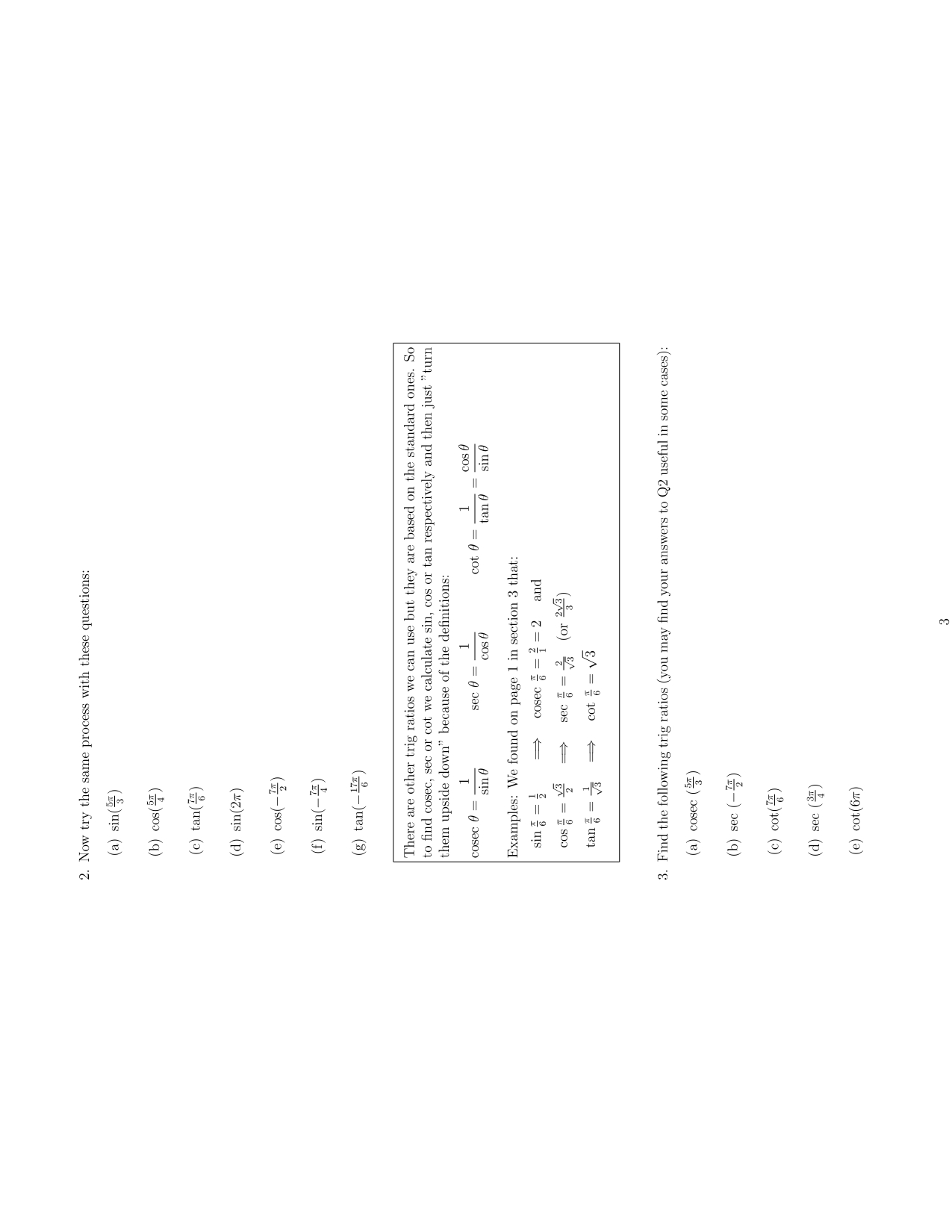
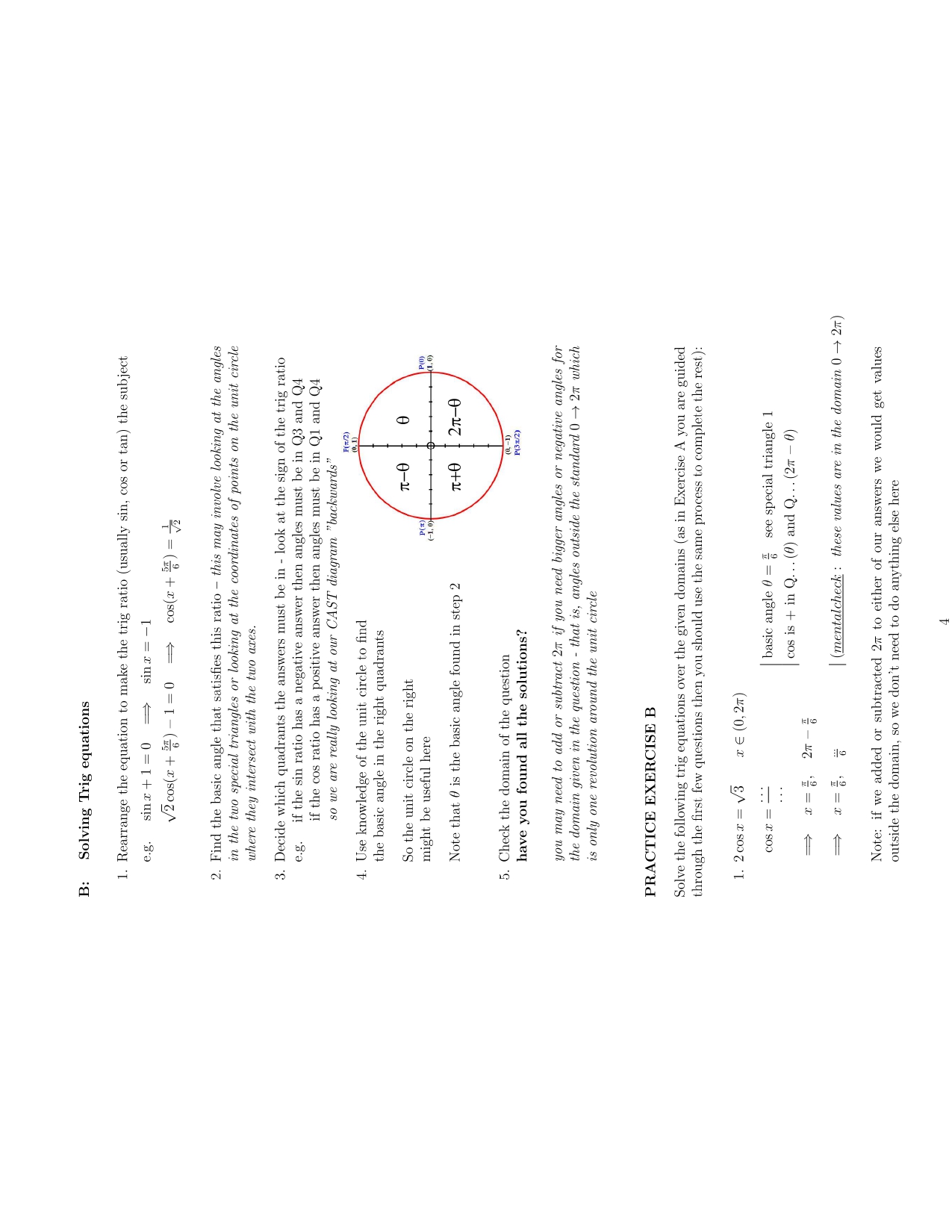
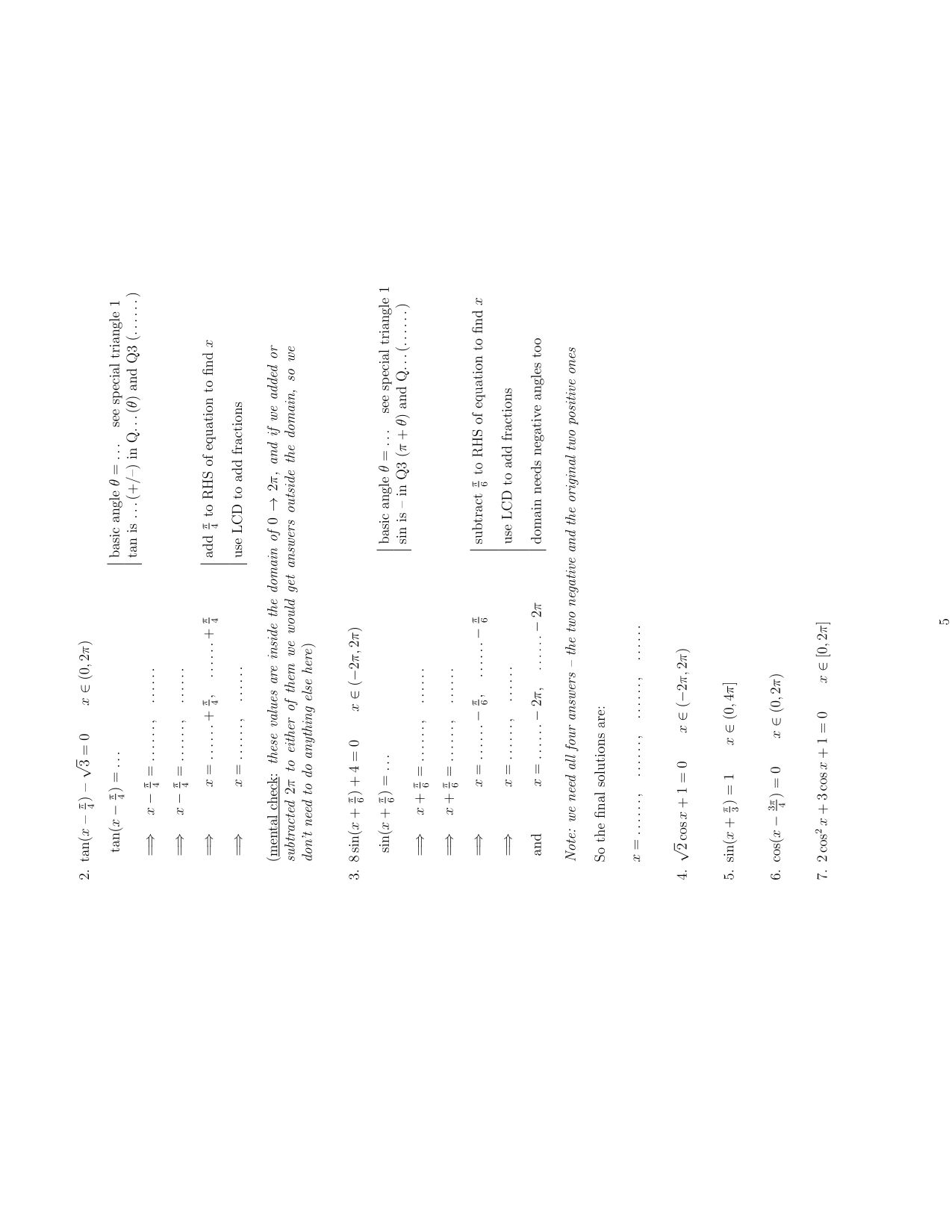
Kuta Software - Infinite Geometry Name Inverse Trigonometric Ratios Date Period Find each angle measure to the nearest degree. 1) sin B = 0.4848 2) sin A = 0.5150 3) cos A = 0.7431 4) cos W = 0.6157 5) cos A = 0.5878 6) tan W = 19.0811 7) cos A = 0.4226 8) tan W = 0.5317 Find the measure of the indicated angle to the nearest degree. 9) 10) 27 ? ? 21 38 11) 12) 14 ? 29 42 40 13) 14) 39 ? 10 27 115) 16) 122 : : :j 13 24 17) 3 18) 1 9) 1 4 20) E7 W 21) 22 2 8 16 25 24 4 58 51 85 55 Critical thinking questions: ) 23) ) 20 5 4 51 5 68 k 30 70 42 25) Find an angle x where sin .3: = cos x. 26) Draw and label all three sides of a right triangle that has a 40 angle and a hypotenuse 0f 10 cm. Kuta Software - Infinite Geometry Name Trigonometry and Area Date Period Find the area of each figure. Round your answer to the nearest tenth. 1) 2) 8 cm 5 in 87 6 in 140 6 cm 3) 4 ) 8 yd 98 9 3 yd 4 in 96 7 in 5) A triangle with two sides that measure 6 yd and 6) A triangle with two sides that measure 6 m and 2 yd with an included angle of 10 8 m with an included angle of 1370 7) A triangle with two sides that measure 5 cm and 8) A triangle with two sides that measure 8 ft and 8 cm with an included angle of 390 7 ft with an included angle of 30.Find the area of each regular polygon. Round your answer to the nearest tenth. 9) 10) 10 km Perimeter = 108 mi 11) 12) 9 cm Perimeter = 144 cm 13) A regular hexagon with a perimeter of 48 yd. 14) A regular pentagon 6 ft on each side.DEPARTMENT OF MATHEMATICS AND STATISTICS MAST10012 Introduction to Mathematics Semester 1, 2011 REVISION - TRIGONOMETRY Finding trig ratios in the Unit Circle P(1/2) 1. Identify the quadrant that the angle is in: Q2 - Q1 . Q1 has angles from 0 - ? . Q2 has angles from 5 - . Q3 has angles from 7 - 3 P (3) PO) -1,0) . Q4 has angles from " - 27 +- This is just the first revolution of the unit circle We can of course find bigger angles by moving Q3 around the circle more than once or negative - - (0-1) _--." P(3n/2) angles by going in the opposite direction 2. Decide if the ratio you need to find (usually sin, cos or tan) is positive or negative in the quadrant you found in step 1 (most students use CAST to remember the signs) C 3. Use the special triangles to find the ratio required (remember SOH-CAH-TOA) e.g. sin = , cos = 2, tan # = 4. For angles that give points on the r or y axes we use the basic definitions: . cos 0 is the x coordinate . sin 0 is the y coordinate sin . tand = cos 0 Therefore we can find values like: cos 7 = -1 or sin (-7) = -1 or tan (sin " ) (cos 3= ) undefined It may help to look at the unit circle above to see these points (and remember that -5 and " are just different names for the same point on the circle.PRACTICE EXERCISE A 1. Find the values of the following trig ratios - the steps mentioned on the previous page have been spelt out for the first few questions (then you are on your own to do the rest by following the same process): (a) sin P(x/2) i. ba is in Q .. .... (as > = 7 + ) ii. In Q . ..... sin is . . . . .. ( + or -) iii. From triangle 2 we know that sin * = . . .... sin S = P(31/2 ) (b) cos LL P ( x/ 2 ) i. 17 is in Q . . .... (as 11x = 27 - ii. In Q ...... cos is . ..... (+ or -) iii. From triangle I we know that cos = = . ..... Cos LL = P ( 31/2 ) (c) tang P(x/2 i. " is in Q . ..... (as = 37 - 3 ii. In Q . ..... tan Is . . . . . . (+ or -) iii. From triangle 1 we know that tan ; = ...... tan S = P(31/2 ) (d) cos 57 i. 57 is on the . ..... axis (x or y) ii. It has coordinates (. . ., . . . ) iii. As cos is the r coordinate we know: cos 57 = (3a/2)2. Now try the same process with these questions: (a) sing (b) cos() (c) tan() (d) sin(27) (e) cos(-7) (f) sin(-') (g) tan( -17m ) There are other trig ratios we can use but they are based on the standard ones. So to find cosec, sec or cot we calculate sin, cos or tan respectively and then just "turn them upside down" because of the definitions. cos 0 cosec 0 = sec 0 = cos 0 cot b = sin 6 tan 0 sin 0 Examples: We found on page 1 in section 3 that: cosec # = = =2 and cos $ = 13 sec = = (or 2)3) tan = = 75 cot = = V3 3. Find the following trig ratios (you may find your answers to Q2 useful in some cases): (a) cosec (" ) (b) sec ( -'7 ) (c) cot ( ) (d) sec (7) (e) cot (67)B: Solving Trig equations 1. Rearrange the equation to make the trig ratio (usually sin, cos or tan) the subject e.g. sinx +1 =0 = sinc = -1 V2 cos(x + ) - 1=0 = cos(x + ") = Vz 2. Find the basic angle that satisfies this ratio - this may involve looking at the angles in the two special triangles or looking at the coordinates of points on the unit circle where they intersect with the two ares 3. Decide which quadrants the answers must be in - look at the sign of the trig ratio e.g. if the sin ratio has a negative answer then angles must be in Q3 and Q4 if the cos ratio has a positive answer then angles must be in Q1 and Q4 so we are really looking at our CAST diagram "backwards" P(7/2) 4. Use knowledge of the unit circle to find the basic angle in the right quadrants So the unit circle on the right D might be useful here P() P(0) Note that O is the basic angle found in step 2 7+0 2n-0 5. Check the domain of the question (8, -1) have you found all the solutions? ( 3 x /2 ) you may need to add or subtract 2x if you need bigger angles or negative angles for the domain given in the question - that is, angles outside the standard 0 -> 2n which is only one revolution around the unit circle PRACTICE EXERCISE B Solve the following trig equations over the given domains (as in Exercise A you are guided through the first few questions then you should use the same process to complete the rest): 1. 2 cos x = V3 TE (0, 27) COST = . . . basic angle 0 = see special triangle 1 cos is + in Q. . . (0) and Q. .. (27 - 0) * = 6: | (mentalcheck : these values are in the domain 0 - 2T) Note: if we added or subtracted 27 to either of our answers we would get values outside the domain, so we don't need to do anything else here2. tan(x - 1) - V3 =0 TE (0, 2T) tan(x - [) = ... | basic angle 0 = ... see special triangle 1 tan is . .. (+/-) in Q. .. (0) and Q3 (. ..... ) x- 1=.... .') .. .. .. x- 1=..... .' . . . . . . C= . . . . . . + . . . . . . + |add # to RHS of equation to find a D= . . . . . .; . . . . .. use LCD to add fractions (mental check: these values are inside the domain of 0 - 2x, and if we added or subtracted 21 to either of them we would get answers outside the domain, so we don't need to do anything else here) 3. 8 sin(a + [) +4=0 TE (-27, 27) sin(x + ;) = ... basic angle 0 = ... see special triangle 1 | sin is - in Q3 (7 + 0) and Q... (......) at 6=.....'; ...... = at ; =.... . .) ...... T= . . . . . . . . . ... subtract # to RHS of equation to find x T= .. . . . .; . . . . . . use LCD to add fractions and T = . . . . . . - 27, . . . . . . - 27 domain needs negative angles too Note: we need all four answers - the two negative and the original two positive ones So the final solutions are: C= . . . . . .; . ...; ......; .. . ... 4. V2 cosa + 1 = 0 TE (-27, 2TT) 5. sin(x + ) = 1 TE (0, 47] 6. cos(x - 3# ) = 0 . E (0, 27) 7. 2 cos2 x + 3 cosa + 1 =0 . E [0, 2x]
Step by Step Solution
There are 3 Steps involved in it
1 Expert Approved Answer
Step: 1 Unlock
Question Has Been Solved by an Expert!
Get step-by-step solutions from verified subject matter experts
Step: 2 Unlock
Step: 3 Unlock
Students Have Also Explored These Related Mathematics Questions!









 Study Help