Question: Make a reflection paper about the Environmental Governance lesson. You can add your realization, experiences and plans. Answer in a minimum of 300words. ENVIRONMENTAL GOVERNANCEThe
Make a reflection paper about the Environmental Governance lesson. You can add your realization, experiences and plans. Answer in a minimum of 300words.
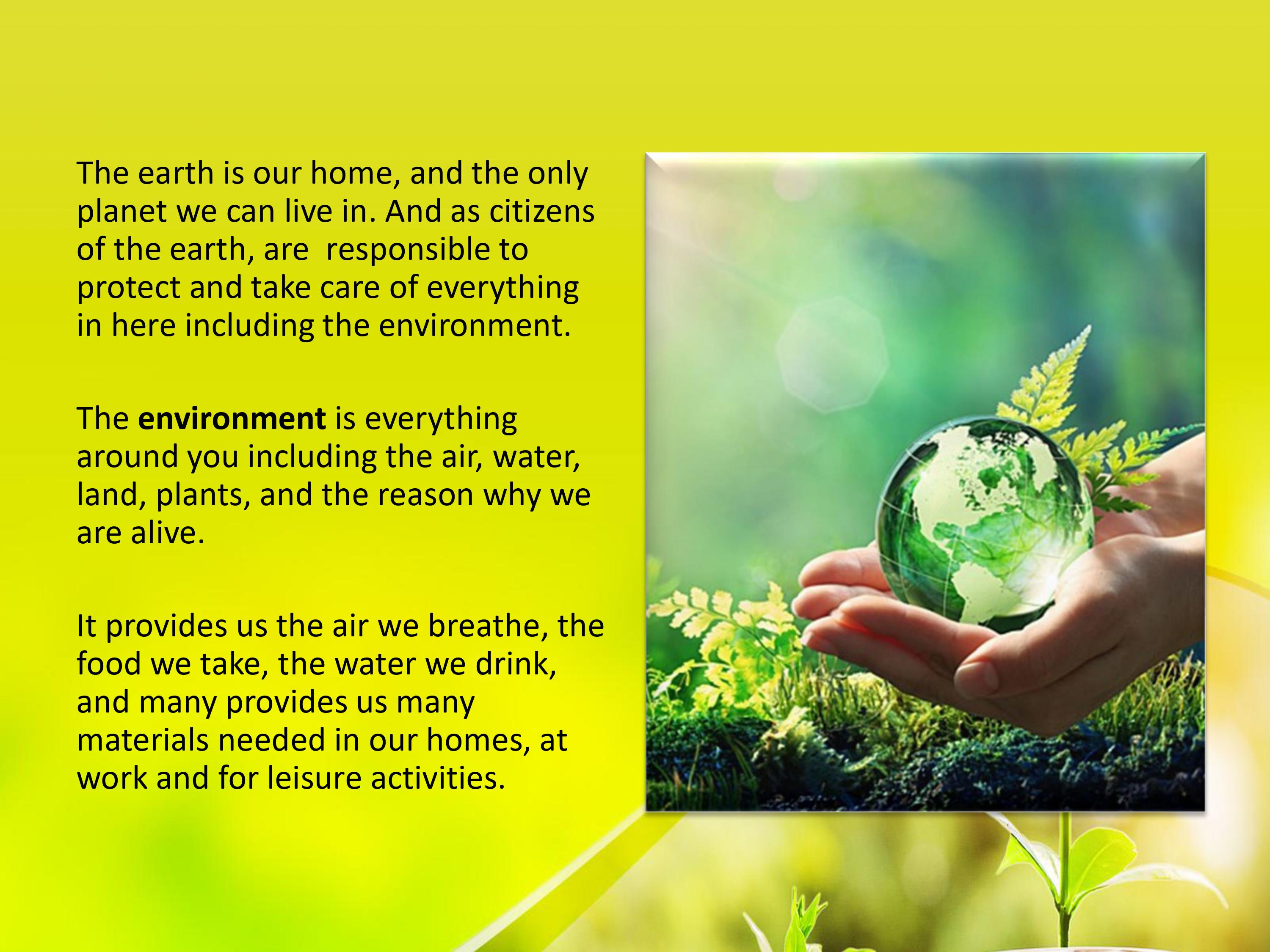
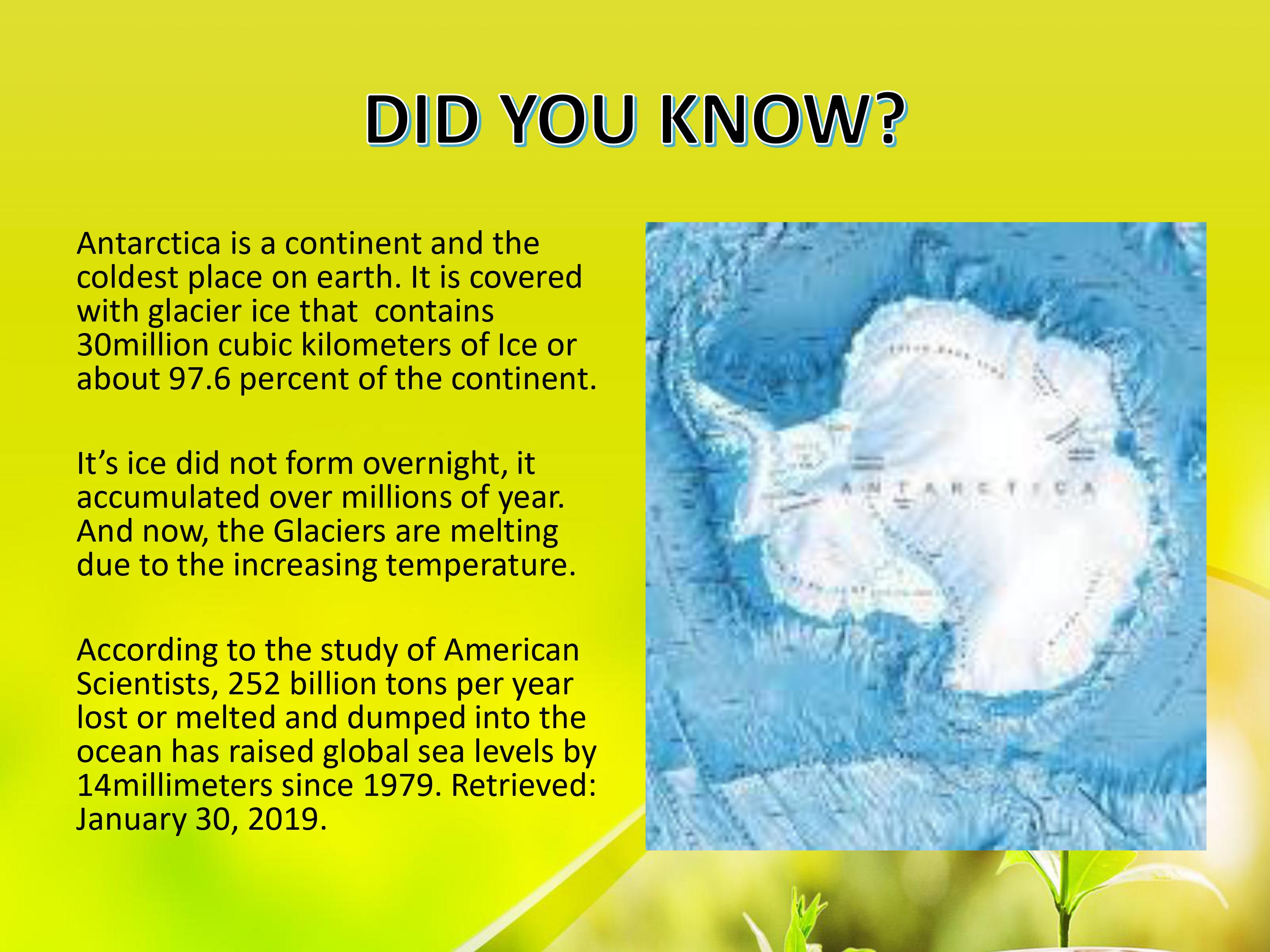
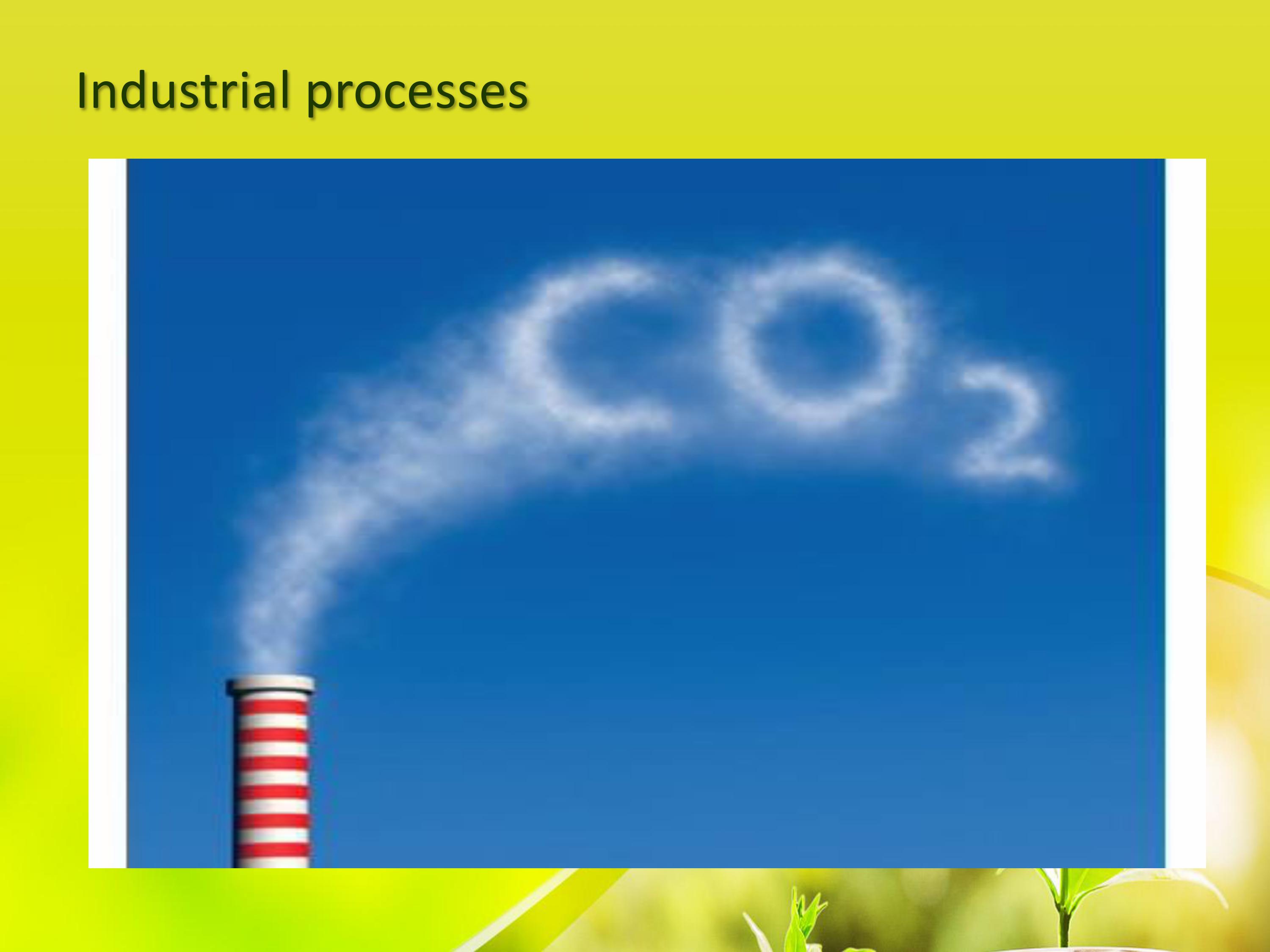
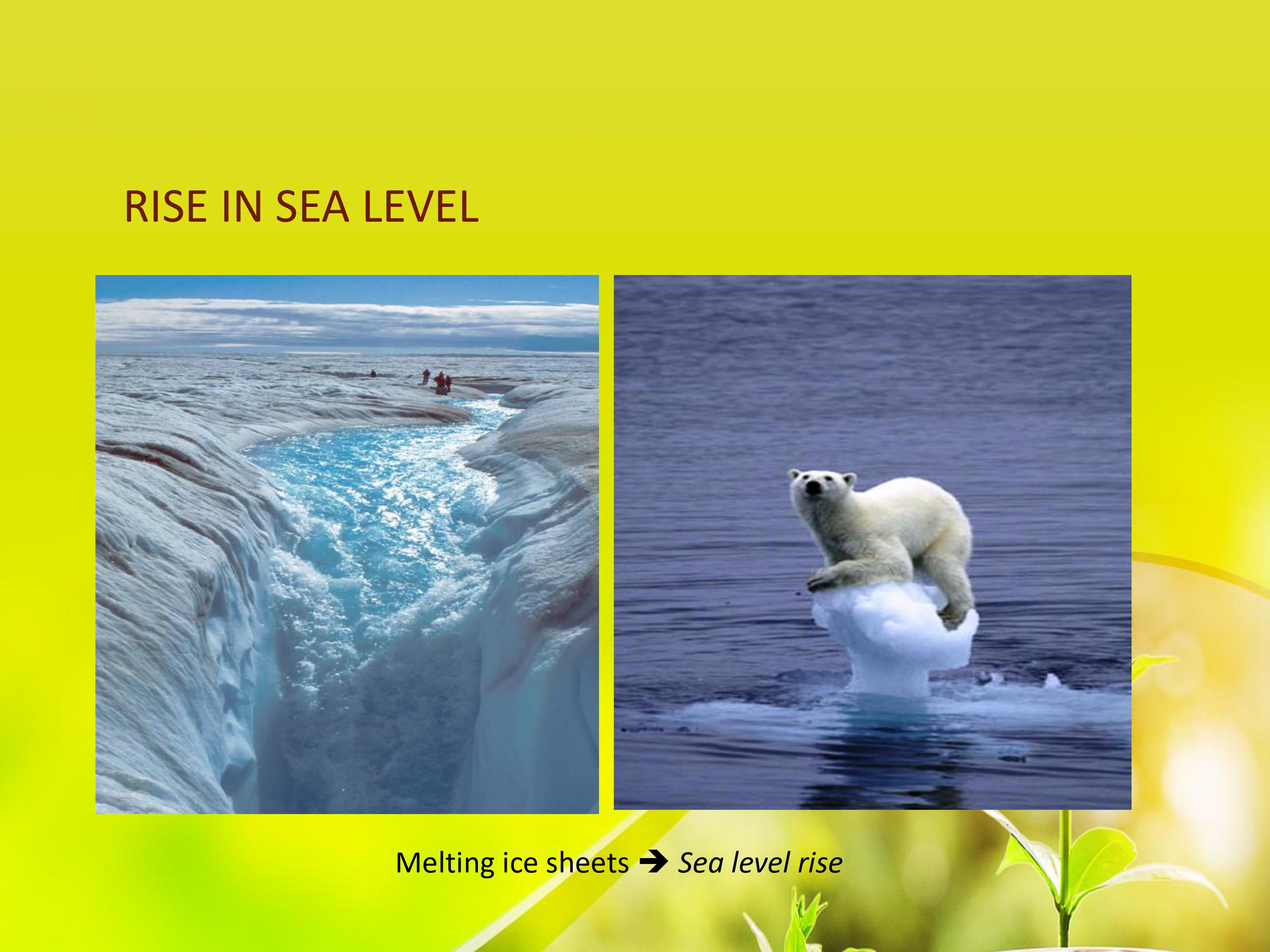
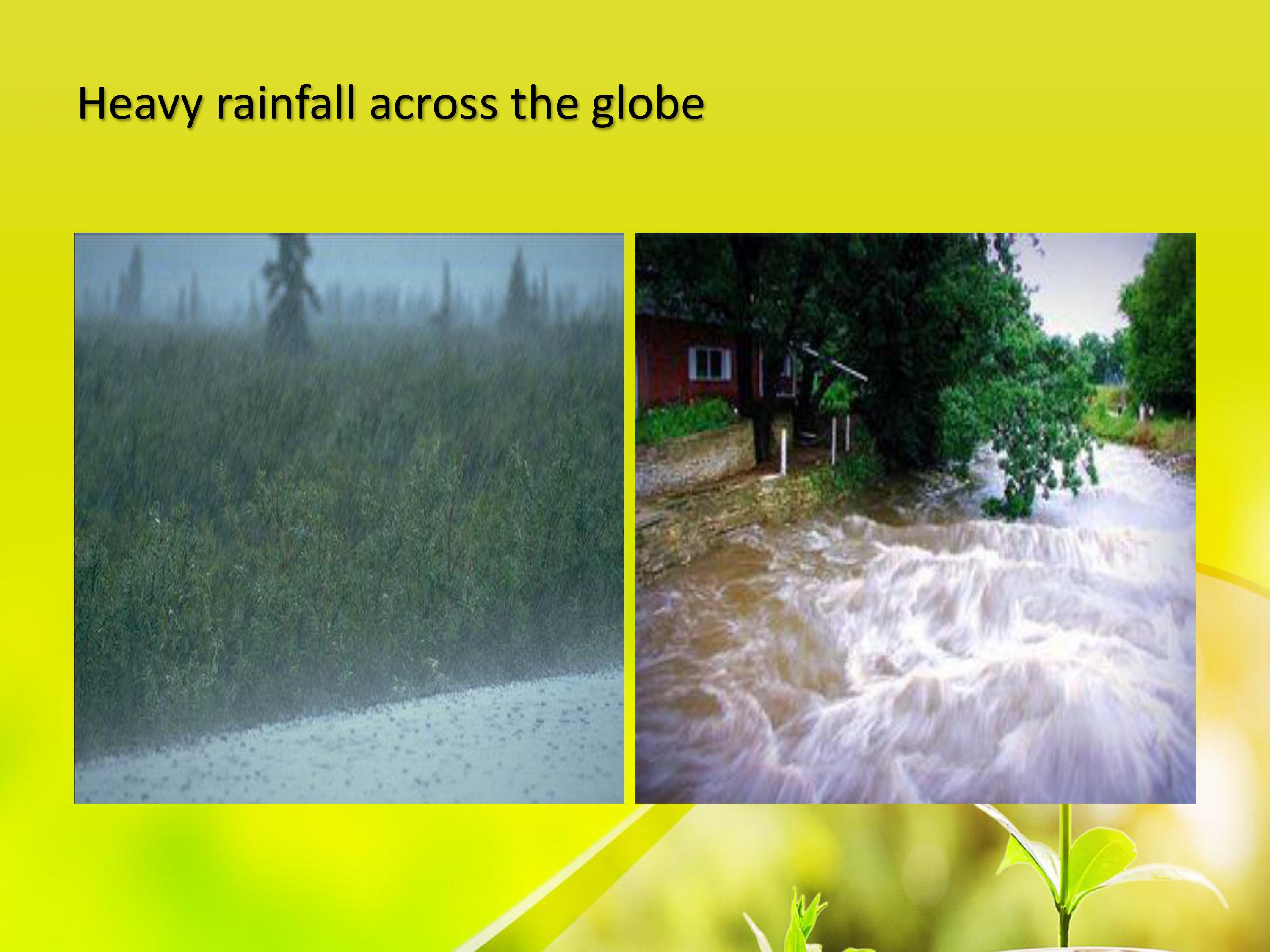
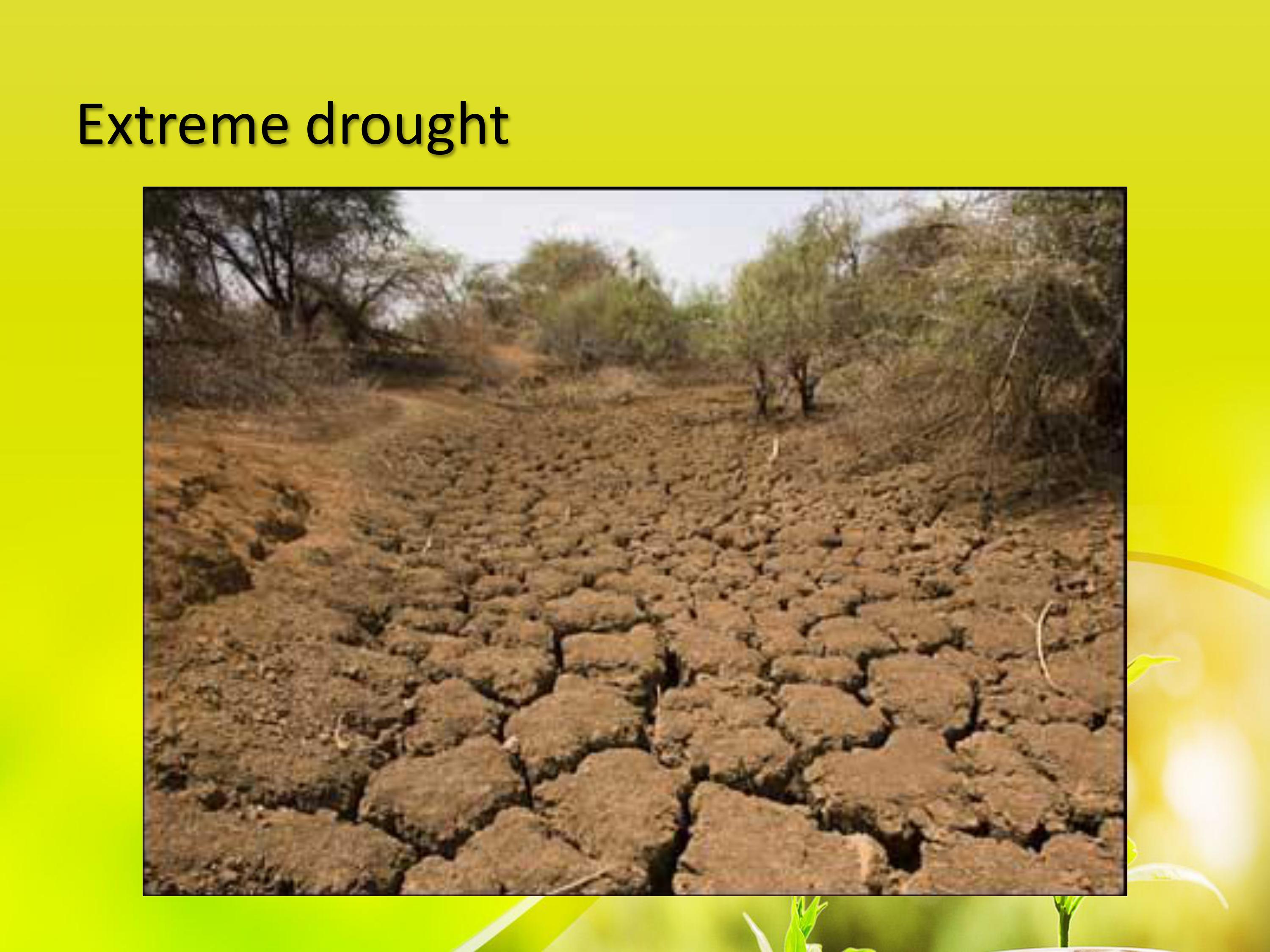
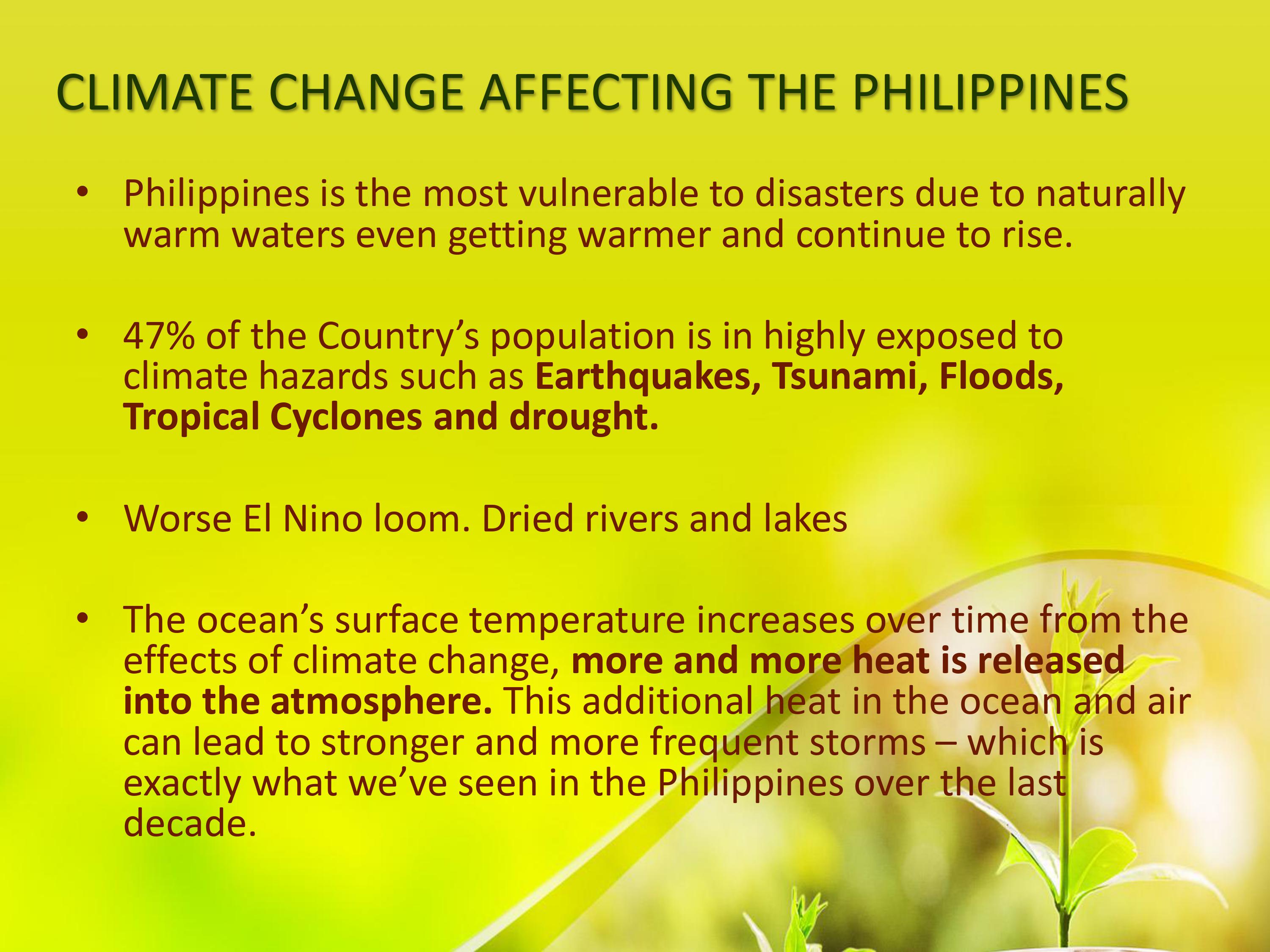
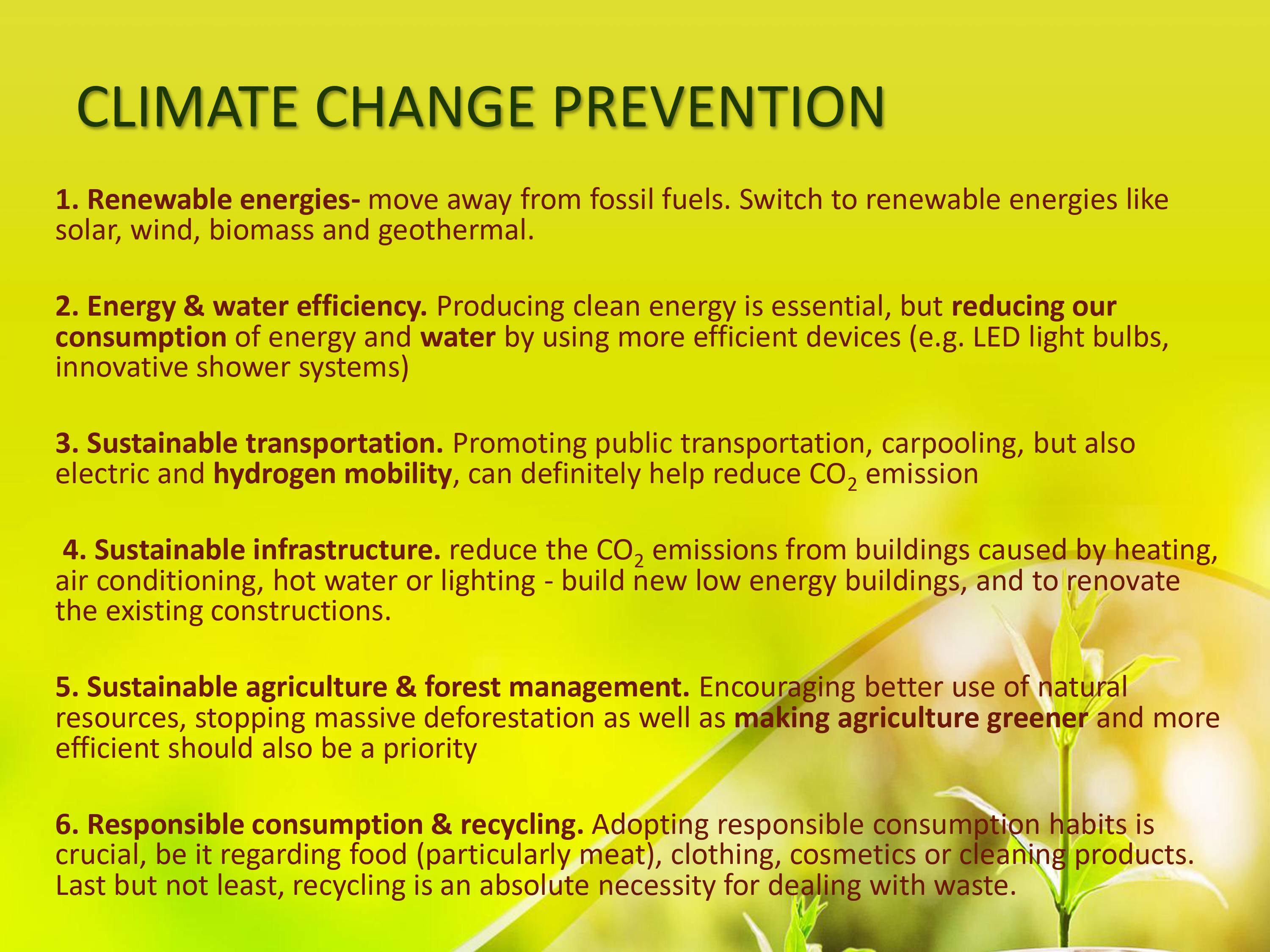
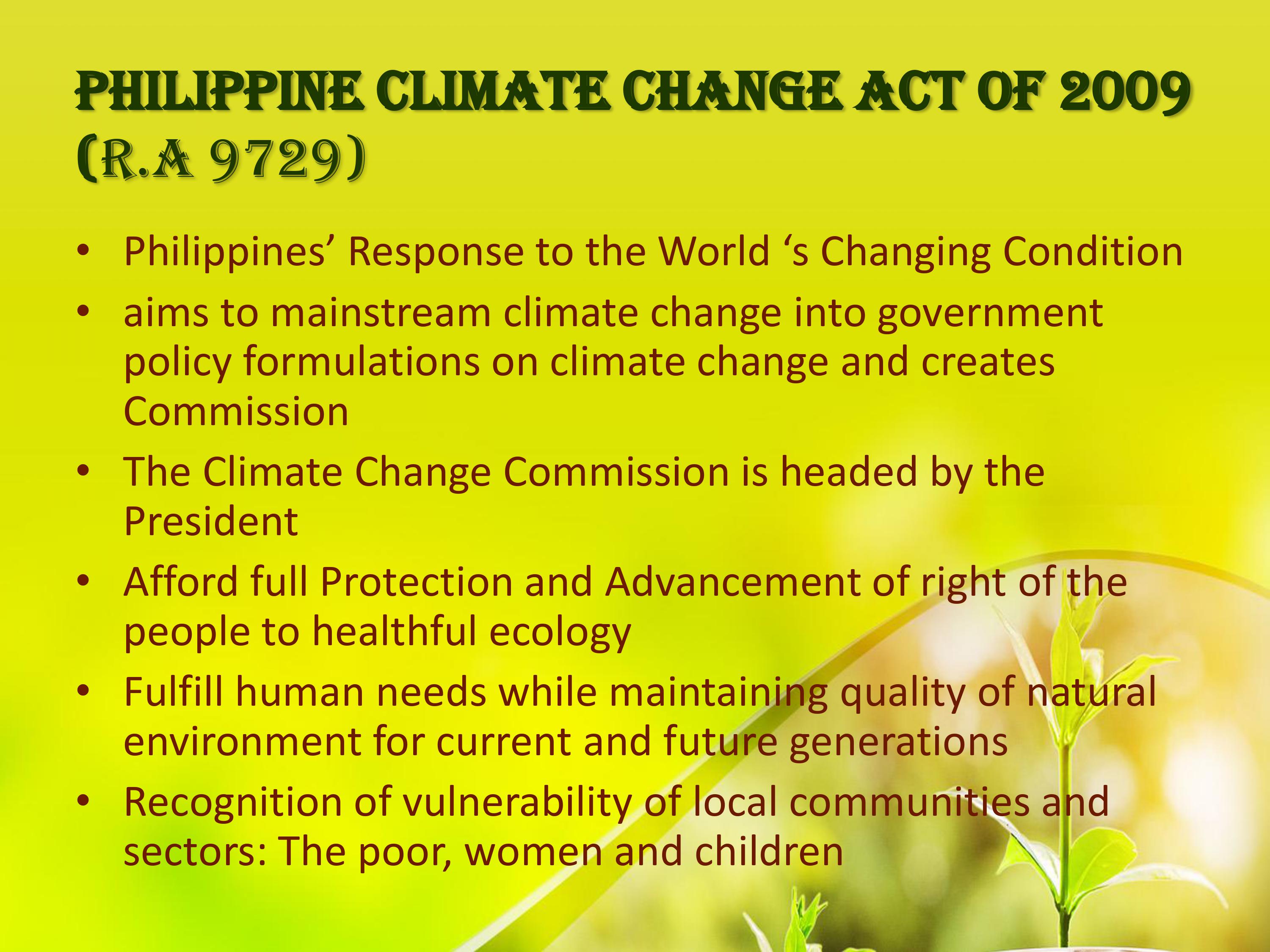
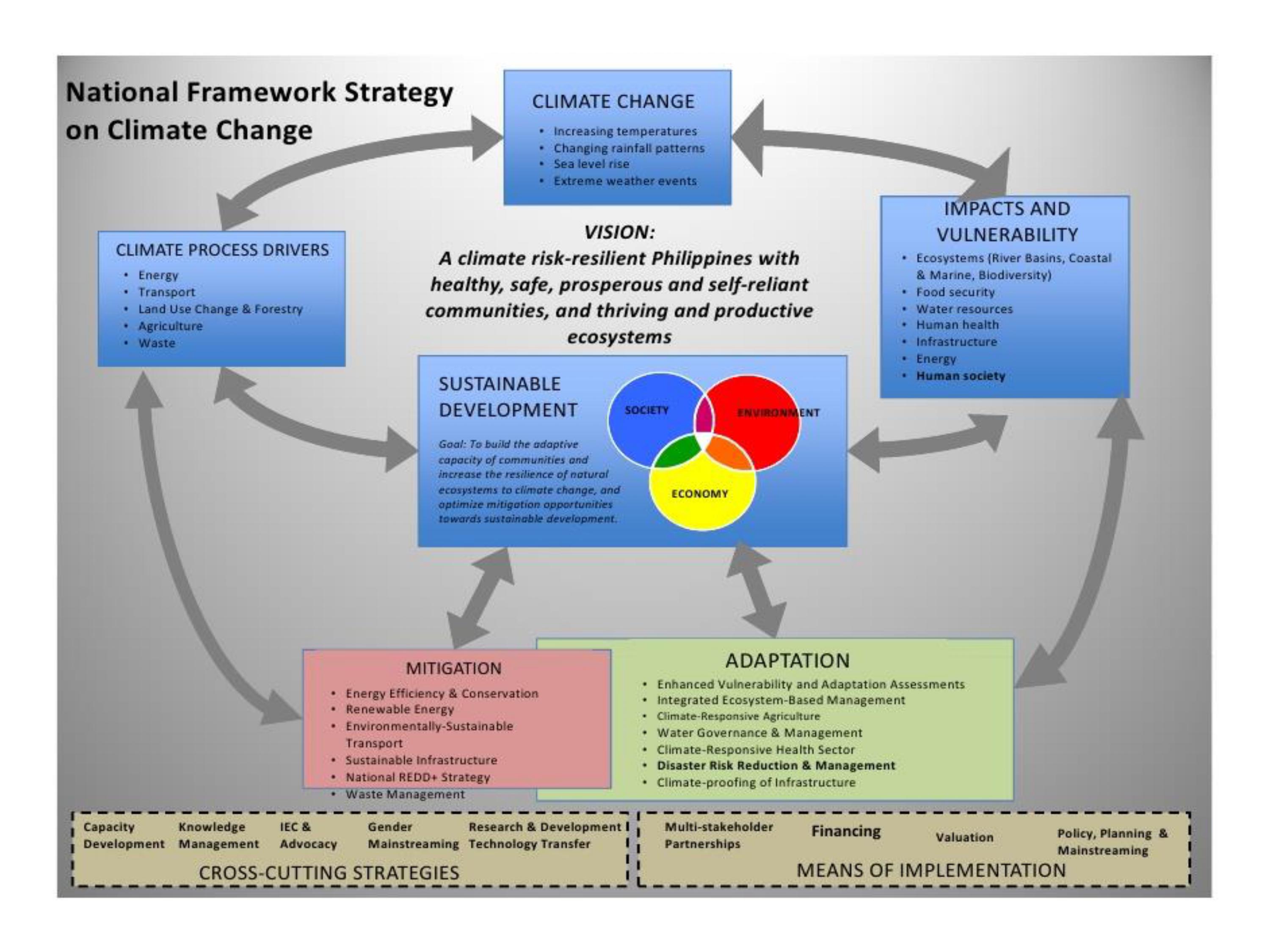
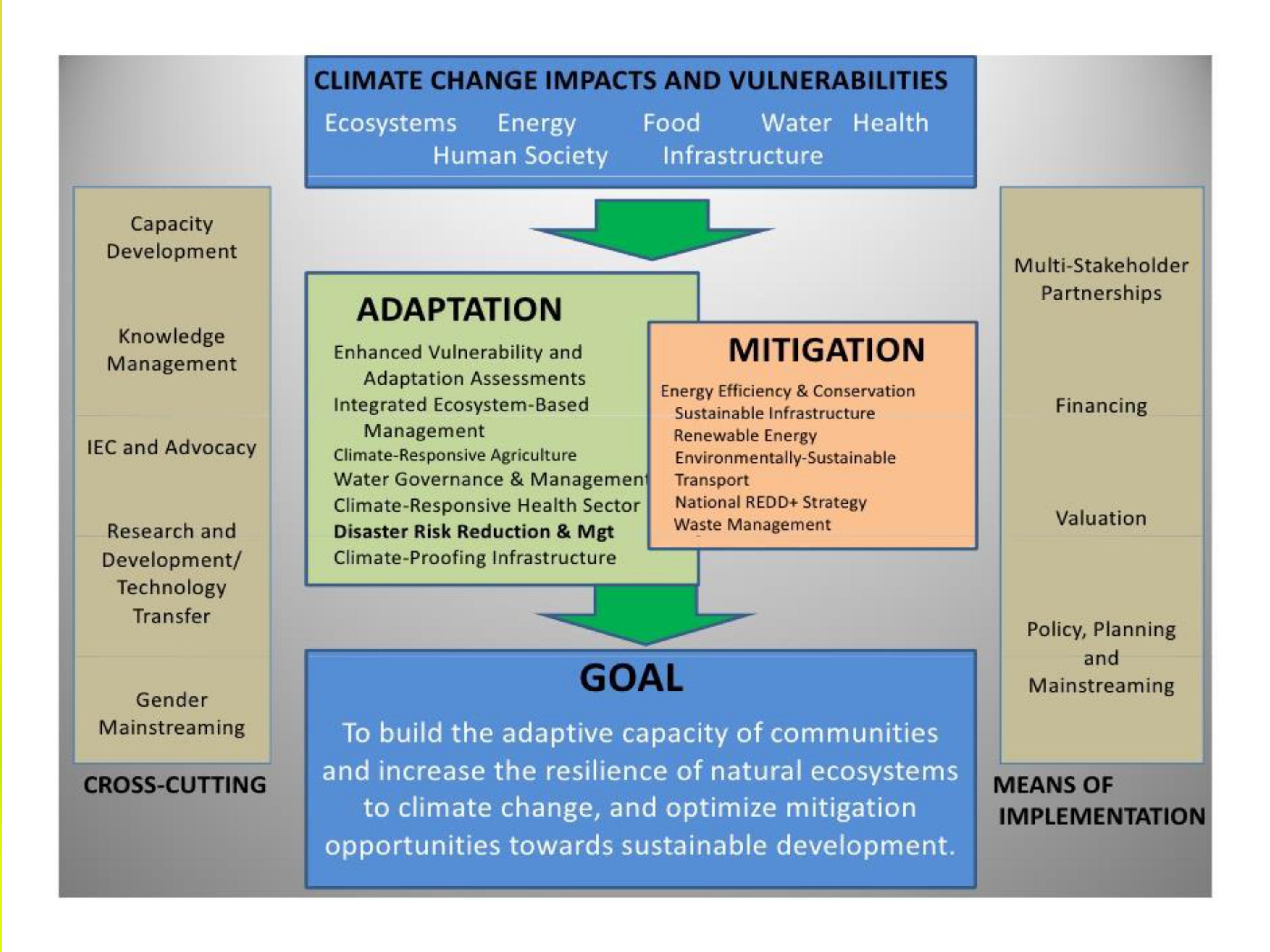
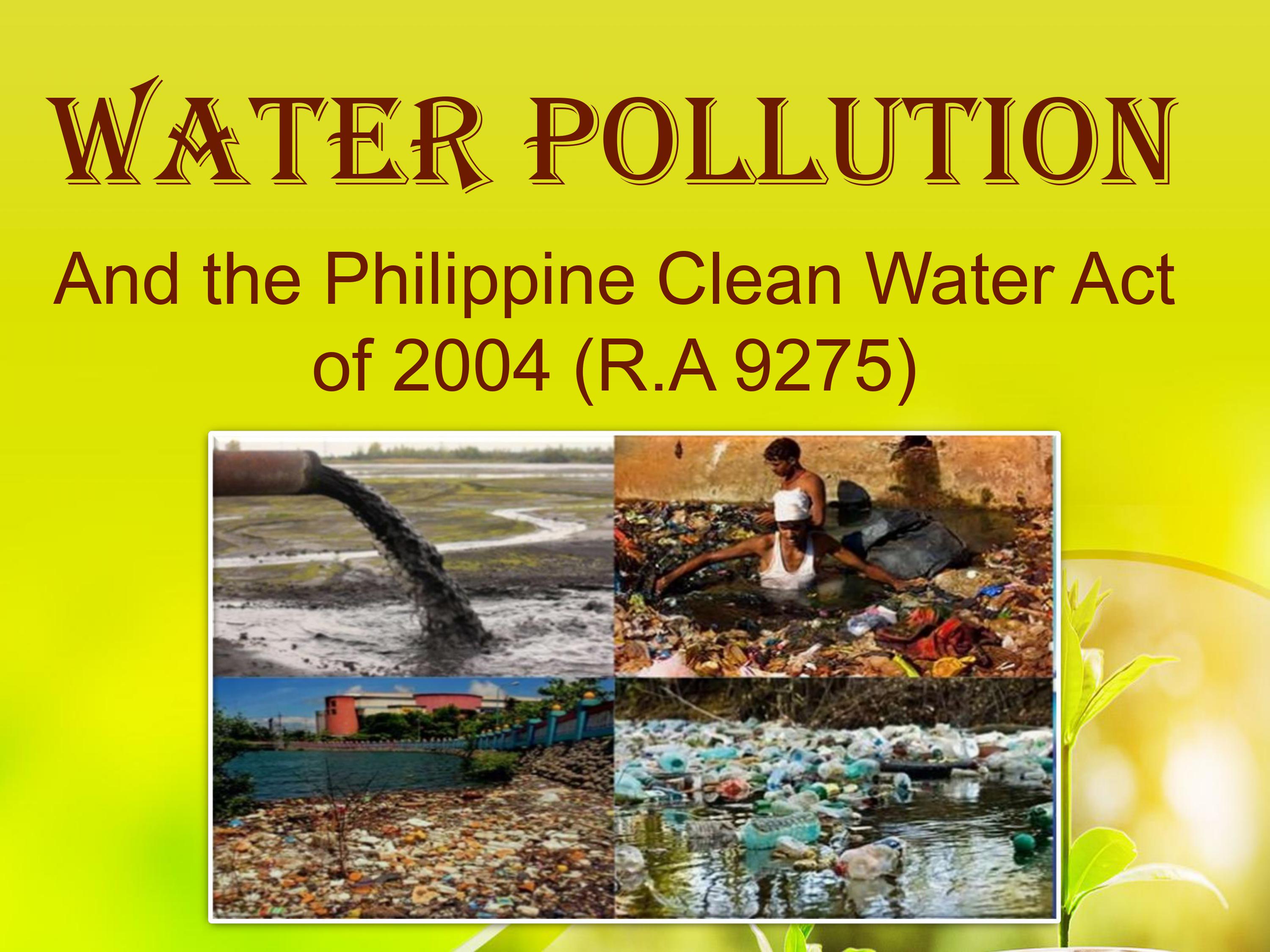
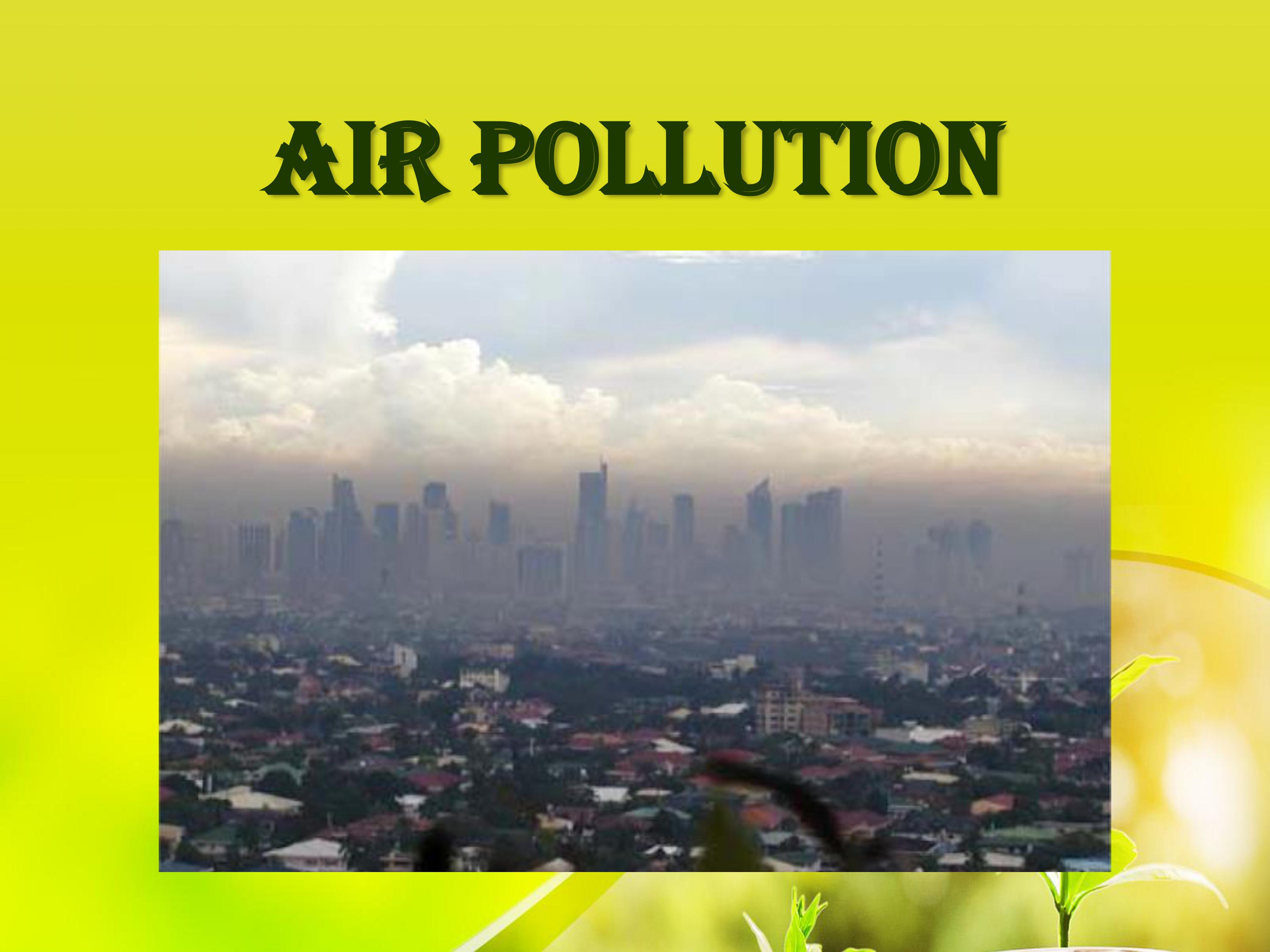
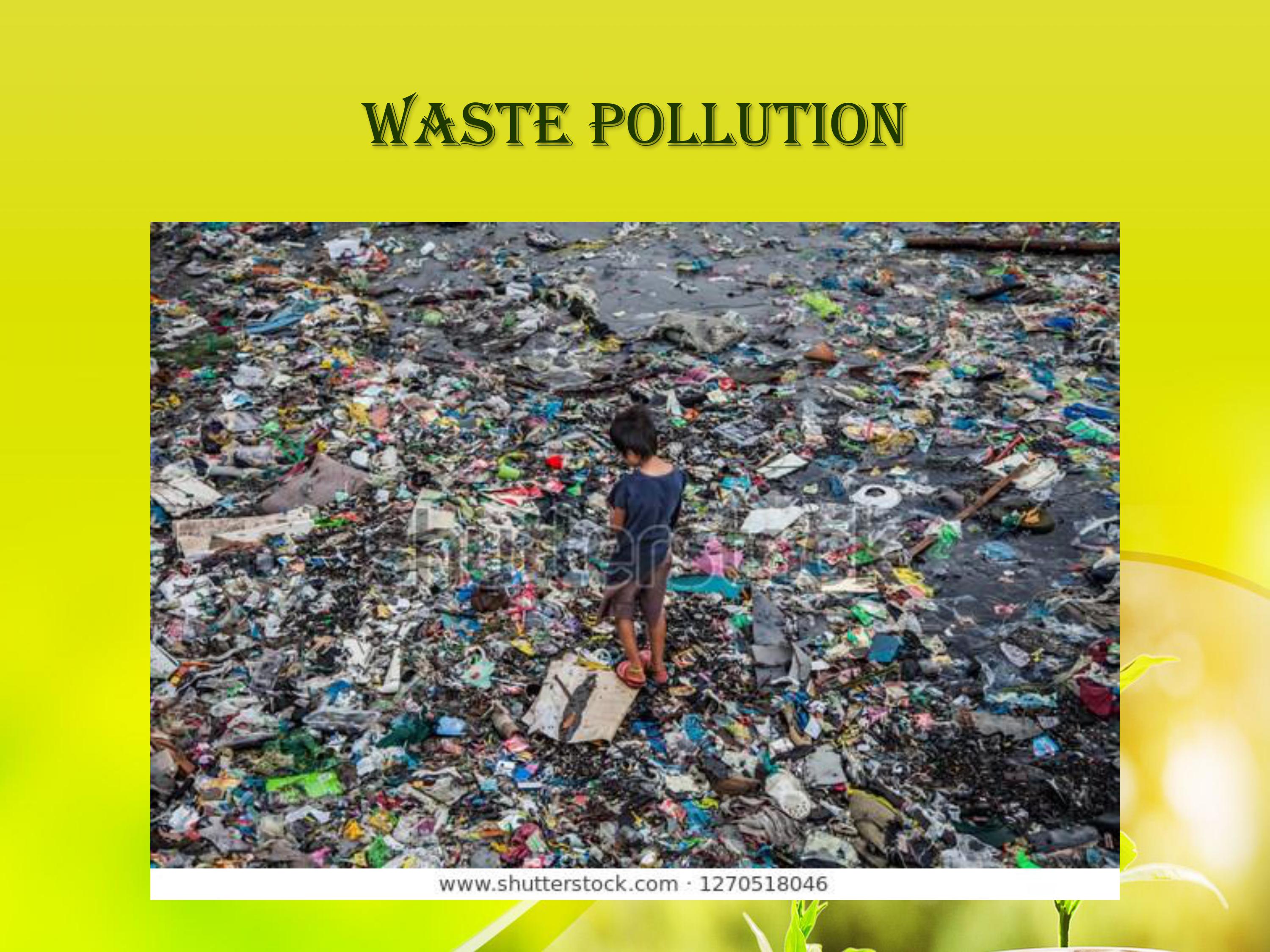
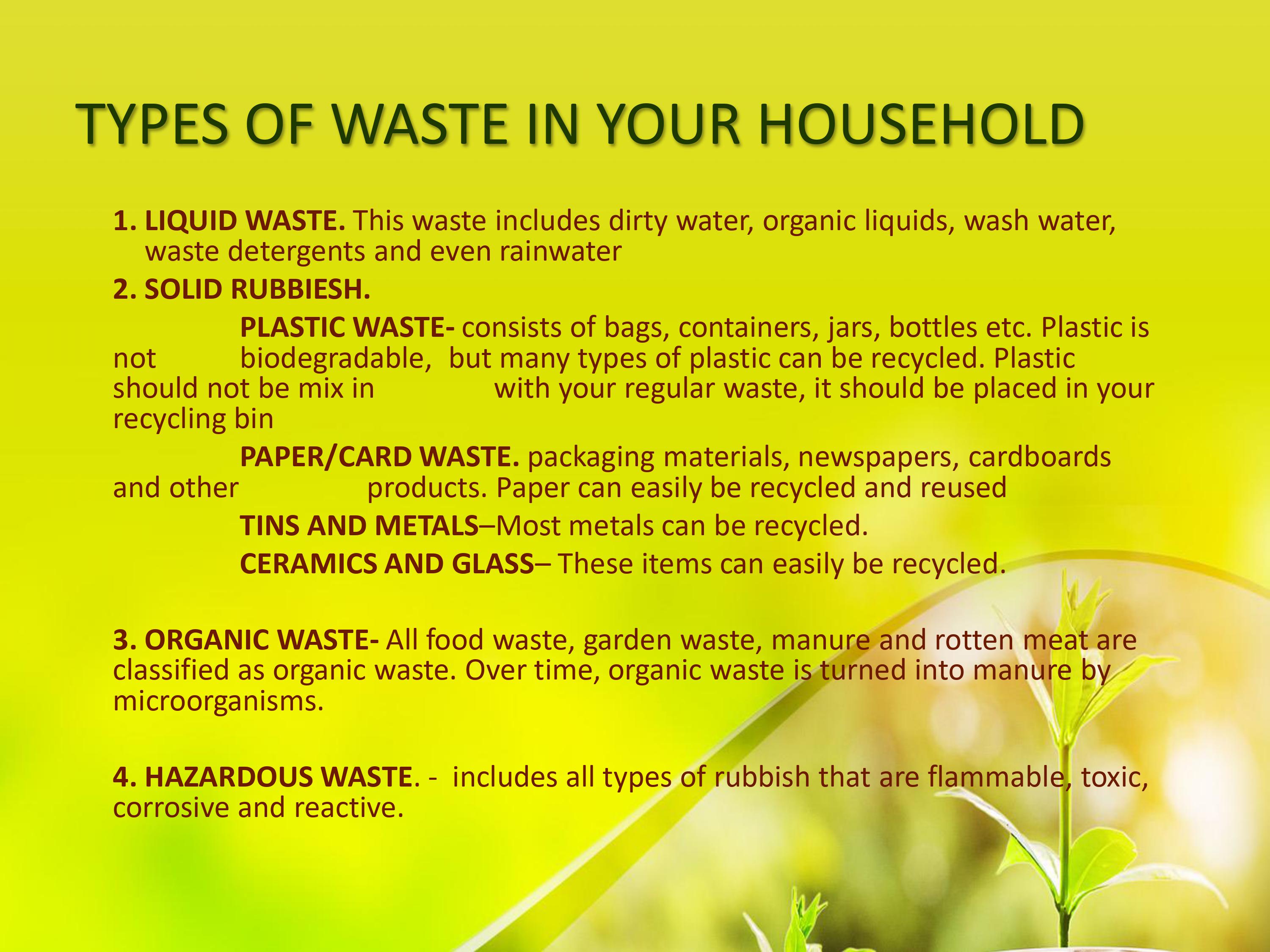
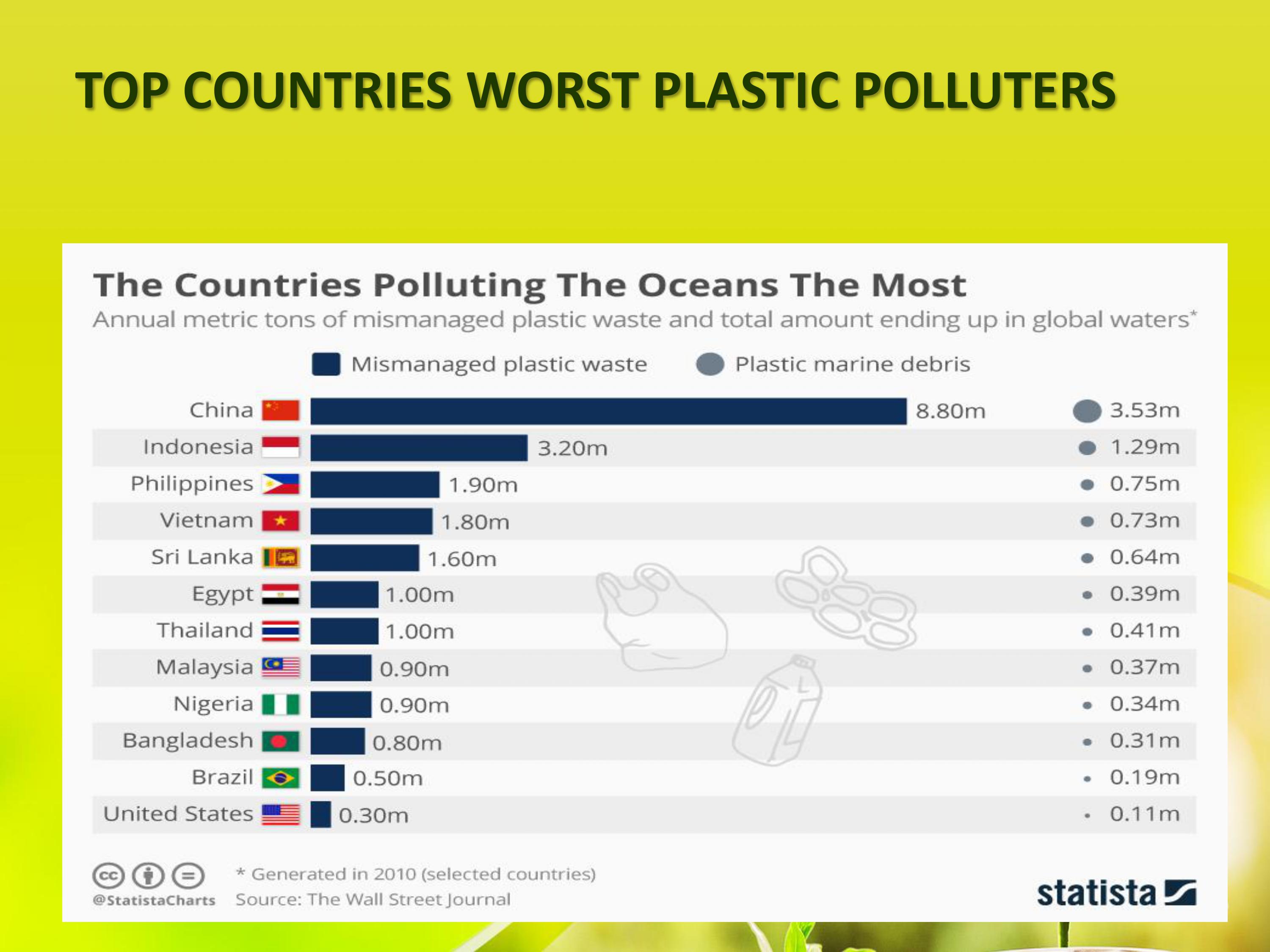
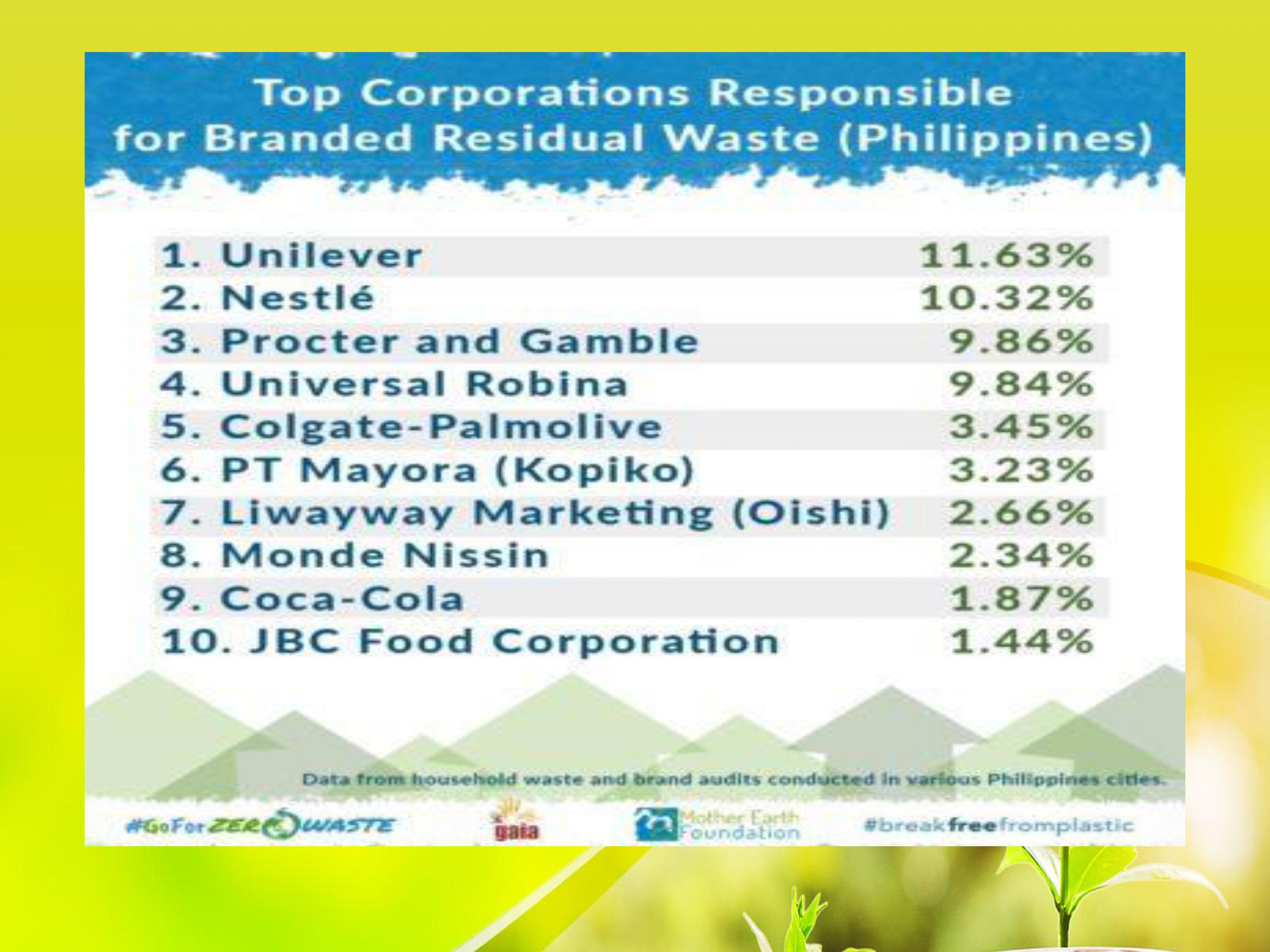
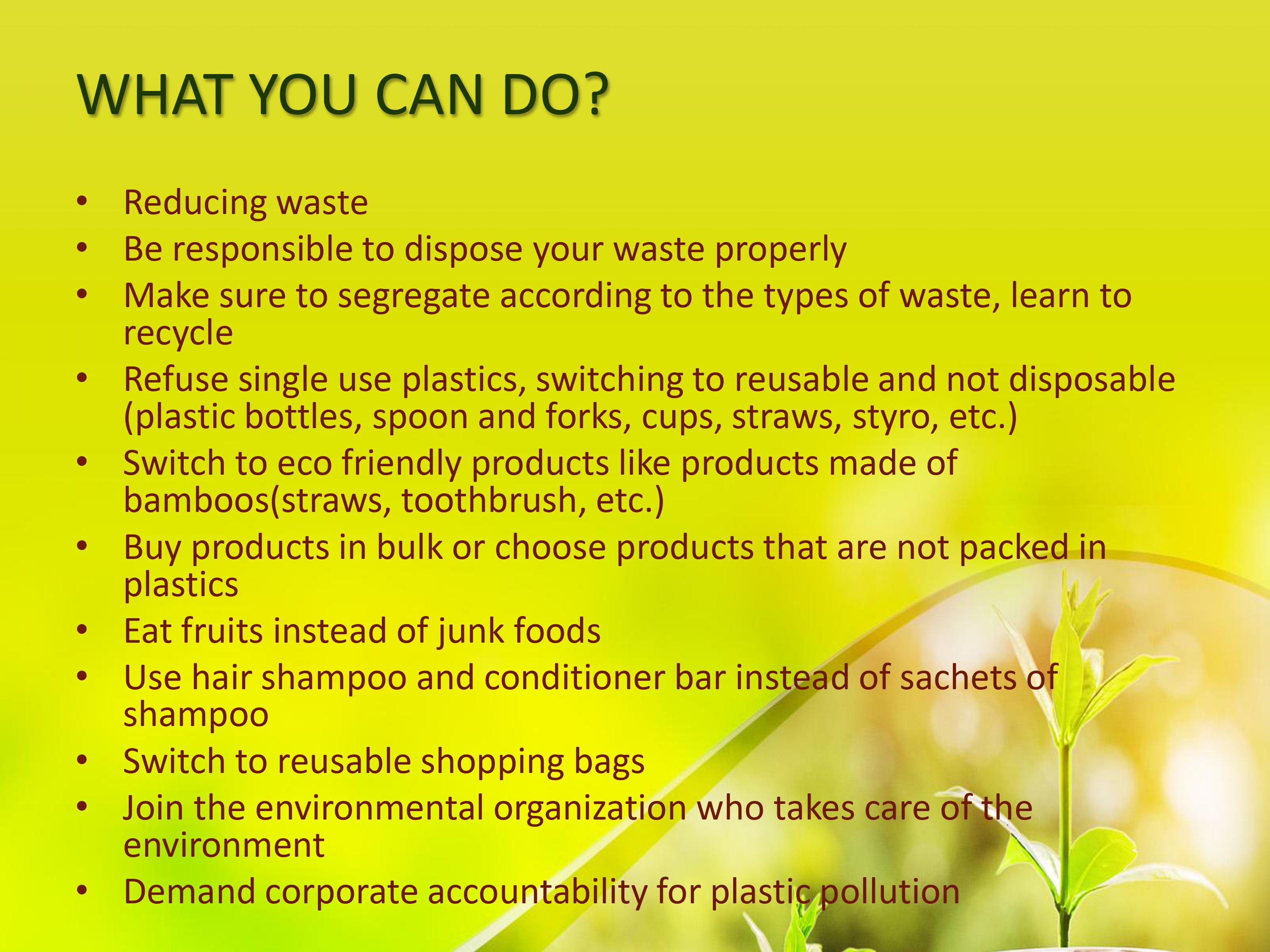
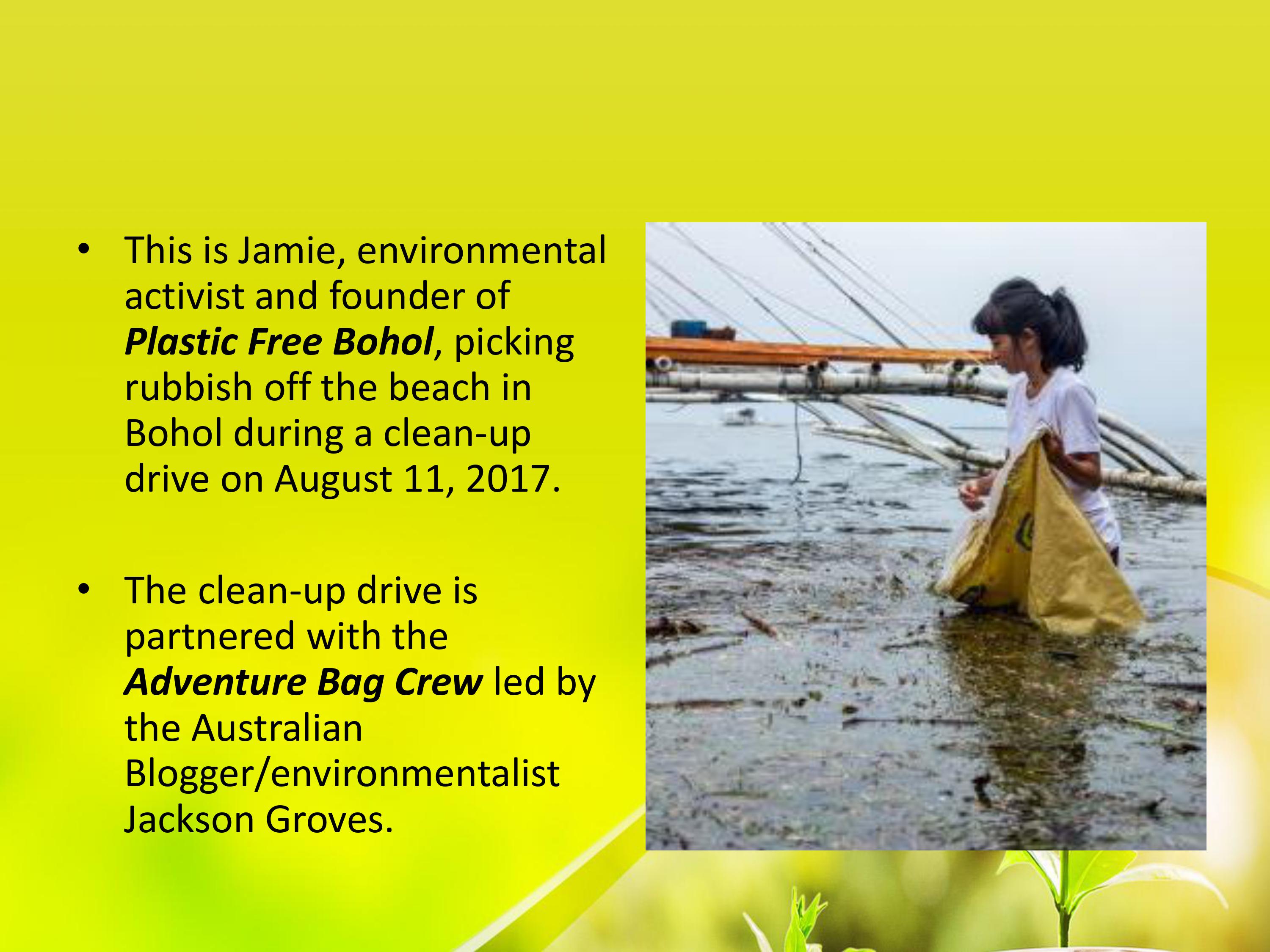
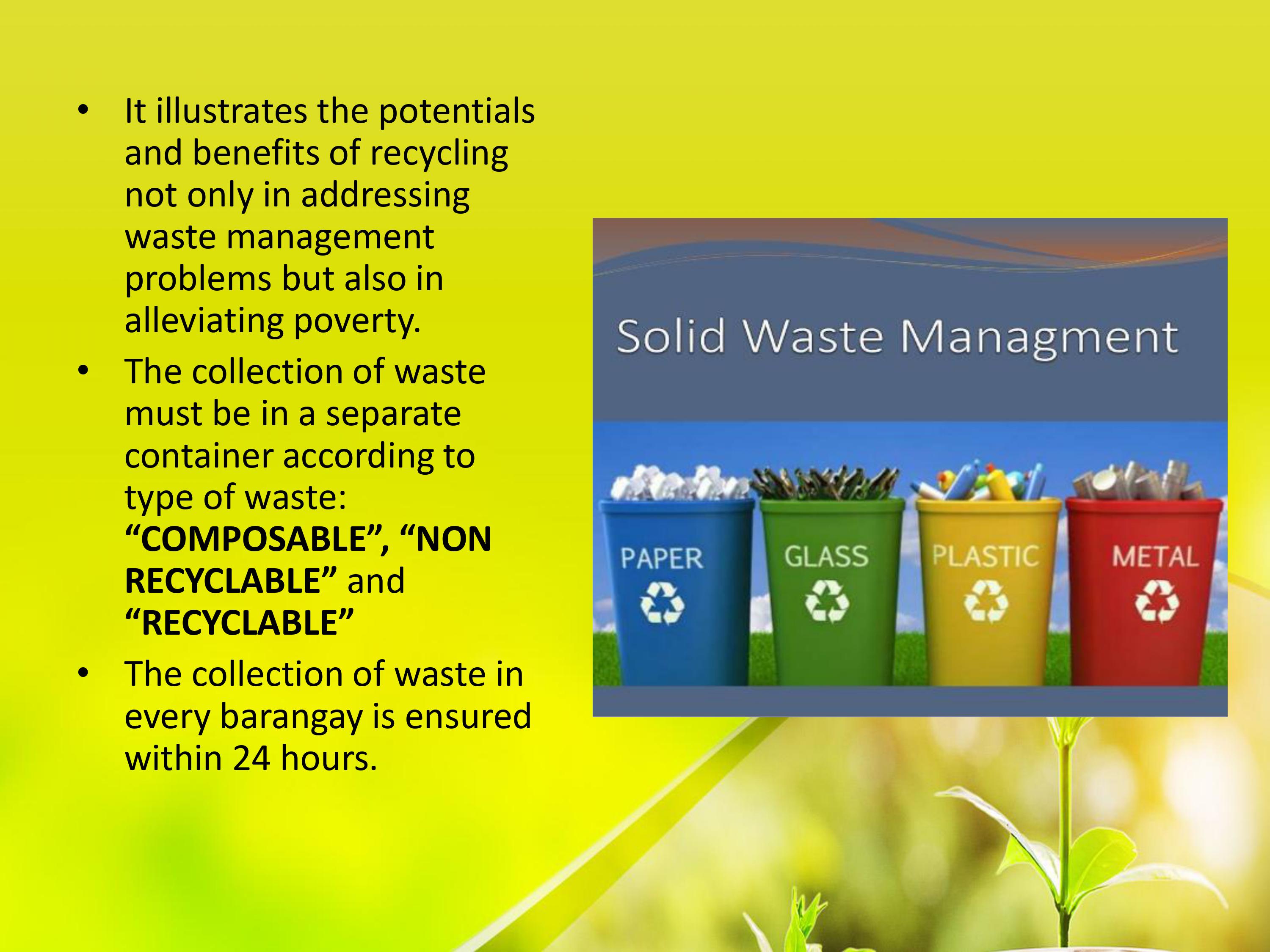
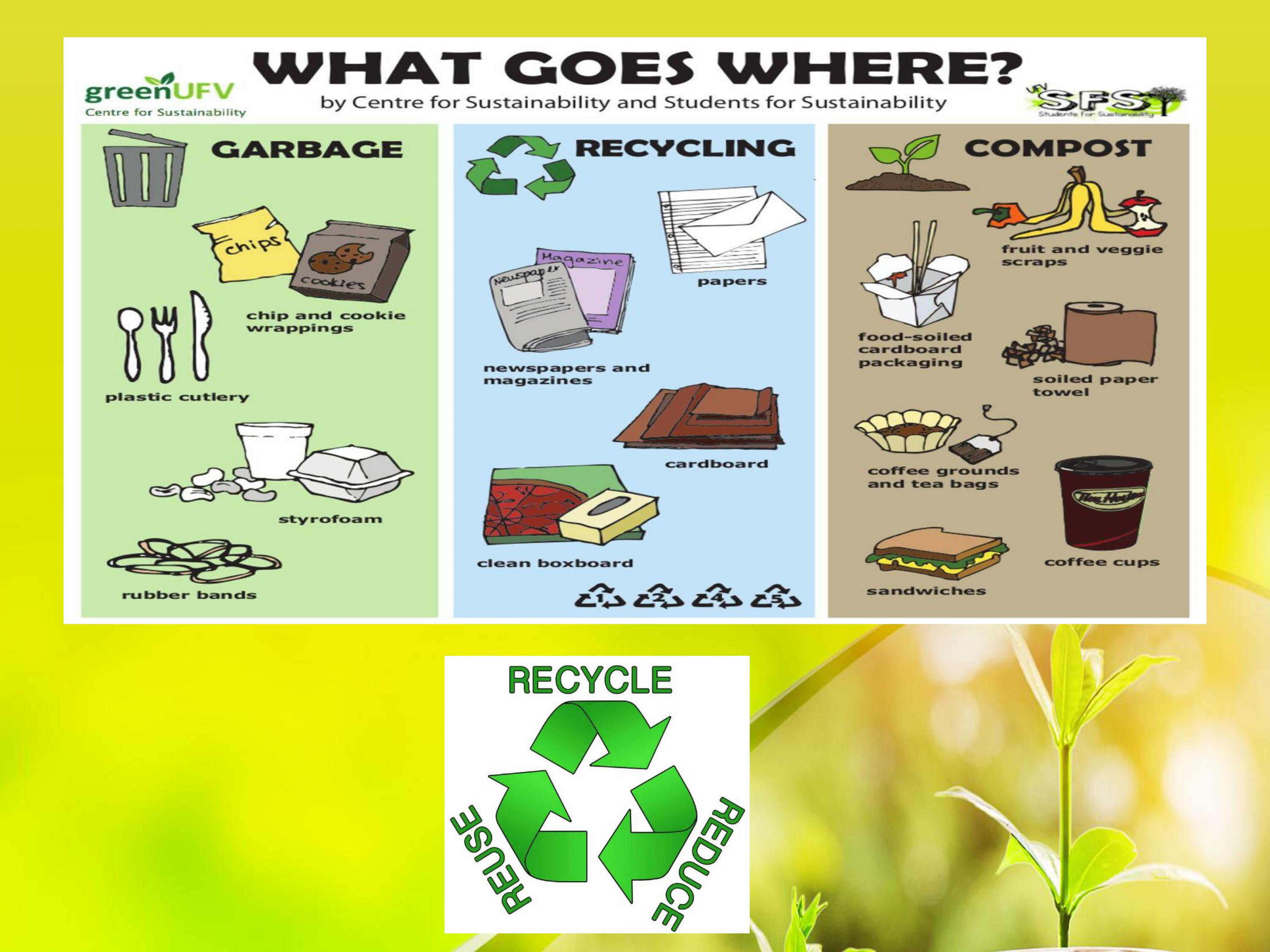
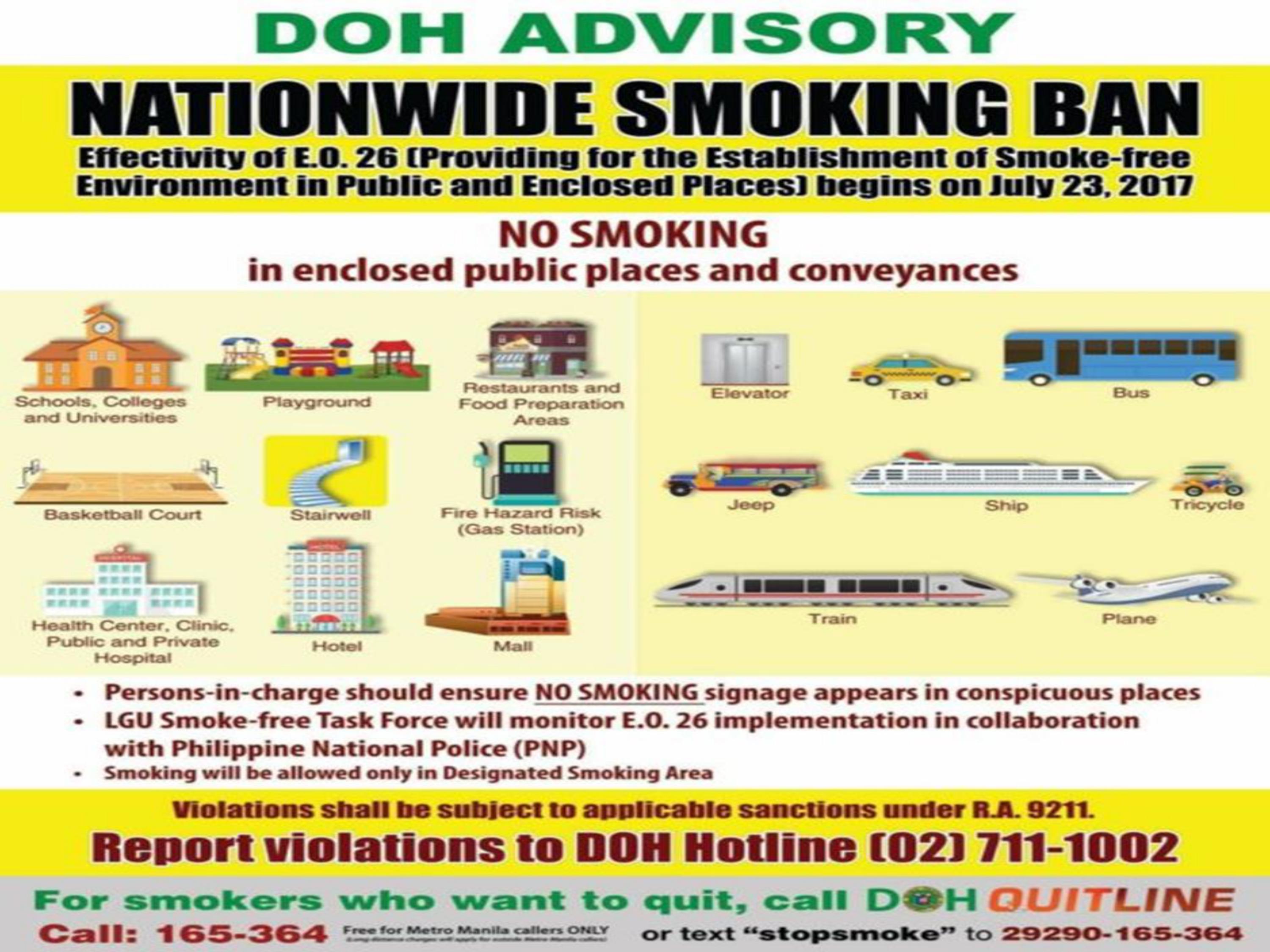
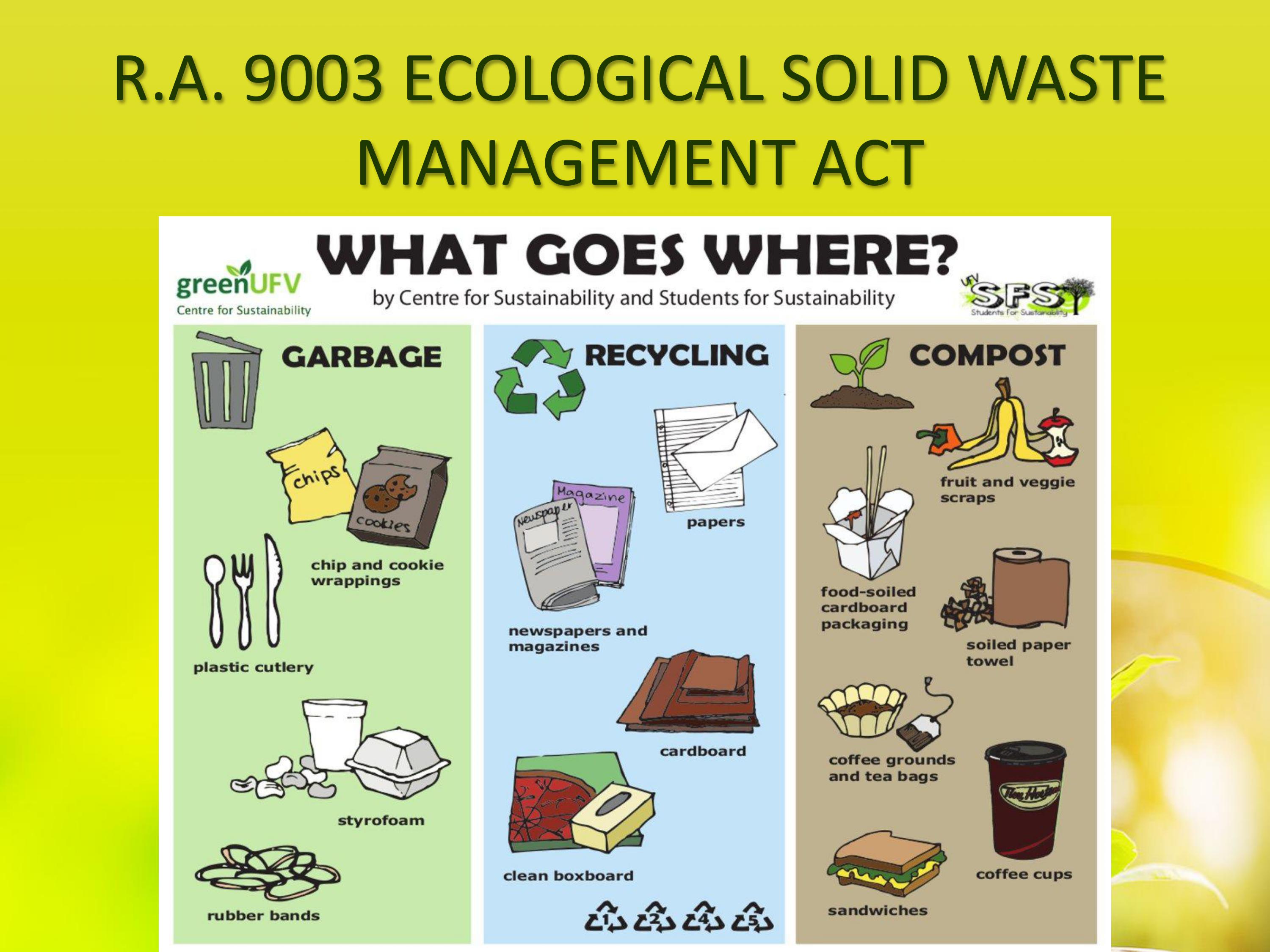
ENVIRONMENTAL GOVERNANCEThe earth is our home, and the only planet we can live in. And as citizens of the earth, are responsible to protect and take care of everything in here including the environment. The environment is everything around you including the air, water, land, plants, and the reason why we are alive. It provides us the air we breathe, the food we take, the water we drink, and many provides us many materials needed in our homes, at work and for leisure activities. . "Humans cannot survive without nature, but the nature can survive without humans", AND, are weaker if the nature is weak. . The Superior Being created Humans as the superior of all the exist, with a purpose, and that is to take care of all his creations including the environment. . Nature provides and cleans the air we breathe; they serve as the lung of the earth. . mother nature plays a huge role in the human life that we cannot tamper.IMPORTANCE OF THE ENVIRONMENT . The ecosystem in which we live provides natural services for humans and all other species that are essential to our health, quality of life and survival. . The forests are the home and habitat for other living organisms . The trees removing carbon dioxide and other pollutants from the air we breathe and helps to cool our temperatures. Protection from many disasters . They provide raw materials and resources for medicines and other purposes.If someone asked you what the biggest threats facing our environment are today, what would you answer? 4 MAJOR ENVIRONMENTAL ISSUES AND CONCERNS outlined by EPA . CLIMATE CHANGE WATER ISSUES . AIR ISSUES . WASTE AND LAND POLLUTION Each of these four areas of environmental concern is comprised of many different components, but a basic understanding of each of them will help you familiarize yourself with some of the major issues that this planet faces today.DID YOU KNOW? Antarctica is a continent and the coldest place on earth. It is covered with glacier ice that contains 30million cubic kilometers of Ice or about 97.6 percent of the continent. It's ice did not form overnight, it accumulated over millions of year. And now, the Glaciers are melting due to the increasing temperature. According to the study of American Scientists, 252 billion tons per year lost or melted and dumped into the ocean has raised global sea levels by 14millimeters since 1979. Retrieved: January 30, 2019.\f. FOSILL FUELS burning coal, oil and gas produces carbon dioxide. . Volcanic Eruption - DEFORESTATION- logging, kaingin I 9mm Currents and mining - INTENSIVE FARMING. livestock, fertilizers. ' WASTE. DISPOSAL ' MINING: \fEFFECTS OF CLIMATE CHANGE . Habitats for the animals and plants . disappearance of many species. . Sea creatures -due to oxygen and temperature . Global economy . Scarcity of resources- food shortage . Disasters . Droughts/El nino/la nina . Floods, hurricanes, storms, fires\fHeavy rainfall across the globe\f\fCLIMATE CHANGE AFFECTING THE PHILIPPINES . Philippines is the most vulnerable to disasters due to naturally warm waters even getting warmer and continue to rise. . 47% of the Country's population is in highly exposed to climate hazards such as Earthquakes, Tsunami, Floods, Tropical Cyclones and drought. . Worse El Nino loom. Dried rivers and lakes . The ocean's surface temperature increases over time from the effects of climate change, more and more heat is released into the atmosphere. This additional heat in the ocean and air can lead to stronger and more frequent storms - which is exactly what we've seen in the Philippines over the last decade.CLIMATE CHANGE PREVENTION 1. Renewable energies- move away from fossil fuels. Switch to renewable energies like solar, wind, biomass and geothermal. 2. Energy & water efficiency. Producing clean energy is essential, but reducing our consumption of energy and water by using more efficient devices (e.g. LED light bulbs, innovative shower systems) 3. Sustainable transportation. Promoting public transportation, carpooling, but also electric and hydrogen mobility, can definitely help reduce CO, emission 4. Sustainable infrastructure. reduce the CO, emissions from buildings caused by heating, air conditioning, hot water or lighting - build new low energy buildings, and to renovate the existing constructions. 5. Sustainable agriculture & forest management. Encouraging better use of natural resources, stopping massive deforestation as well as making agriculture greener and more efficient should also be a priority 6. Responsible consumption & recycling. Adopting responsible consumption habits is crucial, be it regarding food (particularly meat), clothing, cosmetics or cleaning products. Last but not least, recycling is an absolute necessity for dealing with waste.PHILIPPINE CLIMATE CHANGE ACT OF 2009 (R.A 9729) . Philippines' Response to the World's Changing Condition . aims to mainstream climate change into government policy formulations on climate change and creates Commission . The Climate Change Commission is headed by the President . Afford full Protection and Advancement of right of the people to healthful ecology . Fulfill human needs while maintaining quality of natural environment for current and future generations Recognition of vulnerability of local communities and sectors: The poor, women and childrenNational Framework Strategy CLIMATE CHANGE on Climate Change Increasing temperatures Changing rainfall patterns Sea level rise Extreme weather events IMPACTS AND VISION: VULNERABILITY CLIMATE PROCESS DRIVERS A climate risk-resilient Philippines with . Ecosystems {River Basins, Coastal . Energy & Marine, Biodiversity) . Transport healthy, safe, prosperous and self-reliant . Food security . Land Use Change & Forestry communities, and thriving and productive . Water resources . Agriculture . Human health . Waste ecosystems . Infrastructure . Energy SUSTAINABLE . Human society DEVELOPMENT SOCIETY ENVIRONMENT Goal: To build the adaptive capacity of communities and increase the resilience of natural ecosystems to climate change, and ECONOMY optimize mitigation opportunities towards sustainable development. MITIGATION ADAPTATION Enhanced Vulnerability and Adaptation Assessments Energy Efficiency & Conservation . Integrated Ecosystem-Based Management Renewable Energy Climate-Responsive Agriculture . Environmentally-Sustainable Water Governance & Management Transport Climate-Responsive Health Sector . Sustainable infrastructure Disaster Risk Reduction & Management . National REDD+ Strategy Climate-proofing of Infrastructure . Waste Management Capacity Knowledge IEC & Gender Research & Development ! Multi-stakeholder Financing Valuation Policy, Planning & Development Management Advocacy Mainstreaming Technology Transfer Partnerships Mainstreaming CROSS-CUTTING STRATEGIES MEANS OF IMPLEMENTATIONCLIMATE CHANGE IMPACTS AND VULNERABILITIES Ecosystems Energy Food Water Health Human Society Infrastructure Capacity Development Multi-Stakeholder Partnerships ADAPTATION Knowledge Enhanced Vulnerability and MITIGATION Management Adaptation Assessments Energy Efficiency & Conservation Integrated Ecosystem-Based Sustainable Infrastructure Financing Management Renewable Energy IEC and Advocacy Climate-Responsive Agriculture Environmentally-Sustainable Water Governance & Management Transport Climate-Responsive Health Sector National REDD+ Strategy Valuation Research and Disaster Risk Reduction & Met Waste Management Development/ Climate-Proofing Infrastructure Technology Transfer Policy, Planning and GOAL Mainstreaming Gender Mainstreaming To build the adaptive capacity of communities CROSS-CUTTING and increase the resilience of natural ecosystems MEANS OF to climate change, and optimize mitigation IMPLEMENTATION opportunities towards sustainable development.\f\fWATER POLLUTION - Is the contamination of water bodies, usually as a result of human activities. - Water bodies: lakes, rivers, oceans, aquifers and groundwater are drowning in chemicals, waste, plastic and other pollutants. - It is jeopardizing our health. The unsafe water kills more people each year than war and all other forms of violence combined. - In the Philippines, 9 million Filipinos rely on unsafe water supplies. It kills 55 Filipinos every day. - we face shortage of water for sanitation, drinking, agriculture and industrial purposes and in the next years. - It threatens not just the life of humans but the animals and plants. - The country's 50 rivers are considered dead and unable to support any . Water is essential for life to exist; humans, animals, plants needs water to survive, yet we pollute it. Without water, life cannot be sustained.Causes of Water Pollution Human activity is primarily responsible for water pollution, . caused 1.8 million deaths in 2015 and unsafe water sickens billions of people. . lot of diseases like cholera, skin infection and typhoid from drinking contaminated water . Reduce oxygen levels in the water that could be harmful and suffocates plants and animals in the water. . Harmful chemicals damage the skin and eyes of the fish . It rams biodiversity and aquatic ecosystems . Lacking drinkable waters and shortage for sanitation, agriculture and other purposes. . Chemicals, microplastics, and microfibers is hard to filter and the body could take it.WHAT CAN YOU DO TO FIGHT THE WATER POLLUTION? . Be aware of the health and economic impacts of water pollution and use your knowledge to teach others and speak out in support of the Clean Water Rule . Keep our surroundings clean. Do not litter. . Save water- irresponsible water usage can lead to shortage supply . Minimize Chemical use. Properly dispose chemical cleaners, oils, and non-biodegradable items to keep them from ending up down the drain practice ecological living; use organic bar soaps and shampoos with no chemicals, practice sustainable living and be minimalist. . Join volunteering in Clean-up efforts, pick trashes and keep trash out of the water. Refuse single use plastics/reduce plastic consumption (disposable spoon and fork, plastic cups, etc.) and switch to reusables instead of disposables. . Call out the industries accountable for polluting the water bodies. . Join the environmental organizations that campaigns to save the environment.PHILIPPINE CLEAN WATER ACT OF 2004 (R.A 9275) . the DENR is the primary Agency responsible for the Implementation . Provide a Comprehensive Water Quality Management . The law aims to protect the country's water bodies from pollution . Aims to engage local governments, communities, and the private sector to work together to solve the nation's water pollution . To protect, preserve and revive the quality of our fresh, brackish and marine waters.PROHIBITED ACTS 1.Operating facilities that discharge regulated water pollutants without valid required permits 2. Disposal of potentially infectious medical waste into seas water by vessels 3.Unauthorized transport or dumping into sea waters of sewage sludge or solid waste 4. Transport, dumping or discharge of prohibited chemicals, substances or pollutants 5. Refusal to allowed entry, inspection and monitoring by the Department 6. Refusal to allow access by the Deparment to relevant reports and records 7. Refusal or failure to designate pollution control officers 8. Directly using booster pumps in the distribution system or tampering with the water supplyFINES, DAMAGES AND PENALTIES 1. Vioaltion of the Provisions FINE - not less than P10,000.00 nor more than P200,000.00 /day violation. - Increased by 10% every 2 years 2. Failure to undertake clean-up operations, willfully or through gross negligence. Imprisonment - not less than 2 yrs and not more than 4 years. FINE-not less than P100,000.00/day 3. If it will result in serious injury or loss of life and/or irreversible water contamination of surface round, coastal and marine water. Imprisonment -not less than 6 years and 1 day an not more than 12 yrs. FINE -500,000.00 per day for each day.\fBreathing a clean air is our rights. Unfortunately, we pollute the air that contains oxygen which is essential component for life on earth. Without air, earth would be just like lifeless like other planet. WHAT IS AIR POLLUTION? . It occurs when harmful or excessive quantities of substances are introduced into Earth's atmosphere.. There are million of tons of Carbon dioxide in the atmosphere that contributes to Climate Change . World Health Organization (WHO) report in 2018 indicates that there were around 45.3 deaths per 100,000 individuals and ranks third highest cases of death due to air pollution . In the Asia Pacific region, Philippines also ranks second in indoor air pollutionCAUSES OF AIR POLLUTION . car and truck exhaust, factories, dust, pollen, mold spores, volcanoes and wildfires. . The leading contributor to air pollution is vehicle emission. Burning of toxic waste, fires, smokes . carbon emissions from the manufacturing and agricultural sectors. . Burning fossil fuels releases gases and chemicals into the airEFFECTS OF AIR POLLUTION . air pollution can cause short-term problems such as sneezing and coughing, eye irritation, headaches, and dizziness. . lung cancer, stroke, pulmonary disease and acute respiratory infections such as pneumonia. . It can cause blood disorders, lung problems, eye and skin irritation Can cause Respiratory Disease, Cardiovascular Disease, cancer . Can cause Memory problems and Alzheimer's like brain declines.WHAT CAN WE DO? Plant more trees . Do not smoke Campaign against air pollution . Best if your electricity powered by solar or wind . Reduce use of electricity, use natural light from the sun . . Reduce of using vehicles if possible, use the carpooling or public . Do not burn garbage and lessen consumption of the non-biodegradable products . Phase out old air polluting vehicle and use greener vehicles powered by electric and solar. transportation or use bikes. Always clean and maintain your vehicles . Eat a plant-based diet, and less meat that produce greenhouse emissions Support leaders who push for clean air and responsible steps on climate change . Campaign to more renewable energy and replacing gasoline fueled cars with zero-emissions vehicles such as electric ones.PHILIPPINE CLEAN AIR ACT OF 1999 (R.A. 8749) created to protect human health and the environment but more needs to be done to curtail the activities releasing pollutants into the air. . aims to achieve and maintain healthy air for all Filipinos . Vehicles like cars, trucks, buses, jeepneys, tricycles, motorcycles, and vans must comply to the quality standards . Promote and protect the global environment while recognizing the primary responsibility of local government units to deal with environmental problems Recognize the right of the people to breathe clean air and that "polluter must pay" . Recognize that the clean and healthy environment is for the good of all and should therefore be the concern of all. . Prohibiting smoke belching vehicles Complete phase out of leaded gasoline . Smoking is banned inside a public building, enclosed public vehicles, and private residences\fHave you ever realized how much products we consumed everyday and how many have been decomposed or recycled? Where does it goes then? The overflowing waste we produce everyday everywhere around the world without proper disposal causes many different pollution such as air, water and soil pollution. -Improper disposal of waste has huge environmental impacts and can cause serious problems. -some waste will eventually decompose, but not all.TYPES OF WASTE IN YOUR HOUSEHOLD 1. LIQUID WASTE. This waste includes dirty water, organic liquids, wash water, waste detergents and even rainwater 2. SOLID RUBBISH. PLASTIC WASTE- consists of bags, containers, jars, bottles etc. Plastic is not biodegradable, but many types of plastic can be recycled. Plastic should not be mix in with your regular waste, it should be placed in your recycling bin PAPER/CARD WASTE. packaging materials, newspapers, cardboards and other products. Paper can easily be recycled and reused TINS AND METALS-Most metals can be recycled. CERAMICS AND GLASS- These items can easily be recycled. 3. ORGANIC WASTE- All food waste, garden waste, manure and rotten meat are classified as organic waste. Over time, organic waste is turned into manure by microorganisms. 4. HAZARDOUS WASTE. - includes all types of rubbish that are flammable, toxic, corrosive and reactive.TOP COUNTRIES WORST PLASTIC POLLUTERS The Countries Polluting The Oceans The Most Annual metric tons of mismanaged plastic waste and total amount ending up in global waters* Mismanaged plastic waste Plastic marine debris China 8.80m 3.53m Indonesia 3.20m 1.29m Philippines 1.90m . 0.75m Vietnam * 1.80m . 0.73m Sri Lanka 1.60m . 0.64m Egypt 1.00m . 0.39m Thailand 1.00m . 0.41m Malaysia 0.90m . 0.37m Nigeria 0.90m S . 0.34m Bangladesh 0.80m . 0.31m Brazil 0.50m . 0.19m United States 0.30m . 0.11m Cc * Generated in 2010 (selected countries) @StatistaCharts Source: The Wall Street Journal statistaTop Corporations Responsible for Branded Residual Waste (Philippines) 1. Unilever 11.63% 2. Nestle 10.32% 3. Procter and Gamble 9.86% 4. Universal Robina 9.84% 5. Colgate-Palmolive 3.45% 6. PT Mayora (Kopiko) 3.23% 7. Liwayway Marketing (Oishi) 2.66% 8. Monde Nissin 2.34% 9. Coca-cola 1.87% 10. JBC Food Corporation 1.44% Data from household waste and brand audits conducted in various Philippines cities. #GoFor ZEROWASTE Mother Earth gala Foundation #break freefromplasticWHAT YOU CAN DO? . Reducing waste . Be responsible to dispose your waste properly . Make sure to segregate according to the types of waste, learn to recycle . Refuse single use plastics, switching to reusable and not disposable (plastic bottles, spoon and forks, cups, straws, styro, etc.) . Switch to eco friendly products like products made of bamboos(straws, toothbrush, etc.) . Buy products in bulk or choose products that are not packed in plastics Eat fruits instead of junk foods . Use hair shampoo and conditioner bar instead of sachets of shampoo . Switch to reusable shopping bags . Join the environmental organization who takes care of the environment . Demand corporate accountability for plastic pollution. This is Jamie, environmental activist and founder of Plastic Free Bohol, picking rubbish off the beach in Bohol during a clean-up drive on August 11, 2017. . The clean-up drive is partnered with the Adventure Bag Crew led by the Australian Blogger/environmentalist Jackson Groves.SOME ENVIRONMENTAL ORGANIZATIONS IN THE PHILIPPINES YOU CAN JOIN . If you want to go beyond being an environmentally responsible citizen/traveler, then why not volunteer for these environmental organizations in the Philippines: . GREENPEACE PHILIPPINES . Earth Island Institute . Adventure Bag Crew . Haribon Foundation . Saves the Philippines Sea . Waves for water . World Wide Fund for . Mother Earth Foundation Nature . Philippines Biodiversity . Waves for Water Conservation Foundation . Earth Day Everyday- . Marine Wildlife Watch of Philippines the PhilippinesEcological Solid Waste Management Act of 2000 (R.A. 9003) . This is in response to the looming garbage problems in the country. . declares the policy of the state in adopting a systematic, comprehensive and ecological solid waste management program that ensures the protection of public health and the environment and the proper segregation, collection, transport, storage, treatment and disposal of solid waste through the formulation and adaptation of best environmental practices. It illustrates the potentials and benefits of recycling not only in addressing waste management problems but also in alleviating poverty. Solid Waste Managment . The collection of waste must be in a separate container according to type of waste: a "COMPOSABLE", "NON PAPER GLASS PLASTIC METAL RECYCLABLE" and "RECYCLABLE" The collection of waste in every barangay is ensured within 24 hours.WHAT GOES WHERE? greenUFV SFS Centre for Sustainability by Centre for Sustainability and Students for Sustainability GARBAGE RECYCLING COMPOST Fchip's fruit and veggie Magazine scraps Newspaper cookies papers chip and cookie wrappings food-soiled cardboard newspapers and packaging magazines soiled paper plastic cutlery towel cardboard coffee grounds and tea bags styrofoam clean boxboard coffee cups rubber bands sandwiches RECYCLE REUSE REDUCE"I'm lighter than air, but a thousand people couldn't lift me if they tried. What am I?"DOH ADVISORY NATIONWIDE SMOKING BAN Effectivity of E.O. 26 [Providing for the Establishment of Smoke-free Environment in Public and Enclosed Places] begins on July 23, 2017 NO SMOKING in enclosed public places and conveyances Restaurants and Schools, Colleges Playground Elevator Taxi Bus Food Preparation and Universities Areas Jeep Basketball Court Stairwell Fire Hazard Risk Ship Tricycle (Gas Station) RARE RRER RRER 1090 Health Center, Clinic. KTHEENT Train Plane Public and Private Hotel Mall Hospital Persons-in-charge should ensure NO SMOKING signage appears in conspicuous places LGU Smoke-free Task Force will monitor E.O. 26 implementation in collaboration with Philippine National Police (PNP) Smoking will be allowed only in Designated Smoking Area Violations shall be subject to applicable sanctions under R.A. 9211. Report violations to DOH Hotline (02) 711-1002 For smokers who want to quit, call DOH QUITLINE Call: 165-364 Free for Metro Manila callers ONLY or text "stopsmoke" to 29290-165-364R.A. 9003 ECOLOGICAL SOLID WASTE MANAGEMENT ACT WHAT GOES WHERE? greenUFV by Centre for Sustainability and Students for Sustainability SFS Centre for Sustainability ents for Si GARBAGE RECYCLING COMPOST chips fruit and veggie Magazine scraps Newspaper cookies papers chip and cookie wrappings food-soiled cardboard newspapers and packaging magazines soiled paper towel plastic cutlery cardboard coffee grounds and tea bags styrofoam clean boxboard coffee cups rubber bands sandwichesEfficient and effective waste management is best achieved at household levels
Step by Step Solution
There are 3 Steps involved in it
1 Expert Approved Answer
Step: 1 Unlock
Question Has Been Solved by an Expert!
Get step-by-step solutions from verified subject matter experts
Step: 2 Unlock
Step: 3 Unlock
Students Have Also Explored These Related Accounting Questions!









 Study Help