







Question: Of all the price analysis methodologies that exist, which are the foundational methods. Longing & Shorting. Trading & Investing. Volume & sentiment. On-chain &
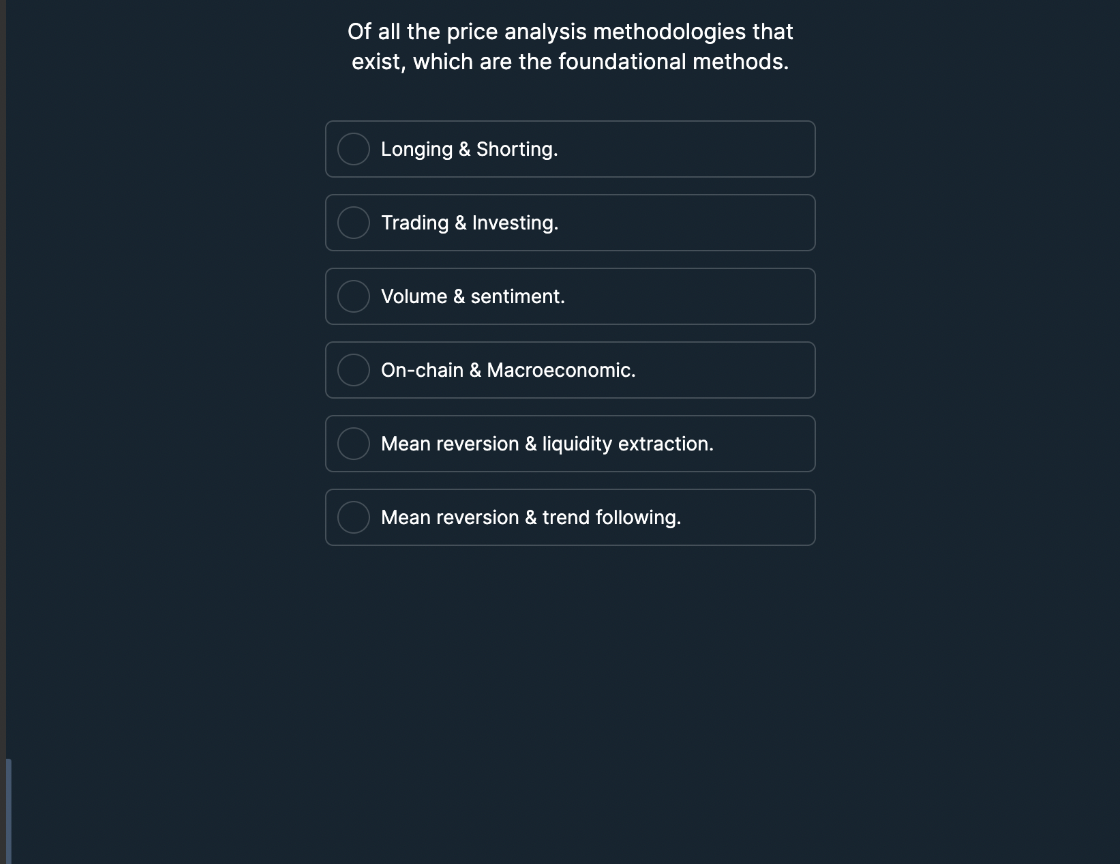
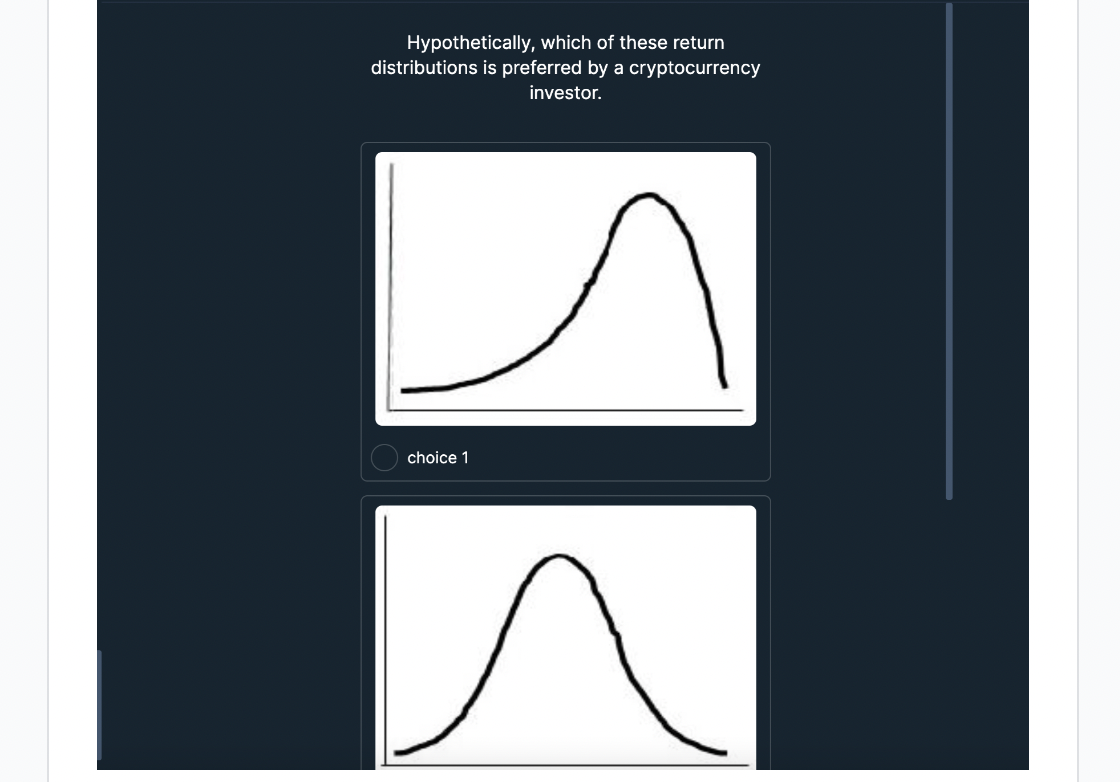
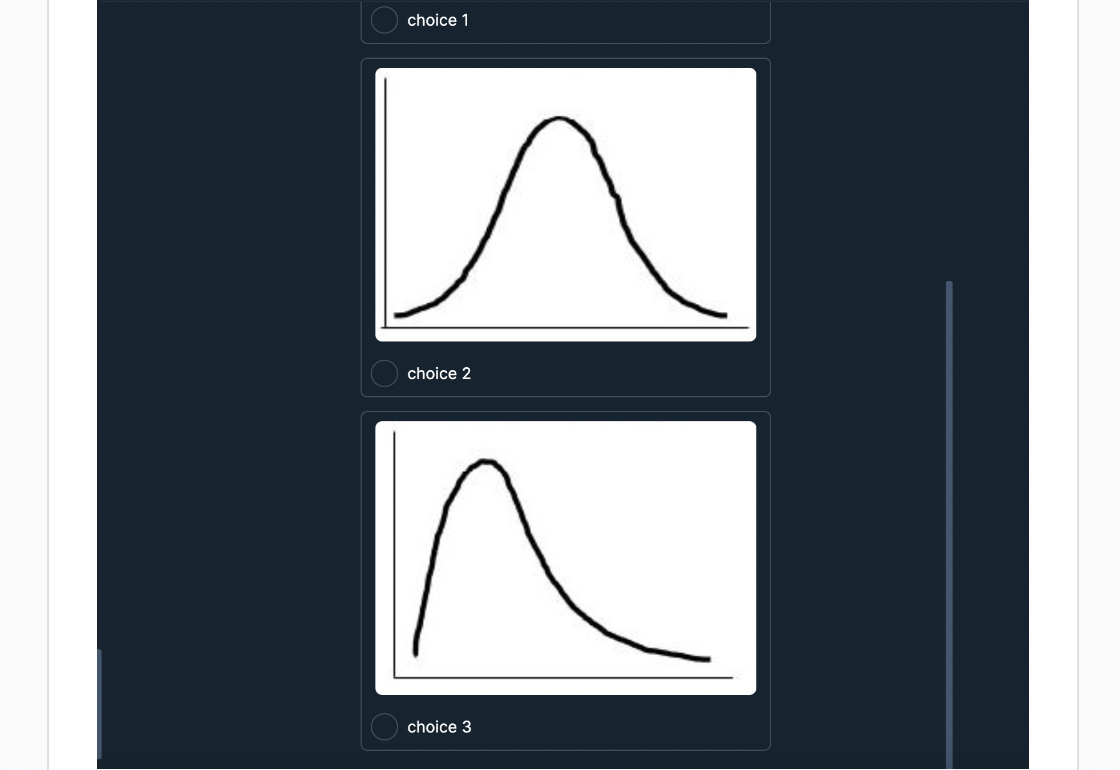
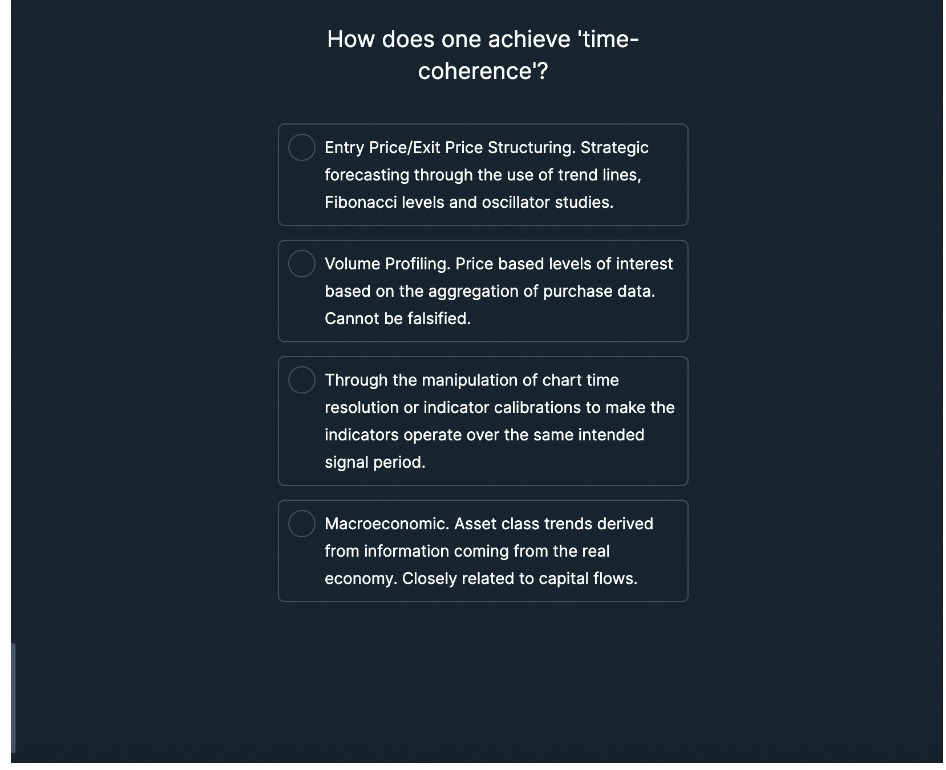
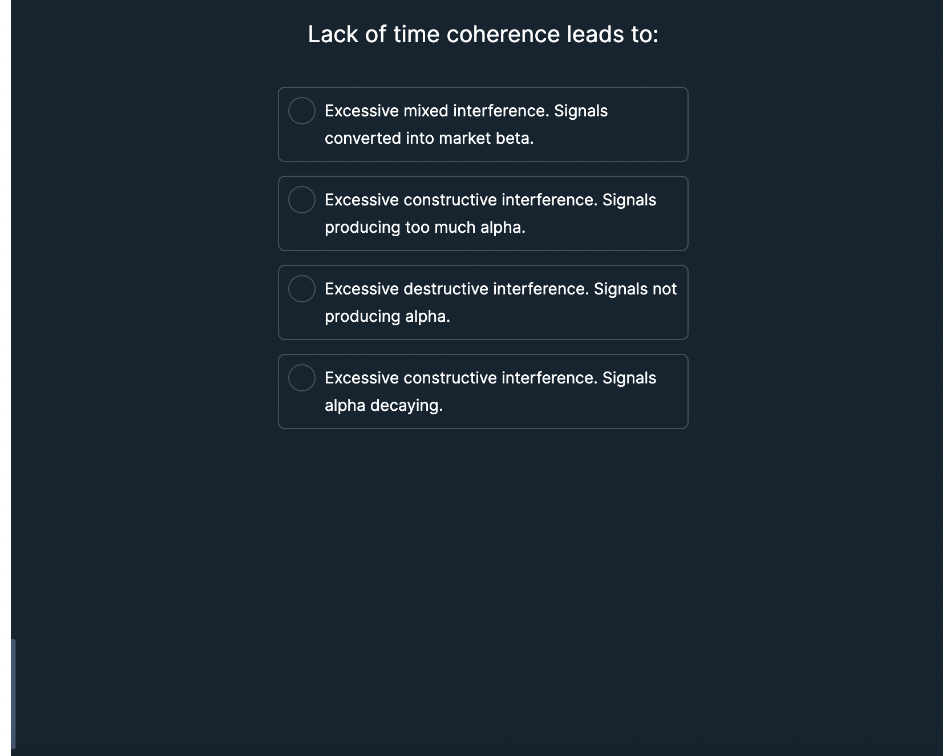
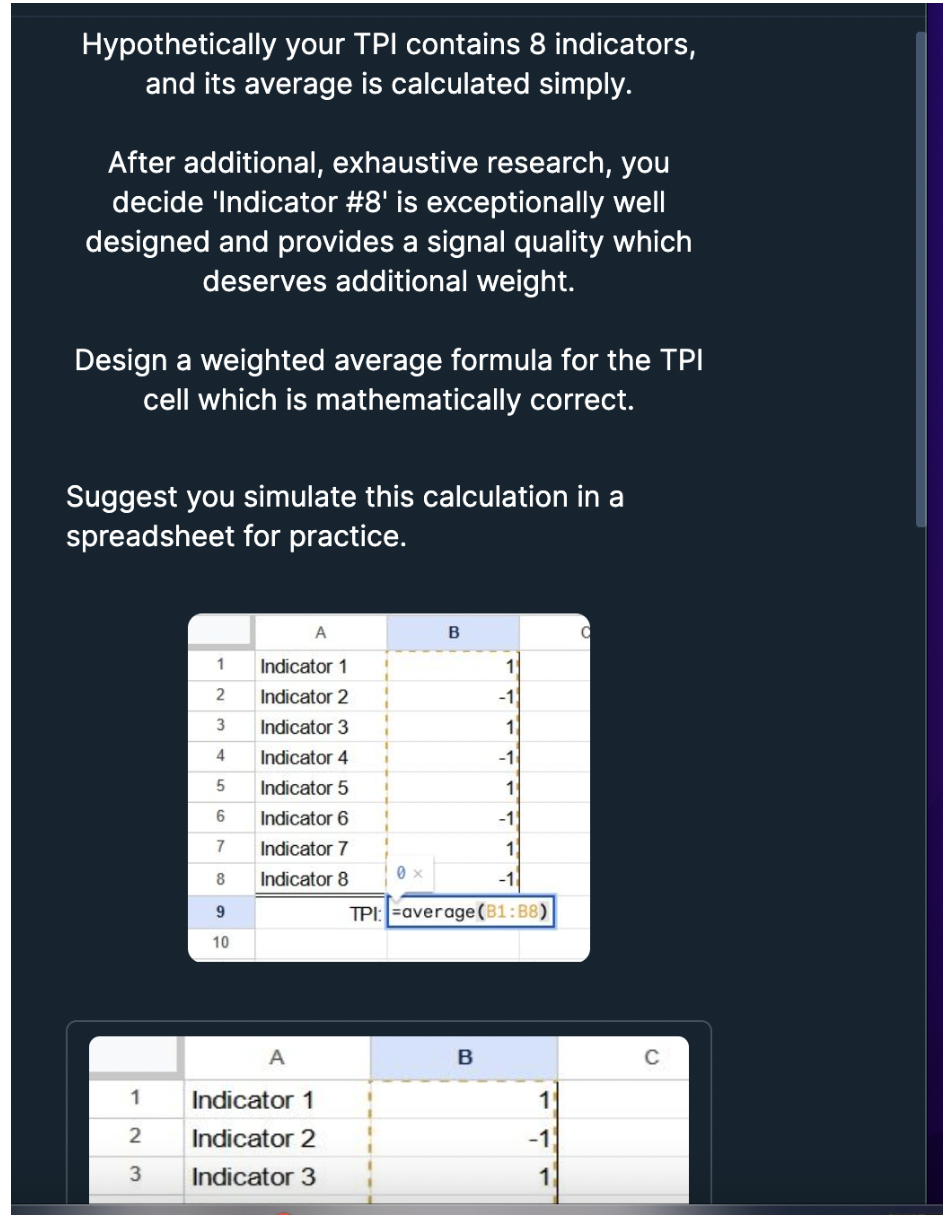
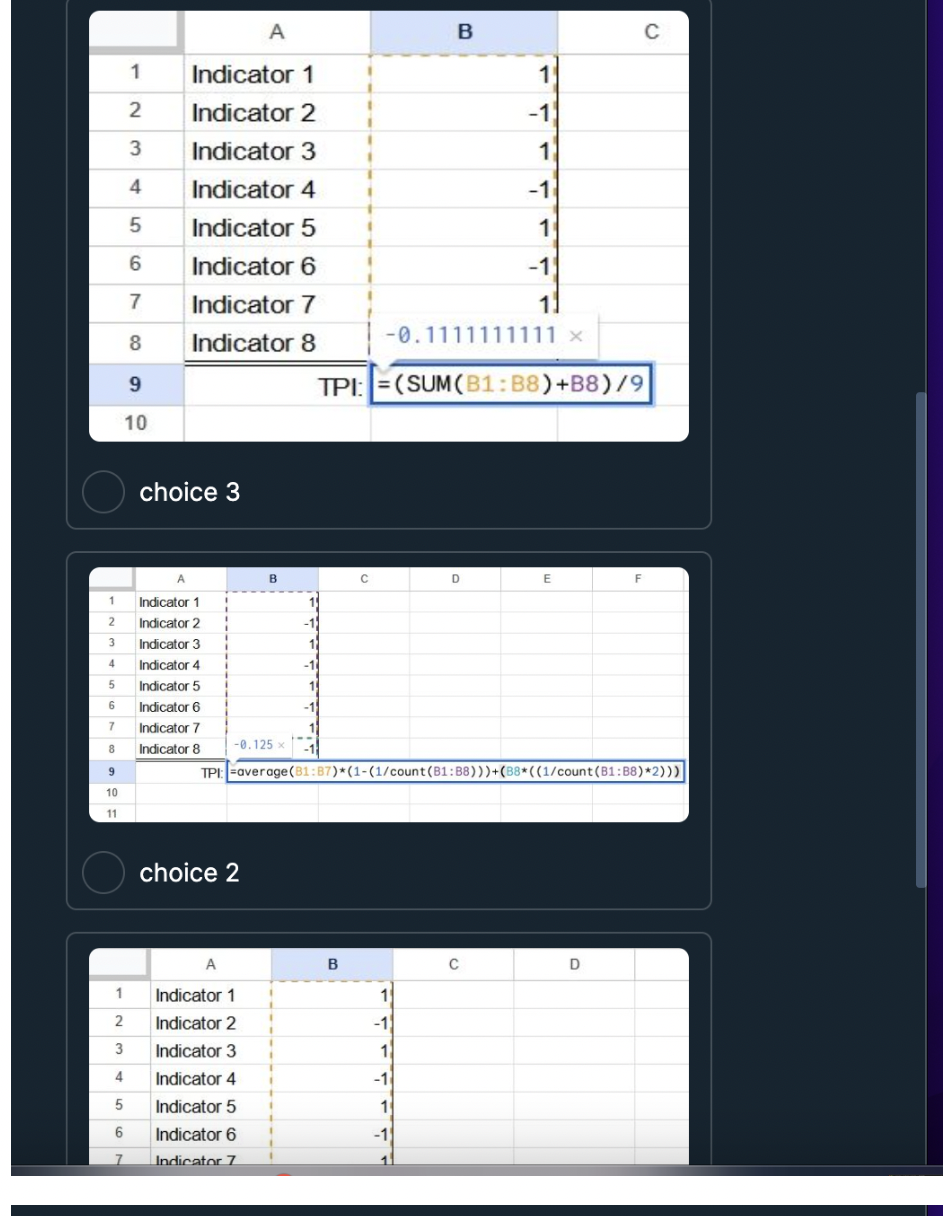
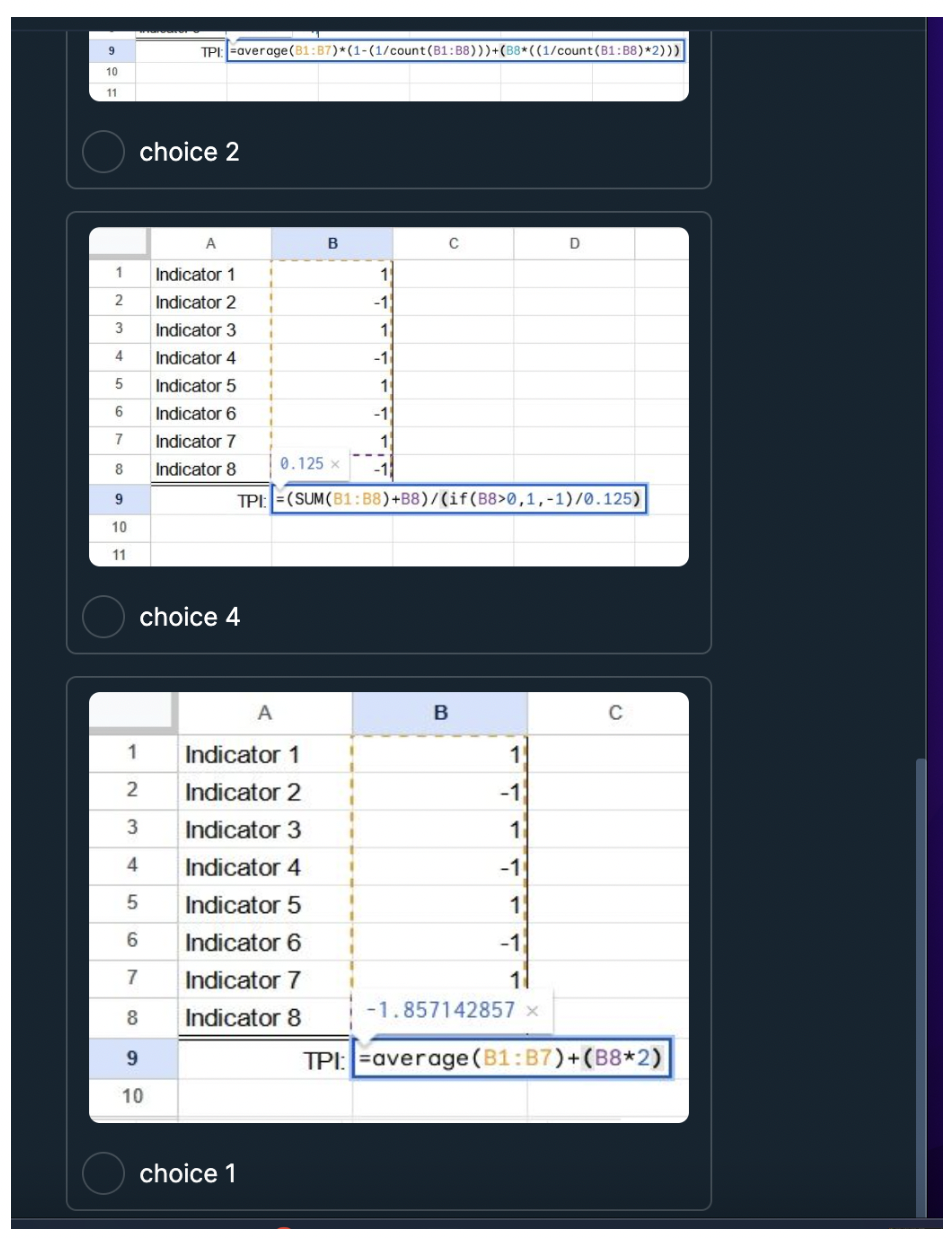
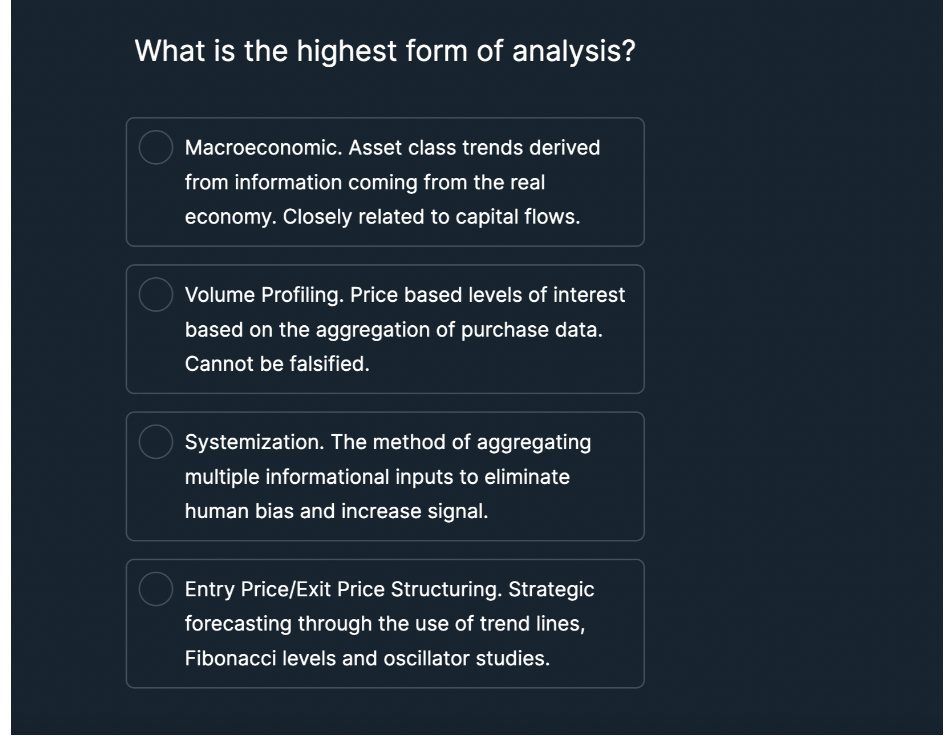
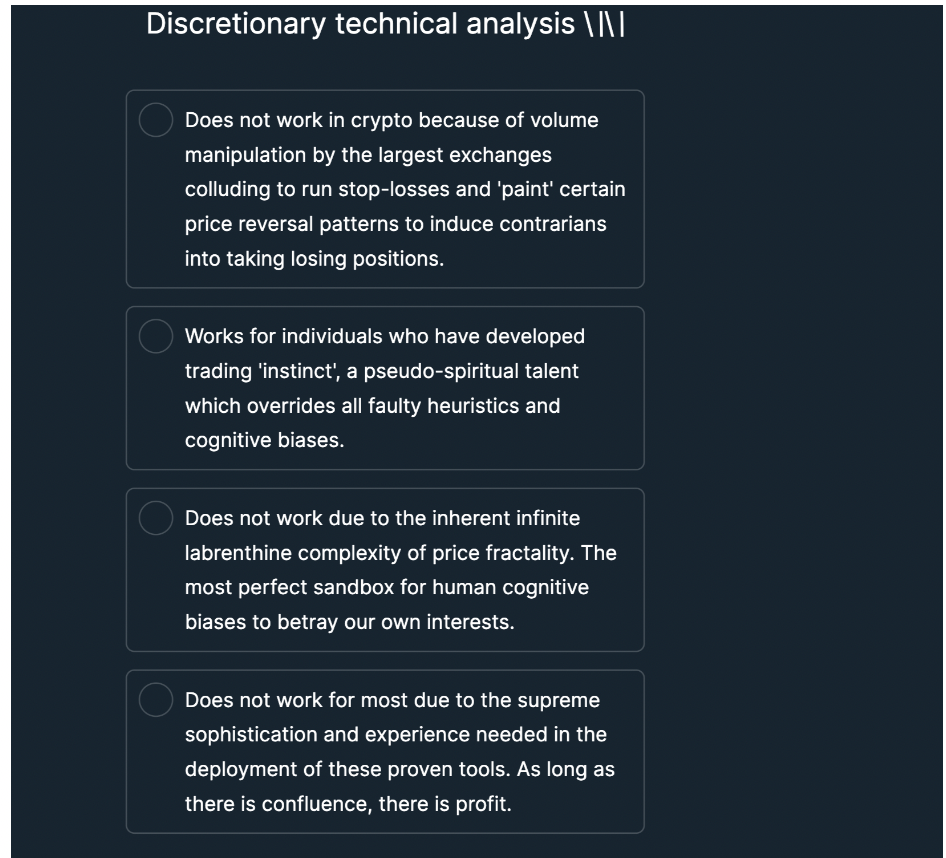
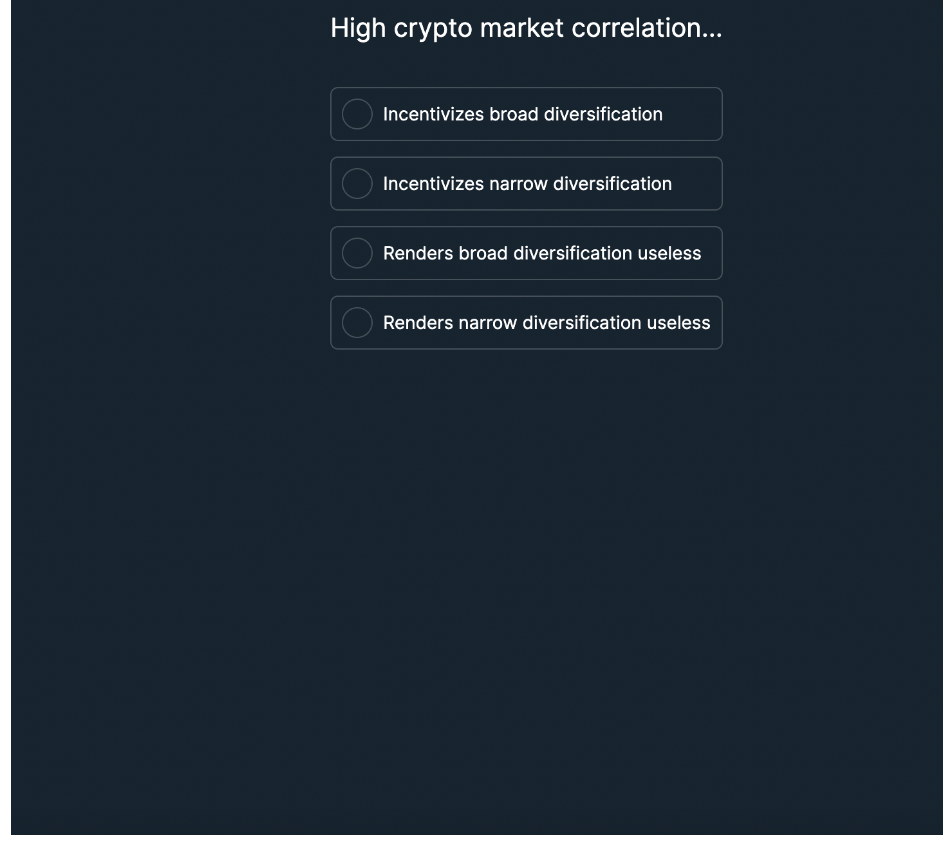
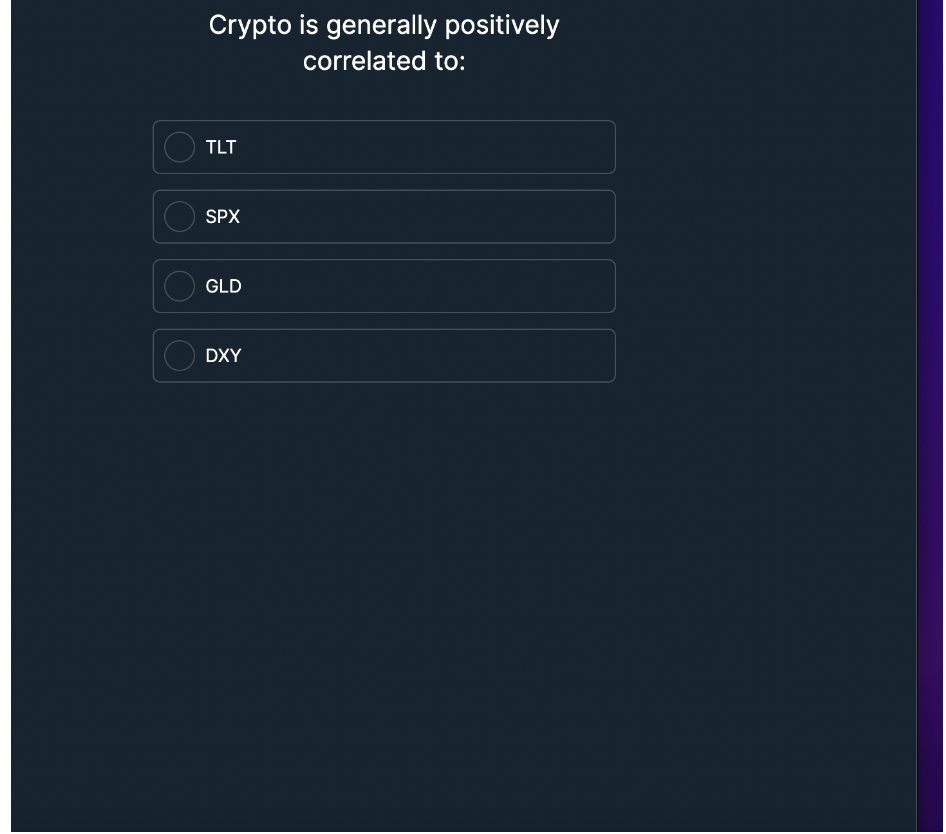
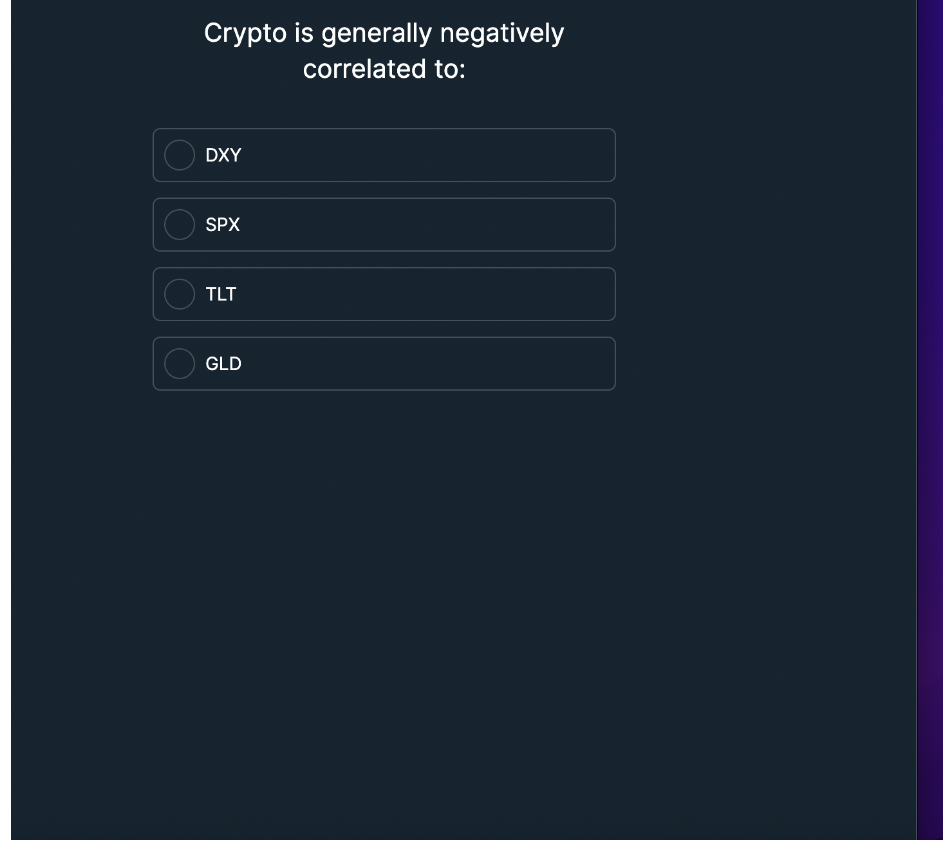
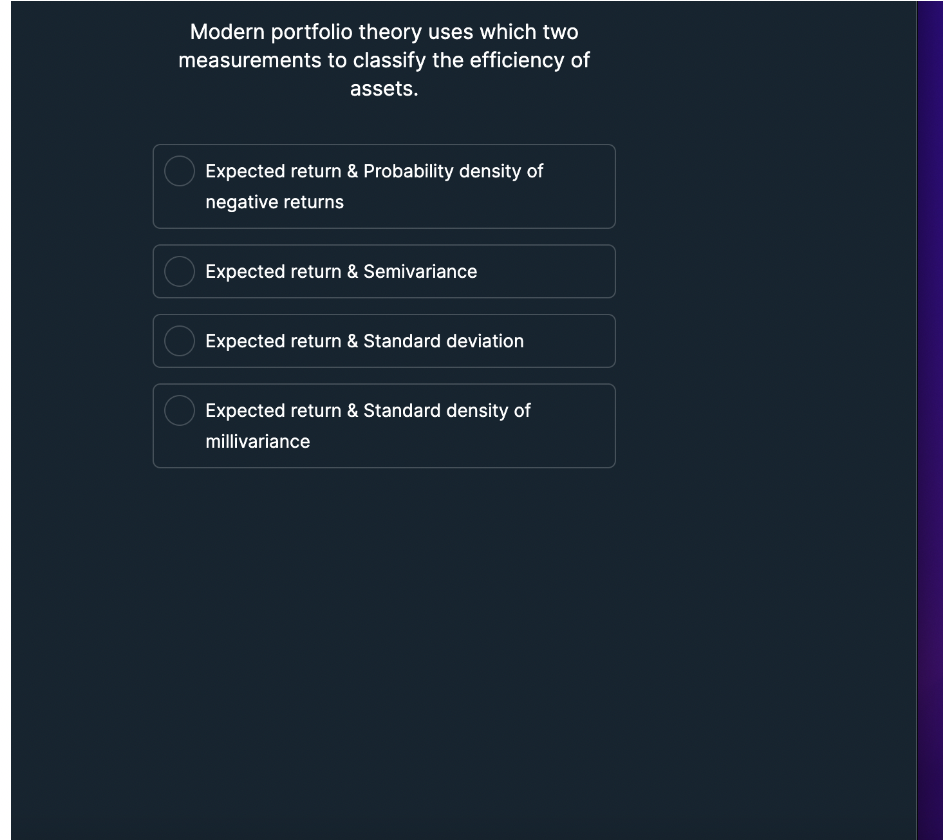
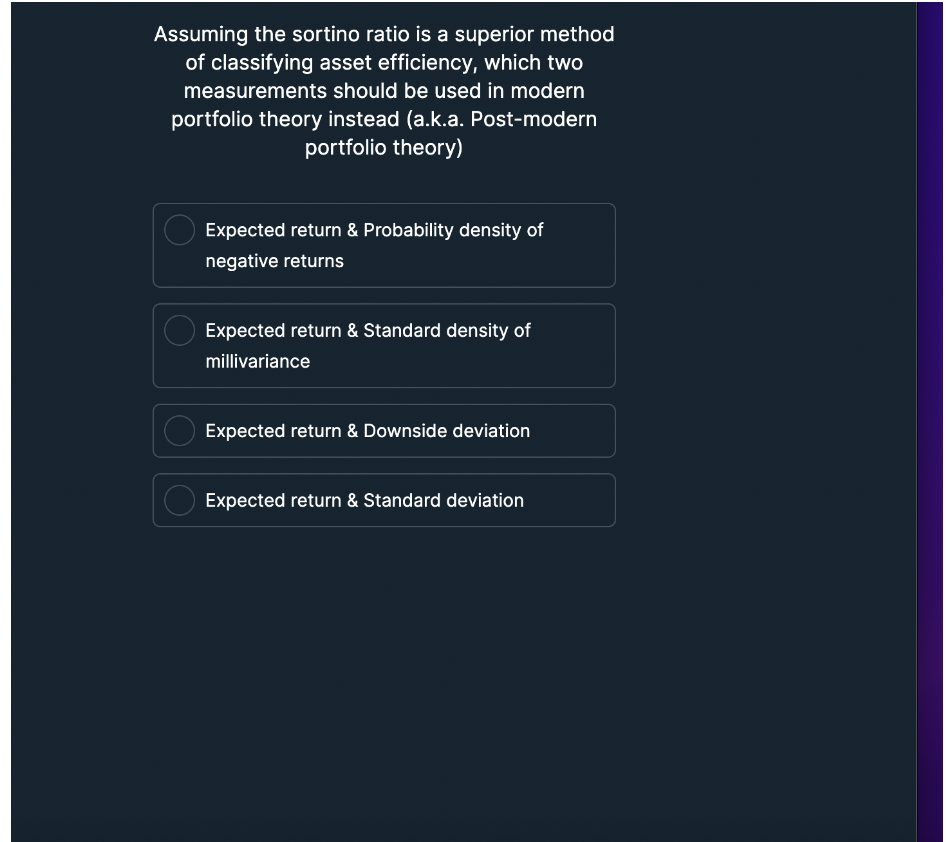
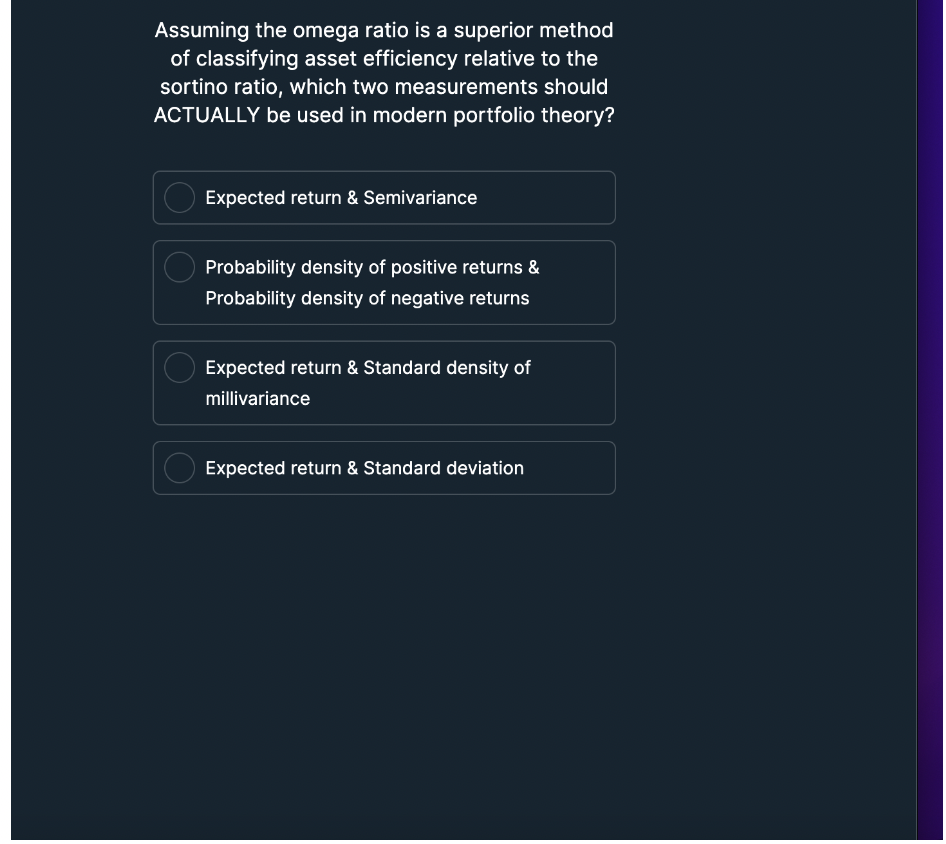
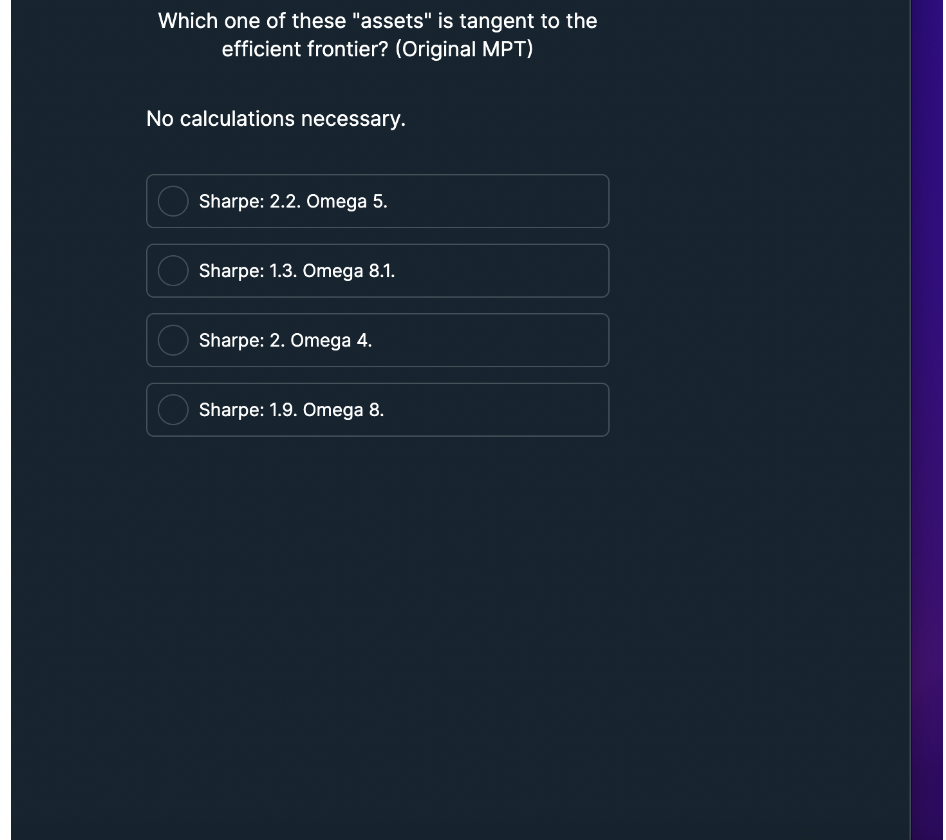
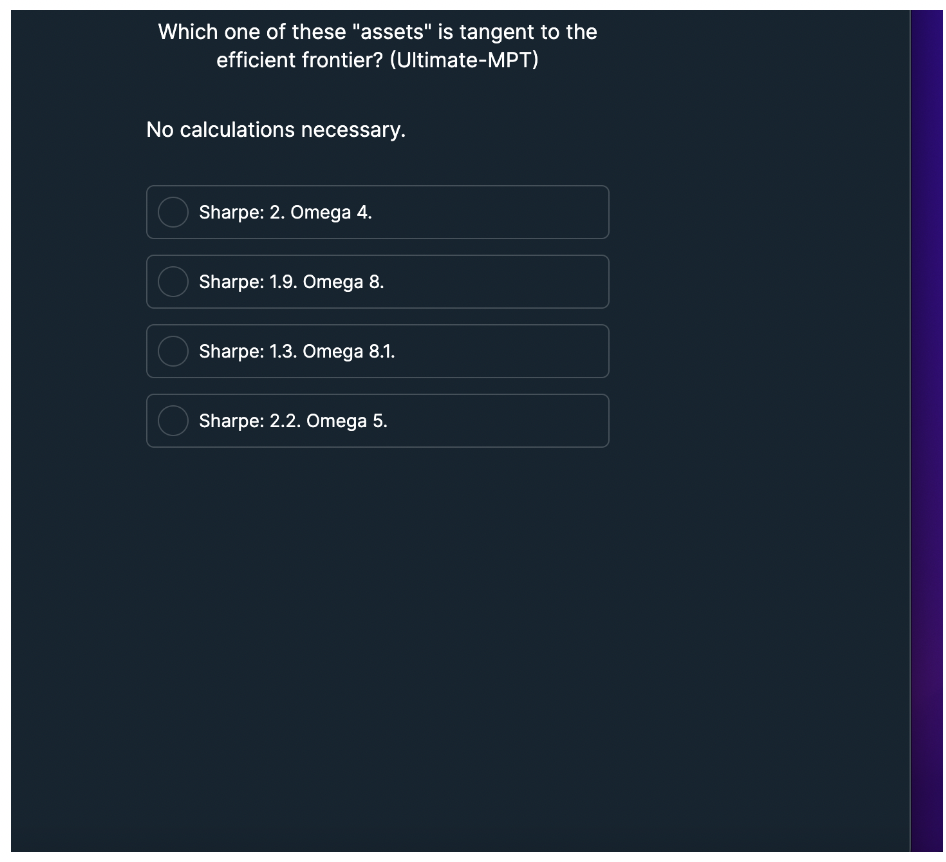
Of all the price analysis methodologies that exist, which are the foundational methods. Longing & Shorting. Trading & Investing. Volume & sentiment. On-chain & Macroeconomic. Mean reversion & liquidity extraction. Mean reversion & trend following. Hypothetically, which of these return distributions is preferred by a cryptocurrency investor. choice 1 choice 1 choice 2 choice 3 How does one achieve 'time- coherence'? Entry Price/Exit Price Structuring. Strategic forecasting through the use of trend lines, Fibonacci levels and oscillator studies. Volume Profiling. Price based levels of interest based on the aggregation of purchase data. Cannot be falsified. Through the manipulation of chart time resolution or indicator calibrations to make the indicators operate over the same intended signal period. Macroeconomic. Asset class trends derived from information coming from the real economy. Closely related to capital flows. Lack of time coherence leads to: Excessive mixed interference. Signals converted into market beta. Excessive constructive interference. Signals producing too much alpha. Excessive destructive interference. Signals not producing alpha. Excessive constructive interference. Signals alpha decaying. Hypothetically your TPI contains 8 indicators, and its average is calculated simply. After additional, exhaustive research, you decide 'Indicator #8' is exceptionally well designed and provides a signal quality which deserves additional weight. Design a weighted average formula for the TPI cell which is mathematically correct. Suggest you simulate this calculation in a spreadsheet for practice. A B 1 Indicator 1 1 2 Indicator 2 -1 3 Indicator 3 1 4 Indicator 4 -1 5 Indicator 5 1 6 Indicator 6 -1 7 Indicator 7 1 8 Indicator 8 0 -1 9 TPI: average (B1:B8) 10 A B 1 Indicator 1 1 2 Indicator 2 -1 3 Indicator 3 11 A B 1 C 1 Indicator 1 2 Indicator 2 -1 3 Indicator 3 11 4 Indicator 4 -1 5 Indicator 5 1 6 Indicator 6 -11 7 Indicator 7 11 8 Indicator 8 9 -0.1111111111 x TPI: (SUM(B1:B8)+B8)/9 10 choice 3 B C D E F 1 Indicator 1 2 Indicator 2 3 Indicator 3 4 Indicator 4 5 Indicator 5 6 Indicator 6 7 Indicator 7 8 Indicator 8 -0.125 x 9 TPI: average (B1:B7)*(1-(1/count(B1:B8)))+(B8*((1/count(B1:B8)*2))) 10 11 choice 2 A B C D 1 Indicator 1 1 2 Indicator 2 -1 3 Indicator 3 1 4 Indicator 4 -1 5 Indicator 5 6 Indicator 6 -15 7 Indicator 7 9 TPI: average (B1:B7)* (1-(1/count(B1:B8)))+(B8*((1/count(B1:B8)*2))) 10 11 choice 2 A B C D 1 Indicator 1 1 2 Indicator 2 -1 3 Indicator 3 1 4 Indicator 4 -1 5 Indicator 5 1 6 Indicator 6 -1 7 Indicator 7 8 Indicator 8 0.125 x 9 TPI: (SUM(B1:B8)+B8)/(if (B8>0,1,-1)/0.125) 10 11 choice 4 A B C 1 Indicator 1 1 23456 Indicator 2 Indicator 3 -1 1 Indicator 4 -10 Indicator 5 1 Indicator 6 -1 1 7 Indicator 7 8 Indicator 8 9 10 -1.857142857 TPI: average (B1:B7)+(B8*2) choice 1 What is the highest form of analysis? Macroeconomic. Asset class trends derived from information coming from the real economy. Closely related to capital flows. Volume Profiling. Price based levels of interest based on the aggregation of purchase data. Cannot be falsified. Systemization. The method of aggregating multiple informational inputs to eliminate human bias and increase signal. Entry Price/Exit Price Structuring. Strategic forecasting through the use of trend lines, Fibonacci levels and oscillator studies. Discretionary technical analysis \|\| Does not work in crypto because of volume manipulation by the largest exchanges colluding to run stop-losses and 'paint' certain price reversal patterns to induce contrarians into taking losing positions. Works for individuals who have developed trading 'instinct', a pseudo-spiritual talent which overrides all faulty heuristics and cognitive biases. Does not work due to the inherent infinite labrenthine complexity of price fractality. The most perfect sandbox for human cognitive biases to betray our own interests. Does not work for most due to the supreme sophistication and experience needed in the deployment of these proven tools. As long as there is confluence, there is profit. High crypto market correlation... Incentivizes broad diversification Incentivizes narrow diversification Renders broad diversification useless Renders narrow diversification useless Crypto is generally positively correlated to: TLT SPX GLD DXY Crypto is generally negatively correlated to: DXY SPX TLT GLD Modern portfolio theory uses which two measurements to classify the efficiency of assets. Expected return & Probability density of negative returns Expected return & Semivariance Expected return & Standard deviation Expected return & Standard density of millivariance Assuming the sortino ratio is a superior method of classifying asset efficiency, which two measurements should be used in modern portfolio theory instead (a.k.a. Post-modern portfolio theory) Expected return & Probability density of negative returns Expected return & Standard density of millivariance Expected return & Downside deviation Expected return & Standard deviation Assuming the omega ratio is a superior method of classifying asset efficiency relative to the sortino ratio, which two measurements should ACTUALLY be used in modern portfolio theory? Expected return & Semivariance Probability density of positive returns & Probability density of negative returns Expected return & Standard density of millivariance Expected return & Standard deviation Which one of these "assets" is tangent to the efficient frontier? (Original MPT) No calculations necessary. Sharpe: 2.2. Omega 5. Sharpe: 1.3. Omega 8.1. Sharpe: 2. Omega 4. Sharpe: 1.9. Omega 8. Which one of these "assets" is tangent to the efficient frontier? (Ultimate-MPT) No calculations necessary. Sharpe: 2. Omega 4. Sharpe: 1.9. Omega 8. Sharpe: 1.3. Omega 8.1. Sharpe: 2.2. Omega 5.
Step by Step Solution
3.43 Rating (156 Votes )
There are 3 Steps involved in it
Lets break down and answer each question 1 Foundational Price Analysis Methodologies Longing Shorting Trading Investing Volume sentiment Onchain Macro... View full answer

Get step-by-step solutions from verified subject matter experts
 Study Help