







Question: TRADE AND MIGRATION This question explores migration in a two-good Heckscher-Ohlin model. Supposed we have a country (Home) that is endowed with capital K and
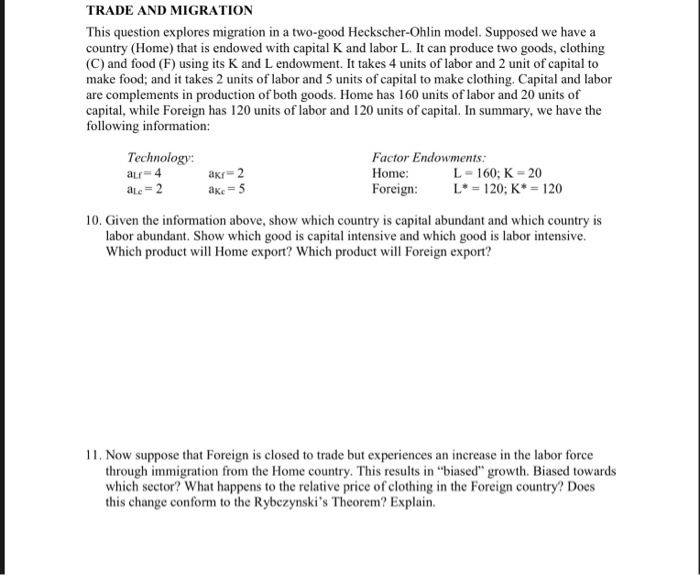
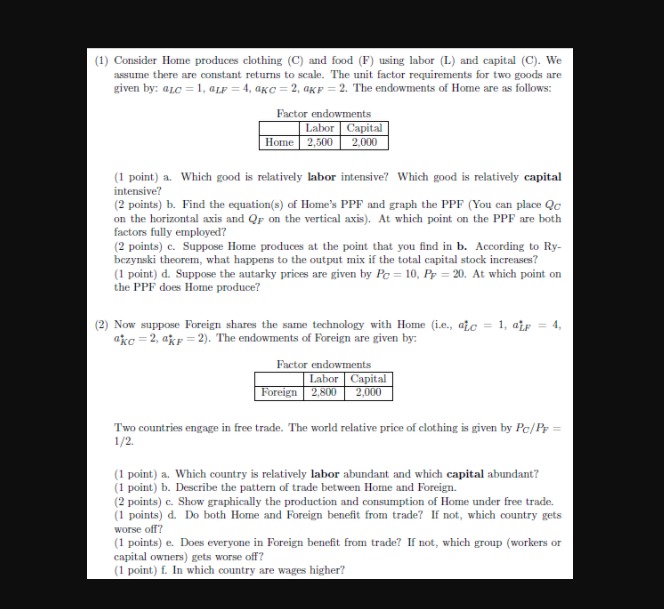
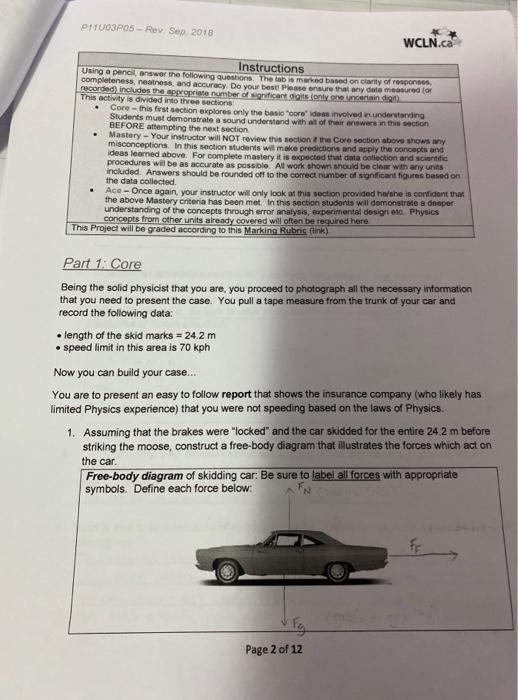
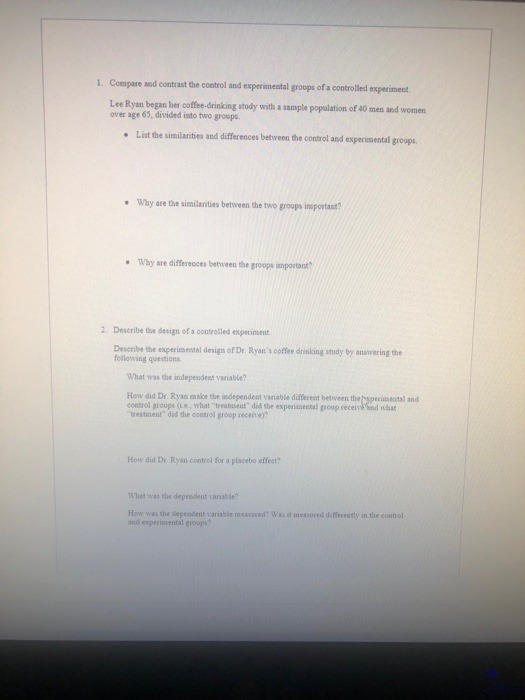
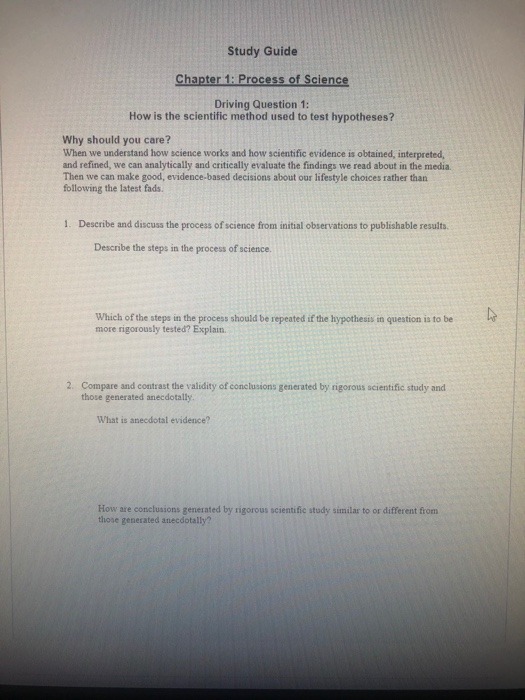
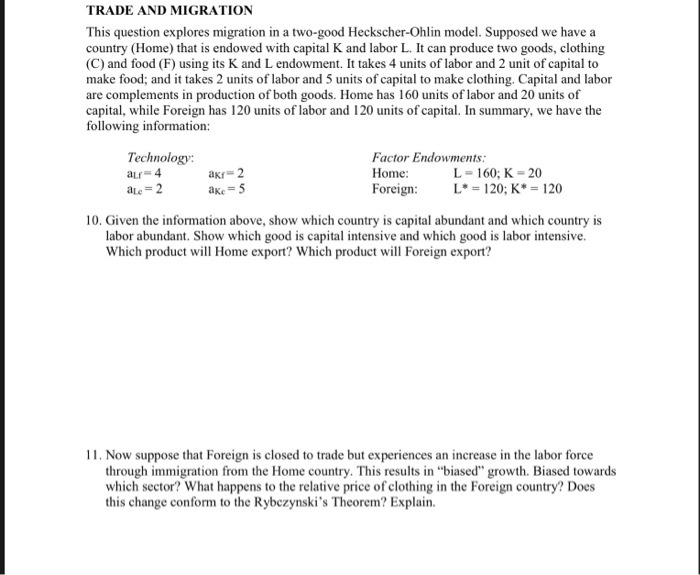
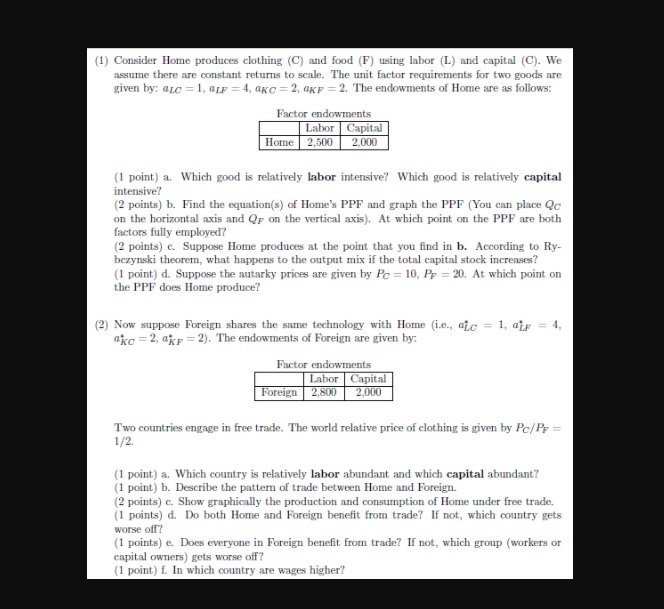
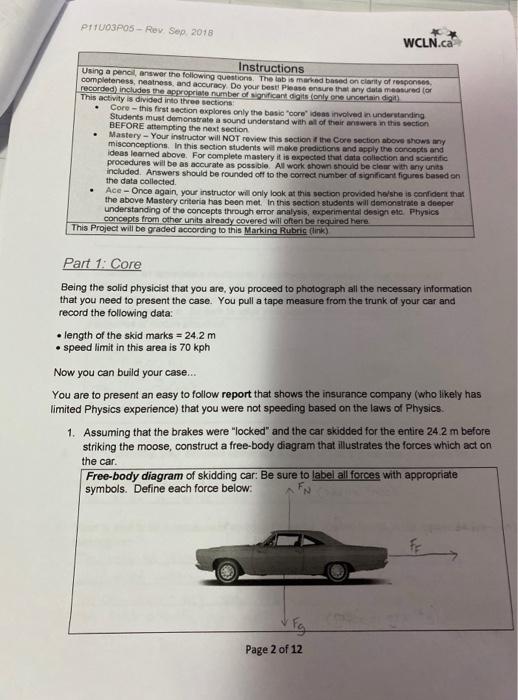
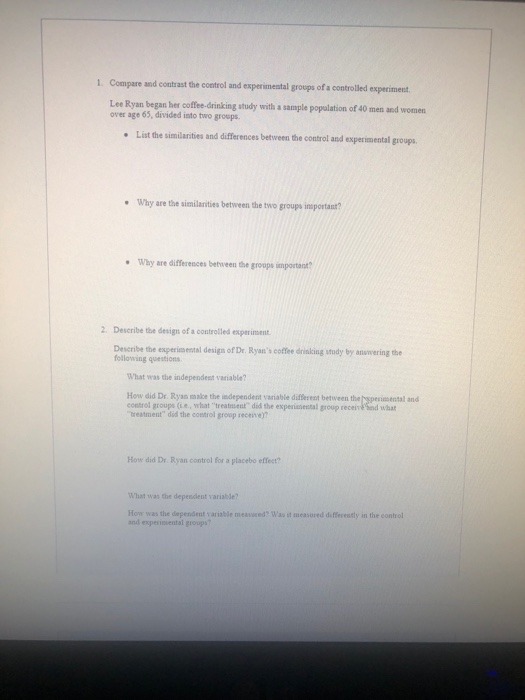
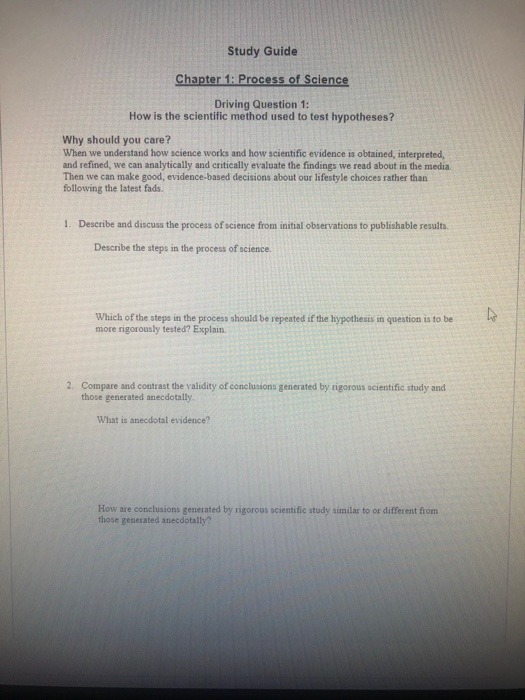
TRADE AND MIGRATION This question explores migration in a two-good Heckscher-Ohlin model. Supposed we have a country (Home) that is endowed with capital K and labor L. It can produce two goods, clothing (C) and food (F) using its K and L endowment. It takes 4 units of labor and 2 unit of capital to make food; and it takes 2 units of labor and 5 units of capital to make clothing. Capital and labor are complements in production of both goods. Home has 160 units of labor and 20 units of capital, while Foreign has 120 units of labor and 120 units of capital. In summary, we have the following information: Technology: Factor Endowments: alf = 4 akr = 2 Home: L = 160; K = 20 aLc = 2 ake = 5 Foreign: L* = 120; K* = 120 10. Given the information above, show which country is capital abundant and which country is labor abundant. Show which good is capital intensive and which good is labor intensive. Which product will Home export? Which product will Foreign export? 1 1. Now suppose that Foreign is closed to trade but experiences an increase in the labor force through immigration from the Home country. This results in "biased" growth. Biased towards which sector? What happens to the relative price of clothing in the Foreign country? Does this change conform to the Rybczynski's Theorem? Explain.TRADE AND MIGRATION This question explores migration in a two-good Heckscher-Ohlin model. Supposed we have a country (Home) that is endowed with capital K and labor L. It can produce two goods, clothing (C) and food (F) using its K and L endowment. It takes 4 units of labor and 2 unit of capital to make food; and it takes 2 units of labor and 5 units of capital to make clothing. Capital and labor are complements in production of both goods. Home has 160 units of labor and 20 units of capital, while Foreign has 120 units of labor and 120 units of capital. In summary, we have the following information: Technology: Factor Endowments: alf = 4 akr = 2 Home: L = 160; K = 20 aLc = 2 ake = 5 Foreign: L* = 120; K* = 120 10. Given the information above, show which country is capital abundant and which country is labor abundant. Show which good is capital intensive and which good is labor intensive. Which product will Home export? Which product will Foreign export? 1 1. Now suppose that Foreign is closed to trade but experiences an increase in the labor force through immigration from the Home country. This results in "biased" growth. Biased towards which sector? What happens to the relative price of clothing in the Foreign country? Does this change conform to the Rybczynski's Theorem? Explain.(1) Consider Home produces clothing (C) and food (F) using labor (L) and capital (C). We assume there are constant returns to scale. The unit factor requirements for two goods are given by: GLC = 1, app =4, agc = 2, opp = 2. The endowments of Home are as follows: Factor endowments Labor Capital Home | 2,500 2,000 (1 point) a. Which good is relatively labor intensive? Which good is relatively capital intensive? (2 points) b. Find the equation(s) of Home's PPF and graph the PPF (You can place QC on the horizontal axis and Qp on the vertical axis). At which point on the PPF are both factors fully employed? (2 points) c. Suppose Home produces at the point that you find in b. According to Ry- bezynski theorem, what happens to the output mix if the total capital stock increases? (1 point) d. Suppose the autarky prices are given by Po = 10, Pp = 20. At which point on the PPF does Home produce? (2) Now suppose Foreign shares the same technology with Home (i.e., alg = 1, ajg = 4, "ko =2. okp = 2). The endowments of Foreign are given by: Factor endowments Labor | Capital Foreign 2,800 2,000 Two countries engage in free trade. The world relative price of clothing is given by Po/Pp = 1/2. (1 point) a. Which country is relatively labor abundant and which capital abundant? (1 point) b. Describe the pattern of trade between Home and Foreign. (2 points) c. Show graphically the production and consumption of Home under free trade. (1 points) d. Do both Home and Foreign benefit from trade? If not, which country gets worse off? (1 points) e. Does everyone in Foreign benefit from trade? If not, which group (workers or capital owners) gets worse off? (1 point) f. In which country are wages higher?(1) Consider Home produces clothing (C) and food (F) using labor (L) and capital (C). We assume there are constant returns to scale. The unit factor requirements for two goods are given by: GLC = 1, app =4, agc = 2, opp = 2. The endowments of Home are as follows: Factor endowments Labor Capital Home | 2,500 2,000 (1 point) a. Which good is relatively labor intensive? Which good is relatively capital intensive? (2 points) b. Find the equation(s) of Home's PPF and graph the PPF (You can place QC on the horizontal axis and Qp on the vertical axis). At which point on the PPF are both factors fully employed? (2 points) c. Suppose Home produces at the point that you find in b. According to Ry- bezynski theorem, what happens to the output mix if the total capital stock increases? (1 point) d. Suppose the autarky prices are given by Po = 10, Pp = 20. At which point on the PPF does Home produce? (2) Now suppose Foreign shares the same technology with Home (i.e., alg = 1, ajg = 4, "ko =2. okp = 2). The endowments of Foreign are given by: Factor endowments Labor | Capital Foreign 2,800 2,000 Two countries engage in free trade. The world relative price of clothing is given by Po/Pp = 1/2. (1 point) a. Which country is relatively labor abundant and which capital abundant? (1 point) b. Describe the pattern of trade between Home and Foreign. (2 points) c. Show graphically the production and consumption of Home under free trade. (1 points) d. Do both Home and Foreign benefit from trade? If not, which country gets worse off? (1 points) e. Does everyone in Foreign benefit from trade? If not, which group (workers or capital owners) gets worse off? (1 point) f. In which country are wages higher?21 1003805-Rev Sep 2018 WCLN.ca Instructions Using a pencil, answer the following questions. The lab is manand based on clarty of responses, completeness, neatness, and accuracy Do your best! Please ensure that any dats measured (or recorded) includes the appropriate number of significant digits (only one uncertain digit) This activity is divided into three sections Core - this first section explores only the basic "core" ideas involved in understanding Students must demonstrate a sound understand with all of their ariwere in this vaction BEFORE attempting the next section Mastery - Your instructor will NOT review this section if the Core section above shows any misconceptions, In this section students will make predictions and apply the concepts and ideas loomed above. For complete mastery it is expected that data collection and scientific procedures will be as accurate as possible, All work shown should be clear with any units included. Answers should be rounded off to the correct number of significant figures based on the data collected. Ace - Once again, your instructor will only look at this section provided hershe is confident that the above Mastery criteria has been mot. in this section studords will demonstrate a dooper understanding of the concepts through error analysis, experimental design eld Physics concepts from other units already covered will often be required here This Project will be graded according to this Marking Rubric (link) Part 1: Core Being the solid physicist that you are, you proceed to photograph all the necessary information that you need to present the case. You pull a tape measure from the trunk of your car and record the following data: . length of the skid marks = 24.2 m . speed limit in this area is 70 kph Now you can build your case... You are to present an easy to follow report that shows the insurance company (who likely has limited Physics experience) that you were not speeding based on the laws of Physics. 1. Assuming that the brakes were "locked" and the car skidded for the entire 24.2 m before striking the moose, construct a free-body diagram that illustrates the forces which act on the car. Free-body diagram of skidding car: Be sure to label all forces with appropriate symbols. Define each force below. FN FE Page 2 of 121. Compare and contrast the control and experimental groups of a controlled experiment. Lee Ryan began her coffee-drinking study with a sample population of 40 men and women over age 65, divided into two groups. . List the similarities and differences between the control and experimental groups. . Why are the similarities between the two groups insportant? . Why are differences between the groups important? 2. Describe the design of a controlled experiment Describe the experimental design of Dr. Ryan's coffee drinking Mudy by answering the following questions. What was the independent variable? How did Dr. Ryan make the independent variable different between the ropenmental and control groups (ie, what "treatment" did the experimental group receive ted what "weatment" did the control group recruit How did Dy Ryan control for a placebo effect? What was the dependent variable? How was the dependent variable meansed? Was it measured differently in the control and experimental groupsTStudy Guide Chapter 1: Process of Science Driving Question 1: How is the scientific method used to test hypotheses? Why should you care? When we understand how science works and how scientific evidence is obtained, interpreted, and refined, we can analytically and critically evaluate the findings we read about in the media. Then we can make good, evidence-based decisions about our lifestyle choices rather than following the latest fads. 1. Describe and discuss the process of science from initial observations to publishable results. Describe the steps in the process of science. Which of the steps in the process should be repeated if the hypothesis in question is to be more rigorously tested? Explain. 2. Compare and contrast the validity of conclusions generated by rigorous scientific study and those generated anecdotally. What is anecdotal evidence? How are conclusions generated by rigorous scientific study similar to or different from those generated anecdotally
Step by Step Solution
There are 3 Steps involved in it

Get step-by-step solutions from verified subject matter experts
 Study Help