Question: 1. Briefly describe which view you found most convincing . Note: you need not believe in God to say which view you found most persuasive.
1.Briefly describe which view you foundmost convincing.
Note: you need not believe in God to say which view you found most persuasive.
(You may think of it this way: if someone where to try to convince me of God's existence, she would be most likely to succeed with the view/argument that _____ ... because _____ ....)
2.Describe which view you found eithermost confusing, orleast convincing.
(You may think of it this way: if someone where to try to convince me of God's existence, she would be least likely to succeed with the view/argument that _____ ... because _____ ... )
Sources: Philosophy Asking Questions, Seeking Answers by Stephen Stich; Thomas Donaldson
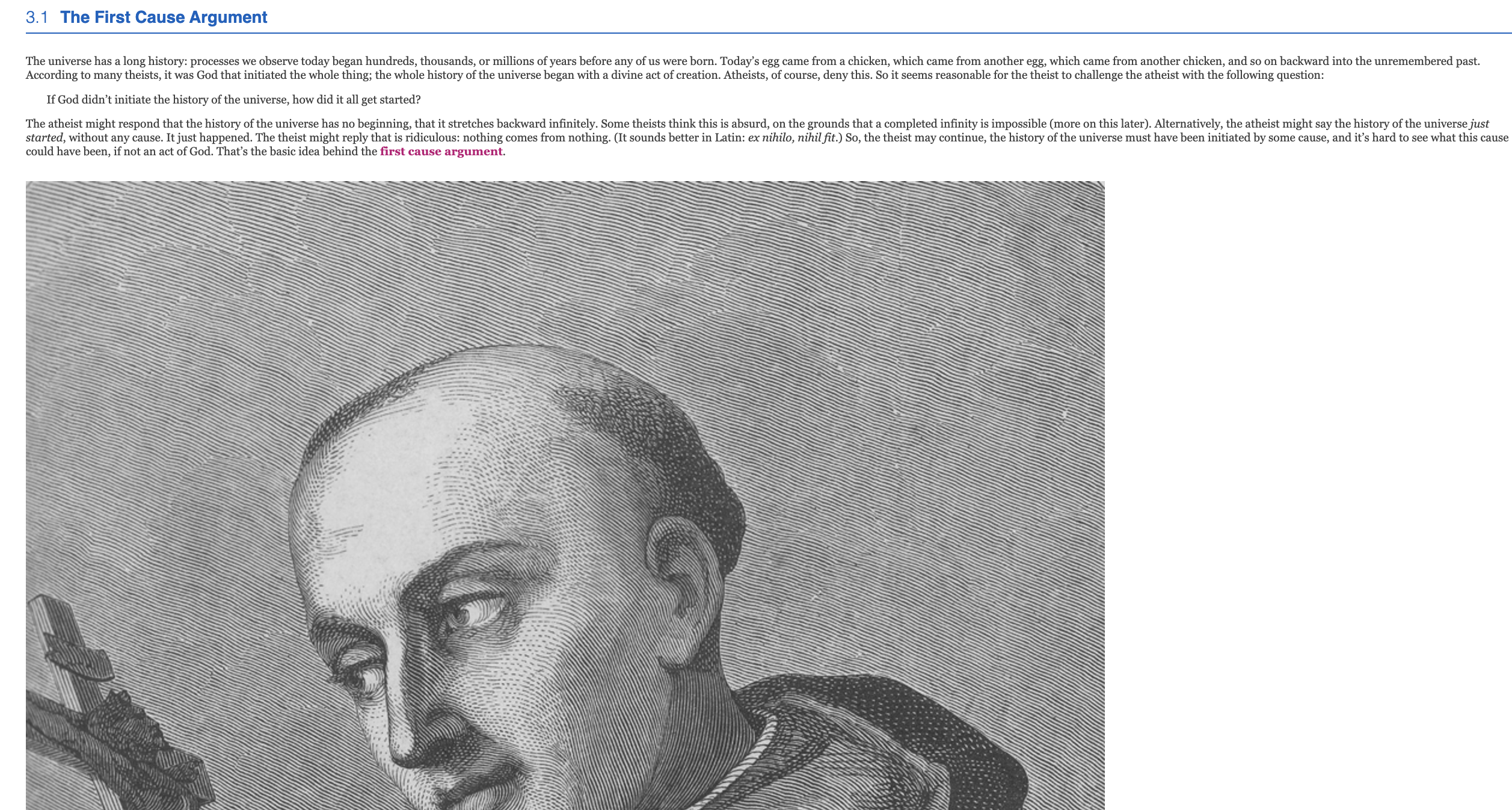
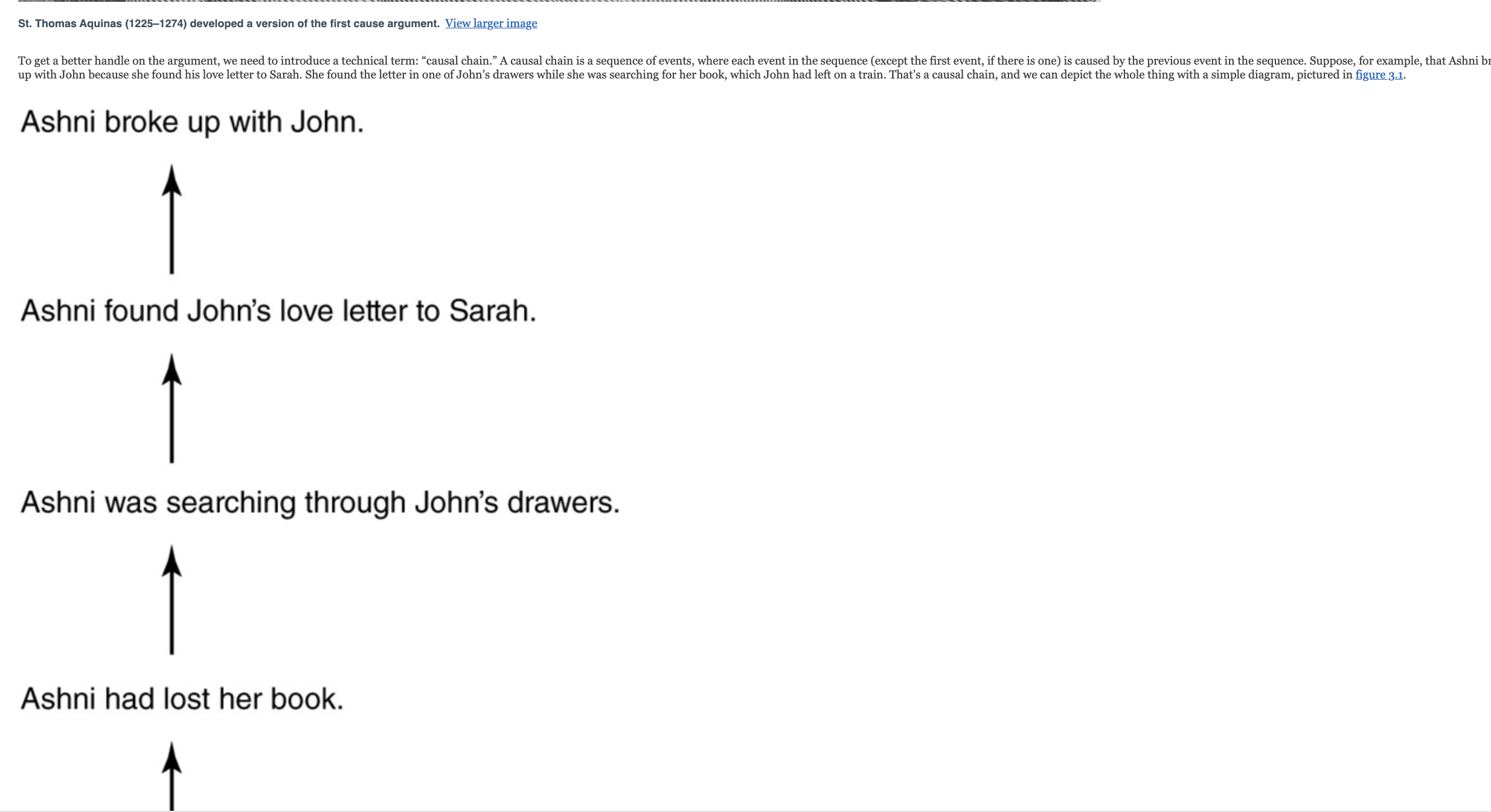
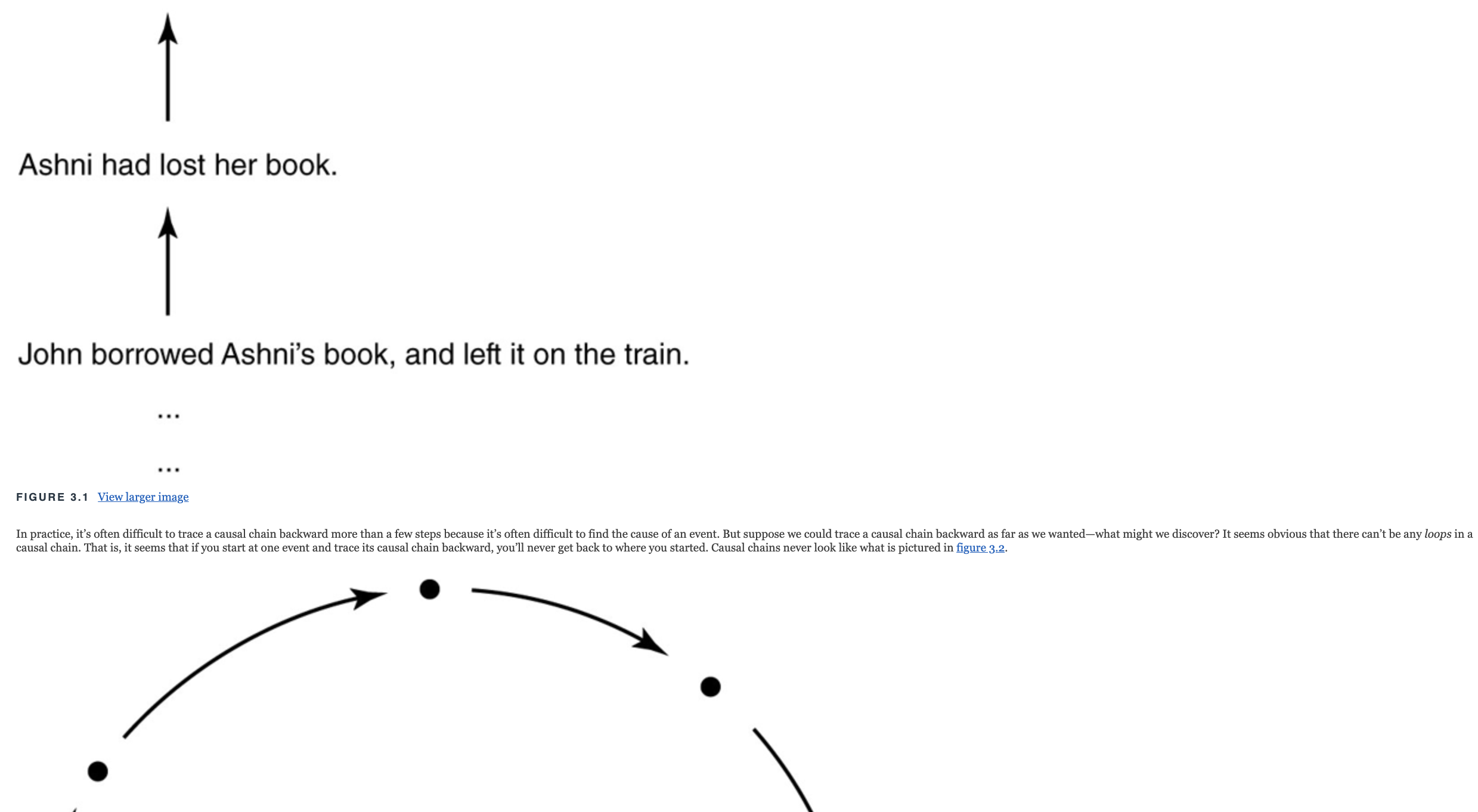
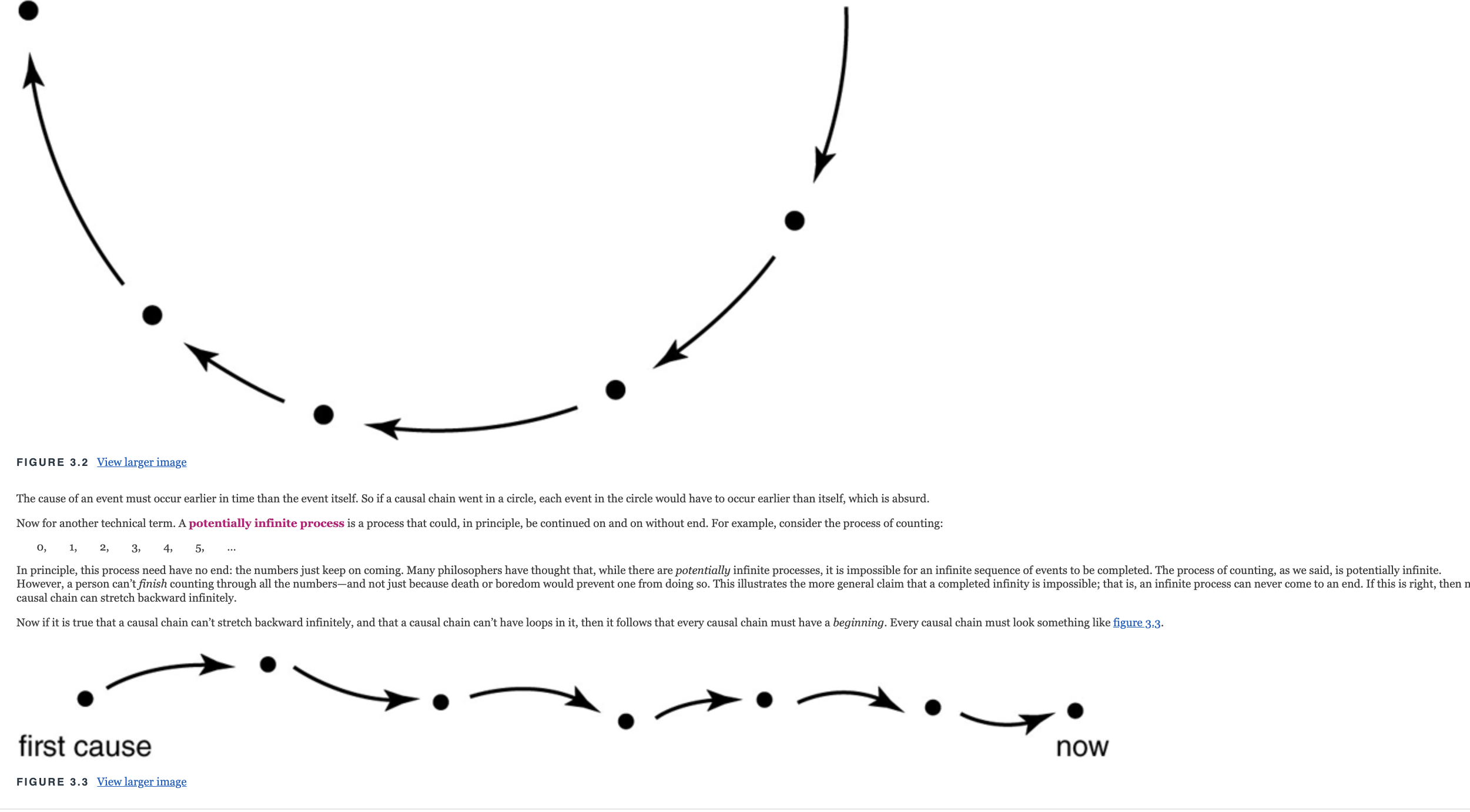
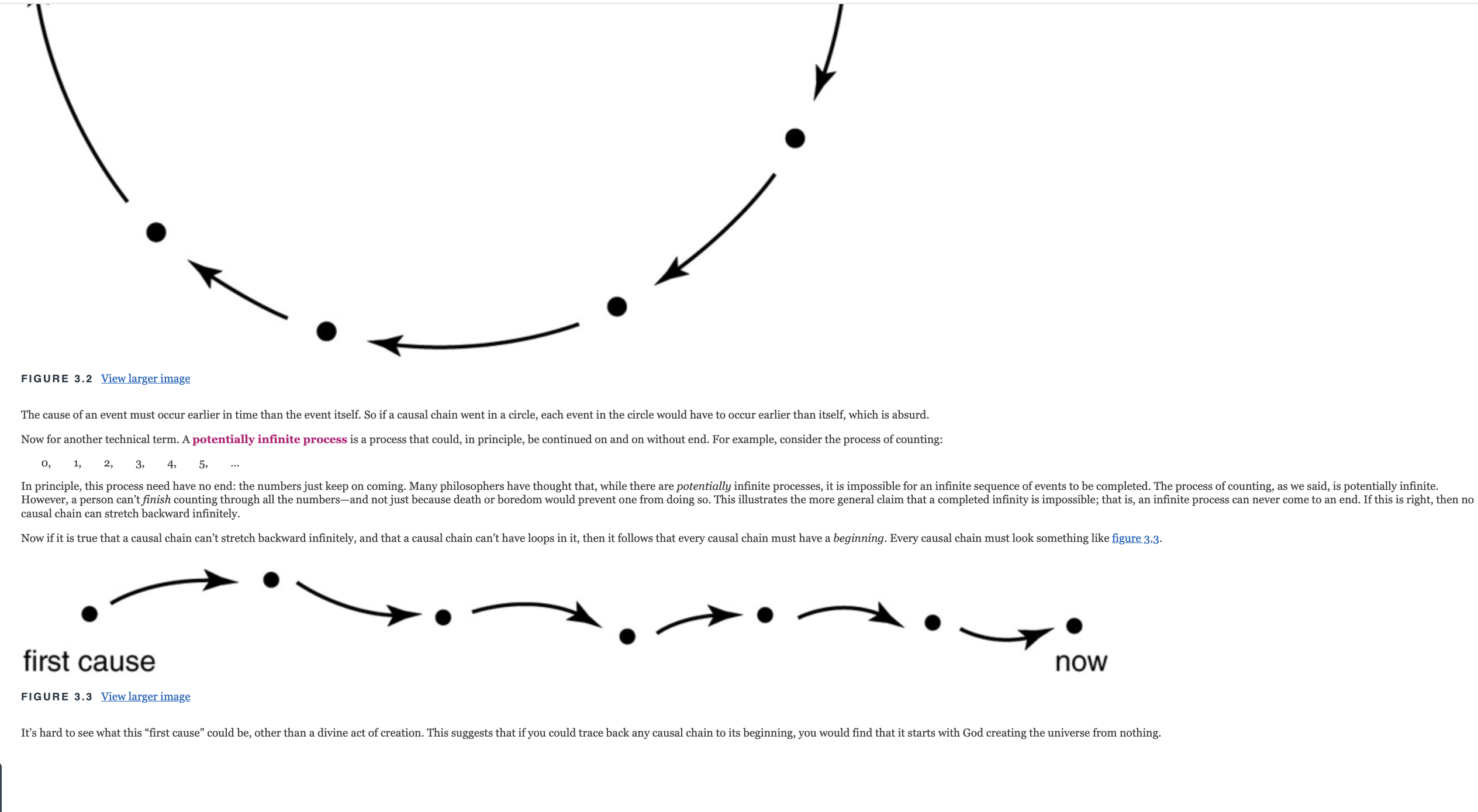
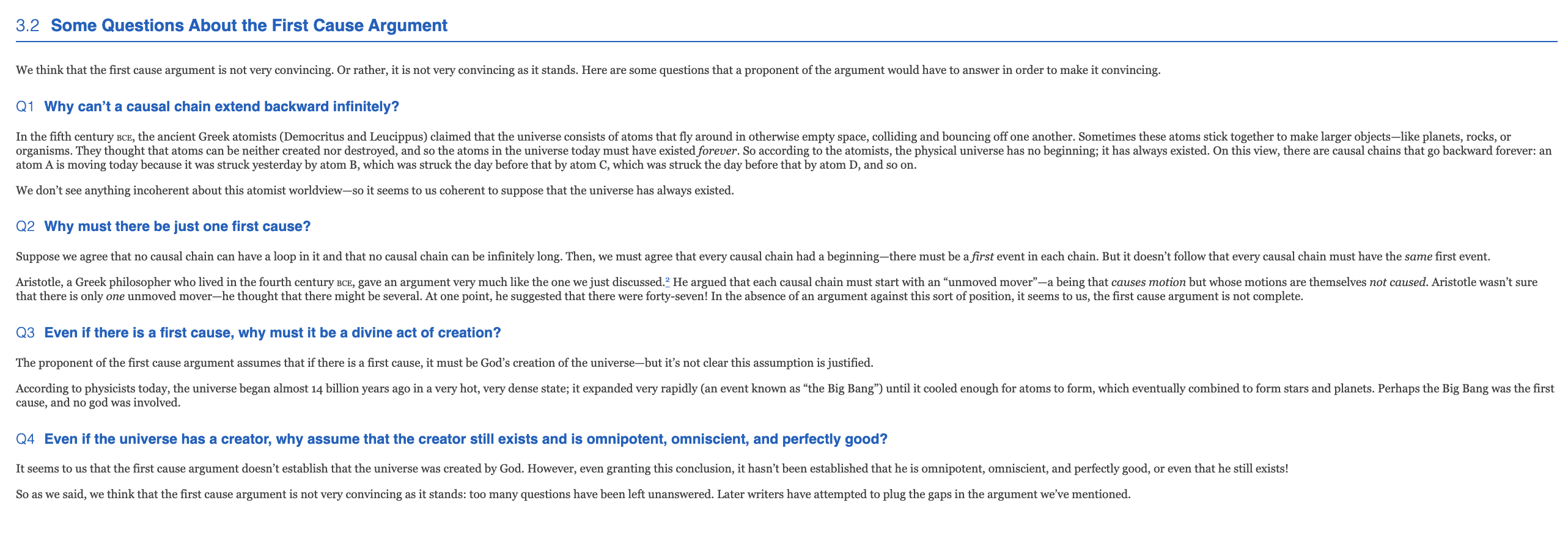
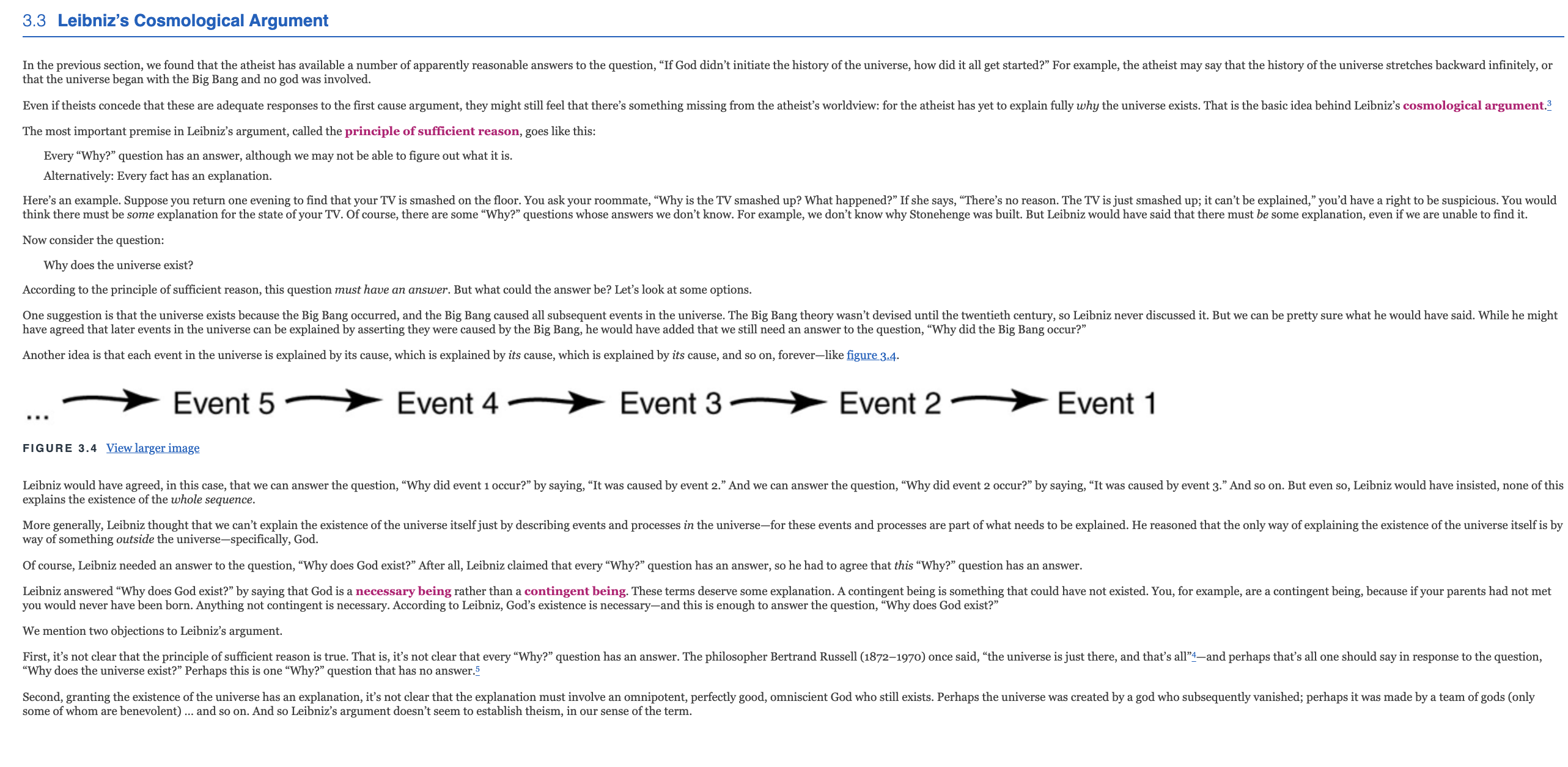
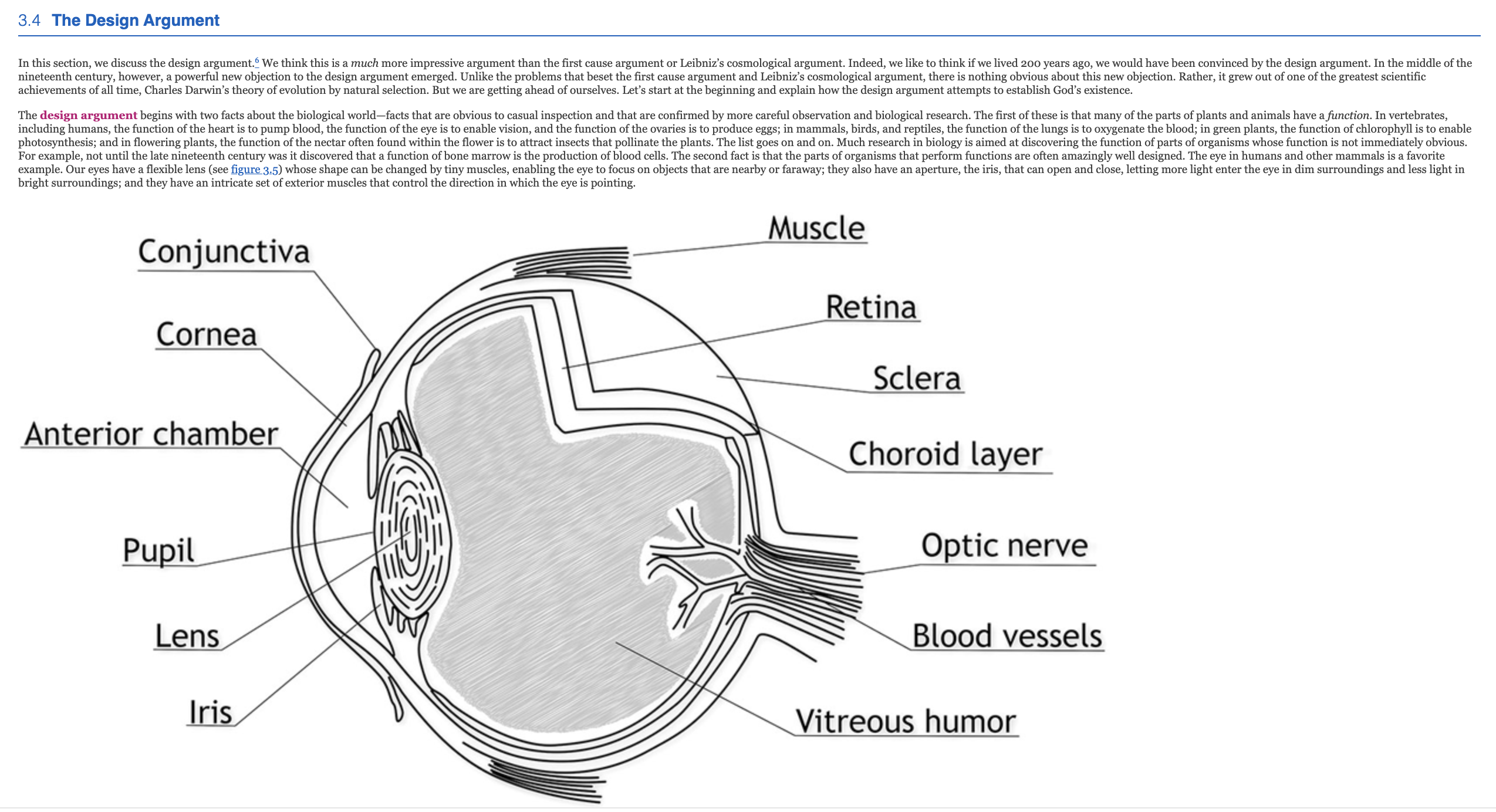
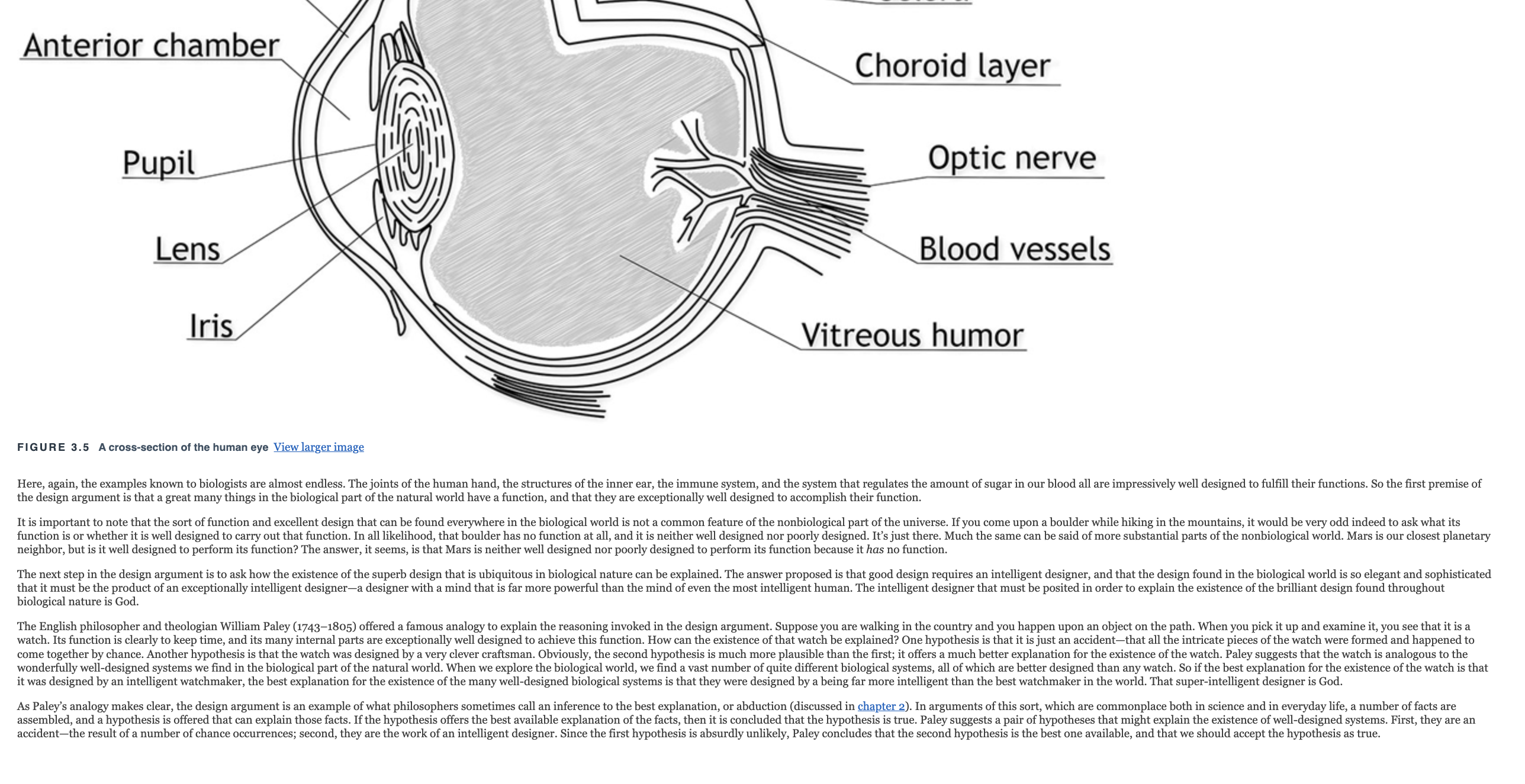
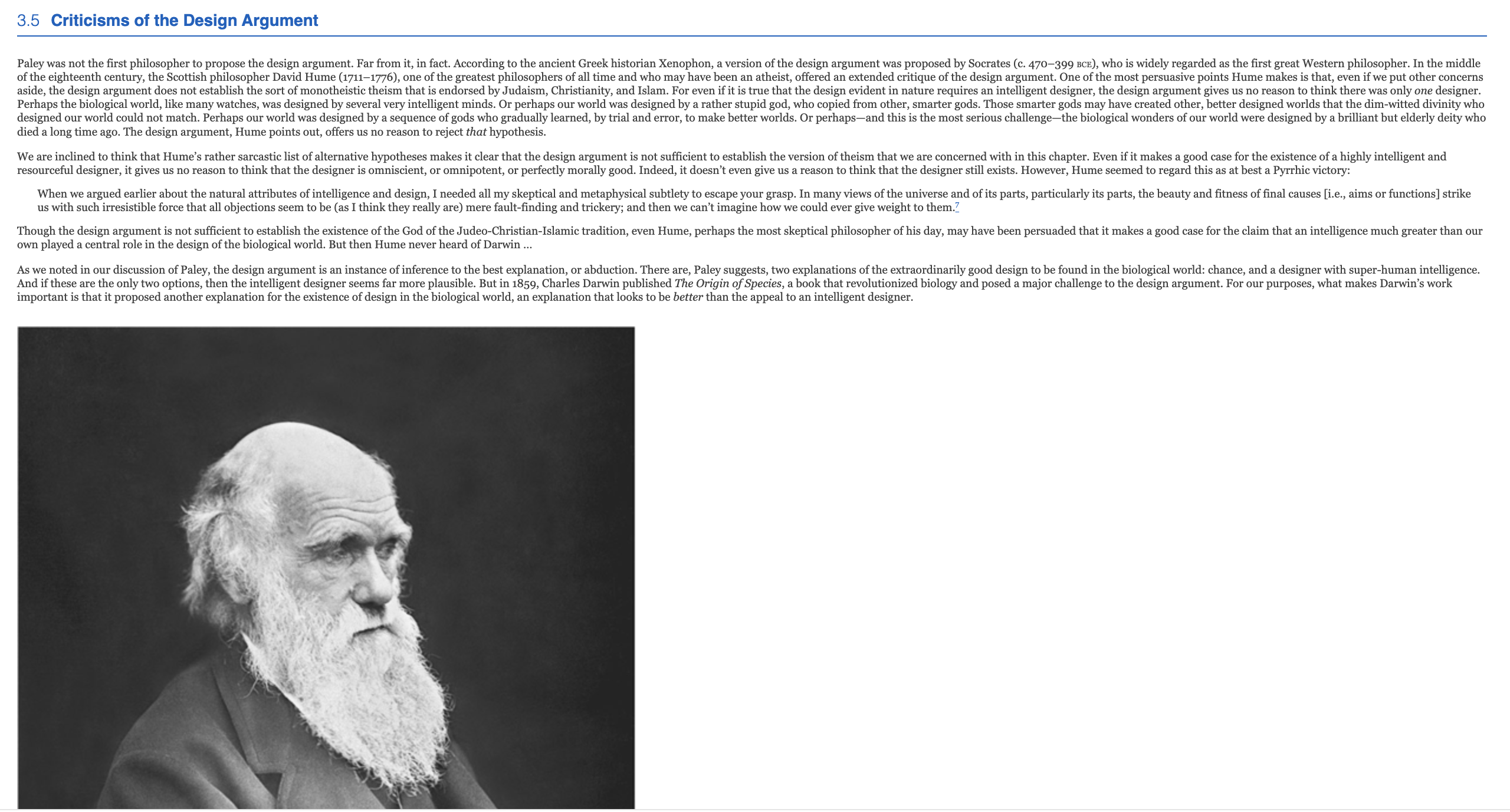
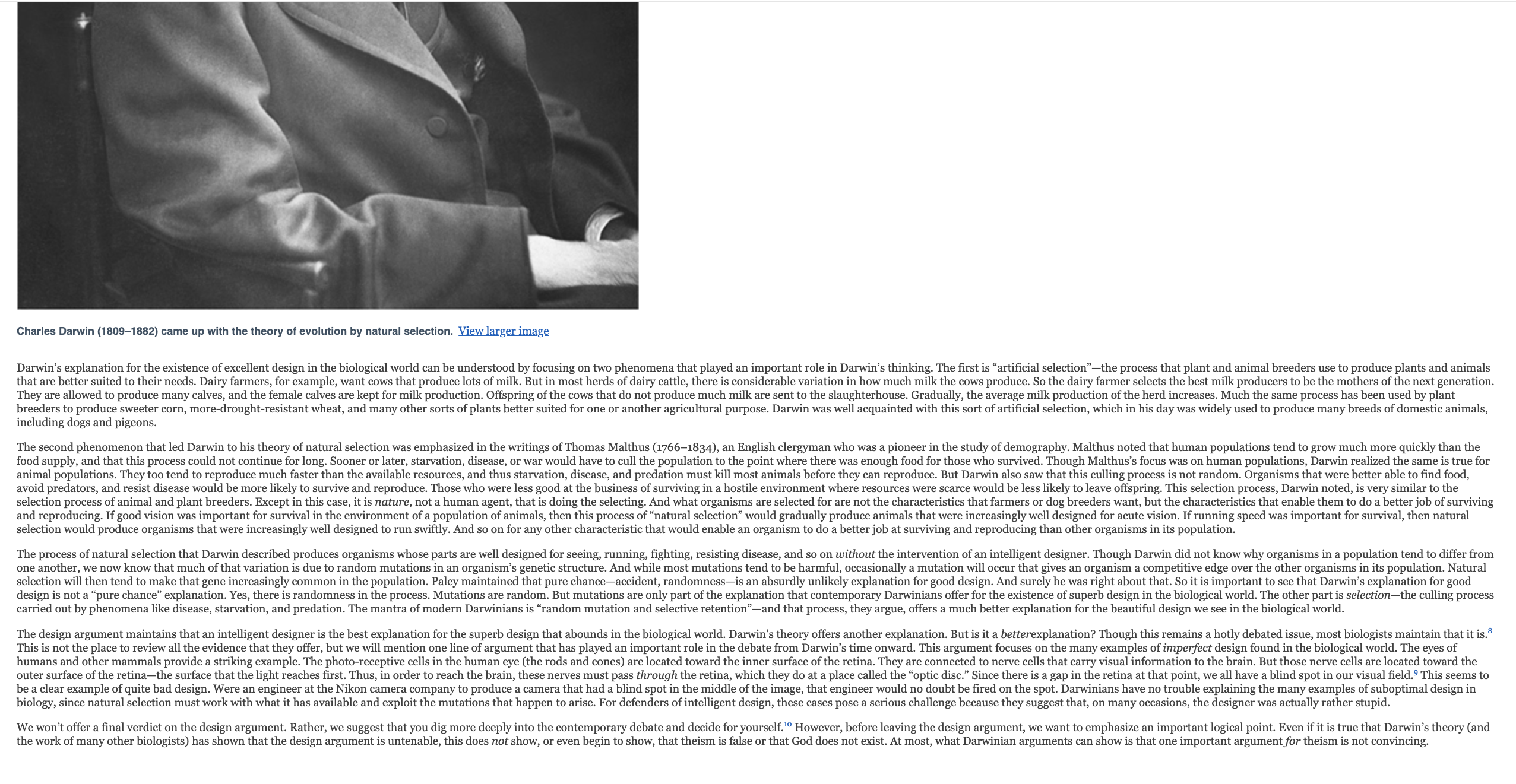
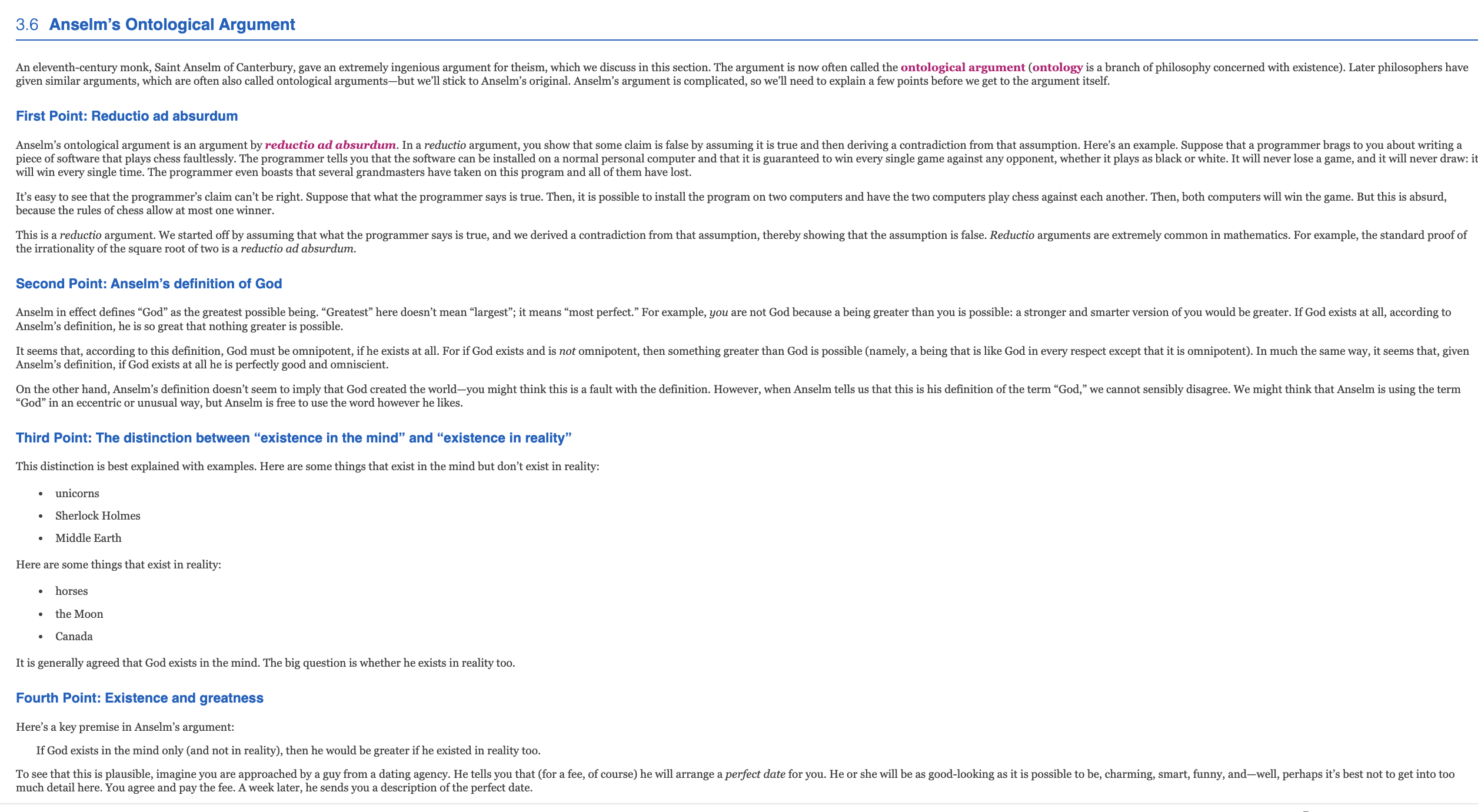
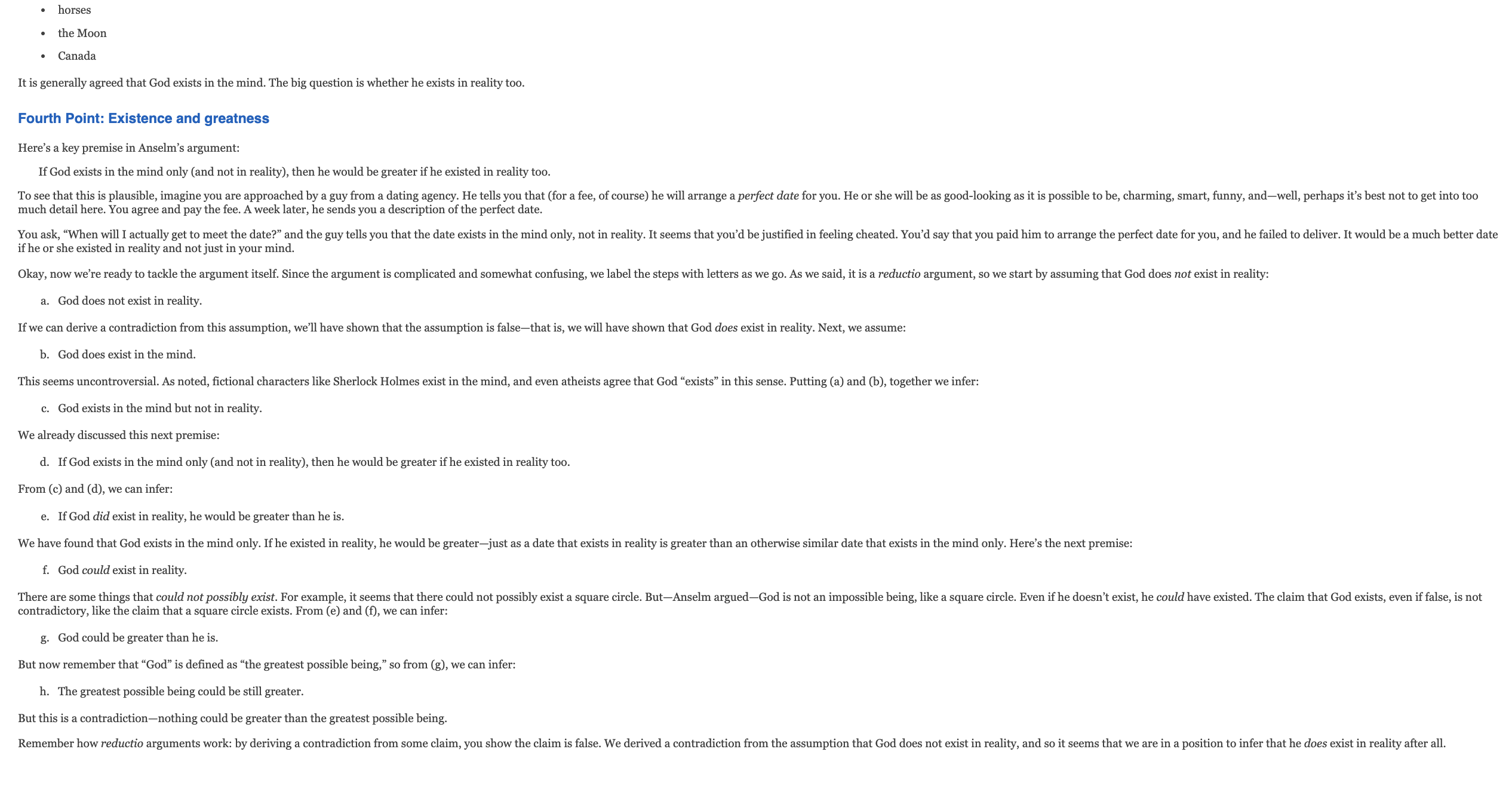
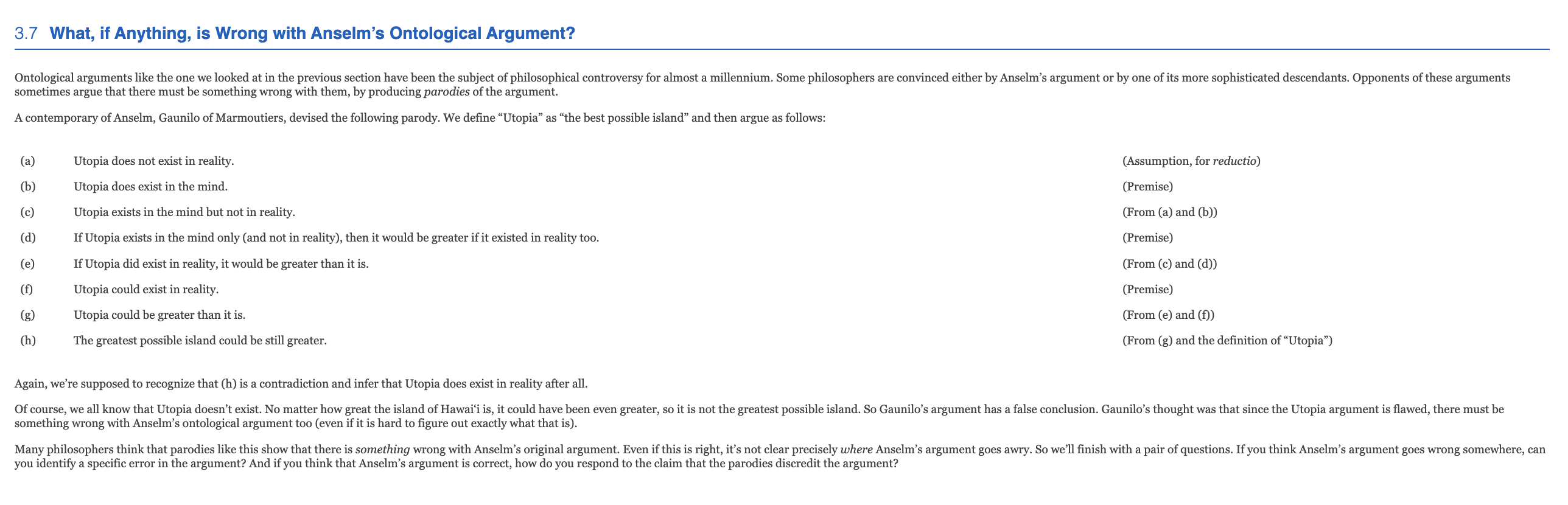
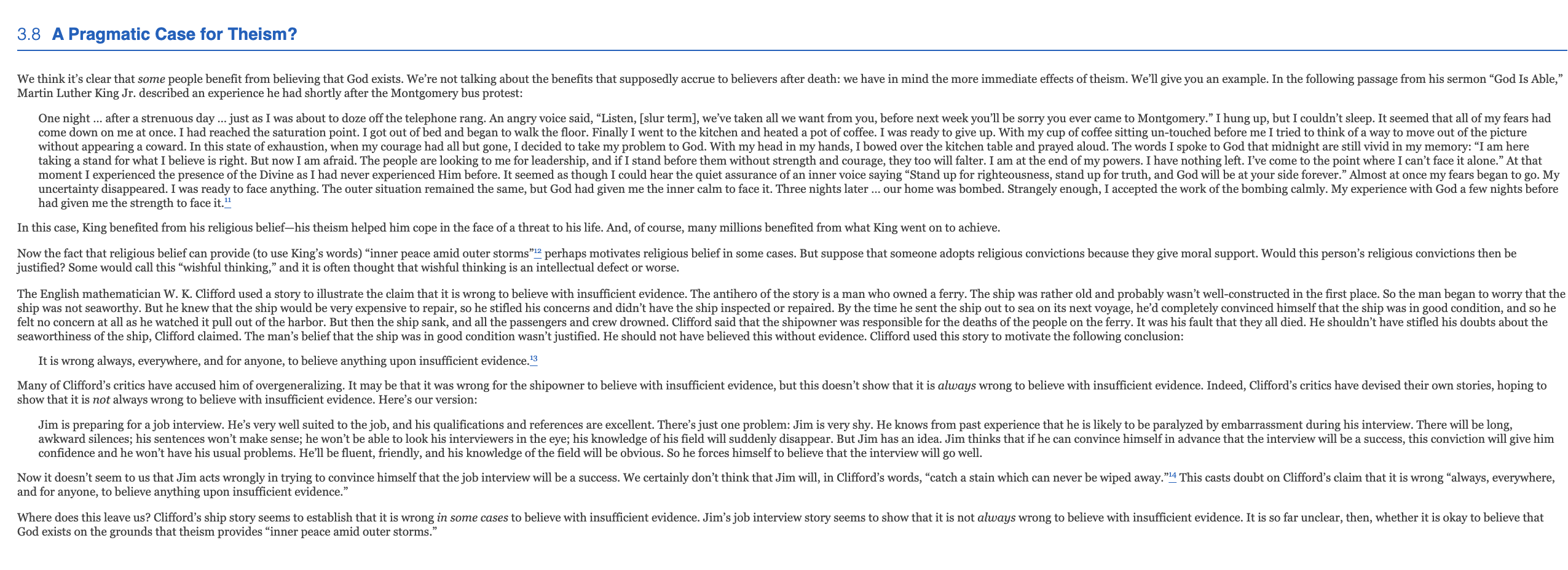
Introduction Suppose your friend claims to be descended from Benjamin Franklin, or says that New Yorkers are on average taller than the residents of Paris, or declares that raccoons (like dogs) can be trained to respond to some English commands. You might well ask your friend for some reason for believing her claim. If your friend replies, \"That's just what I believe!\" or \"I don't need a reason!\" or \"I don't have to justify my beliefs!\" you'd probably think your friend was being unreasonable. Or even a bit crazy. It is natural to think that the same applies to religious beliefs. It would seem to be unreasonable for someone to maintain the belief that God exists without having some reason for holding this belief. In this chapter, we look at some reasonsor supposed reasonsfor believing that God exists. Before we get started, we want to distinguish between evidential reasons and pragmatic reasons for belief. The jargon is cumbersome, but the distinction is not difficult. We'll explain it with a coupk of examples. Suppose that your friend is about to run a marathon, and she tells you that she thinks she'll finish in under three hours. You're not sure her belief is true, and you ask her to justify it. Here are two things she might say: a. I've run ten marathons in the last two years, and all of my times have been comfortably under three hours. The conditions look good for this weekend, and I'm in good form. So I expect to finish in less than three hours as usual. b. My big problem when running is lack of confidence. If I start to doubt myself, I run slowly or drop out altogether. So it's important for me to be confident in advance of the race. So I'm telling myself that I'm going to break three hours this time. In both cases, your friend has given you a justification for her belief, but the two justifications are of very different kinds. In case (a), she has given you evidence for her belief that she will finish in less than three hours. In case (b), she's shown you that her belief is likely to be advantageous to her bt has not provided evidence for it. In the jargon, (a) is an evidential reason, and (b) is a pragmatic reason. Here's another example. Suppose that you meet a man with a serious illness. He tells you that he expects to recover fully by the end of the year. Tactlessly, you ask him to justify this belief. Here are two things he might say: a. My doctor told me that she's very confident I'll recover fully by December. I know that she's an expert on the topic and that she's totally honest. b. Itmakes me unhappy to think that the illness will last for a long time, so I've chosen to believe that I'll get better soon. Here, (a) is an evidential reason, and (b) is a pragmatic reason. In case (a), the man is giving you evidence for his belief that he'll recover by December. In case (b), the man has given you no evidence that his belief is true, but he's given you reason to think that he's likely to be better off if he maintains the belief. Philosophers and theologians have given both evidential arguments and pragmatic arguments for theism. When someone gives an evidential argument for theism, the goal is to give you evidence for the contention that God exists. When someone gives a practical argument for theism, the goal is to show that there may be benefits to being a theist, and that these possible benefits justify theism. We start by looking at some evidential arguments for theism. Then, in section 3.8, we turn to a pragmatic argument. To avoid any confusion, we will start by saying something about what we mean by theism and atheism. These terms are easy to define: a theist is someone who believes God exists; an atheist is someone who believes he doesn't exist.! However, in the absence of some explanation of what \"God\" means, these definitions aren't all that helpful. Ifyou explore a variety of discussions of theism from different traditions, you will find that different theists have very different views about what God is like. We might say that there are many different versions of theism, corresponding to different conceptions of the divine. In this chapter, we focu: on the version of theism that has been most discussed within the Western philosophical tradition. This version of theism includes the following claims: 1. God created the universe from nothing. 2. God is all-powerful (or omnipotent, as philosophers and theologians sometimes put it). 3. God is perfectly good. 4. God knows everything (he is omniscient, to use the jargon). 5. God deserves our unqualified love and complete obedience. These claims are central to manybut not allforms of Judaism, Christianity, and Islam. The Hindu conception of God is rather different. We should stress that, by focusing on this particular version of theism, we do not wish to imply that other versions of theism are less worthy of study. 3.1 The First Cause Argument The universe has a long history: processes we observe today began hundreds, thousands, or millions of years before any of us were born. Today's egg came from a chicken, which came from another egg, which came from another chicken, and so on backward into the unremembered past. According to many theists, it was God that initiated the whole thing; the whole history of the universe began with a divine act of creation. Atheists, of course, deny this. So it seems reasonable for the theist to challenge the atheist with the following question: If God didn't initiate the history of the universe, how did it all get started? The atheist might respond that the history of the universe has no beginning, that it stretches backward infinitely. Some theists think this is absurd, on the grounds that a completed infinity is impossible (more on this later). Alternatively, the atheist might say the history of the universe just started, without any cause. It just happened. The theist might reply that is ridiculous: nothing comes from nothing. (It sounds better in Latin: ex nihilo, nihil fit.) So, the theist may continue, the history of the universe must have been initiated by some cause, and it's hard to see what this cause could have been, if not an act of God. That's the basic idea behind the first cause argument. St. Thomas Aquinas (1225-1274) developed a version of the first cause argument. View larger image To get a better handle on the argument, we need to introduce a technical term: \"causal chain.\" A causal chain is a sequence of events, where each event in the sequence (except the first event, if there is one) is caused by the previous event in the sequence. Suppose, for example, that Ashni br up with John because she found his love letter to Sarah. She found the letter in one of John's drawers while she was searching for her book, which John had left on a train. That's a causal chain, and we can depict the whole thing with a simple diagram, pictured in figure 3.1. Ashni broke up with John. Ashni found John's love letter to Sarah. Ashni was searching through John's drawers. Ashni had lost her book. Ashni had lost her book. John borrowed Ashni's book, and left it on the train. FIGURE 3.1 View larger image In practice, it's often difficult to trace a causal chain backward more than a few steps because it's often difficult to find the cause of an event. But suppose we could trace a causal chain backward as far as we wantedwhat might we discover? It seems obvious that there can't be any loops ina causal chain. That is, it seems that if you start at one event and trace its causal chain backward, you'll never get back to where you started. Causal chains never look like what is pictured in figure 3.2. a eo ~ it The cause of an event must occur earlier in time than the event itself. So if a causal chain went in a circle, each event in the circle would have to occur earlier than itself, which is absurd. FIGURE 3.2 Viewlarger image Now for another technical term. A potentially infinite process is a process that could, in principle, be continued on and on without end. For example, consider the process of counting: oO, 1, 2, 3 4, 5s In principle, this process need have no end: the numbers just keep on coming. Many philosophers have thought that, while there are potentially infinite processes, it is impossible for an infinite sequence of events to be completed. The process of counting, as we said, is potentially infinite. However, a person can't finish counting through all the numbersand not just because death or boredom would prevent one from doing so. This illustrates the more general claim that a completed infinity is impossible; that is, an infinite process can never come to an end. If this is right, then n causal chain can stretch backward infinitely. Now ifit is true that a causal chain can't stretch backward infinitely, and that a causal chain can't have loops in it, then it follows that every causal chain must have a beginning. Every causal chain must look something like figure 3.3. e > a ee a. first cause now FIGURE 3.3 Viewlarger image e e a first cause now FIGURE 3.3 View larger image It's hard to see what this \"first cause\" could be, other than a divine act of creation. This suggests that if you could trace back any causal chain to its beginning, you would find that it starts with God creating the universe from nothing. 3.2 Some Questions About the First Cause Argument We think that the first cause argument is not very convincing. Or rather, it is not very convincing as it stands. Here are some questions that a proponent of the argument would have to answer in order to make it convincing. Q1 Why can't a causal chain extend backward infinitely? In the fifth century sce, the ancient Greek atomists (Democritus and Leucippus) claimed that the universe consists of atoms that fly around in otherwise empty space, colliding and bouncing off one another. Sometimes these atoms stick together to make larger objectslike planets, rocks, or organisms. They thought that atoms can be neither created nor destroyed, and so the atoms in the universe today must have existed forever. So according to the atomists, the physical universe has no beginning; it has always existed. On this view, there are causal chains that go backward forever: an atom A is moving today because it was struck yesterday by atom B, which was struck the day before that by atom C, which was struck the day before that by atom D, and so on. We don't see anything incoherent about this atomist worldviewso it seems to us coherent to suppose that the universe has always existed. Q2 Why must there be just one first cause? Suppose we agree that no causal chain can have a loop in it and that no causal chain can be infinitely long. Then, we must agree that every causal chain had a beginningthere must be a first event in each chain. But it doesn't follow that every causal chain must have the same first event. Aristotle, a Greek philosopher who lived in the fourth century scr, gave an argument very much like the one we just discussed.? He argued that each causal chain must start with an \"unmoved mover\"a being that causes motion but whose motions are themselves not caused. Aristotle wasn't sure that there is only one unmoved moverhe thought that there might be several. At one point, he suggested that there were forty-seven! In the absence of an argument against this sort of position, it seems to us, the first cause argument is not complete. Q3 Even if there is a first cause, why must it be a divine act of creation? The proponent of the first cause argument assumes that if there is a first cause, it must be God's creation of the universebut it's not clear this assumption is justified. According to physicists today, the universe began almost 14 billion years ago in a very hot, very dense state; it expanded very rapidly (an event known as \"the Big Bang\") until it cooled enough for atoms to form, which eventually combined to form stars and planets. Perhaps the Big Bang was the first cause, and no god was involved. Q4 Even if the universe has a creator, why assume that the creator still exists and is omnipotent, omniscient, and perfectly good? It seems to us that the first cause argument doesn't establish that the universe was created by God. However, even granting this conclusion, it hasn't been established that he is omnipotent, omniscient, and perfectly good, or even that he still exists! So as we said, we think that the first cause argument is not very convincing as it stands: too many questions have been left unanswered. Later writers have attempted to plug the gaps in the argument we've mentioned. 3.3 Leibniz's Cosmological Argument In the previous section, we found that the atheist has available a number of apparently reasonable answers to the question, \"If God didn't initiate the history of the universe, how did it all get started?\" For example, the atheist may say that the history of the universe stretches backward infinitely, or that the universe began with the Big Bang and no god was involved. Even if theists concede that these are adequate responses to the first cause argument, they might still feel that there's something missing from the atheist's worldview: for the atheist has yet to explain fully why the universe exists. That is the basic idea behind Leibniz's cosmological argument.' The most important premise in Leibniz's argument, called the principle of sufficient reason, goes like this: Every \"Why?\" question has an answer, although we may not be able to figure out what it is. Alternatively: Every fact has an explanation. Here's an example. Suppose you return one evening to find that your TV is smashed on the floor. You ask your roommate, \"Why is the TV smashed up? What happened?\" If she says, \"There's no reason. The TV is just smashed up; it can't be explained,\" you'd have a right to be suspicious. You would think there must be some explanation for the state of your TV. Of course, there are some \"Why?\" questions whose answers we don't know. For example, we don't know why Stonehenge was built. But Leibniz would have said that there must be some explanation, even if we are unable to find it. Now consider the question: Why does the universe exist? According to the principle of sufficient reason, this question must have an answer. But what could the answer be? Let's look at some options. One suggestion is that the universe exists because the Big Bang occurred, and the Big Bang caused all subsequent events in the universe. The Big Bang theory wasn't devised until the twentieth century, so Leibniz never discussed it. But we can be pretty sure what he would have said. While he might have agreed that later events in the universe can be explained by asserting they were caused by the Big Bang, he would have added that we still need an answer to the question, \"Why did the Big Bang occur?\" Another idea is that each event in the universe is explained by its cause, which is explained by its cause, which is explained by its cause, and so on, foreverlike figure 3.4. _ > Event 5 > Event 4 > Event 3 > Event 2 > Event 1 FIGURE 3.4 View larger image Leibniz would have agreed, in this case, that we can answer the question, \"Why did event 1 occur?\" by saying, \"It was caused by event 2.\" And we can answer the question, \"Why did event 2 occur?\" by saying, \"It was caused by event 3.\" And so on. But even so, Leibniz would have insisted, none of this explains the existence of the whole sequence. More generally, Leibniz thought that we can't explain the existence of the universe itself just by describing events and processes in the universefor these events and processes are part of what needs to be explained. He reasoned that the only way of explaining the existence of the universe itself is by way of something outside the universespecifically, God. Of course, Leibniz needed an answer to the question, \"Why does God exist?\" After all, Leibniz claimed that every \"Why?\" question has an answer, so he had to agree that this \"Why?\" question has an answer. Leibniz answered \"Why does God exist?\" by saying that God is a necessary being rather than a contingent being. These terms deserve some explanation. A contingent being is something that could have not existed. You, for example, are a contingent being, because if your parents had not met you would never have been born. Anything not contingent is necessary. According to Leibniz, God's existence is necessaryand this is enough to answer the question, \"Why does God exist?\" We mention two objections to Leibniz's argument. First, it's not clear that the principle of sufficient reason is true. That is, it's not clear that every \"Why?\" question has an answer. The philosopher Bertrand Russell (1872-1970) once said, \"the universe is just there, and that's all\"*and perhaps that's all one should say in response to the question, \"Why does the universe exist?\" Perhaps this is one \"Why?\" question that has no answer. Second, granting the existence of the universe has an explanation, it's not clear that the explanation must involve an omnipotent, perfectly good, omniscient God who still exists. Perhaps the universe was created by a god who subsequently vanished; perhaps it was made by a team of gods (only some of whom are benevolent) ... and so on. And so Leibniz's argument doesn't seem to establish theism, in our sense of the term. 3.4 The Design Argument In this section, we discuss the design argument. We think this is a much more impressive argument than the first cause argument or Leibniz's cosmological argument. Indeed, we like to think if we lived 200 years ago, we would have been convinced by the design argument. In the middle of the nineteenth century, however, a powerful new objection to the design argument emerged. Unlike the problems that beset the first cause argument and Leibniz's cosmological argument, there is nothing obvious about this new objection. Rather, it grew out of one of the greatest scientific achievements of all time, Charles Darwin's theory of evolution by natural selection. But we are getting ahead of ourselves. Let's start at the beginning and explain how the design argument attempts to establish God's existence. The design argument begins with two facts about the biological worldfacts that are obvious to casual inspection and that are confirmed by more careful observation and biological research. The first of these is that many of the parts of plants and animals have a function. In vertebrates, including humans, the function of the heart is to pump blood, the function of the eye is to enable vision, and the function of the ovaries is to produce eggs; in mammals, birds, and reptiles, the function of the lungs is to oxygenate the blood; in green plants, the function of chlorophyll is to enable photosynthesis; and in flowering plants, the function of the nectar often found within the flower is to attract insects that pollinate the plants. The list goes on and on. Much research in biology is aimed at discovering the function of parts of organisms whose function is not immediately obvious. For example, not until the late nineteenth century was it discovered that a function of bone marrow is the production of blood cells. The second fact is that the parts of organisms that perform functions are often amazingly well designed. The eye in humans and other mammals is a favorite example. Our eyes have a flexible lens (see figure 3.5) whose shape can be changed by tiny muscles, enabling the eye to focus on objects that are nearby or faraway; they also have an aperture, the iris, that can open and close, letting more light enter the eye in dim surroundings and less light in bright surroundings; and they have an intricate set of exterior muscles that control the direction in which the eye is pointing. : ' Muscle Conjunctiva as Retina Cornea y Sclera Anterior chamber aN ' _ Optic nerve TSS Blood vessels Pupil Lens Iris Vitreous humor Anterior chamber Choroid laver Pupil Optic nerve Lens Blood vessels Iris Vitreous humor FIGURE 3.5 Across-section of the human eye View larger image Here, again, the examples known to biologists are almost endless. The joints of the human hand, the structures of the inner ear, the immune system, and the system that regulates the amount of sugar in our blood all are impressively well designed to fulfill their functions. So the first premise of the design argument is that a great many things in the biological part of the natural world have a function, and that they are exceptionally well designed to accomplish their function. It is important to note that the sort of function and excellent design that can be found everywhere in the biological world is not a common feature of the nonbiological part of the universe. If you come upon a boulder while hiking in the mountains, it would be very odd indeed to ask what its function is or whether it is well designed to carry out that function. In all likelihood, that boulder has no function at all, and it is neither well designed nor poorly designed. It's just there. Much the same can be said of more substantial parts of the nonbiological world. Mars is our closest planetary neighbor, but is it well designed to perform its function? The answer, it seems, is that Mars is neither well designed nor poorly designed to perform its function because it has no function. The next step in the design argument is to ask how the existence of the superb design that is ubiquitous in biological nature can be explained. The answer proposed is that good design requires an intelligent designer, and that the design found in the biological world is so elegant and sophisticated that it must be the product of an exceptionally intelligent designera designer with a mind that is far more powerful than the mind of even the most intelligent human. The intelligent designer that must be posited in order to explain the existence of the brilliant design found throughout biological nature is God. The English philosopher and theologian William Paley (1743-1805) offered a famous analogy to explain the reasoning invoked in the design argument. Suppose you are walking in the country and you happen upon an object on the path. When you pick it up and examine it, you see that it is a watch, Its function is clearly to keep time, and its many internal parts are exceptionally well designed to achieve this function. How can the existence of that watch be explained? One hypothesis is that it is just an accidentthat all the intricate pieces of the watch were formed and happened to come together by chance. Another hypothesis is that the watch was designed by a very clever craftsman. Obviously, the second hypothesis is much more plausible than the first; it offers a much better explanation for the existence of the watch. Paley suggests that the watch is analogous to the wonderfully well-designed systems we find in the biological part of the natural world. When we explore the biological world, we find a vast number of quite different biological systems, all of which are better designed than any watch. So if the best explanation for the existence of the watch is that it was designed by an intelligent watchmaker, the best explanation for the existence of the many well-designed biological systems is that they were designed by a being far more intelligent than the best watchmaker in the world. That super-intelligent designer is God. As Paley's analogy makes clear, the design argument is an example of what philosophers sometimes call an inference to the best explanation, or abduction (discussed in chapter 2). In arguments of this sort, which are commonplace both in science and in everyday life, a number of facts are assembled, and a hypothesis is offered that can explain those facts. If the hypothesis offers the best available explanation of the facts, then it is concluded that the hypothesis is true. Paley suggests a pair of hypotheses that might explain the existence of well-designed systems. First, they are an accidentthe result of a number of chance occurrences; second, they are the work of an intelligent designer. Since the first hypothesis is absurdly unlikely, Paley concludes that the second hypothesis is the best one available, and that we should accept the hypothesis as true. 3.5 Criticisms of the Design Argument Paley was not the first philosopher to propose the design argument. Far from it, in fact. According to the ancient Greek historian Xenophon, a version of the design argument was proposed by Socrates (c. 470-399 scr), who is widely regarded as the first great Western philosopher. In the middle of the eighteenth century, the Scottish philosopher David Hume (1711-1776), one of the greatest philosophers of all time and who may have been an atheist, offered an extended critique of the design argument. One of the most persuasive points Hume makes is that, even if we put other concerns aside, the design argument does not establish the sort of monotheistic theism that is endorsed by Judaism, Christianity, and Islam. For even if it is true that the design evident in nature requires an intelligent designer, the design argument gives us no reason to think there was only one designer. Perhaps the biological world, like many watches, was designed by several very intelligent minds. Or perhaps our world was designed by a rather stupid god, who copied from other, smarter gods. Those smarter gods may have created other, better designed worlds that the dim-witted divinity who designed our world could not match. Perhaps our world was designed by a sequence of gods who gradually learned, by trial and error, to make better worlds. Or perhapsand this is the most serious challengethe biological wonders of our world were designed by a brilliant but elderly deity who died a long time ago. The design argument, Hume points out, offers us no reason to reject that hypothesis. We are inclined to think that Hume's rather sarcastic list of alternative hypotheses makes it clear that the design argument is not sufficient to establish the version of theism that we are concerned with in this chapter. Even if it makes a good case for the existence of a highly intelligent and resourceful designer, it gives us no reason to think that the designer is omniscient, or omnipotent, or perfectly morally good. Indeed, it doesn't even give us a reason to think that the designer still exists. However, Hume seemed to regard this as at best a Pyrrhic victory: When we argued earlier about the natural attributes of intelligence and design, I needed all my skeptical and metaphysical subtlety to escape your grasp. In many views of the universe and of its parts, particularly its parts, the beauty and fitness of final causes [i.e., aims or functions] strike us with such irresistible force that all objections seem to be (as I think they really are) mere fault-finding and trickery; and then we can't imagine how we could ever give weight to them.\" Though the design argument is not sufficient to establish the existence of the God of the Judeo-Christian-Islamic tradition, even Hume, perhaps the most skeptical philosopher of his day, may have been persuaded that it makes a good case for the claim that an intelligence much greater than our own played a central role in the design of the biological world. But then Hume never heard of Darwin ... As we noted in our discussion of Paley, the design argument is an instance of inference to the best explanation, or abduction. There are, Paley suggests, two explanations of the extraordinarily good design to be found in the biological world: chance, and a designer with super-human intelligence. And if these are the only two options, then the intelligent designer seems far more plausible. But in 1859, Charles Darwin published The Origin of Species, a book that revolutionized biology and posed a major challenge to the design argument. For our purposes, what makes Darwin's work important is that it proposed another explanation for the existence of design in the biological world, an explanation that looks to be better than the appeal to an intelligent designer. Charles Darwin (1809-1882) came up with the theory of evolution by natural selection. View larger image Darwin's explanation for the existence of excellent design in the biological world can be understood by focusing on two phenomena that played an important role in Darwin's thinking. The first is \"artificial selection'the process that plant and animal breeders use to produce plants and animals that are better suited to their needs. Dairy farmers, for example, want cows that produce lots of milk. But in most herds of dairy cattle, there is considerable variation in how much milk the cows produce. So the dairy farmer selects the best milk producers to be the mothers of the next generation. They are allowed to produce many calves, and the female calves are kept for milk production. Offspring of the cows that do not produce much milk are sent to the slaughterhouse. Gradually, the average milk production of the herd increases. Much the same process has been used by plant breeders to produce sweeter corn, more-drought-resistant wheat, and many other sorts of plants better suited for one or another agricultural purpose. Darwin was well acquainted with this sort of artificial selection, which in his day was widely used to produce many breeds of domestic animals, including dogs and pigeons. The second phenomenon that led Darwin to his theory of natural selection was emphasized in the writings of Thomas Malthus (1766-1834), an English clergyman who was a pioneer in the study of demography. Malthus noted that human populations tend to grow much more quickly than the food supply, and that this process could not continue for long. Sooner or later, starvation, disease, or war would have to cull the population to the point where there was enough food for those who survived. Though Malthus's focus was on human populations, Darwin realized the same is true for animal populations. They too tend to reproduce much faster than the available resources, and thus starvation, disease, and predation must kill most animals before they can reproduce. But Darwin also saw that this culling process is not random. Organisms that were better able to find food, avoid predators, and resist disease would be more likely to survive and reproduce. Those who were less good at the business of surviving in a hostile environment where resources were scarce would be less likely to leave offspring. This selection process, Darwin noted, is very similar to the selection process of animal and plant breeders. Except in this case, it is nature, not a human agent, that is doing the selecting. And what organisms are selected for are not the characteristics that farmers or dog breeders want, but the characteristics that enable them to do a better job of surviving and reproducing. If good vision was important for survival in the environment of a population of animals, then this process of \"natural selection\" would gradually produce animals that were increasingly well designed for acute vision. If running speed was important for survival, then natural selection would produce organisms that were increasingly well designed to run swiftly. And so on for any other characteristic that would enable an organism to do a better job at surviving and reproducing than other organisms in its population. The process of natural selection that Darwin described produces organisms whose parts are well designed for seeing, running, fighting, resisting disease, and so on without the intervention of an intelligent designer. Though Darwin did not know why organisms in a population tend to differ from one another, we now know that much of that variation is due to random mutations in an organism's genetic structure. And while most mutations tend to be harmful, occasionally a mutation will occur that gives an organism a competitive edge over the other organisms in its population. Natural selection will then tend to make that gene increasingly common in the population. Paley maintained that pure chanceaccident, randomnessis an absurdly unlikely explanation for good design. And surely he was right about that. So it is important to see that Darwin's explanation for good design is not a \"pure chance\" explanation. Yes, there is randomness in the process. Mutations are random. But mutations are only part of the explanation that contemporary Darwinians offer for the existence of superb design in the biological world. The other part is selectionthe culling process carried out by phenomena like disease, starvation, and predation. The mantra of modern Darwinians is \"random mutation and selective retention'and that process, they argue, offers a much better explanation for the beautiful design we see in the biological world. 'The design argument maintains that an intelligent designer is the best explanation for the superb design that abounds in the biological world. Darwin's theory offers another explanation. But is it a betterexplanation? Though this remains a hotly debated issue, most biologists maintain that it is. This is not the place to review all the evidence that they offer, but we will mention one line of argument that has played an important role in the debate from Darwin's time onward. This argument focuses on the many examples of imperfect design found in the biological world. The eyes of humans and other mammals provide a striking example. The photo-receptive cells in the human eye (the rods and cones) are located toward the inner surface of the retina. They are connected to nerve cells that carry visual information to the brain. But those nerve cells are located toward the outer surface of the retinathe surface that the light reaches first. Thus, in order to reach the brain, these nerves must pass through the retina, which they do at a place called the \"optic disc.\" Since there is a gap in the retina at that point, we all have a blind spot in our visual field.2 This seems to be a clear example of quite bad design. Were an engineer at the Nikon camera company to produce a camera that had a blind spot in the middle of the image, that engineer would no doubt be fired on the spot. Darwinians have no trouble explaining the many examples of suboptimal design in biology, since natural selection must work with what it has available and exploit the mutations that happen to arise. For defenders of intelligent design, these cases pose a serious challenge because they suggest that, on many occasions, the designer was actually rather stupid. We won't offer a final verdict on the design argument. Rather, we suggest that you dig more deeply into the contemporary debate and decide for yourself. However, before leaving the design argument, we want to emphasize an important logical point. Even if it is true that Darwin's theory (and the work of many other biologists) has shown that the design argument is untenable, this does not show, or even begin to show, that theism is false or that God does not exist. At most, what Darwinian arguments can show is that one important argument for theism is not convincing. 3.6 Anselm's Ontological Argument An eleventh-century monk, Saint Anselm of Canterbury, gave an extremely ingenious argument for theism, which we discuss in this section. The argument is now often called the ontological argument (ontology is a branch of philosophy concerned with existence). Later philosophers have given similar arguments, which are often also called ontological argumentsbut we'll stick to Anselm's original. Anselm's argument is complicated, so we'll need to explain a few points before we get to the argument itself. First Point: Reductio ad absurdum Anselm's ontological argument is an argument by reductio ad absurdum. Ina reductio argument, you show that some claim is false by assuming it is true and then deriving a contradiction from that assumption. Here's an example. Suppose that a programmer brags to you about writing a piece of software that plays chess faultlessly. The programmer tells you that the software can be installed on a normal personal computer and that it is guaranteed to win every single game against any opponent, whether it plays as black or white. It will never lose a game, and it will never draw: it will win every single time. The programmer even boasts that several grandmasters have taken on this program and all of them have lost. It's easy to see that the programmer's claim can't be right. Suppose that what the programmer says is true. Then, it is possible to install the program on two computers and have the two computers play chess against each another. Then, both computers will win the game. But this is absurd, because the rules of chess allow at most one winner. This is a reductio argument. We started off by assuming that what the programmer says is true, and we derived a contradiction from that assumption, thereby showing that the assumption is false. Reductio arguments are extremely common in mathematics. For example, the standard proof of the irrationality of the square root of two is a reductio ad absurdum. Second Point: Anselm's definition of God Anselm in effect defines \"God\" as the greatest possible being. \"Greatest\" here doesn't mean \"largest\"; it means \"most perfect.\" For example, you are not God because a being greater than you is possible: a stronger and smarter version of you would be greater. If God exists at all, according to Anselm's definition, he is so great that nothing greater is possible. It seems that, according to this definition, God must be omnipotent, if he exists at all. For if God exists and is not omnipotent, then something greater than God is possible (namely, a being that is like God in every respect except that it is omnipotent). In much the same way, it seems that, given Anselm's definition, if God exists at all he is perfectly good and omniscient. On the other hand, Anselm's definition doesn't seem to imply that God created the worldyou might think this is a fault with the definition. However, when Anselm tells us that this is his definition of the term \"God,\" we cannot sensibly disagree. We might think that Anselm is using the term \"God? in an eccentric or unusual way, but Anselm is free to use the word however he likes. Third Point: The distinction between \"existence in the mind\" and \"existence in reality\" This distinction is best explained with examples. Here are some things that exist in the mind but don't exist in reality: * unicorns * Sherlock Holmes * Middle Earth Here are some things that exist in reality: * horses + the Moon * Canada It is generally agreed that God exists in the mind. The big question is whether he exists in reality too. Fourth Point: Existence and greatness Here's a key premise in Anselm's argument: If God exists in the mind only (and not in reality), then he would be greater if he existed in reality too. To see that this is plausible, imagine you are approached by a guy from a dating agency. He tells you that (for a fee, of course) he will arrange a perfect date for you. He or she will be as good-looking as it is possible to be, charming, smart, funny, andwell, perhaps it's best not to get into too much detail here. You agree and pay the fee. A week later, he sends you a description of the perfect date. horses * the Moon * Canada It is generally agreed that God exists in the mind. The big question is whether he exists in reality too. Fourth Point: Existence and greatness Here's a key premise in Anselm's argument: If God exists in the mind only (and not in reality), then he would be greater if he existed in reality too. To see that this is plausible, imagine you are approached by a guy from a dating agency. He tells you that (for a fee, of course) he will arrange a perfect date for you. He or she will be as good-looking as it is possible to be, charming, smart, funny, andwell, perhaps it's best not to get into too much detail here. You agree and pay the fee. A week later, he sends you a description of the perfect date. You ask, \"When will I actually get to meet the date?\" and the guy tells you that the date exists in the mind only, not in reality. It seems that you'd be justified in feeling cheated. You'd say that you paid him to arrange the perfect date for you, and he failed to deliver. It would be a much better date if he or she existed in reality and not just in your mind. Okay, now we're ready to tackle the argument itself. Since the argument is complicated and somewhat confusing, we label the steps with letters as we go. As we said, it is a reductio argument, so we start by assuming that God does not exist in reality: a. God does not exist in reality. If we can derive a contradiction from this assumption, we'll have shown that the assumption is falsethat is, we will have shown that God does exist in reality. Next, we assume: b. God does exist in the mind. This seems uncontroversial. As noted, fictional characters like Sherlock Holmes exist in the mind, and even atheists agree that God \"exists\" in this sense. Putting (a) and (b), together we infer: c. God exists in the mind but not in reality. We already discussed this next premise: d. IfGod exists in the mind only (and not in reality), then he would be greater if he existed in reality too. From (c) and (d), we can infer: e. If God did exist in reality, he would be greater than he is. We have found that God exists in the mind only. If he existed in reality, he would be greaterjust as a date that exists in reality is greater than an otherwise similar date that exists in the mind only. Here's the next premise: f. God could exist in reality. There are some things that could not possibly exist. For example, it seems that there could not possibly exist a square circle. ButAnselm arguedGod is not an impossible being, like a square circle. Even if he doesn't exist, he could have existed. The claim that God exists, even if false, is not contradictory, like the claim that a square circle exists. From (e) and (f), we can infer: g. God could be greater than he is. But now remember that \"God\" is defined as \"the greatest possible being,\" so from (g), we can infer: h. The greatest possible being could be still greater. But this is a contradictionnothing could be greater than the greatest possible being. Remember how reductio arguments work: by deriving a contradiction from some claim, you show the claim is false. We derived a contradiction from the assumption that God does not exist in reality, and so it seems that we are in a position to infer that he does exist in reality after all. 3.7 What, if Anything, is Wrong with Anselm's Ontological Argument? Ontological arguments like the one we looked at in the previous section have been the subject of philosophical controversy for almost a millennium. Some philosophers are convinced either by Anselm's argument or by one of its more sophisticated descendants. Opponents of these arguments sometimes argue that there must be something wrong with them, by producing parodies of the argument. A contemporary of Anselm, Gaunilo of Marmoutiers, devised the following parody. We define \"Utopia\" as \"the best possible island\" and then argue as follows: (a) Utopia does not exist in reality. (Assumption, for reductio) (b) Utopia does exist in the mind. (Premise) (c) Utopia exists in the mind but not in reality. (From (a) and (b)) (@) If Utopia exists in the mind only (and not in reality), then it would be greater if it existed in reality too. (Premise) (e) If Utopia did exist in reality, it would be greater than it is. (From (c) and (d)) a} Utopia could exist in reality. (Premise) (g) Utopia could be greater than it is. (From (e) and (f) (h) The greatest possible island could be still greater. (From (g) and the definition of \"Utopia\") Again, we're supposed to recognize that (h) is a contradiction and infer that Utopia does exist in reality after all. Of course, we all know that Utopia doesn't exist. No matter how great the island of Hawai' is, it could have been even greater, so it is not the greatest possible island. So Gaunilo's argument has a false conclusion. Gaunilo's thought was that since the Utopia argument is flawed, there must be something wrong with Anselm's ontological argument too (even if it is hard to figure out exactly what that is). Many philosophers think that parodies like this show that there is something wrong with Anselm's original argument. Even if this is right, it's not clear precisely where Anselm's argument goes awry. So we'll finish with a pair of questions. If you think Anselm's argument goes wrong somewhere, can you identify a specific error in the argument? And if you think that Anselm's argument is correct, how do you respond to the claim that the parodies discredit the argument? 3.8 A Pragmatic Case for Theism? We think it's clear that some people benefit from believing that God exists. We're not talking about the benefits that supposedly accrue to believers after death: we have in mind the more immediate effects of theism. We'll give you an example, In the following passage from his sermon \"God Is Able,\" Martin Luther King Jr. described an experience he had shortly after the Montgomery bus protest: One night ... after a strenuous day ... just as I was about to doze off the telephone rang. An angry voice said, \"Listen, [slur term], we've taken all we want from you, before next week you'll be sorry you ever came to Montgomery.\" I hung up, but I couldn't sleep. It seemed that all of my fears had come down on meat once. I had reached the saturation point. I got out of bed and began to walk the floor. Finally I went to the kitchen and heated a pot of coffee. I was ready to give up. With my cup of coffee sitting un-touched before me I tried to think of a way to move out of the picture without appearing a coward. In this state of exhaustion, when my courage had all but gone, I decided to take my problem to God. With my head in my hands, I bowed over the kitchen table and prayed aloud. The words I spoke to God that midnight are still vivid in my memory: \"I am here taking a stand for what I believe is right. But now I am afraid. The people are looking to me for leadership, and if I stand before them without strength and courage, they too will falter. I am at the end of my powers. I have nothing left. I've come to the point where I can't face it alone.\" At that moment I experienced the presence of the Divine as I had never experienced Him before. It seemed as though I could hear the quiet assurance of an inner voice saying \"Stand up for righteousness, stand up for truth, and God will be at your side forever.\" Almost at once my fears began to go. My uncertainty disappeared. I was ready to face anything. The outer situation remained the same, but God had given me the inner calm to face it. Three nights later ... our home was bombed. Strangely enough, I accepted the work of the bombing calmly. My experience with God a few nights before had given me the strength to face it." In this case, King benefited from his religious beliefhis theism helped him cope in the face of a threat to his life. And, of course, many millions benefited from what King went on to achieve. Now the fact that religious belief can provide (to use King's words) \"inner peace amid outer storms\" perhaps motivates religious belief in some cases. But suppose that someone adopts religious convictions because they give moral support. Would this person's religious convictions then be justified? Some would call this \"wishful thinking,\" and it is often thought that wishful thinking is an intellectual defect or worse. The English mathematician W. K. Clifford used a story to illustrate the claim that it is wrong to believe with insufficient evidence. The antihero of the story is a man who owned a ferry. The ship was rather old and probably wasn't well-constructed in the first place. So the man began to worry that the ship was not seaworthy. But he knew that the ship would be very expensive to repair, so he stifled his concerns and didn't have the ship inspected or repaired. By the time he sent the ship out to sea on its next voyage, he'd completely convinced himself that the ship was in good condition, and so he felt no concern at all as he watched it pull out of the harbor. But then the ship sank, and all the passengers and crew drowned. Clifford said that the shipowner was responsible for the deaths of the people on the ferry. It was his fault that they all died. He shouldn't have stifled his doubts about the seaworthiness of the ship, Clifford claimed. The man's belief that the ship was in good condition wasn't justified. He should not have believed this without evidence. Clifford used this story to motivate the following conclusion: It is wrong always, everywhere, and for anyone, to believe anything upon insufficient evidence."? Many of Clifford's critics have accused him of overgeneralizing. It may be that it was wrong for the shipowner to believe with insufficient evidence, but this doesn't show that it is always wrong to believe with insufficient evidence. Indeed, Clifford's critics have devised their own stories, hoping to show that it is not always wrong to believe with insufficient evidence. Here's our version: Jim is preparing for a job interview. He's very well suited to the job, and his qualifications and references are excellent. There's just one problem: Jim is very shy. He knows from past experience that he is likely to be paralyzed by embarrassment during his interview. There will be long, awkward silences; his sentences won't make sense; he won't be able to look his interviewers in the eye; his knowledge of his field will suddenly disappear. But Jim has an idea. Jim thinks that if he can convince himself in advance that the interview will be a success, this conviction will give him confidence and he won't have his usual problems. He'll be fluent, friendly, and his knowledge of the field will be obvious. So he forces himself to believe that the interview will go well. Now it doesn't seem to us that Jim acts wrongly in trying to convince himself that the job interview will be a success. We certainly don't think that Jim will, in Clifford's words, \"catch a stain which can never be wiped away.\"4 This casts doubt on Clifford's claim that it is wrong \"always, everywhere, and for anyone, to believe anything upon insufficient evidence.\" 'Where does this leave us? Clifford's ship story seems to establish that it is wrong in some cases to believe with insufficient evidence. Jim's job interview story seems to show that it is not always wrong to believe with insufficient evidence. It is so far unclear, then, whether it is okay to believe that God exists on the grounds that theism provides \"inner peace amid outer storms.\
Step by Step Solution
There are 3 Steps involved in it
1 Expert Approved Answer
Step: 1 Unlock
Question Has Been Solved by an Expert!
Get step-by-step solutions from verified subject matter experts
Step: 2 Unlock
Step: 3 Unlock
Students Have Also Explored These Related Accounting Questions!









 Study Help