Question: In one to two paragraphs, summarize the core components of this article. (Research process) The Research Process Often, the word research makes people think of
In one to two paragraphs, summarize the core components of this article. (Research process)
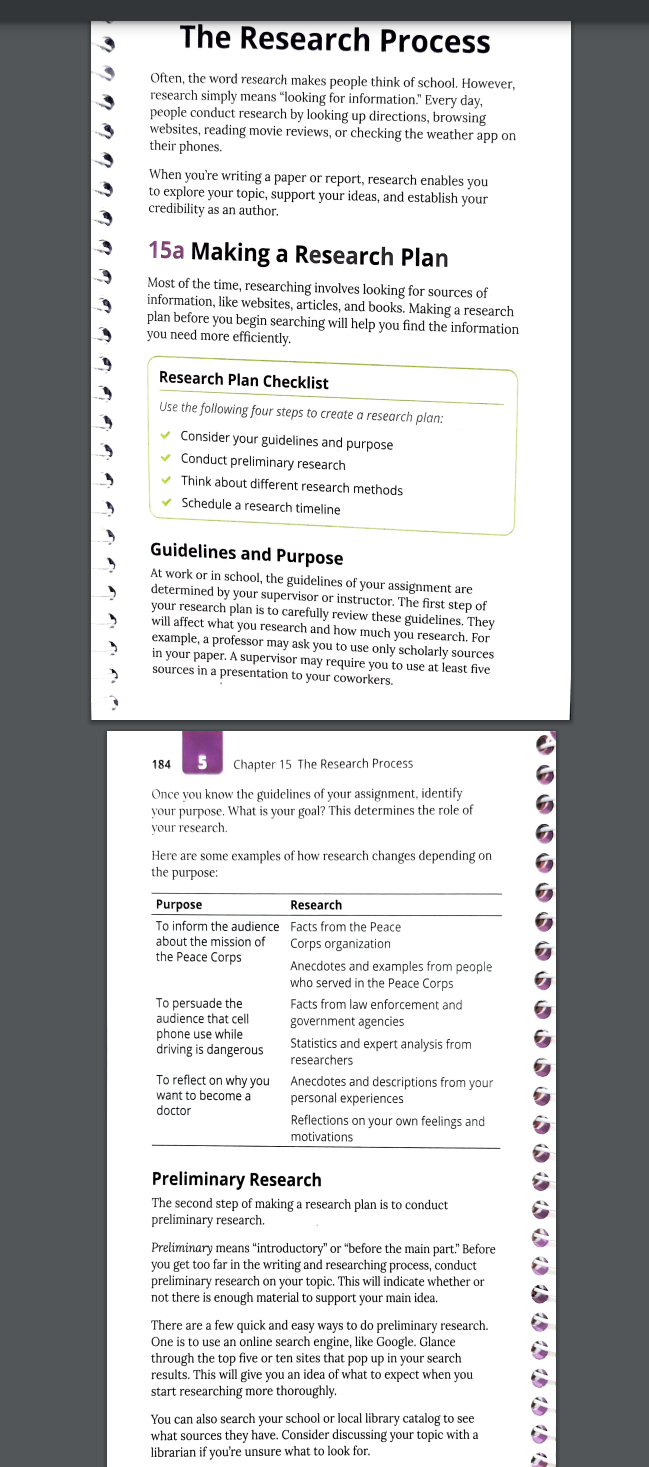
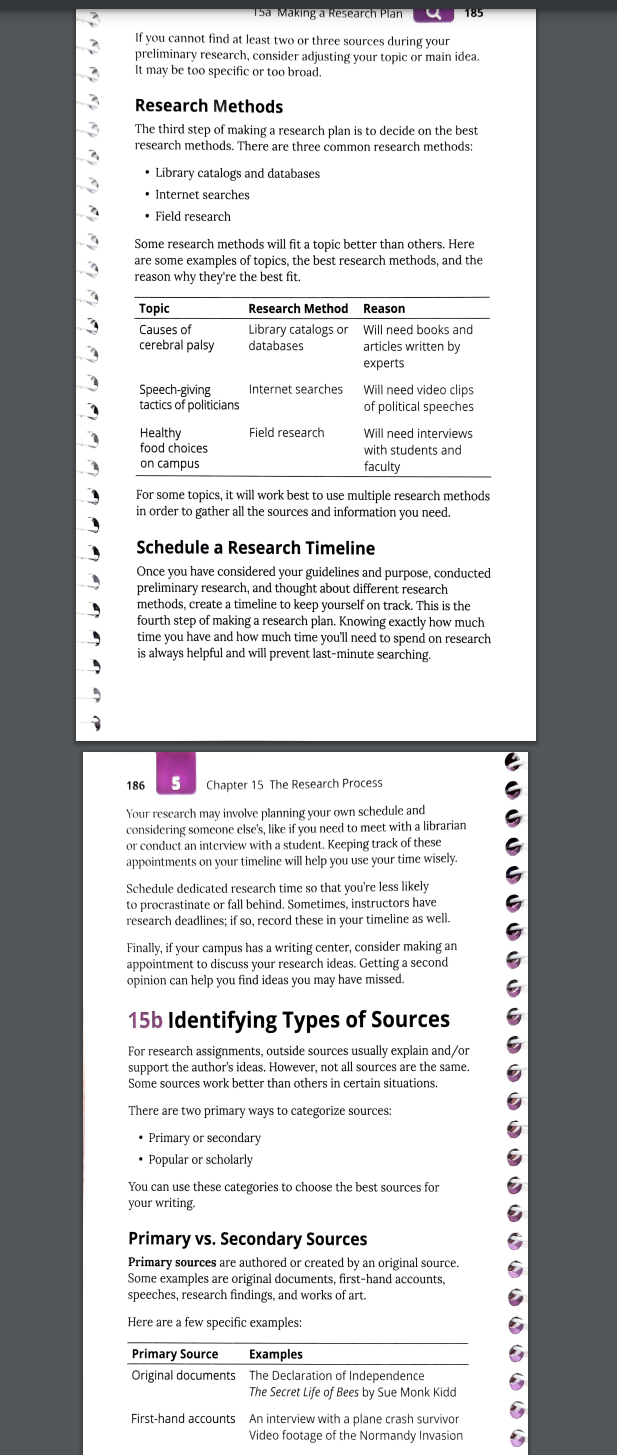
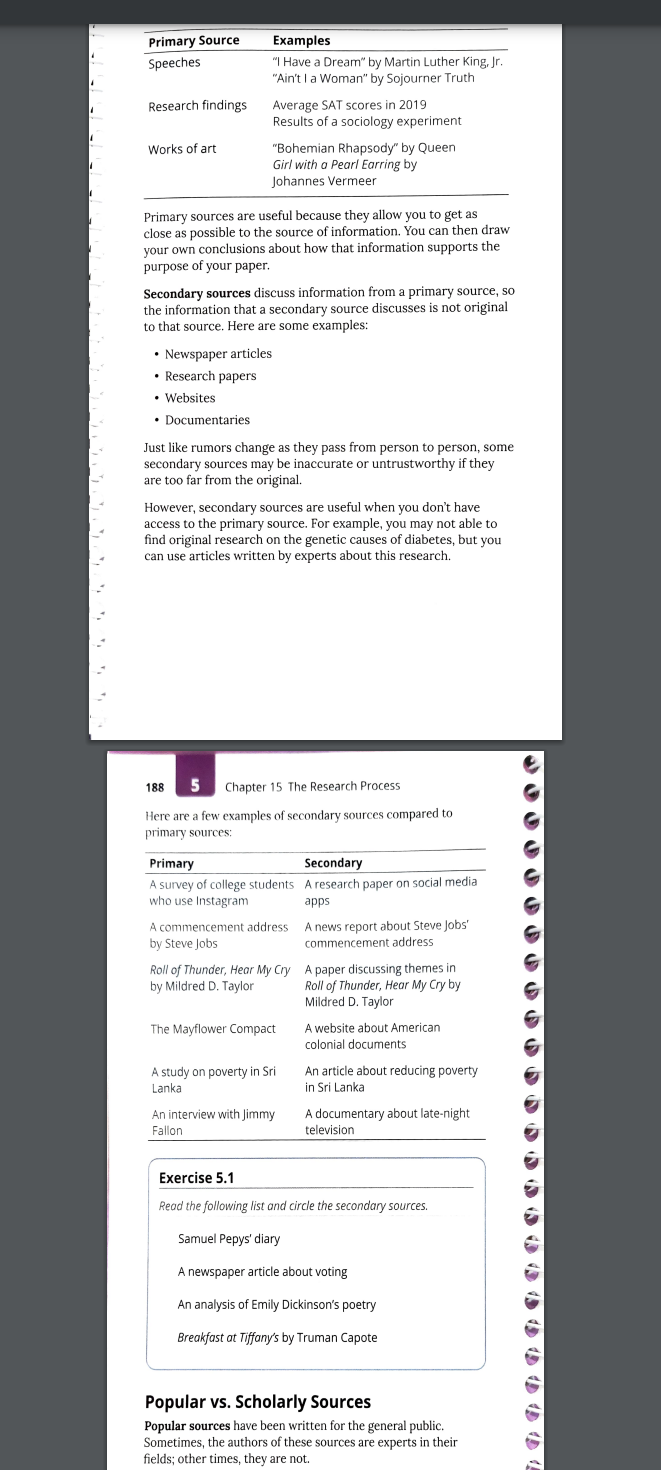
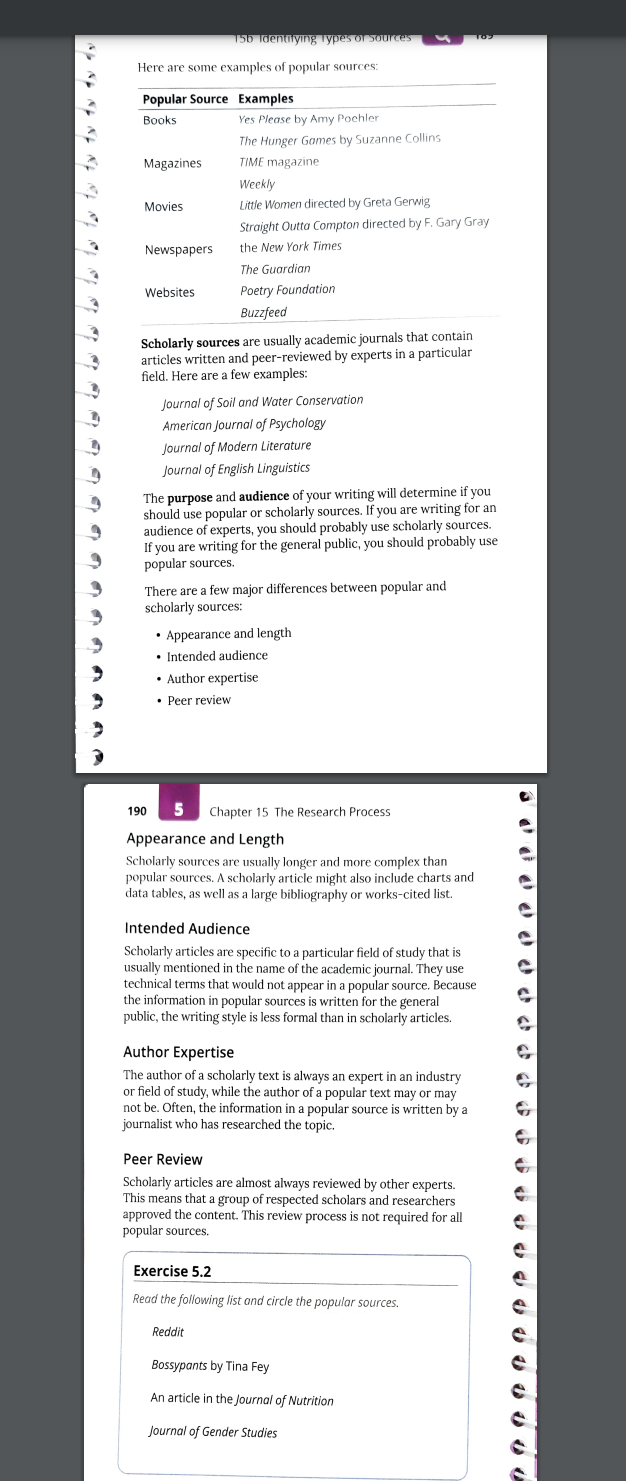
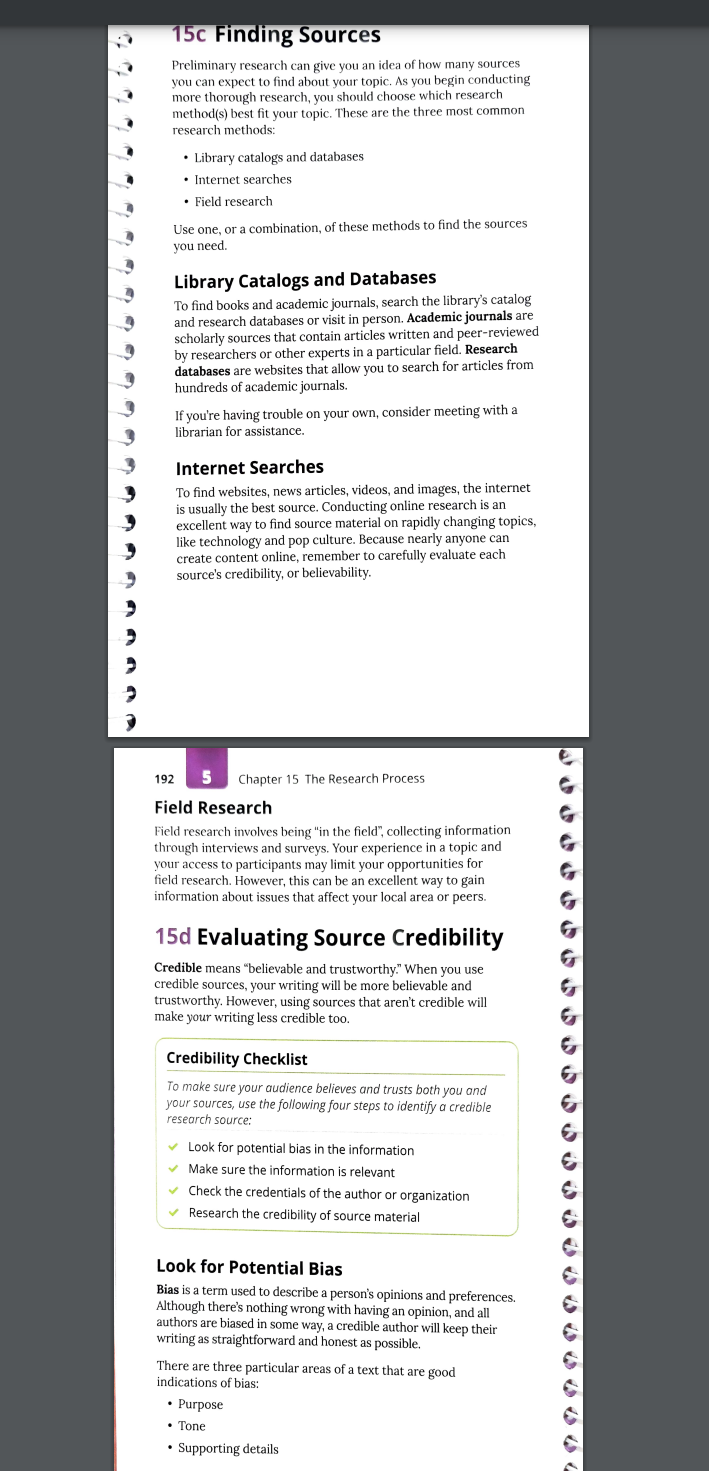
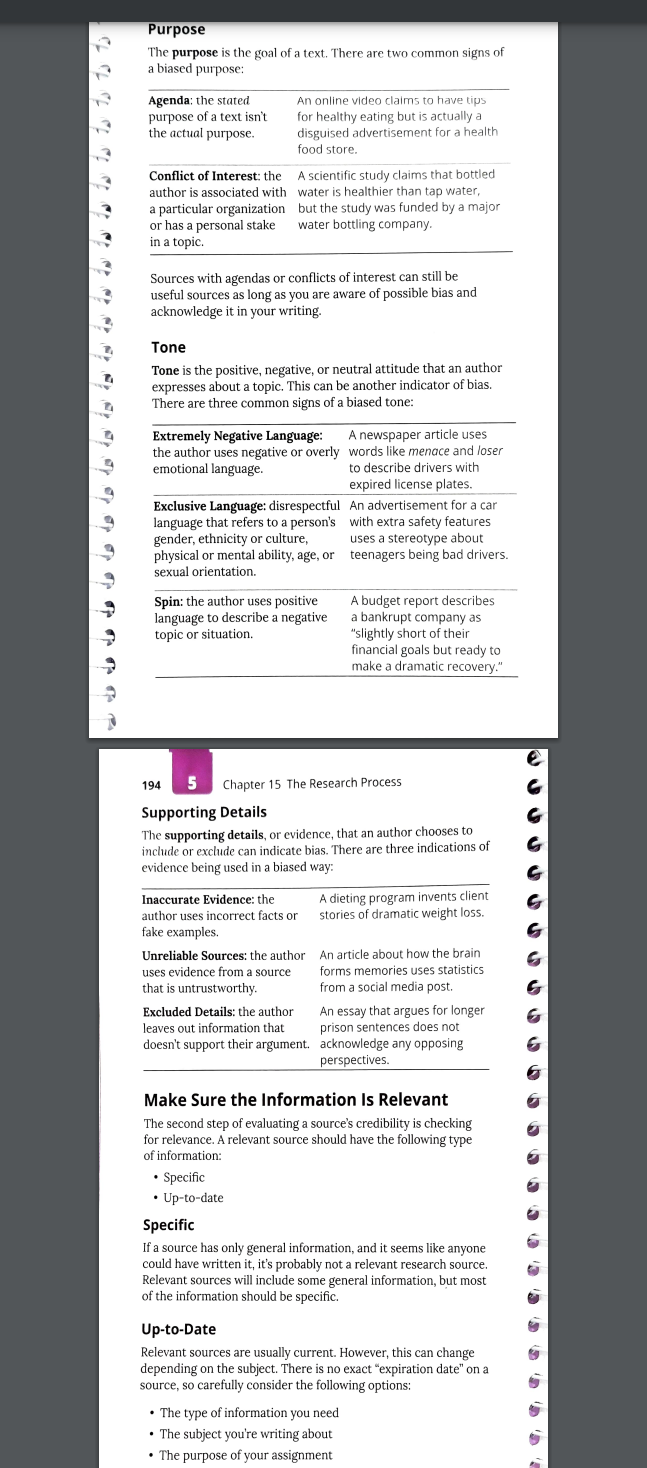
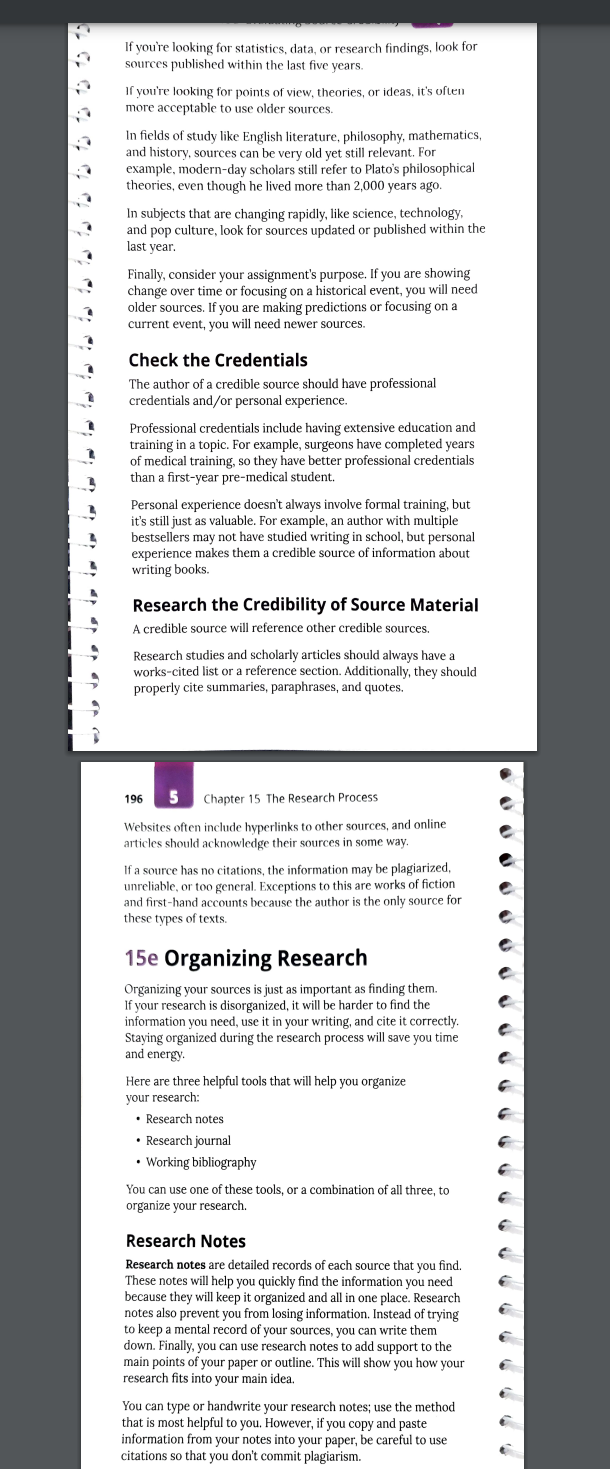
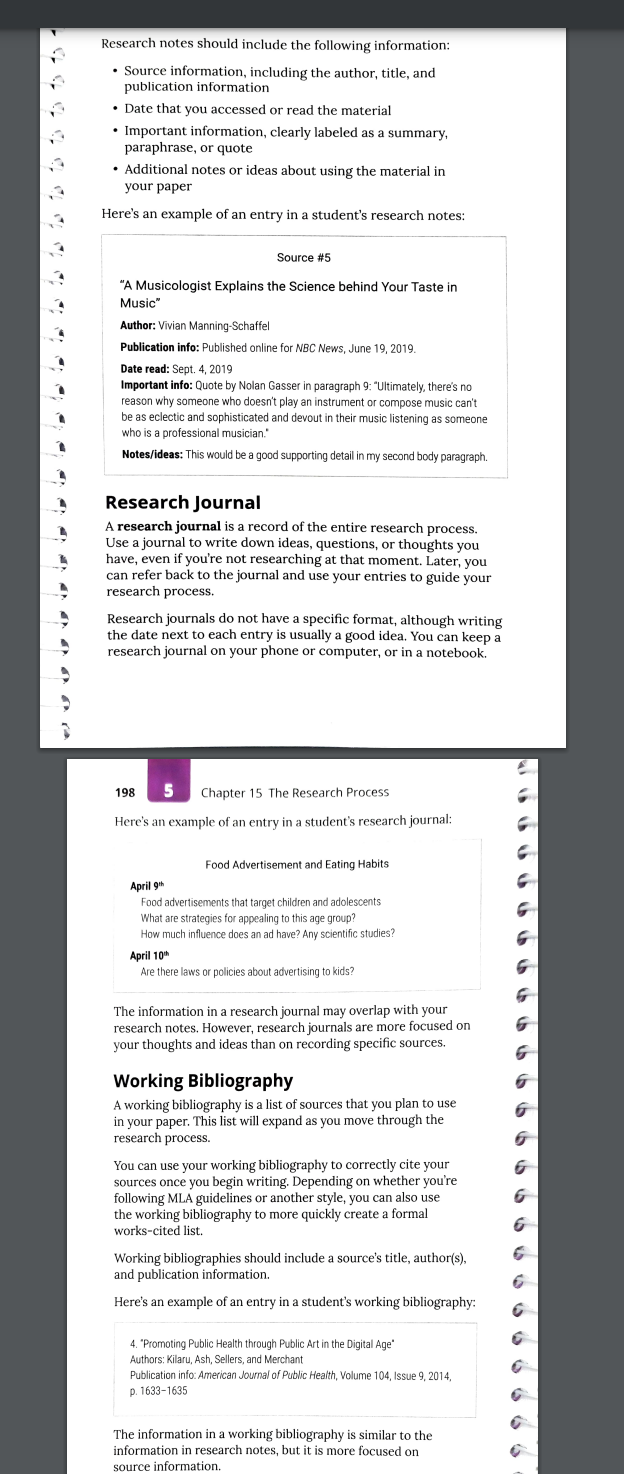
The Research Process Often, the word research makes people think of school. However, research simply means "looking for information." Every day, people conduct research by looking up directions, browsing websites, reading movie reviews, or checking the weather app on their phones. When you're writing a paper or report, research enables you to explore your topic, support your ideas, and establish your credibility as an author. 15a Making a Research Plan Most of the time, researching involves looking for sources of information, like websites, articles, and books. Making a research plan before you begin searching will help you find the information you need more efficiently. Research Plan Checklist Use the following four steps to create a research plan: Consider your guidelines and purpose Conduct preliminary research Think about different research methods Schedule a research timeline Guidelines and Purpose At work or in school, the guidelines of your assignment are determined by your supervisor or instructor. The first step of your research plan is to carefully review these guidelines. They will affect what you research and how much you research. For example, a professor may ask you to use only scholarly sources in your paper. A supervisor may require you to use at least five sources in a presentation to your coworkers. 184 5 Chapter 15 The Research Process Once you know the guidelines of your assignment, identify your purpose. What is your goal? This determines the role of your research. Here are some examples of how research changes depending on the purpose: Purpose Research To inform the audience Facts from the Peace about the mission of Corps organization the Peace Corps Anecdotes and examples from people who served in the Peace Corps To persuade the Facts from law enforcement and audience that cell government agencies phone use while driving is dangerous Statistics and expert analysis from researchers To reflect on why you Anecdotes and descriptions from your want to become a personal experiences doctor Reflections on your own feelings and motivations Preliminary Research The second step of making a research plan is to conduct preliminary research. Preliminary means "introductory" or "before the main part." Before you get too far in the writing and researching process, conduct preliminary research on your topic. This will indicate whether or not there is enough material to support your main idea. There are a few quick and easy ways to do preliminary research. One is to use an online search engine, like Google. Glance through the top five or ten sites that pop up in your search results. This will give you an idea of what to expect when you start researching more thoroughly. You can also search your school or local library catalog to see what sources they have. Consider discussing your topic with a librarian if you're unsure what to look for.If you cannot find at least two or three sources du ring your preliminary research, consider adjusting your topic or main idea. It may be too specific or too broad, Research Methods The third step of making a research plan is to decide on the best research methods. There are three common research methods: * Library catalogs and databases * Internet searches * Field research Some research methods will fit a topic better than others. Here are some examples of topics, the best research methods, and the reason why they're the best fit, Topic Research Method Reason Causes of cerebral palsy Speech-giving tactics of politicians Library catalogs or databases Internet searches Will need books and articles written by experts Will need video clips of political speeches Healthy Field research food choices N campus Will need interviews with students and faculty For some topics, it will work best to use multiple research methods in order to gather all the sources and information you need. Schedule a Research Timeline Once you have considered your guidelines and purpose, conducted preliminary research, and thought about different research methods, create a timeline to keep yourself on track. This is the fourth step of making a research plan. Knowing exactly how much time you have and how much time you'll need to spend on research is always helpful and will prevent last-minute searching. Chapter 15 The Research Process Your research may involve planning your own schedule a nd . considering someone else's, like if you need to meet with a librarian or conduct an interview with a student. Keeping track of these appointments on your timeline will help you use your time wisely. Schedule dedicated research time so that you're less likely to procrastinate or fall behind, Sometimes, instructors have research deadlines; if so, record these in your timeline as well. Finally, if your campus has a writing center, consider making an appointment to discuss your research ideas. Getting a second opinion can help you find ideas you may have missed. 15b Identifying Types of Sources For research assignments, outside sources usually explain and /or support the author's ideas. However, not all sources are the same. Some sources work better than others in certain situations, There are two primary ways to categorize sources: * Primary or secondary + Popular or scholarly You can use these categories to choose the best sources for your writing. Primary vs. Secondary Sources Primary sources are authored or created by an original source. Some examples are original documents, first-hand accounts, speeches, research findings, and works of art. Here are a few specific examples: Primary Source Examples Original documents The Declaration of Independence The Secret Life of Bees by Sue Monk Kidd First-hand accounts ~ An interview with a plane crash survivor Video footage of the Normandy Invasion Primary Source _Speeches *| Have a Dream\" by Martin Luther King, Jr. "Ain't | a Woman\" by Sojourner Truth Examples Research findings Average SAT scores in 2019 Results of a sociology experiment works of art "Bohemian Rhapsody\" by Queen Girl with @ Pearl Earring by Johannes Vermeer Primary sources are useful because they allow you to get as close as possible to the source of information. You ean then draw your own conclusions about how that information supports the purpose of your paper., Secondary sources discuss information from a primary source, so the information that a secondary source discusses is not original to that source. Here are some examples: * Newspaper articles * Research papers = Websites * Documentaries Just like rumors change as they pass from person to person, some secondary sources may be inaccurate or untrustworthy if they are too far from the original. However, secondary sources are useful when you don't have access to the primary source, For example, you may not able to find original research on the genetic causes of diabetes, but you can use articles written by experts about this research. Chapter 15 The Research Process Here are a few examples of secondary sources compared to |'|I"i'|'|1i4l?' SOUrCes! Primary Secondary A survey of college students A research paper on social media who use Instagram apps A& commencement address A news report abaut Steve Jobs' by Steve Jobs commencement address Roll of Thunder, Hear My Cry A paper discussing themes in by Mildred D. Taylor Roll of Thunder, Hear My Cry by Mildred D. Taylor The Mayflower Compact A website about American colonial documents A& study on poverty in Sri An article about reducing poverty Lanka in 5ri Lanka Aninterview with Jimmy A documentary about late-night Fallon television Exercise 5.1 Read the following list and circle the secondary sources. Samuel Pepys' diary An analysis of Emily Dickinsen's poetry | A newspaper article about voting Breakfast at Tiffany's by Truman Capote Popular vs. Scholarly Sources Popular sources have been written for the general public. Sometimes, the authors of these sources are experts in their fields; other times, they are not. 00090000000 OODOO i Here are some examples of popular sourees: > Popular Source Examples - W Yers ."frrTr' by Amy Pochler : The Hunger Gomes by Suzanne olling - Magazines TIME magazine - Weekly ' Mavies Little Women directed by Greta Gerwig Strajght Outta Compton directed by F. Gary Gray K Newspapers the New York Times i The Guardian 'Websites Poetry Foundation Buzzfeed e i P o - Scholarly sources are usually academic puma!s that contain 3 articles written and peer-reviewed by experts in a particular B field. Here are a few examples: - Journal of Soil and Water Conservation - American journal of Psychology L] Journal of Modern Literature n Journal of English Linguistics n The purpose and audience of your writing will determine if you " should use popular or scholarly sources. If you are writing for an 9 audience of experts, you should probably use scholarly sources. 1f you are writing for the general public, you should probably use ~ popular sources. 3 There are a few major differences between popular and o scholarly sources: ; + Appearance and length Intended audience + Author expertise = Peer review Chapter 15 The Research Pracess Appearance and Length Scholarly sources are usually longer and more complex than popular sources, A scholarly article might also include charts and data tables, as well as a large bibliography or works-cited list. Intended Audience Scholarly articles are specific to a particular field of study that is usually mentioned in the name of the academic journal. They use technical terms that would not appear in a popular source, Because the information in popular sources is written for the general public, the writing style is less formal than in scholarly articles. Author Expertise The author of a scholarly text is always an expert in an industry or field of study, while the author of a popular text may or may not be. Often, the information in a popular source is written by a Jjournalist who has researched the topic, Peer Review Scholarly articles are almost always reviewed by other experts. This means that a group of respected scholars and researchers approved the content. This review process is not required for all popular sources. Exercise 5.2 Read the following list and .;a'rcfe the popular sources. Reddit Bossypants by Tina Fey An article in the journal of Nutrition Journal of Gender Studies 15c Finding Sources Preliminary research can give you an idea of how many sources you can expect to find about your topic. As you begin conducting more thorough research, you should choose which research method(s) best fit your topic. These are the three most common research methods: . Library catalogs and databases Internet searches . Field research Use one, or a combination, of these methods to find the sources you need. Library Catalogs and Databases To find books and academic journals, search the library's catalog and research databases or visit in person. Academic journals are scholarly sources that contain articles written and peer-reviewed by researchers or other experts in a particular field. Research databases are websites that allow you to search for articles from hundreds of academic journals. If you're having trouble on your own, consider meeting with a librarian for assistance. Internet Searches To find websites, news articles, videos, and images, the internet is usually the best source. Conducting online research is an excellent way to find source material on rapidly changing topics, like technology and pop culture. Because nearly anyone can create content online, remember to carefully evaluate each source's credibility, or believability. 192 5 Chapter 15 The Research Process Field Research Field research involves being "in the field", collecting information through interviews and surveys. Your experience in a topic and your access to participants may limit your opportunities for field research. However, this can be an excellent way to gain information about issues that affect your local area or peers. 15d Evaluating Source Credibility Credible means "believable and trustworthy." When you use credible sources, your writing will be more believable and trustworthy. However, using sources that aren't credible will make your writing less credible too. Credibility Checklist To make sure your audience believes and trusts both you and your sources, use the following four steps to identify a credible research source: Look for potential bias in the information Make sure the information is relevant Check the credentials of the author or organization Research the credibility of source material Look for Potential Bias Bias is a term used to describe a person's opinions and preferences. Although there's nothing wrong with having an opinion, and all authors are biased in some way, a credible author will keep their writing as straightforward and honest as possible. There are three particular areas of a text that are good indications of bias: . Purpose . Tone . Supporting detailsPurpose The purpose is the goal of a text. There are two common signs of a biased purpose: Agenda: the stated An online video claims to have tips purpose of a text isn't for healthy eating but is actually a the actual purpose. disguised advertisement for a health food store. Conflict of Interest: the A scientific study claims that bottled author is associated with water is healthier than tap water, a particular organization but the study was funded by a major or has a personal stake water bottling company. in a topic. Sources with agendas or conflicts of interest can still be useful sources as long as you are aware of possible bias and acknowledge it in your writing. Tone Tone is the positive, negative, or neutral attitude that an author expresses about a topic. This can be another indicator of bias. There are three common signs of a biased tone: Extremely Negative Language: A newspaper article uses the author uses negative or overly words like menace and loser emotional language. to describe drivers with expired license plates. Exclusive Language: disrespectful An advertisement for a car language that refers to a person's with extra safety features gender, ethnicity or culture, uses a stereotype about physical or mental ability, age, or teenagers being bad drivers. sexual orientation. Spin: the author uses positive A budget report describes language to describe a negative a bankrupt company as topic or situation. "slightly short of their financial goals but ready to make a dramatic recovery." 194 5 Chapter 15 The Research Process Supporting Details The supporting details, or evidence, that an author chooses to include or exclude can indicate bias. There are three indications of evidence being used in a biased way: Inaccurate Evidence: the A dieting program invents client author uses incorrect facts or stories of dramatic weight loss. fake examples. Unreliable Sources: the author An article about how the brain uses evidence from a source forms memories uses statistics that is untrustworthy. from a social media post Excluded Details: the author An essay that argues for longer leaves out information that prison sentences does not doesn't support their argument. acknowledge any opposing perspectives. Make Sure the Information Is Relevant The second step of evaluating a source's credibility is checking for relevance. A relevant source should have the following type of information: . Specific . Up-to-date Specific If a source has only general information, and it seems like anyone could have written it, it's probably not a relevant research source. Relevant sources will include some general information, but most of the information should be specific. Up-to-Date Relevant sources are usually current. However, this can change depending on the subject. There is no exact "expiration date" on a source, so carefully consider the following options: . The type of information you need . The subject you're writing about . The purpose of your assignment'- 'e ) up dp dp @ irF 2 Professional credentials include having extensive education and training in a topic. For example, surgeons have completed years A of medical training, so they have better professional credentials 3 than a first-year pre-medical student. r Personal experience doesn't always involve formal training, but o it's still just as valuable. For example, an author with multiple A bestsellers may not have studied writing in schoal, but personal ' experience makes them a credible source of information about L writing books. If you're looking for statistics, data, or research findings, look for sources published within the last five years ITyou're looking for points of view, theories, or ideas, it's often maore acceptable to use older sources. In fields of study like English literature, philosophy, mathematics, and history, sources can be very old yet still relevant, For example, modern-day scholars still refer to Plato's philosophical theories, even though he lived more than 2,000 years ago. In subjects that are changing rapidly, like science, technology, and pop culture, look for sources updated or published within the last vear. Finally, consider your assignment's purpose. If you are showing change over time or focusing on a historical event, you will need older sources. If you are making predictions or focusing on a current event, you will need newer sources. Check the Credentials The author of a credible source should have professional credentials and /or personal experience. Research the Credibility of Source Material A credible source will reference other credible sources. Research studies and scholarly articles should always have a works-cited list or a reference section. Additionally, they should properly cite summaries, paraphrases, and quotes, Chapter 15 The Research Process Wehsites often include yperlinks to other sources, and online articles should acknowledge their sources in some way. If a source has no citations, the information may be plagiarizt'd. unreliable, or too general. Exceptions to this are works of fiction and first-hand accounts because the author is the only source for these types of texts, 15e Organizing Research Organizing your sources is just as important as finding them. If your research is disorganized, it will be harder to find the information you need, use it in your writing, and cite it correctly. Staying organized during the research process will save you time and energy. Here are three helpful tools that will help you organize your research: + Research notes + Research journal * Working bibliography You can use one of these tools, or a combination of all three, to organize your research, Research Notes Research motes are detailed records of each source that you find. These notes will help you quickly find the information you need because they will keep it organized and all in one place. Research notes also prevent you from losing information, Instead of trying to keep a mental record of your sources, you can write them down. Finally, you can use research notes to add support to the main points of your paper or outline. This will show you how your research fits into your main idea, R EEEEEEEEEREEEEEEEEE R } citations so that you don't commit plagiarism. & You ean type or handwrite your research notes; use the method that is most helpful to you, However, if you copy and paste information from your notes into your paper, be careful to use Research notes should include the following information: * Source information, including the author, title, and el publication information Date that you accessed or read the material - * Important information, clearly labeled as a summary, paraphrase, or quote . . Additional notes or ideas about using the material in your paper Here's an example of an entry in a student's research notes: Source #5 \"A Musicologist Explains the Science behind Your Taste in Music\" Author: Vivian Manning-Schaffel Publication info: Published online for NEC News, June 19, 2019. - Date read: Sept. 4, 2019 A Important info: Quote by Nolan Gasser in paragraph 9: \"Ultimately, there's no e reason why someone who doesn't play an instrument or compese music can't u be as eclectic and sophisticated and devout in their music listening as someone who is a professional musician Notes/ideas: This would be a good supporting detail in my secand body parageaph. Research Journal A research journal is a record of the entire research process. > Use a journal to write down ideas, questions, or thoughts you & have, even if you're not researching at that moment. Later, you % can refer back to the journal and use your entries to guide your research process, : Research journals do not have a specific format, although writing a the date next to each entry is usually a good idea, You can keepa > research journal on your phone or computer, or in a notebook, Chapter 15 The Research Process Here's an example of an entry in a student's research journal: Food Advertiserment and Eating Habits April 9 Food advertisements that target children and adolescents What are strateqgies for appealing to this age group? How much influence does an ad have? Any scientific studies? April 10 Are there Laws or policies about advertising to kids? The information in a research journal may overlap with your research notes. However, research journals are more focused on your thoughts and ideas than on recording specific sources. Working Bibliography Aworking bibliography is a list of sources that you plan to use in your paper. This list will expand as you move through the research process. You can use your working bibliography to correctly cite your sources once you begin writing. Depending on whether you're following MLA guidelines or another style, you can also use the working bibliography to more quickly create a formal works-cited list, Working bibliographies should include a source's title, author(s), and publication information. Here's an example of an entry in a student's working bibliography: 4. "Promoting Public Health through Public Art in the Digital Age Authars: Kilaru, Ash, Sellers, and Merchant Publication info: American Journal of Public Health, Volume 104, 1ssue 9, 2014, p. 1633-1635 The information in a working bibliography is similar to the information in research notes, but it is more focused on source information, .o.e,e;e.hhahmmmq\\mmt\\h!\\t\\t\ nuuw
Step by Step Solution
There are 3 Steps involved in it
1 Expert Approved Answer
Step: 1 Unlock
Question Has Been Solved by an Expert!
Get step-by-step solutions from verified subject matter experts
Step: 2 Unlock
Step: 3 Unlock
Students Have Also Explored These Related Business Writing Questions!