







Question: Please help answer Interdependence of Middle Eastern Nations Directions: Please use the links and the book to answer the following questions. Make sure your answers
Please help answer
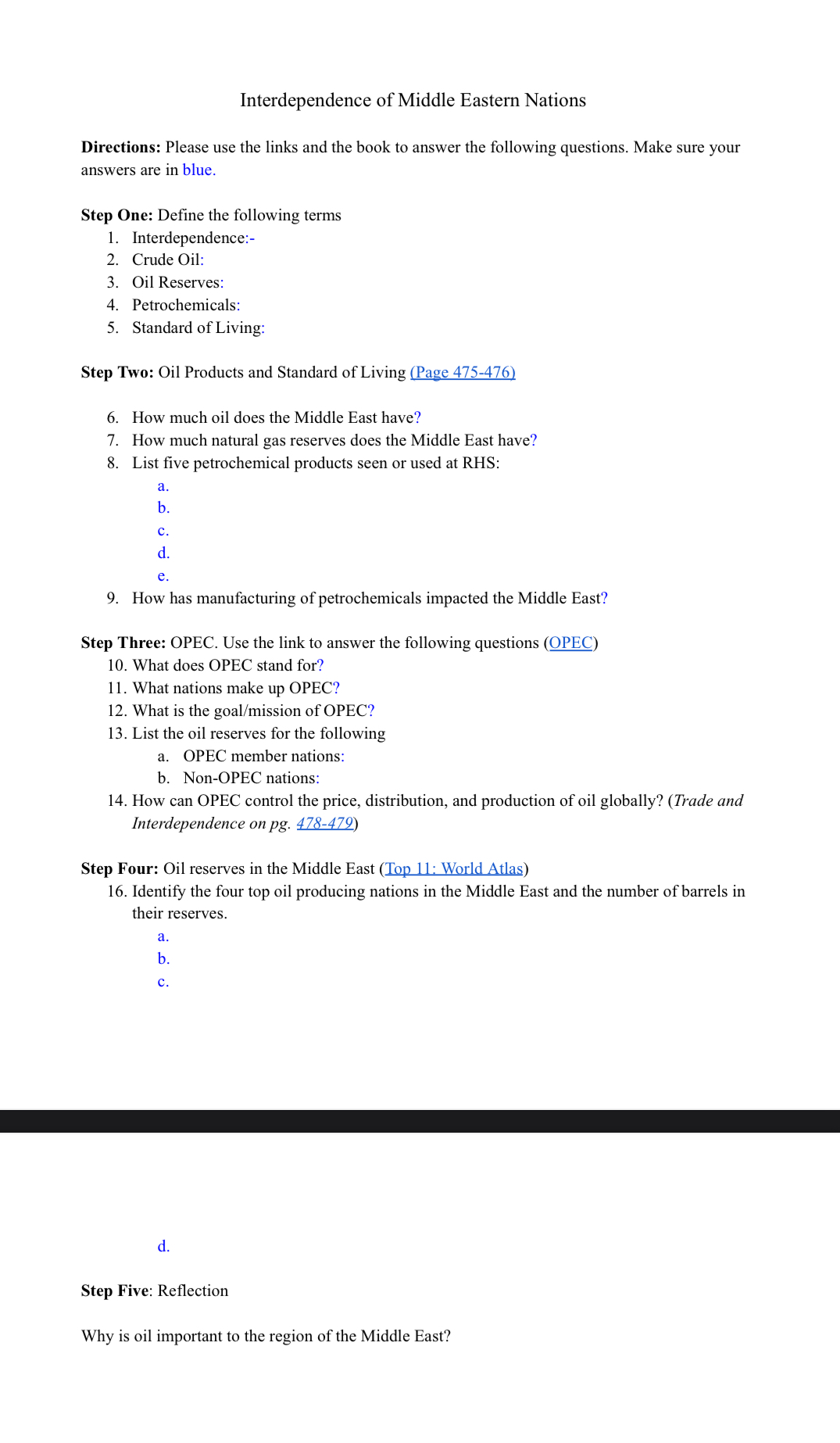
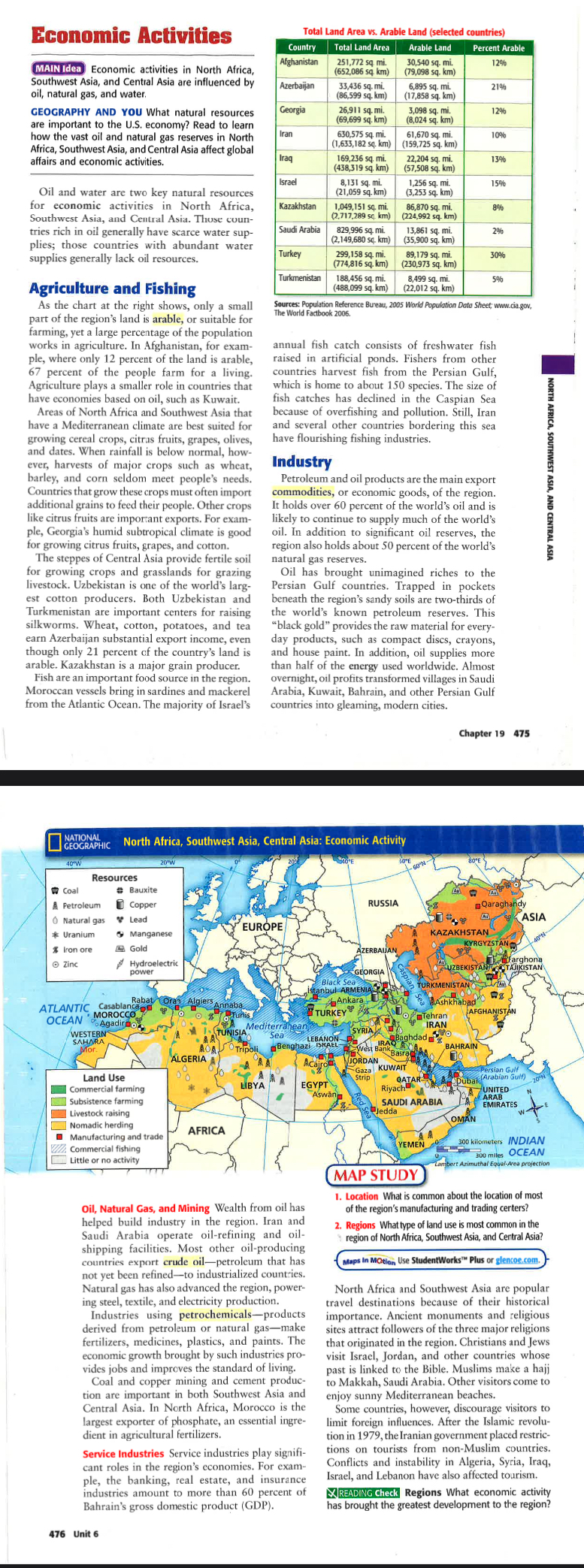
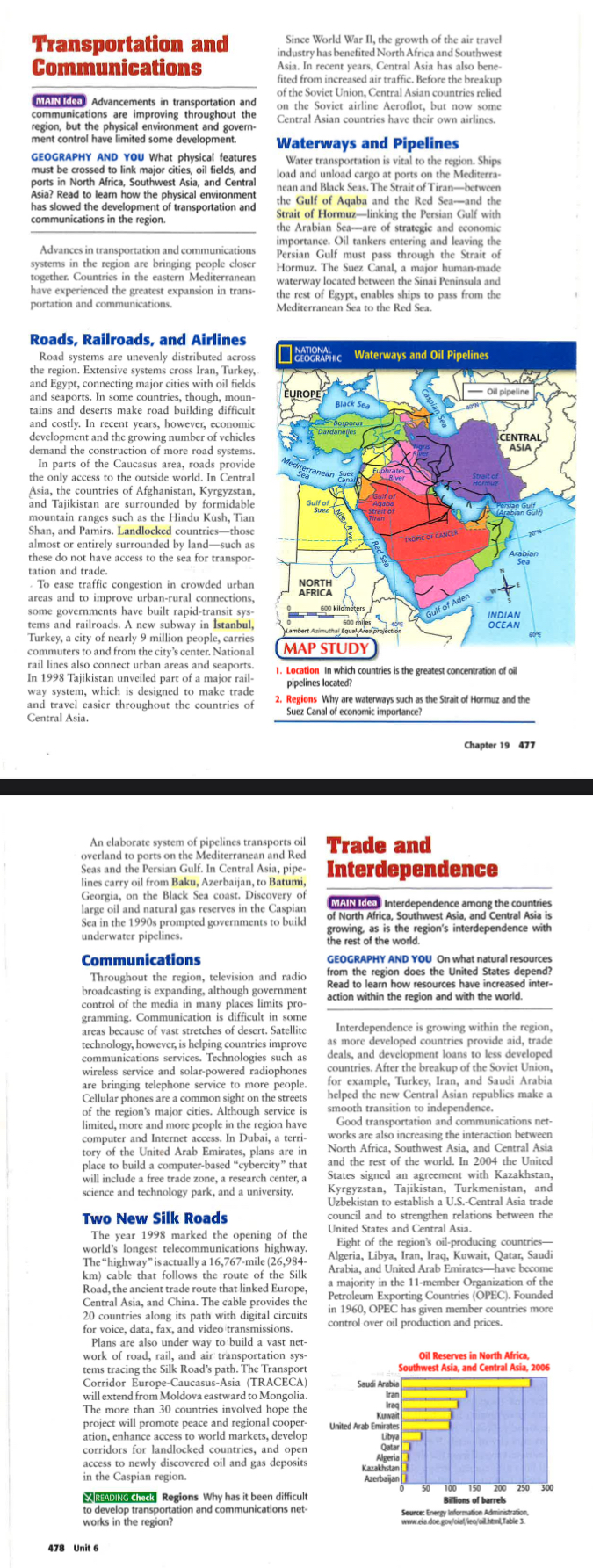
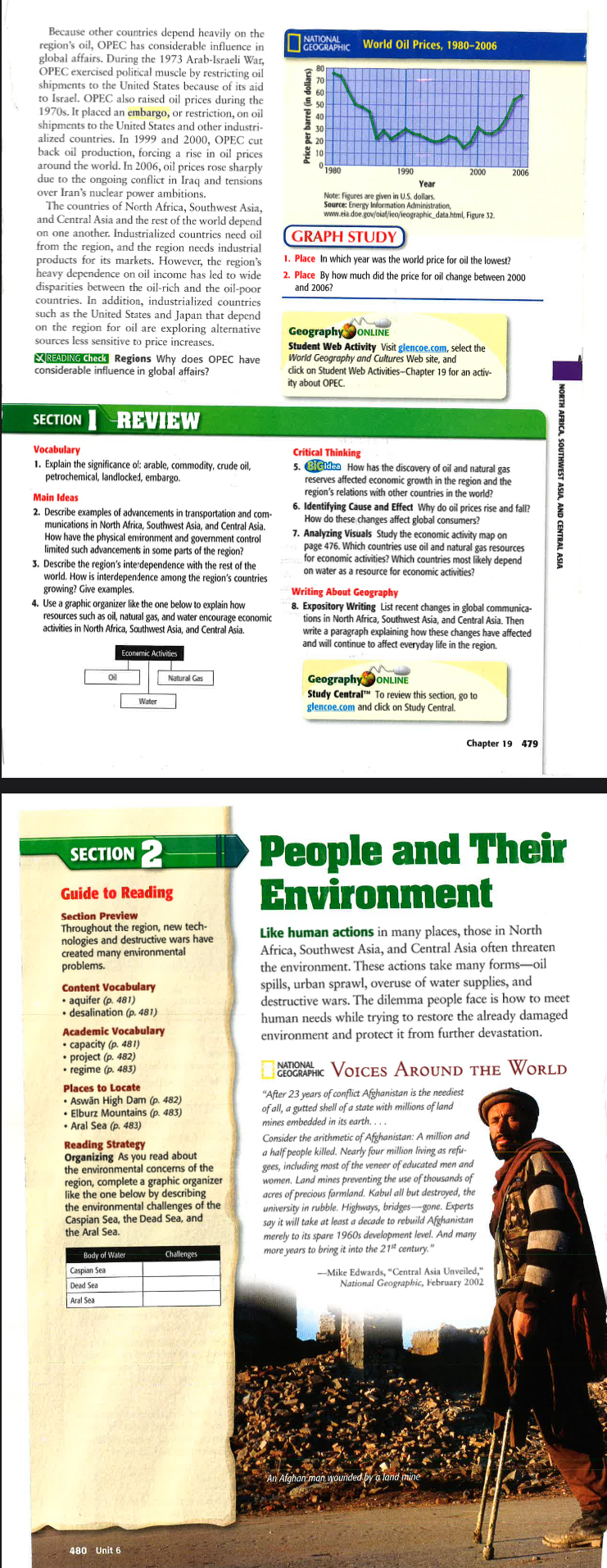
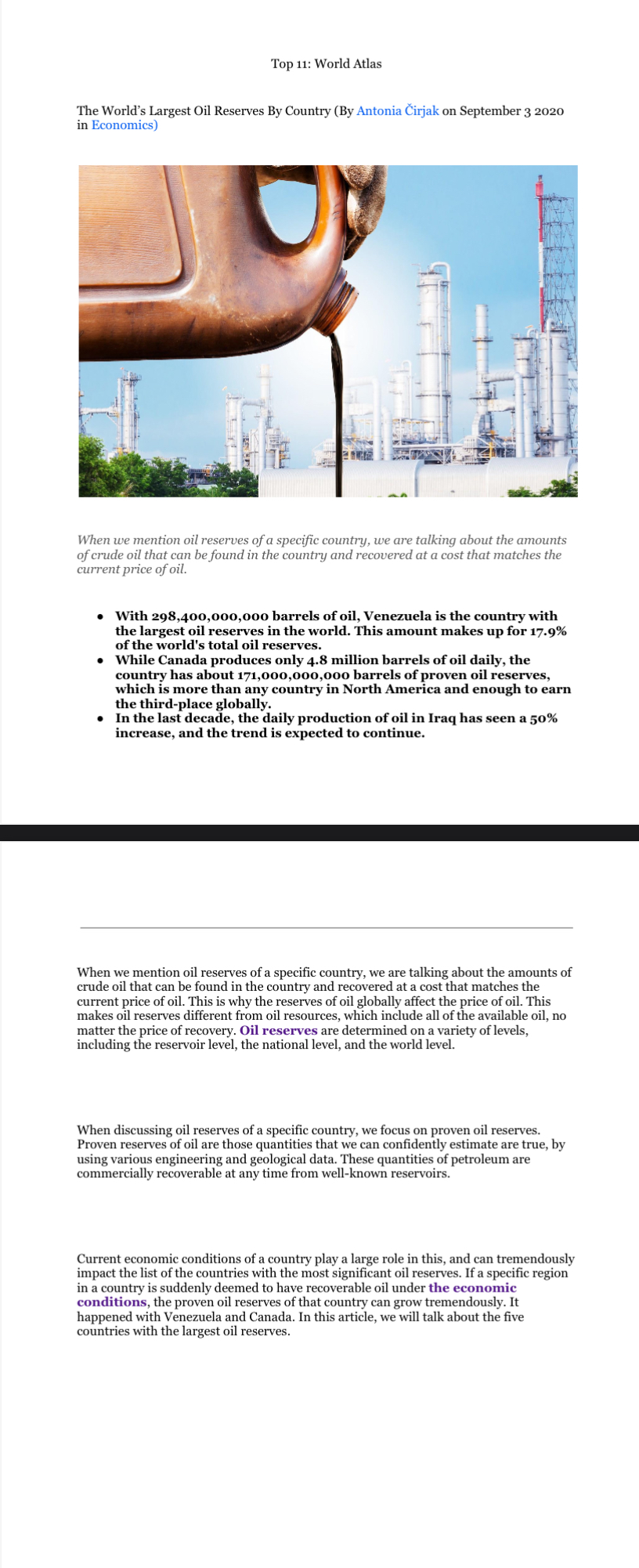
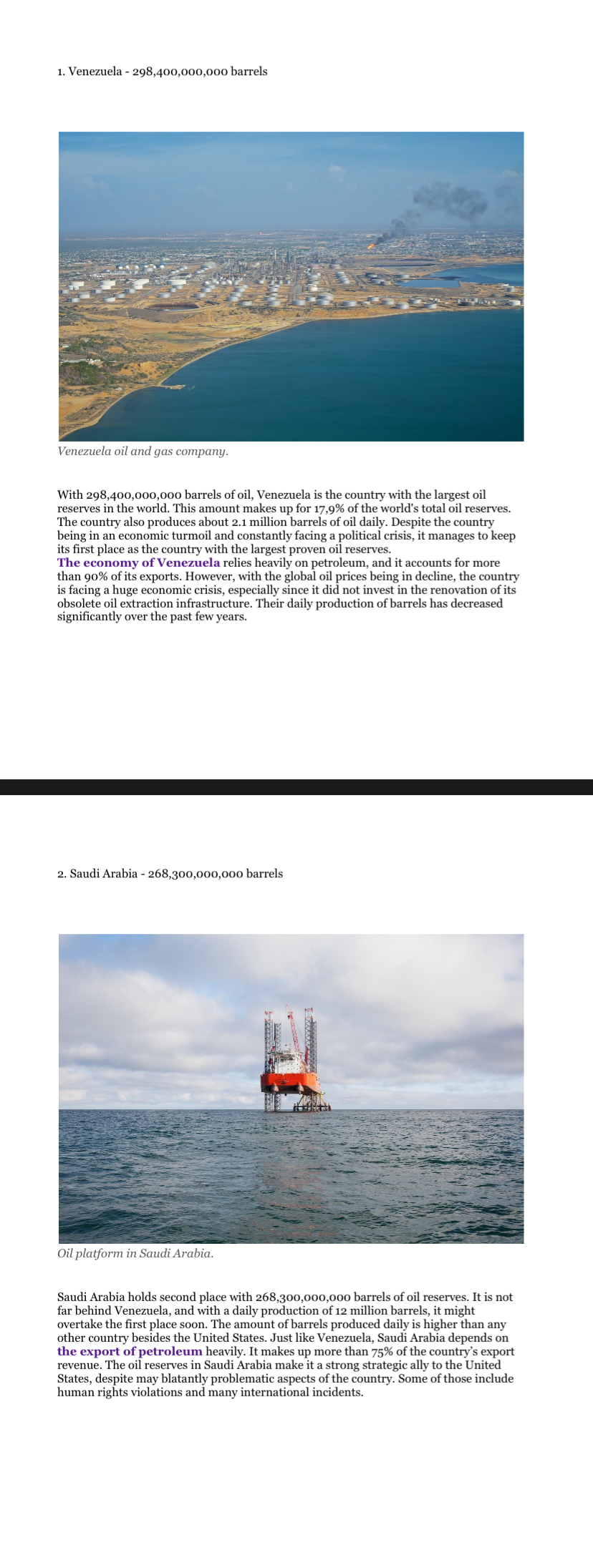
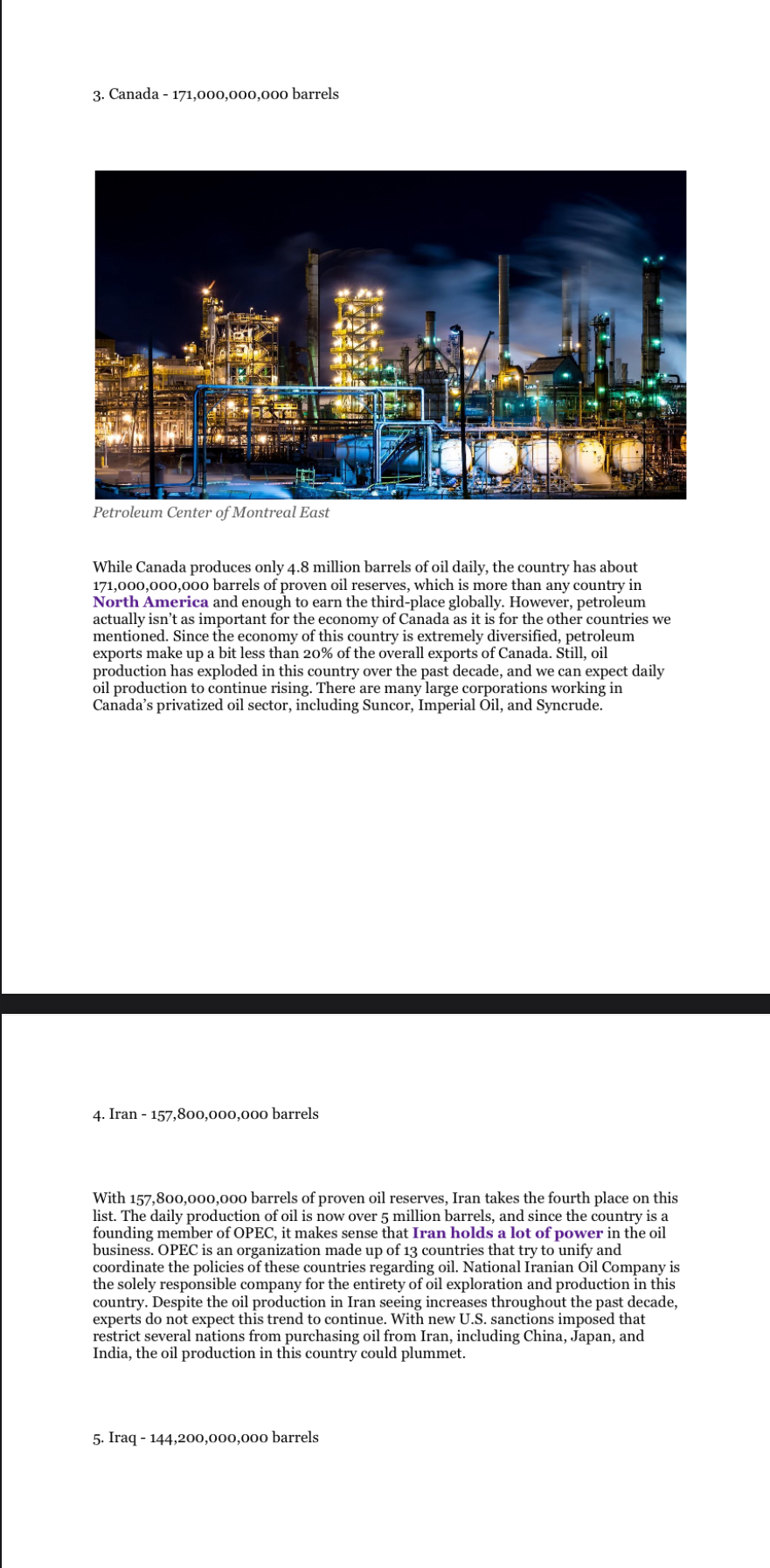
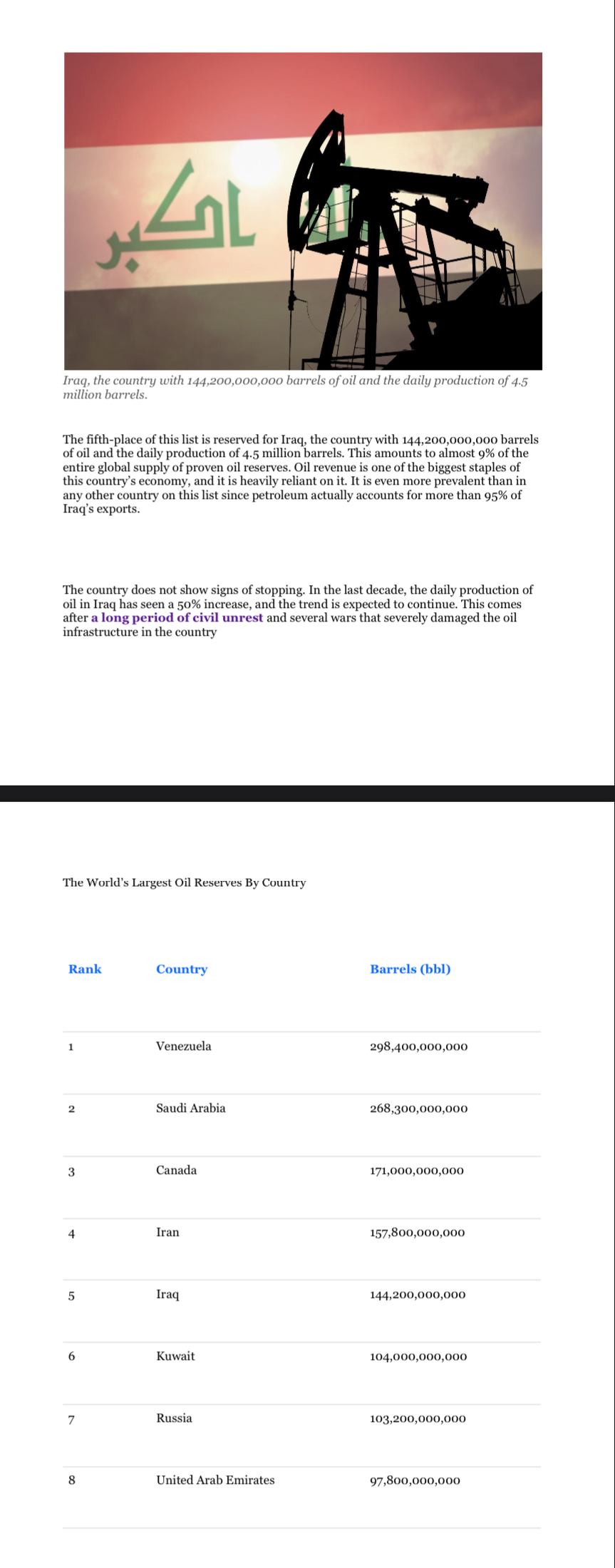
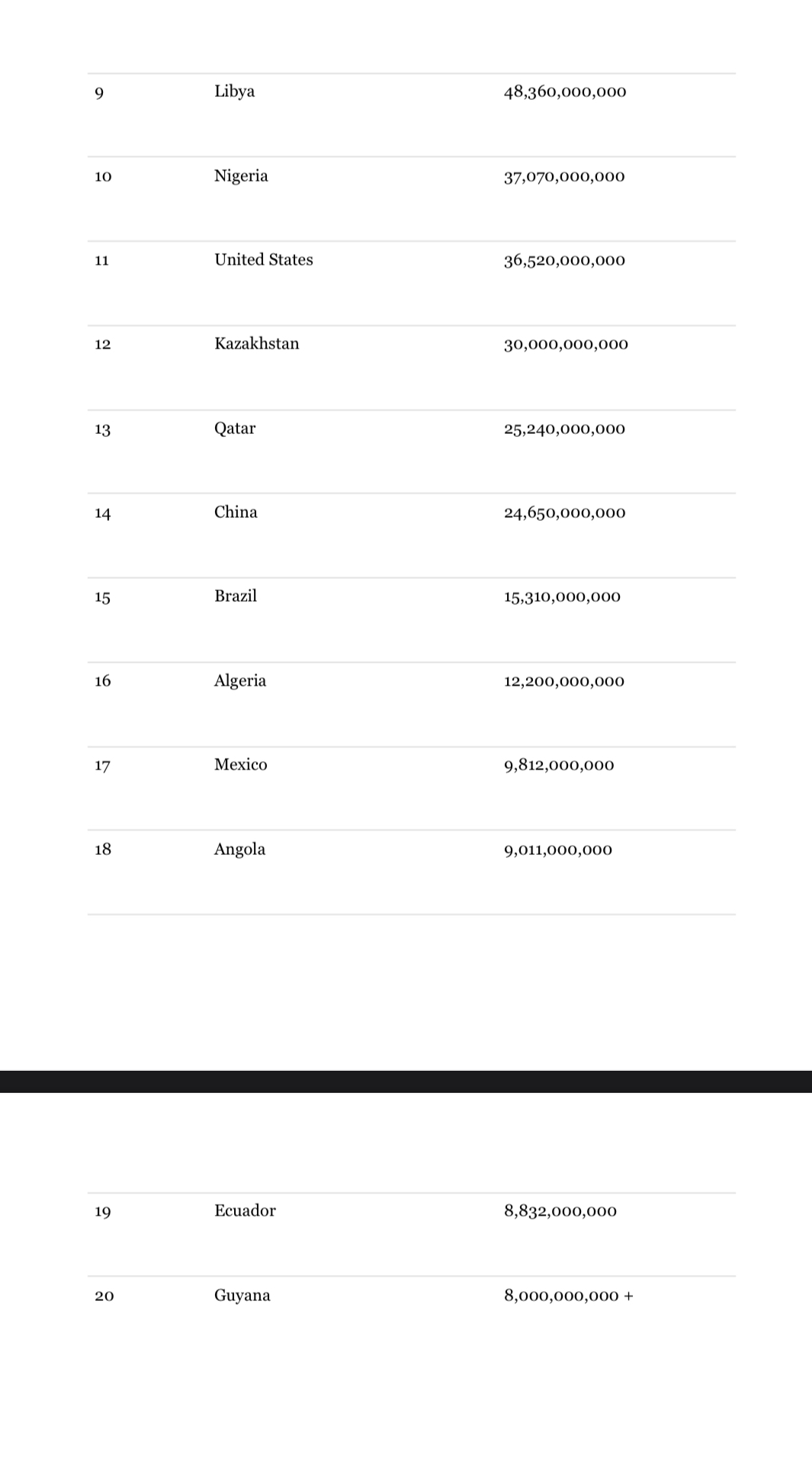
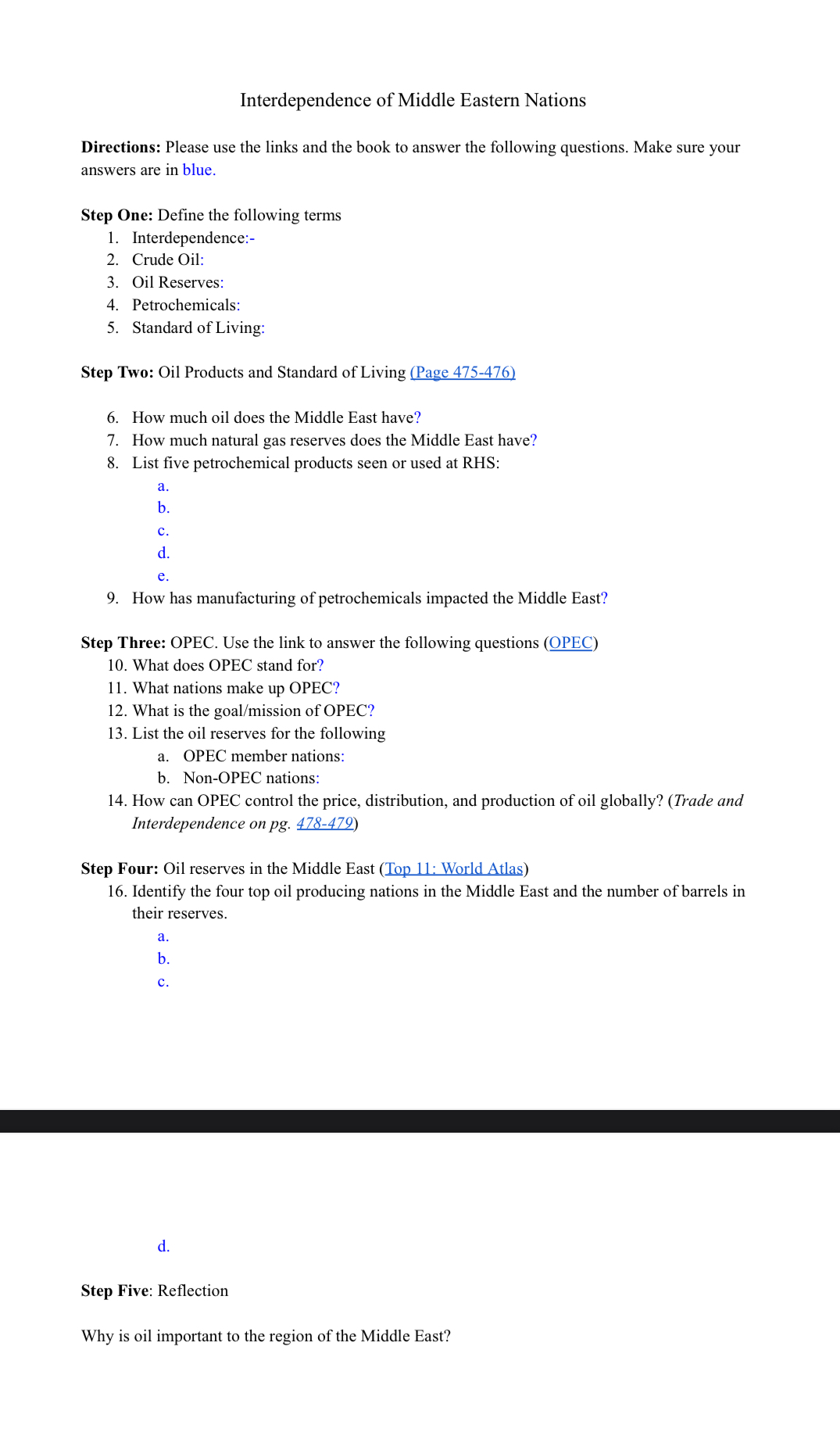
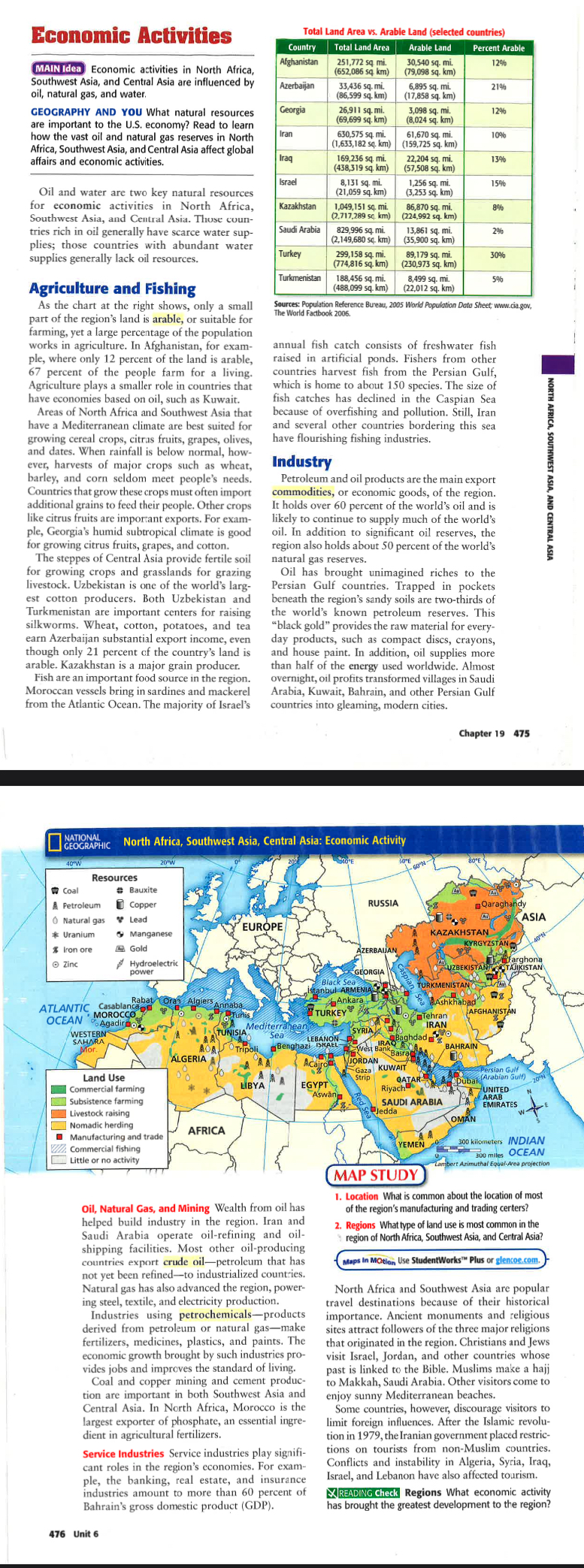
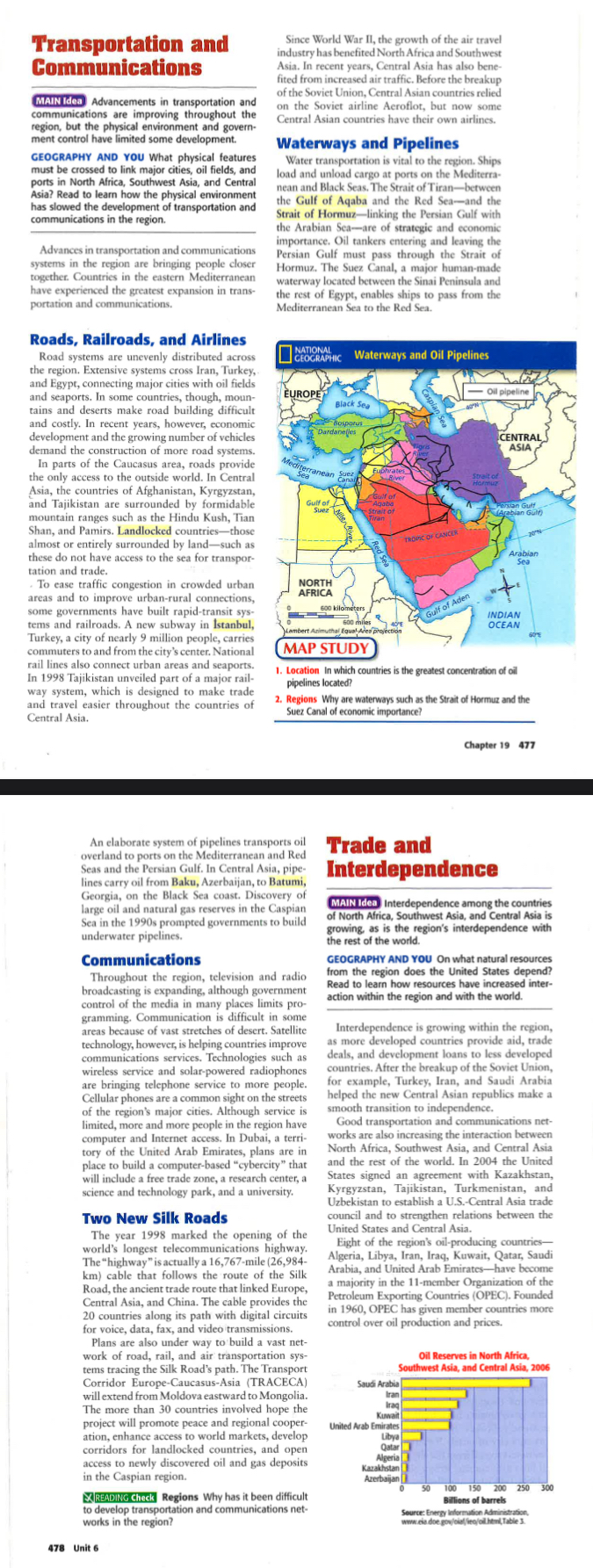
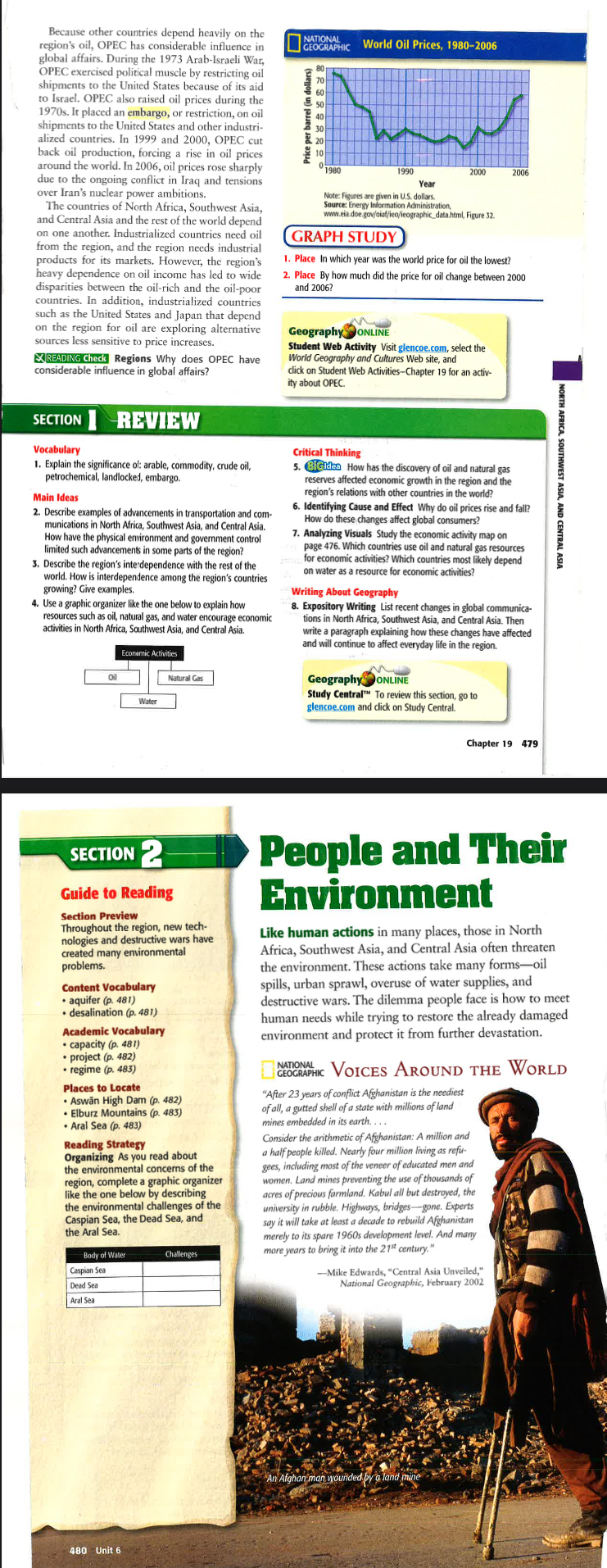
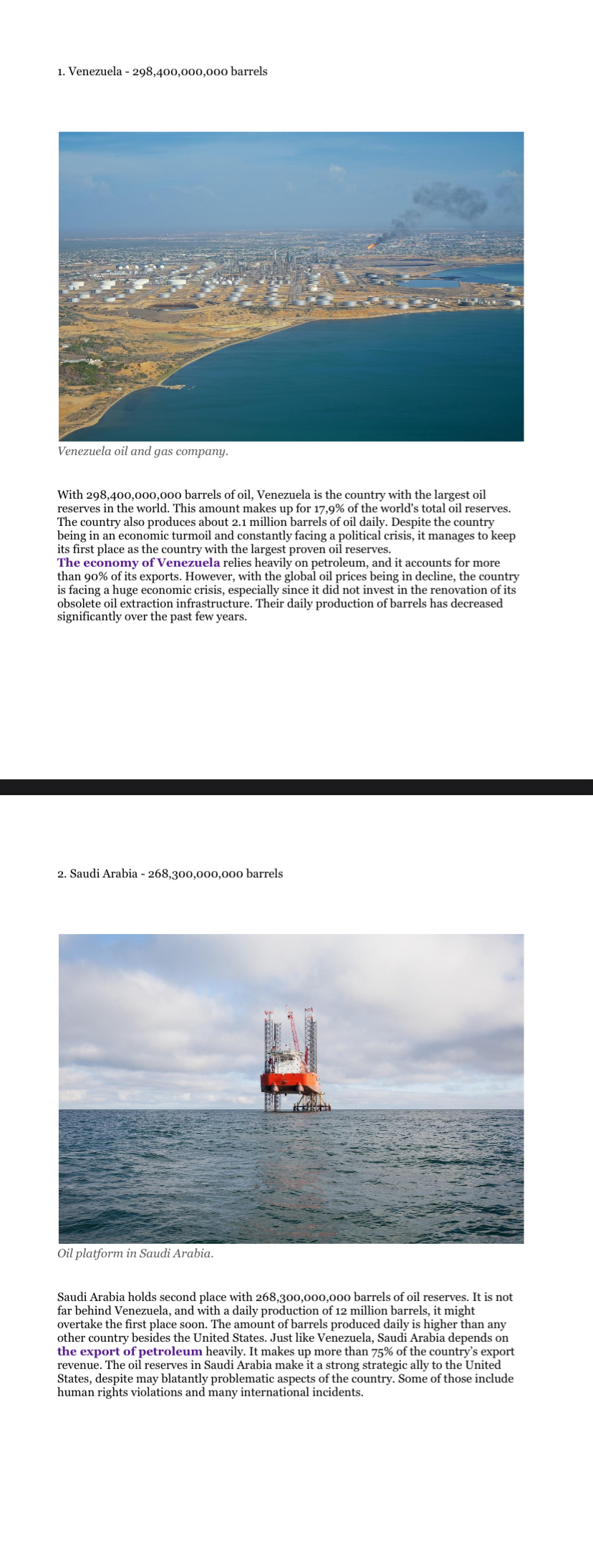
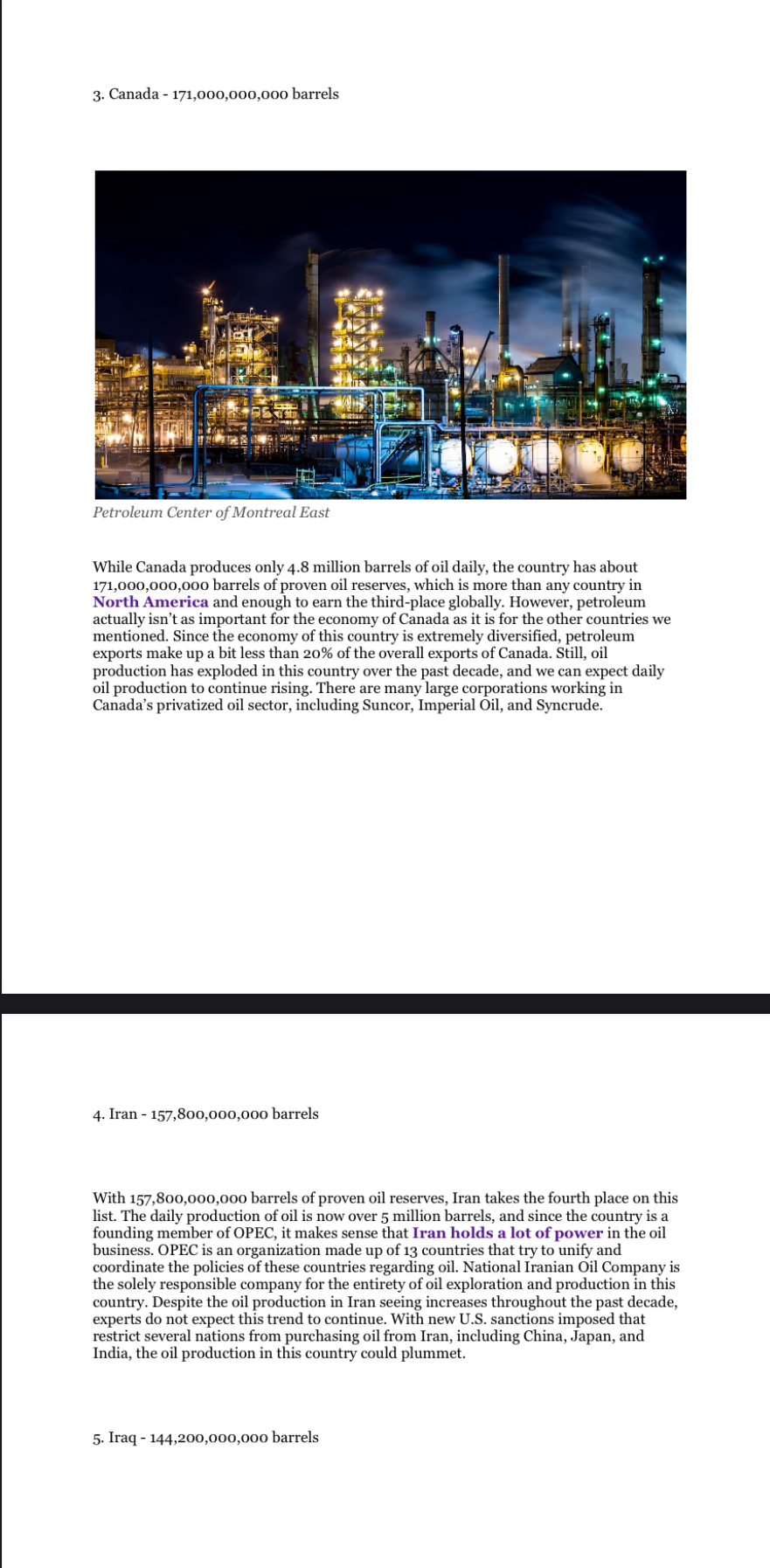
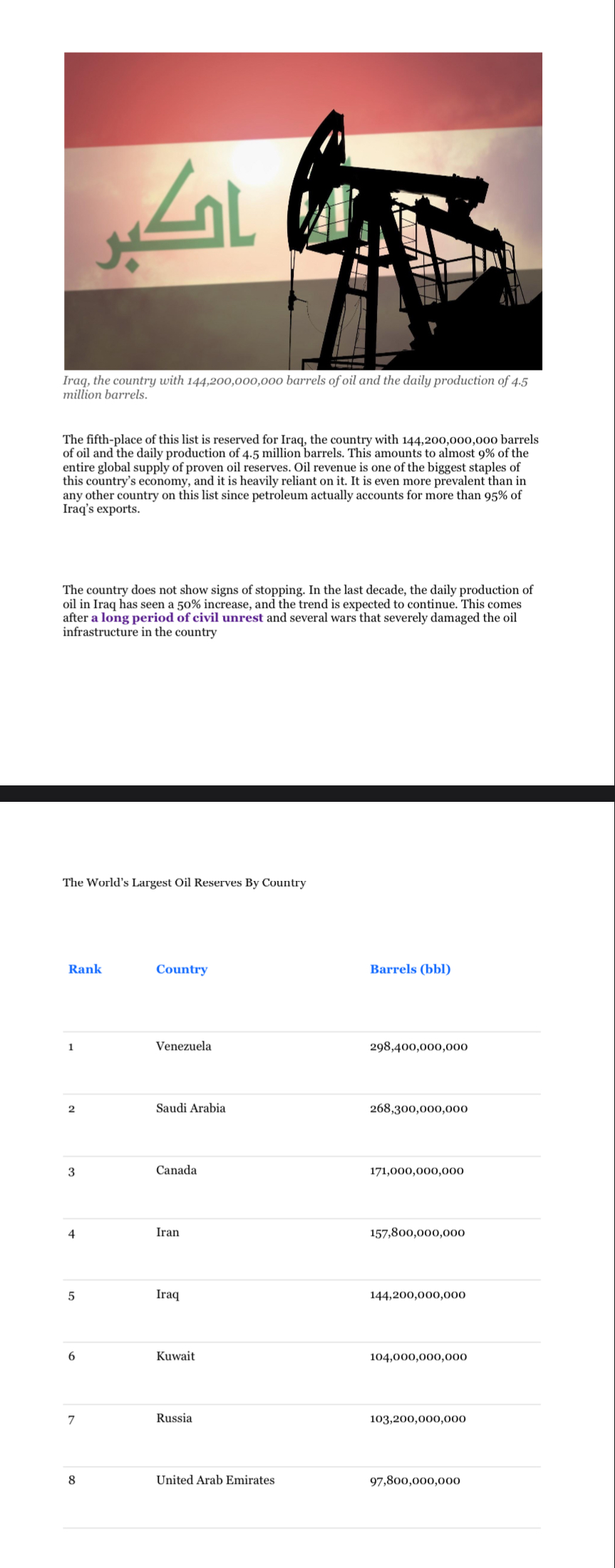
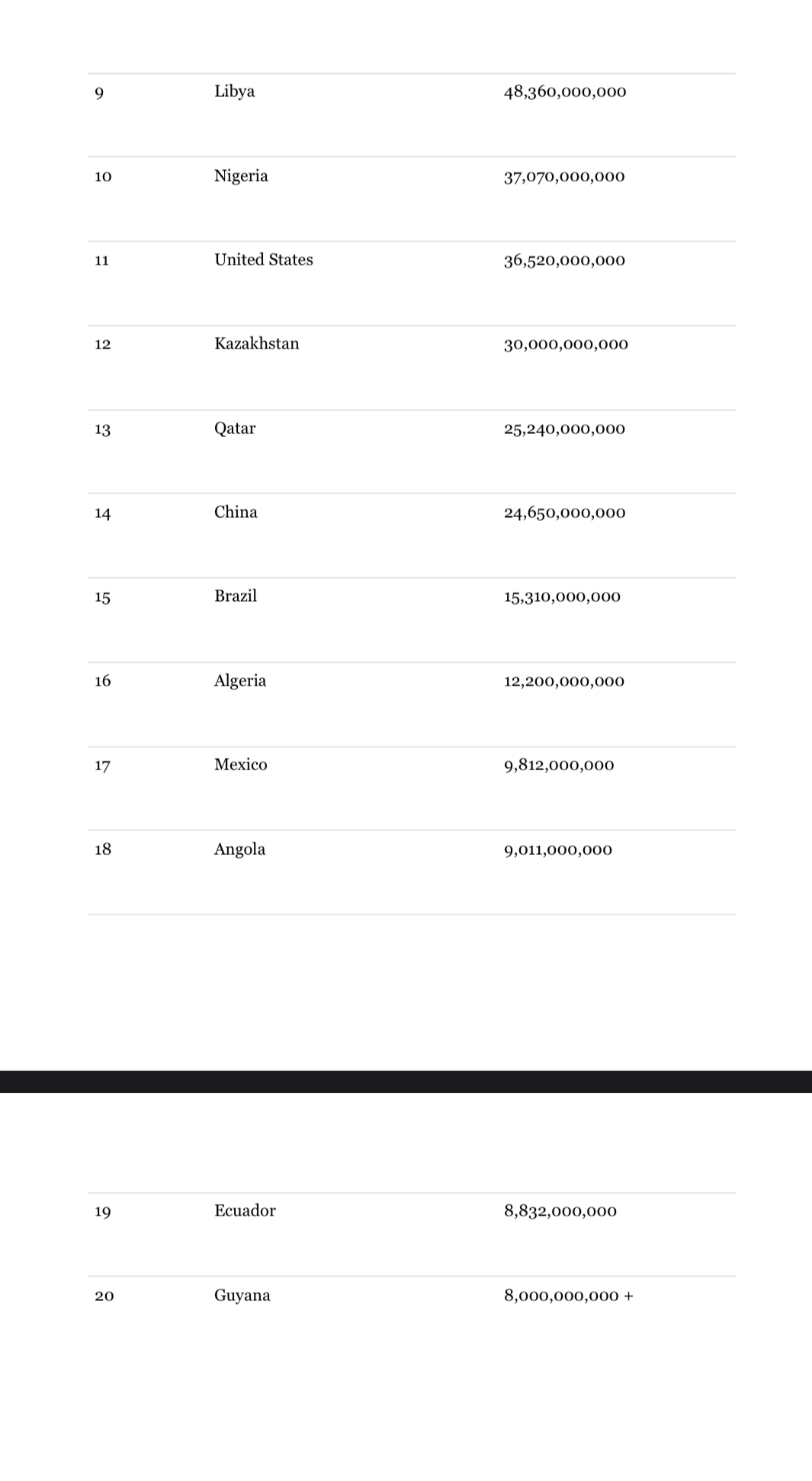
Interdependence of Middle Eastern Nations Directions: Please use the links and the book to answer the following questions. Make sure your answers are in blue. Step One: Dene the following terms 1. Interdependence:- Crude Oil: Oil Reserves: Petrochemicals: Standard of Living: 9'95\"!\" Step Two: Oil Products and Standard of Living Page 475-476! 6. How much oil does the Middle East have? 7. How much natural gas reserves does the Middle East have? 8. List ve petrochemical products seen or used at RHS: a. b. c. d. e. 9. How has manufacturing of petrochemicals impacted the Middle East? Step Three: OPEC. Use the link to answer the following questions (w) 10. What does OPEC stand for? 11. What nations make up OPEC '? 12. What is the goal/mission of OPEC? 13. List the oil reserves for the following 3. OPEC member nations: b. Non-OPEC nations: 14. How can OPEC control the price, distribution. and production of oil globally? (Trade and Interdependence on pg. 5' 7 72) Step Four: Oil reserves in the Middle East (Top ' Wm d A; as) 16. Identify the four top oil producing nations in the Middle East and the number of barrels in their reserves. a. b. C. Step Five: Reection Why is oil important to the region of the Middle East'? Economic Activities Total Land Area vs. Arable Land (selected countries) Country Total Land Area Arable Land Percent Arable Afghanistan 251,772 sq. mi. 30,540 sq. mi. 12% MAIN Idea Economic activities in North Africa, (652,086 sq km) (79,098 sq. km) Southwest Asia, and Central Asia are influenced by Azerbaijan 33,436 sq. mi. 6,895 sq. mi. 219% oil, natural gas, and water. (86,599 sq. km) (17,858 sq. km) GEOGRAPHY AND YOU What natural resources Georgia 26,911 sq. mi. 3,098 sq. mi. 12% are important to the U.S. economy? Read to learn (69,699 sq. km) (8,024 sq. km) how the vast oil and natural gas reserves in North ran 630,575 sq. mi. 61,670 sq. mi. 10% Africa, Southwest Asia, and Central Asia affect global (1,633,182 5q. km) (159,725 sq. km) affairs and economic activities 169,236 sq. mi. 22,204 sq. mi. 13% (438,319 sq. km) (57,508 sq. km) Israel 8,131 sq. mi. 1,256 sq. mi. 15% Oil and water are two key natural resources (21,059 sq.km) (3,253 sq. km) for economic activities in North Africa, Kazakhstan 1,049,151 sq. mi. 86,870 sq. mi. 8% Southwest Asia, and Central Asia. Those coun- (2,717,289 sq km) (224,992 sq. km) tries rich in oil generally have scarce water sup- Saudi Arabia 829,996 sq. mi 13,861 sq. mi. 2% plies; those countries with abundant water (2,149,680 sq. km) (35,900 sq. km) supplies generally lack oil resources. Turkey 299,158 sq. mi. 89,179 sq. mi. 30% 774,816 sq. km) (230,973 sq. km) Turkmenistan 188,456 sq. mi. 8,499 sq. mi. 596 Agriculture and Fishing (488,099 sq. km) (22,012 sq. km) As the chart at the right shows, only a small Sources: Population Reference Bureau, 2005 World Population Data Sheet; www.cia.gov. part of the region's land is arable, or suitable for The World Factbook 2006. farming, yet a large percentage of the population works in agriculture. In Afghanistan, for exam- annual fish catch consists of freshwater fish ple, where only 12 percent of the land is arable, raised in artificial ponds. Fishers from other 67 percent of the people farm for a living. countries harvest fish from the Persian Gulf, Agriculture plays a smaller role in countries that which is home to about 150 species. The size of have economies based on oil, such as Kuwait. fish catches has declined in the Caspian Sea Areas of North Africa and Southwest Asia that because of overfishing and pollution. Still, Iran have a Mediterranean climate are best suited for and several other countries bordering this sea growing cereal crops, citrus fruits, grapes, olives, have flourishing fishing industries. NORTH AFRICA, SOUTHWEST ASIA, A and dates. When rainfall is below normal, how- ever, harvests of major crops such as wheat, Industry barley, and corn seldom meet people's needs. Petroleum and oil products are the main export Countries that grow these crops must often import commodities, or economic goods, of the region. additional grains to feed their people. Other crops It holds over 60 percent of the world's oil and is like citrus fruits are important exports. For exam- likely to continue to supply much of the world's ple, Georgia's humid subtropical climate is good oil. In addition to significant oil reserves, the ND CENTRAL ASIA for growing citrus fruits, grapes, and cotton. region also holds about 50 percent of the world's The steppes of Central Asia provide fertile soil natural gas reserves. for growing crops and grasslands for grazing Oil has brought unimagined riches to the livestock. Uzbekistan is one of the world's larg- Persian Gulf countries. Trapped in pockets est cotton producers. Both Uzbekistan and beneath the region's sandy soils are two-thirds of Turkmenistan are important centers for raising the world's known petroleum reserves. This silkworms. Wheat, cotton, potatoes, and tea "black gold" provides the raw material for every- earn Azerbaijan substantial export income, even day products, such as compact discs, crayons, though only 21 percent of the country's land is and house paint. In addition, oil supplies more arable. Kazakhstan is a major grain producer. than half of the energy used worldwide. Almost Fish are an important food source in the region. overnight, oil profits transformed villages in Saudi Moroccan vessels bring in sardines and mackerel Arabia, Kuwait, Bahrain, and other Persian Gulf from the Atlantic Ocean. The majority of Israel's countries into gleaming, modern cities. Chapter 19 475 NATIONAL GEOGRAPHIC North Africa, Southwest Asia, Central Asia: Economic Activity 40 W 20W TE GOPN Resources Coal Bauxite APetroleum Copper RUSSIA Qaraghandy O Natural gas Lead ASIA EUROPE * Uranium Manganese KAZAKHSTAN $ Iron ore Gold AZERBAIJAN KYRGYZSTAN Zinc Hydroelectric Farghon power GEORGIA A UZBEKISTAN TAJIKISTAN Black Sea anbul ARMENIAS TURKMENISTAN Casablancabat Dray Ankara & Ashkhabad "8 ATLANTIC angle Annaba MOROCCO Tunis TURKEY Tehran AFGHANISTAN OCEAN Agadirmon Mediterranean WESTERN TUNISIA Sea SYRIA IRAN SAHARA BA LEBANON AOALS Benghazi ISRAEL- IRAQ Baghdad's BAHRAIN ALGERIA A JORDAN Gaza KUWAIT Persian Gulf Land Use pubar Arabian Gulf Commercial farming LIBYA Strip EGYPT QATAR Aswana Riyadh UNITED Subsistence farming SAUDI ARABIA Livestock raising edda EMIRATES OMA Nomadic herding AFRICA Manufacturing and trade EMEN 300 kilometers INDIAN Z/ZZ. Commercial fishing 360 miles OCEAN Little or no activity Lambert Azimuthal Equal-Area projection MAP STUDY . Location What is common about the location of most Oil, Natural Gas, and Mining Wealth from oil has of the region's manufacturing and trading centers? helped build industry in the region. Iran and 2. Regions What type of land use is most common in the Saudi Arabia operate oil-refining and oil- region of North Africa, Southwest Asia, and Central Asia? shipping facilities. Most other oil-producing countries export crude oil-petroleum that has Maps In Motion Use StudentWorks"" Plus or glencoe.com not yet been refined-to industrialized countries. Natural gas has also advanced the region, power- North Africa and Southwest Asia are popular ing steel, textile, and electricity production. travel destinations because of their historical Industries using petrochemicals-products importance. Ancient monuments and religious derived from petroleum or natural gas-make sites attract followers of the three major religions fertilizers, medicines, plastics, and paints. The that originated in the region. Christians and Jews economic growth brought by such industries pro- visit Israel, Jordan, and other countries whose vides jobs and improves the standard of living. past is linked to the Bible. Muslims make a hajj Coal and copper mining and cement produc- to Makkah, Saudi Arabia. Other visitors come to tion are important in both Southwest Asia and enjoy sunny Mediterranean beaches. Central Asia. In North Africa, Morocco is the Some countries, however, discourage visitors to largest exporter of phosphate, an essential ingre- limit foreign influences. After the Islamic revolu- dient in agricultural fertilizers. tion in 1979, the Iranian government placed restrict Service Industries Service industries play signifi- tions on tourists from non-Muslim countries. cant roles in the region's economies. For exam- Conflicts and instability in Algeria, Syria, Iraq, ple, the banking, real estate, and insurance Israel, and Lebanon have also affected tourism. industries amount to more than 60 percent of X READING Check Regions What economic activity Bahrain's gross domestic product (GDP). has brought the greatest development to the region? 476 Unit 6Transportation and Since World War II, the growth of the air travel industry has benefited North Africa and Southwest Communications Asia. In recent years, Central Asia has also bene- fited from increased air traffic. Before the breakup MAIN Idea Advancements in transportation and of the Soviet Union, Central Asian countries relied communications are improving throughout the on the Soviet airline Aeroflot, but now some region, but the physical environment and govern- Central Asian countries have their own airlines. ment control have limited some development. Waterways and Pipelines GEOGRAPHY AND YOU What physical features must be crossed to link major cities, oil fields, and Water transportation is vital to the region. Ships ports in North Africa, Southwest Asia, and Central load and unload cargo at ports on the Mediterra- Asia? Read to learn how the physical environment nean and Black Seas. The Strait of Tiran-between has slowed the development of transportation and the Gulf of Aqaba and the Red Sea-and the communications in the region. Strait of Hormuz-linking the Persian Gulf with the Arabian Sea-are of strategic and economic Advances in transportation and communications importance. Oil tankers entering and leaving the Persian Gulf must pass through the Strait of systems in the region are bringing people closer Hormuz, The Suez Canal, a major human-made together. Countries in the eastern Mediterranean waterway located between the Sinai Peninsula and have experienced the greatest expansion in trans- the rest of Egypt, enables ships to pass from the portation and communications. Mediterranean Sea to the Red Sea. Roads, Railroads, and Airlines Road systems are unevenly distributed across NATIONAL GEOGRAPHIC Waterways and Oil Pipelines the region. Extensive systems cross Iran, Turkey, and Egypt, connecting major cities with oil fields and seaports. In some countries, though, moun- EUROPE rains and deserts make road building difficult Black Sea an Sea and costly. In recent years, however, economic Bosporus development and the growing number of vehicles Dardanelles CENTRAL demand the construction of more road systems. ASIA In parts of the Caucasus area, roads provide the only access to the outside world. In Central Mediterranean Sues Canal Strait of Asia, the countries of Afghanistan, Kyrgyzstan, and Tajikistan are surrounded by formidable off of Gulf of n Gulf mountain ranges such as the Hindu Kush, Tian Arabian Gulf Shan, and Pamirs. Landlocked countries-those TROPIC OF CANCER almost or entirely surrounded by land-such as these do not have access to the sea for transpor Red Sea Arabi tation and trade. To ease traffic congestion in crowded urban NORTH areas and to improve urban-rural connections, AFRICA some governments have built rapid-transit sys- 600 kilome Gulf of Aden INDIAN tems and railroads. A new subway in Istanbul, imbert As OCEAN Turkey, a city of nearly 9 million people, carries tal Equal Aver projection commuters to and from the city's center. National MAP STUDY rail lines also connect urban areas and seaports. In 1998 Tajikistan unveiled part of a major rail- 1. Location In which countries is the greatest concentration of oil pipelines located? way system, which is designed to make trade and travel easier throughout the countries of 2. Regions Why are waterways such as the Strait of Hormuz and the Central Asia. Suez Canal of economic importance? Chapter 19 477 An elaborate system of pipelines transports oil overland to ports on the Mediterranean and Red Trade and Seas and the Persian Gulf. In Central Asia, pipe- Interdependence lines carry oil from Baku, Azerbaijan, to Batumi, Georgia, on the Black Sea coast. Discovery of large oil and natural gas reserves in the Caspian MAIN Idea Interdependence among the countries Sea in the 1990s prompted governments to build of North Africa, Southwest Asia, and Central Asia is underwater pipelines. growing, as is the region's interdependence with the rest of the world. Communications GEOGRAPHY AND YOU On what natural resources Throughout the region, television and radio from the region does the United States depend? broadcasting is expanding, although government Read to learn how resources have increased inter- control of the media in many places limits pro- action within the region and with the world. gramming. Communication is difficult in some areas because of vast stretches of desert. Satellite Interdependence is growing within the region, technology, however, is helping countries improve as more developed countries provide aid, trade communications services. Technologies such as deals, and development loans to less developed wireless service and solar-powered radiophones countries. After the breakup of the Soviet Union, are bringing telephone service to more people. for example, Turkey, Iran, and Saudi Arabia Cellular phones are a common sight on the streets helped the new Central Asian republics make a of the region's major cities. Although service is smooth transition to independence. limited, more and more people in the region have Good transportation and communications net- computer and Internet access. In Dubai, a terri- works are also increasing the interaction between tory of the United Arab Emirates, plans are in North Africa, Southwest Asia, and Central Asia place to build a computer-based "cybercity" that and the rest of the world. In 2004 the United will include a free trade zone, a research center, a States signed an agreement with Kazakhstan, science and technology park, and a university. Kyrgyzstan, Tajikistan, Turkmenistan, and Uzbekistan to establish a U.S.-Central Asia trade Two New Silk Roads council and to strengthen relations between the The year 1998 marked the opening of the United States and Central Asia. world's longest telecommunications highway. Eight of the region's oil-producing countries- The "highway" is actually a 16,767-mile (26,984- Algeria, Libya, Iran, Iraq, Kuwait, Qatar, Saudi km) cable that follows the route of the Silk Arabia, and United Arab Emirates-have become Road, the ancient trade route that linked Europe, a majority in the 11-member Organization of the Central Asia, and China. The cable provides the Petroleum Exporting Countries (OPEC). Founded 20 countries along its path with digital circuits in 1960, OPEC has given member countries more for voice, data, fax, and video transmissions. control over oil production and prices. Plans are also under way to build a vast net- work of road, rail, and air transportation sys- Oil Reserves in North Africa, tems tracing the Silk Road's path. The Transport Southwest Asia, and Central Asia, 2006 Corridor Europe-Caucasus-Asia (TRACECA) will extend from Moldova eastward to Mongolia. The more than 30 countries involved hope the project will promote peace and regional cooper- United Arab Burger ation, enhance access to world markets, develop corridors for landlocked countries, and open access to newly discovered oil and gas deposits in the Caspian region. 100 150 250 X READING Check Regions Why has it been difficult Billions of barrels to develop transportation and communications net- Source: Energy Information Administration, works in the region? www.cia doe gov/cial/itofoil html Table 3. 478 Unit 6Because other countries depend heavily on the NATIONAL region's oil, OPEC has considerable influence in GEOGRAPHIC World Oil Prices, 1980-2006 global affairs. During the 1973 Arab-Israeli War, OPEC exercised political muscle by restricting oil shipments to the United States because of its aid to Israel. OPEC also raised oil prices during the so 1970s. It placed an embargo, or restriction, on oil 40 shipments to the United States and other industri- 30 alized countries. In 1999 and 2000, OPEC cut 20 back oil production, forcing a rise in oil prices Price p around the world. In 2006, oil prices rose sharply 1980 1990 2000 2006 due to the ongoing conflict in Iraq and tensions Year over Iran's nuclear power ambitions. Note: Figures are given in U.S. dollars. The countries of North Africa, Southwest Asia, Source: Energy Information Administration, www.eia.doe.gov/aiaf/ieo/ieographic_data.html, Figure 32. and Central Asia and the rest of the world depend on one another. Industrialized countries need oil GRAPH STUDY from the region, and the region needs industrial products for its markets. However, the region's 1. Place In which year was the world price for oil the lowest? heavy dependence on oil income has led to wide 2. Place By how much did the price for oil change between 2000 disparities between the oil-rich and the oil-poor and 2006? countries. In addition, industrialized countries such as the United States and Japan that depend on the region for oil are exploring alternative Geography ONLINE sources less sensitive to price increases. Student Web Activity Visit glencoe.com, select the X READING Check Regions Why does OPEC have World Geography and Cultures Web site, and considerable influence in global affairs? click on Student Web Activities-Chapter 19 for an activ- ity about OPEC. SECTION | REVIEW Vocabulary Critical Thinking 1. Explain the significance of: arable, commodity, crude oil, 5. BiGidea How has the discovery of oil and natural gas NORTH AFRICA, SOUTHWEST ASIA, AND CENTRAL ASIA petrochemical, landlocked, embargo reserves affected economic growth in the region and the Main Ideas region's relations with other countries in the world? 6. Identifying Cause and Effect Why do oil prices rise and fall? 2. Describe examples of advancements in transportation and com- munications in North Africa, Southwest Asia, and Central Asia. How do these changes affect global consumers How have the physical environment and government control 7. Analyzing Visuals Study the economic activity map on limited such advancements in some parts of the region? page 476. Which countries use oil and natural gas resources 3. Describe the region's interdependence with the rest of the or economic activities? Which countries most likely depend on water as a resource for economic activities? world. How is interdependence among the region's countries growing? Give examples. Writing About Geography I. Use a graphic organizer like the one below to explain how B. Expository Writing List recent changes in global communica- resources such as oil, natural gas, and water encourage economic tions in North Africa, Southwest Asia, and Central Asia. Then activities in North Africa, Southwest Asia, and Central Asia. write a paragraph explaining how these changes have affected and will continue to affect everyday life in the region. Economic Activities Natural Gas Geography ONLINE Study CentralTM To review this section, go to Water glencoe.com and click on Study Central Chapter 19 479 SECTION 2 People and Their Guide to Reading Environment Section Preview Throughout the region, new tech- Like human actions in many places, those in North nologies and destructive wars have created many environmental Africa, Southwest Asia, and Central Asia often threaten problems. the environment. These actions take many forms-oil Content Vocabulary spills, urban sprawl, overuse of water supplies, and aquifer (p. 481) destructive wars. The dilemma people face is how to meet . desalination (p. 481) human needs while trying to restore the already damaged Academic Vocabulary environment and protect it from further devastation. . capacity (p. 481) project (p. 482) regime (p. 483) GEOGRAPHIC VOICES AROUND THE WORLD Places to Locate "After 23 years of conflict Afghanistan is the neediest . Aswan High Dam (p. 482) Elburz Mountains (p. 483) of all, a gutted shell of a state with millions of land . Aral Sea (p. 483) mines embedded in its earth. . . Consider the arithmetic of Afghanistan: A million and Reading Strategy Organizing As you read about a half people killed. Nearly four million living as refu- the environmental concerns of the gees, including most of the veneer of educated men and region, complete a graphic organizer women. Land mines preventing the use of thousands of like the one below by describing acres of precious farmland. Kabul all but destroyed, the the environmental challenges of the university in rubble. Highways, bridges-gone. Experts Caspian Sea, the Dead Sea, and say it will take at least a decade to rebuild Afghanistan the Aral Sea. merely to its spare 1960s development level. And many more years to bring it into the 21s century." Body of Water Challenges Caspian Sea -Mike Edwards, "Central Asia Unveiled," Dead Sea National Geographic, February 2002 Aral Sea An Afghan man wounded by a land mine - 480 Unit 6Top 11: World Atlas The World's Largest Oil Reserves By Country (By Antonia Cirjak on September 3 2020 in Economics) When we mention oil reserves of a specific country, we are talking about the amounts of crude oil that can be found in the country and recovered at a cost that matches the current price of oil. . With 298,400,000,000 barrels of oil, Venezuela is the country with the largest oil reserves in the world. This amount makes up for 17.9% of the world's total oil reserves. While Canada produces only 4.8 million barrels of oil daily, the country has about 171,000,000,000 barrels of proven oil reserves, which is more than any country in North America and enough to earn the third-place globally. In the last decade, the daily production of oil in Iraq has seen a 50% increase, and the trend is expected to continue. When we mention oil reserves of a specific country, we are talking about the amounts of crude oil that can be found in the country and recovered at a cost that matches the current price of oil. This is why the reserves of oil globally affect the price of oil. This makes oil reserves different from oil resources, which include all of the available oil, no matter the price of recovery. Oil reserves are determined on a variety of levels, including the reservoir level, the national level, and the world level. When discussing oil reserves of a specific country, we focus on proven oil reserves. Proven reserves of oil are those quantities that we can confidently estimate are true, by using various engineering and geological data. These quantities of petroleum are commercially recoverable at any time from well-known reservoirs. Current economic conditions of a country play a large role in this, and can tremendously impact the list of the countries with the most significant oil reserves. If a specific region in a country is suddenly deemed to have recoverable oil under the economic conditions, the proven oil reserves of that country can grow tremendously. It happened with Venezuela and Canada. In this article, we will talk about the five countries with the largest oil reserves.1. Venezuela - 298,400,000,000 barrels Venezuela oil and gas company. With 298,400,000,000 barrels of oil, Venezuela is the country with the largest oil reserves in the world. This amount makes up for 17,9% of the world's total oil reserves. The country also produces about 2.1 million barrels of oil daily. Despite the country being in an economic turmoil and constantly facing a political crisis, it manages to keep its first place as the country with the largest proven oil reserves. The economy of Venezuela relies heavily on petroleum, and it accounts for more than 90% of its exports. However, with the global oil prices being in decline, the country is facing a huge economic crisis, especially since it did not invest in the renovation of its obsolete oil extraction infrastructure. Their daily production of barrels has decreased significantly over the past few years. 2. Saudi Arabia - 268,300,000,000 barrels Oil platform in Saudi Arabia. Saudi Arabia holds second place with 268,300,000,000 barrels of oil reserves. It is not far behind Venezuela, and with a daily production of 12 million barrels, it might overtake the first place soon. The amount of barrels produced daily is higher than any other country besides the United States. Just like Venezuela, Saudi Arabia depends on the export of petroleum heavily. It makes up more than 75% of the country's export revenue. The oil reserves in Saudi Arabia make it a strong strategic ally to the United States, despite may blatantly problematic aspects of the country. Some of those include human rights violations and many international incidents.3. Canada 171.000.000.000 barrels I'cn'oicrmi (,culci' of thlr'cm' East While Canada produces only 4.8 miliiou barrels of oil daily, the country has about 171,00(),DCI(),000 barrels of proven oil reserves, which is more than any country in North America and enough to earn the third-place globally. However. petroleum actually isn't as important for the economy of Canada as it is for the other countries we mentioned. Since the economy of this country is extremely diversied, petroleum exports make up a bit less than 20% of the overall exports of Canada. Still, oil produttion has exploded in this country over the past decade. and we can expect daily oil production to continue rising. There are many large corporations working in Canada's privatized oil sector, including Suncor, Imperial Oil, and Syncrude. 4. Iran 157,800,000,000 barrels With 157.800.000.000 barrels of proven oil reserves. Iran takes the fourth place on this list. The daily production of oil is now over 5 million barrels, and since the country is a founding member of OPEC. it makes sense that Iran holds a lot of power in the oil business. OPEC is an organization made up of 13 countries that try to unify and coordinate the policies of these countries regarding oil. National Iranian Oil Company is the solely responsible company for the entirety of oil exploration and production in this country. Despite the oil production in Iran seeing increases throughout the past decade. experts do not expect this trend to continue. \\Vith new U.S. sanctions imposed that restrict several nations from purchasing oil from Iran, including China, Japan. and india, the oil production in this country could plummet. 5. Iraq 144,200,000,000 barrels LL Iraq, the country with 144,200,000,000 barrels of oil and the daily production of 4.5 million barrels. The fifth-place of this list is reserved for Iraq, the country with 144,200,000,000 barrels of oil and the daily production of 4.5 million barrels. This amounts to almost 9% of the entire global supply of proven oil reserves. Oil revenue is one of the biggest staples of this country's economy, and it is heavily reliant on it. It is even more prevalent than in any other country on this list since petroleum actually accounts for more than 95% of Iraq's exports. The country does not show signs of stopping. In the last decade, the daily production of oil in Iraq has seen a 50% increase, and the trend is expected to continue. This comes after a long period of civil unrest and several wars that severely damaged the oil infrastructure in the country The World's Largest Oil Reserves By Country Rank Country Barrels (bbl) 1 Venezuela 298,400,000,000 2 Saudi Arabia 268,300,000,000 3 Canada 171,000,000,900 4 Iran 157,800,000,000 5 Iraq 144,200,000,000 6 Kuwait 104,000,900,000 7 Russia 103,200,000,000 8 United Arab Emirates 97,800,000,0009 Libya 48,360,000,000 10 Nigeria 37,070,000,000 11 United States 36,520,000,000 12 Kazakhstan 30,000,000,000 13 Qatar 25,240,000,000 14 China 24,650,000,000 15 Brazil 15,310,000,000 16 Algeria 12,200,000,000 17 Mexico 9,812,000,000 18 Angola 9,011,000,000 19 Ecuador 8,832,000,000 20 Guyana 8,000,000,000 +
Step by Step Solution
There are 3 Steps involved in it

Get step-by-step solutions from verified subject matter experts
 Study Help