Question: Put together 10-20 slide presentation with recorded audio that demonstrates how you would present and deliver your capstone project to your intended audience. Your presentation
Put together 10-20 slide presentation with recorded audio that demonstrates how you would present and deliver your capstone project to your intended audience. Your presentation should be persuasive, use visual and graphical elements, and demonstrate professional speaking and presentation techniques.
Often in a business environment, you will be asked to give a presentation of your knowledge, research, or plan to a group of stakeholders. In this assessment, you will present your capstone project. Imagine that your audience is a leader in the organization or industry that you chose, that they have not read your paper, and that you need to present the highlights to them in less than 10 minutes. This presentation should contain all of the main elements found in your paper and incorporate appropriate charts or graphics, as well as cite academic and business resources appropriately.
Put together and record a short presentation of your capstone project. Ensure that your presentation meets these expectations:
Create a persuasive presentation using techniques to make a compelling business case and recommendations.
Write in a style that is appropriate for presenting in a professional setting and appropriate for your intended audience.
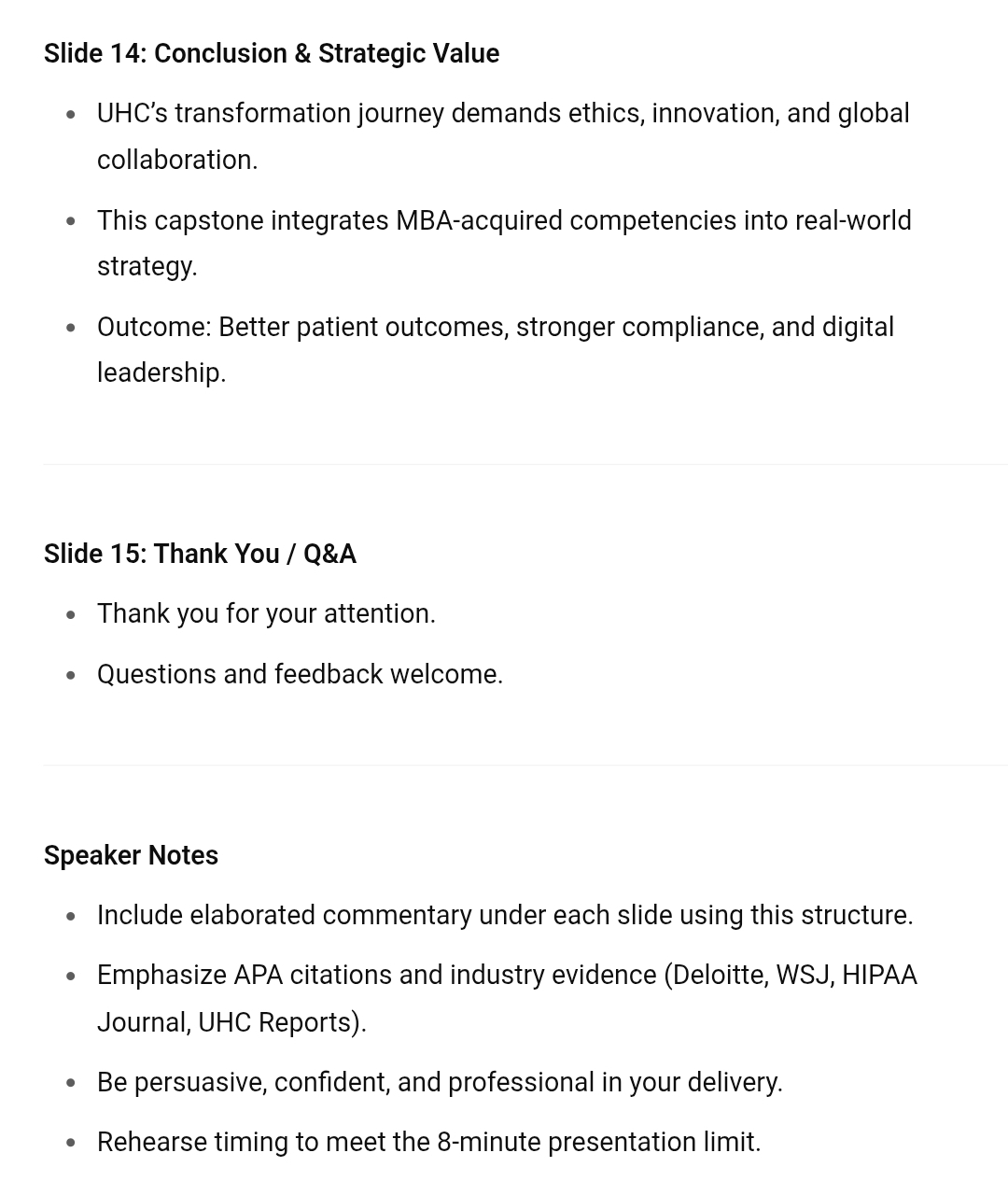
Add your commentary in the speaker's notes area for each slide. This provides additional context to your slides, and it will be very efficient to have the speaker's notes ready when you record the audio.
Use design techniques that enhance your message and information.
Apply visual and graphic elements effectively to support the business case and recommendations.
Your presentation should include charts, graphs, or any illustrative evidence that supports the business case you made in the written part of your project.
If you use existing charts or graphs, remember to credit the source using proper APA format for citations and references; for instance, figures should have in-text citations after their titles.
Apply professional speaking and presentation techniques for telling the business story that connects with the audience.
Your presentation must include slides with a recorded audio of you delivering your presentation to your intended audience.
Use best practices of professional speaking and presenting to achieve a strong presentation.
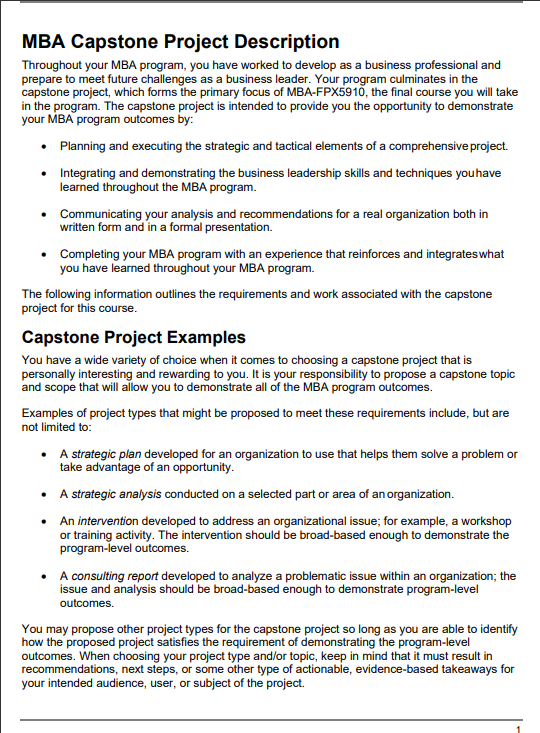
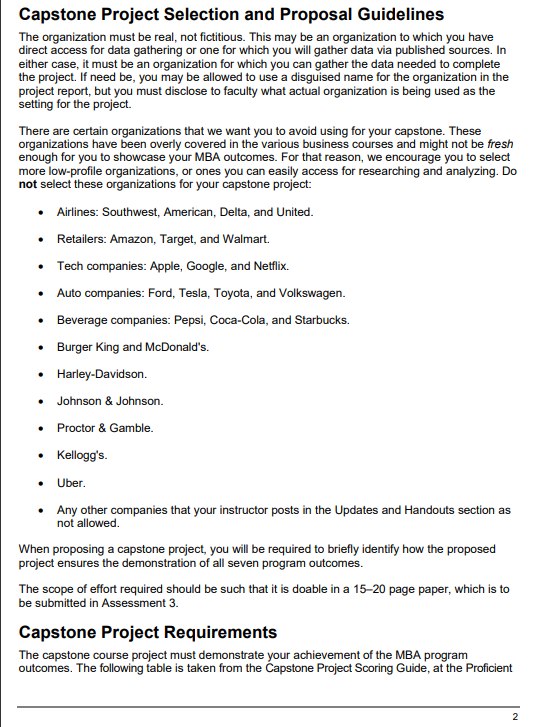
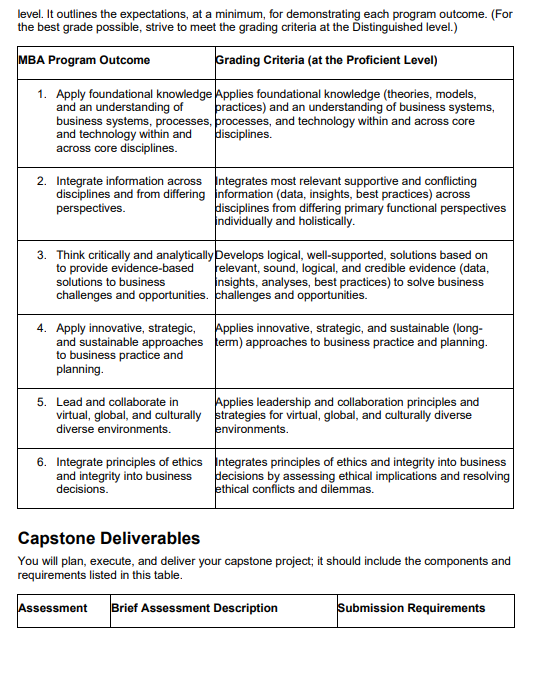
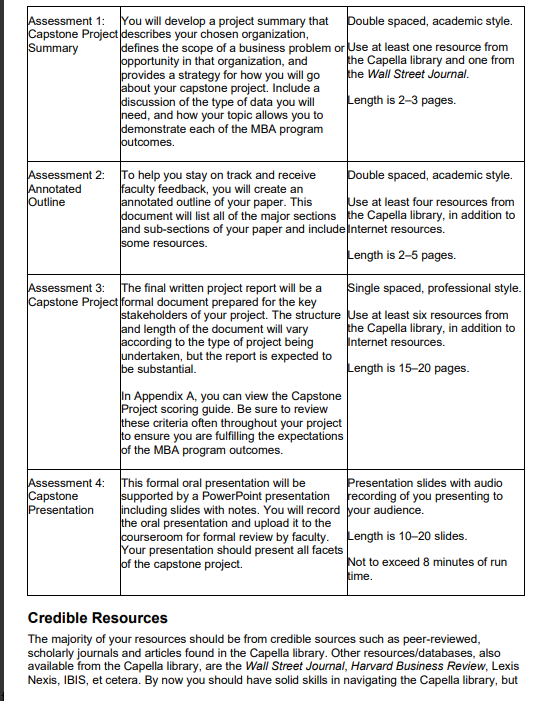
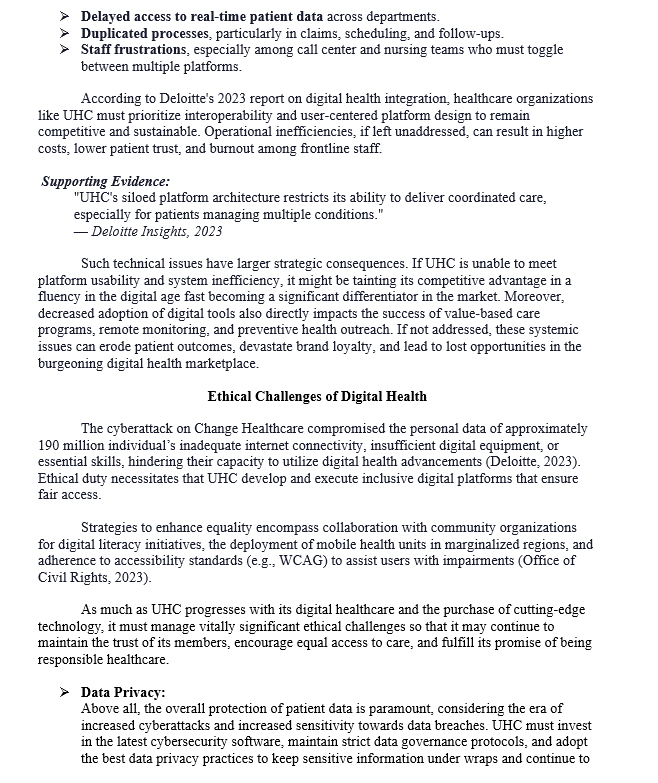
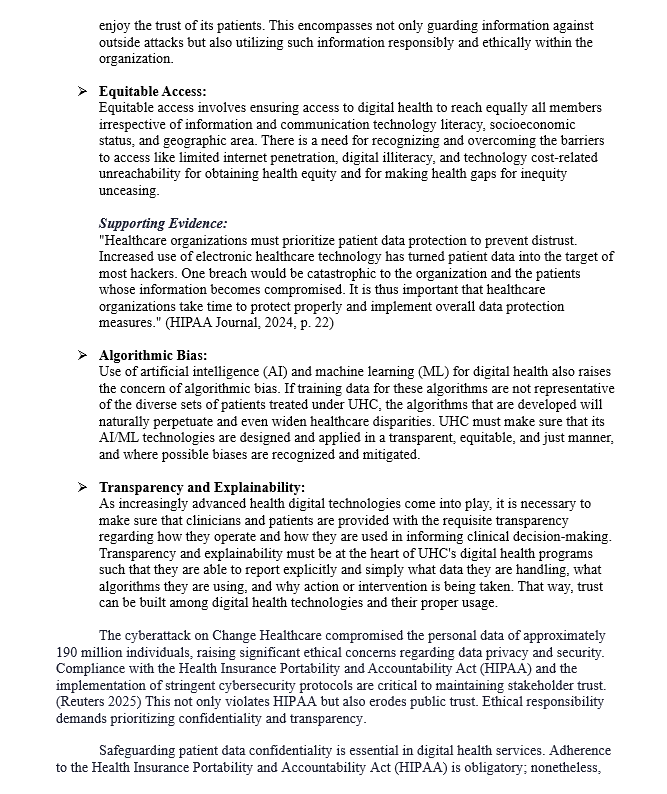
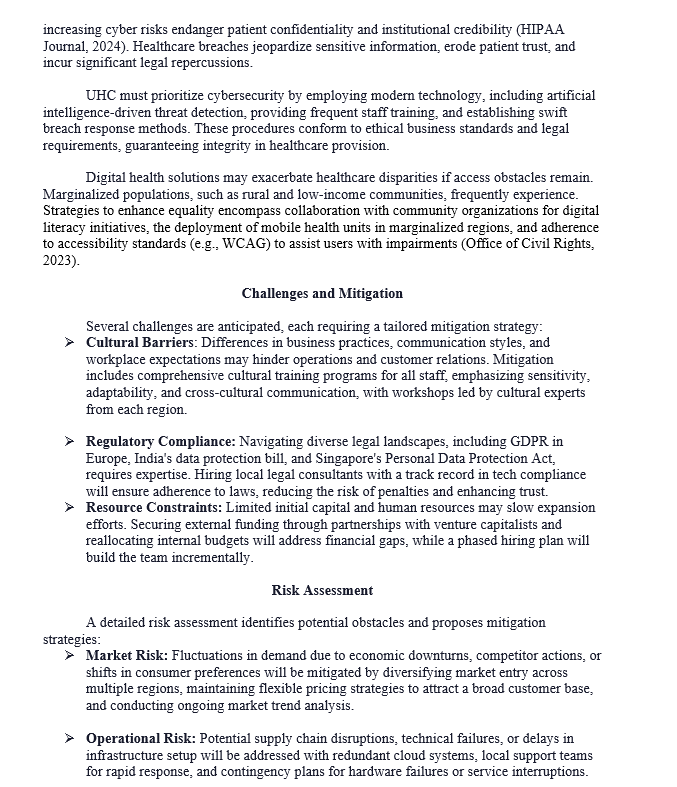
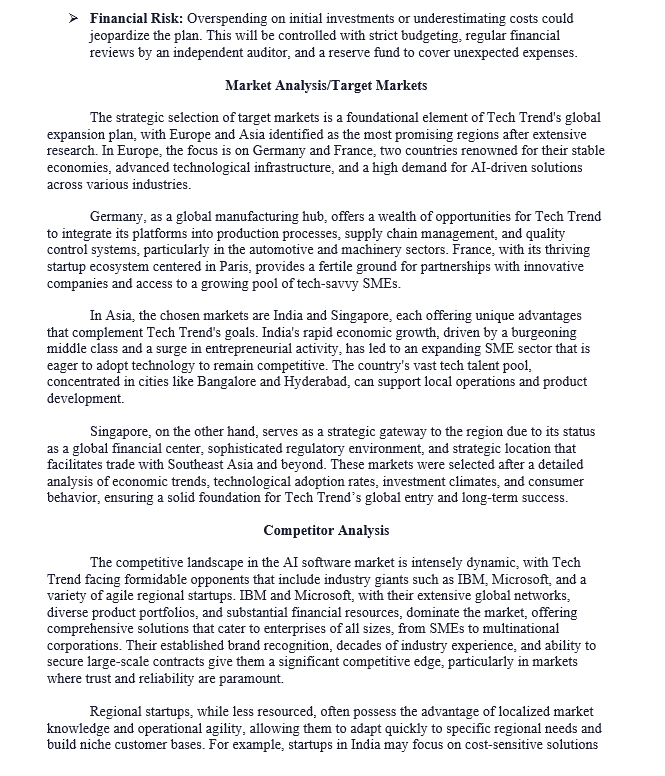
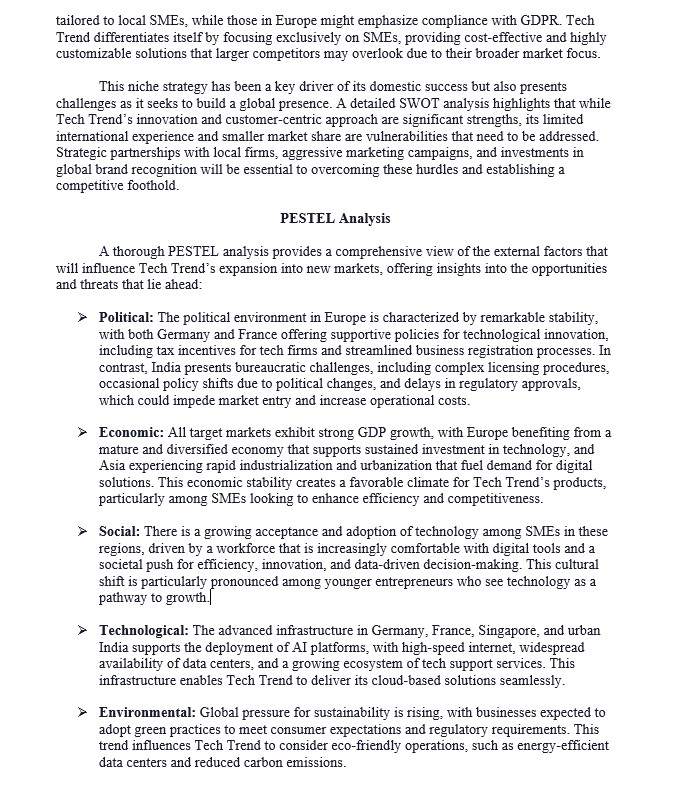
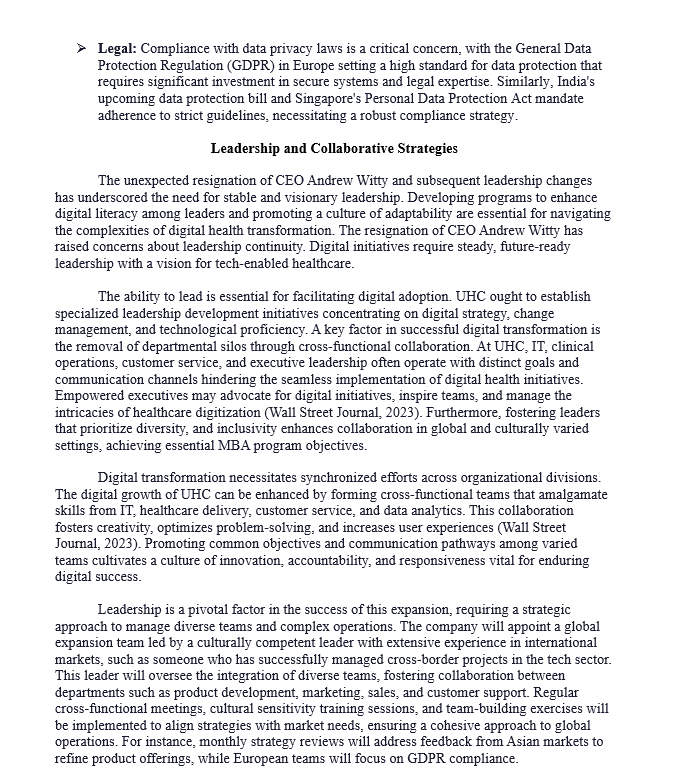
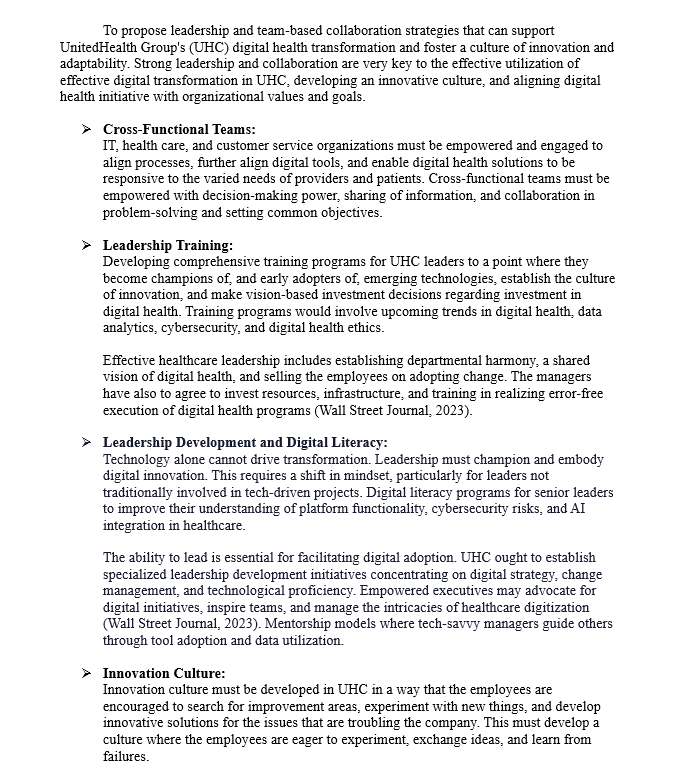
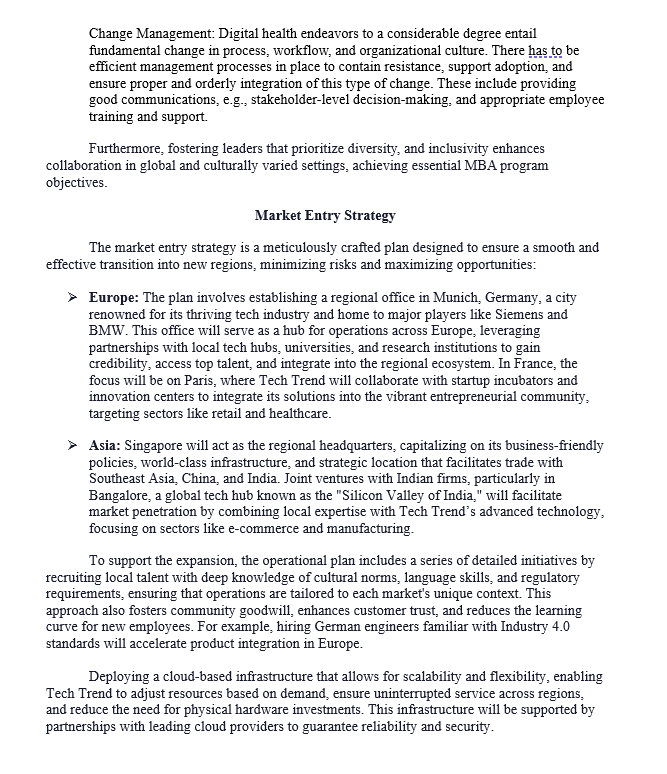
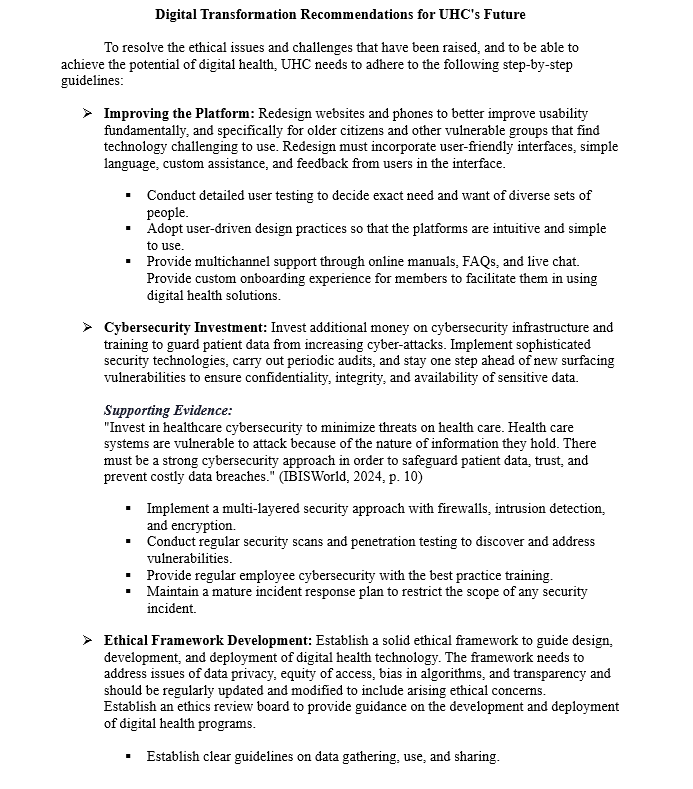
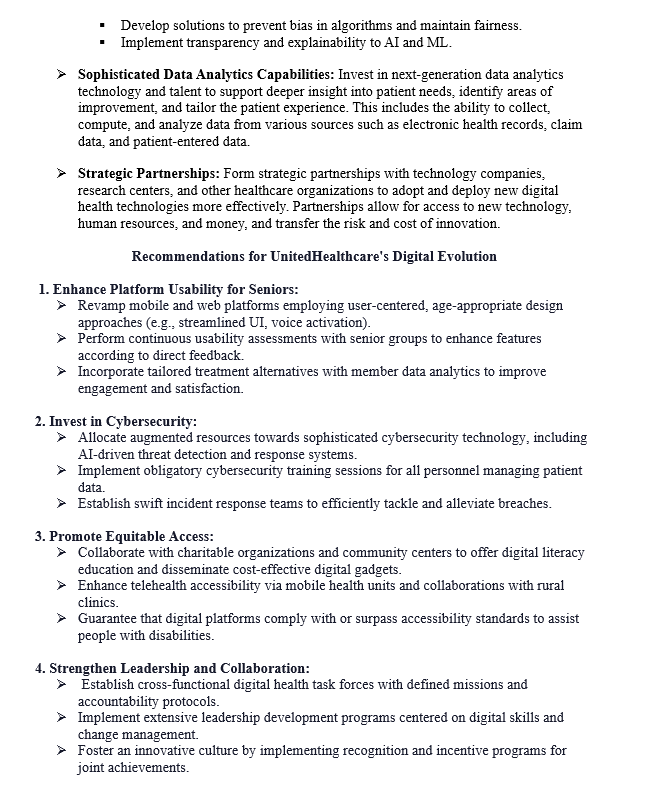
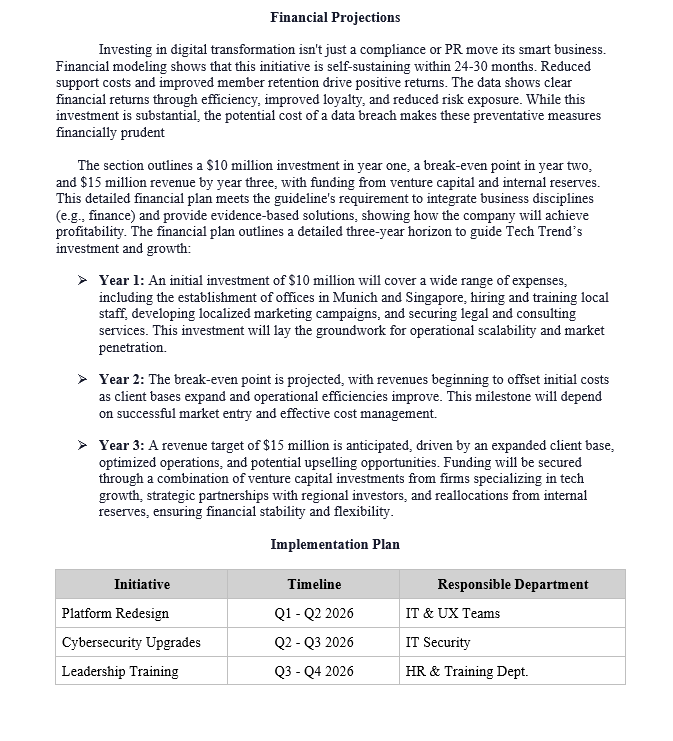
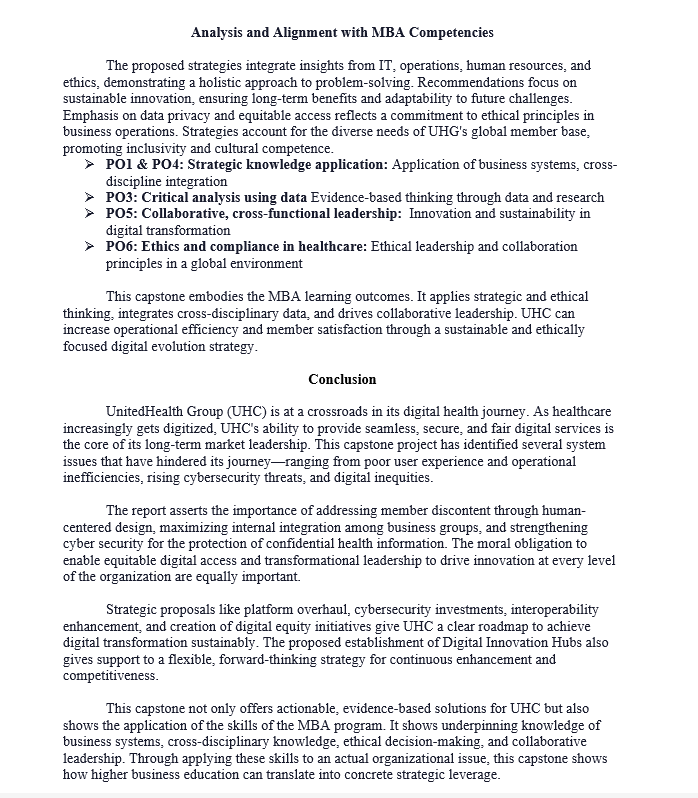
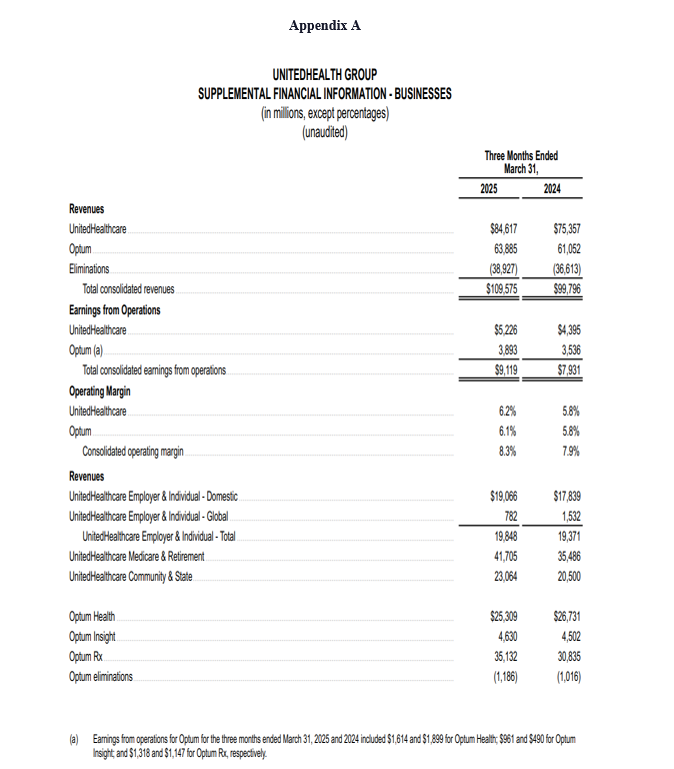
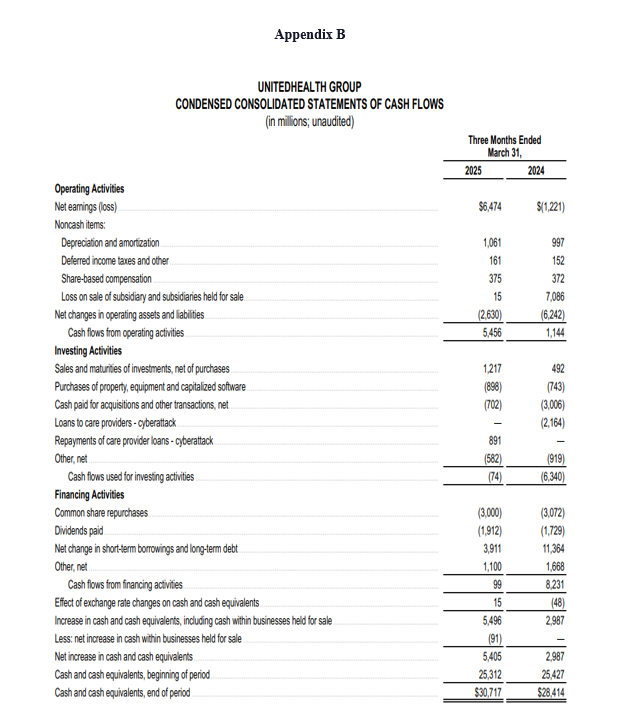
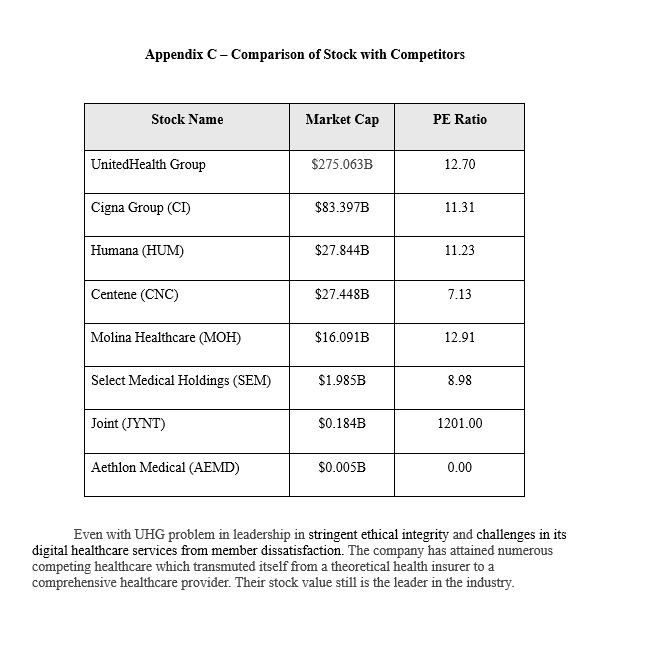
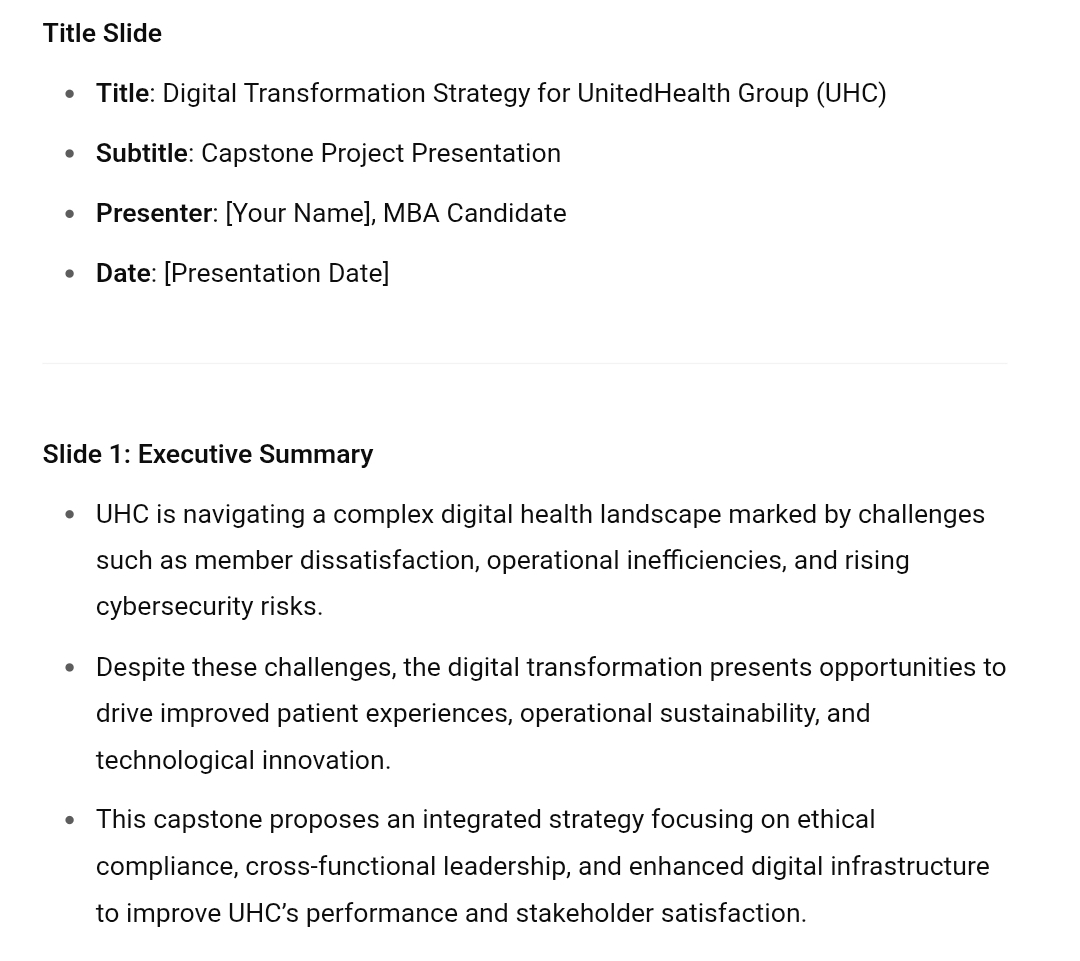
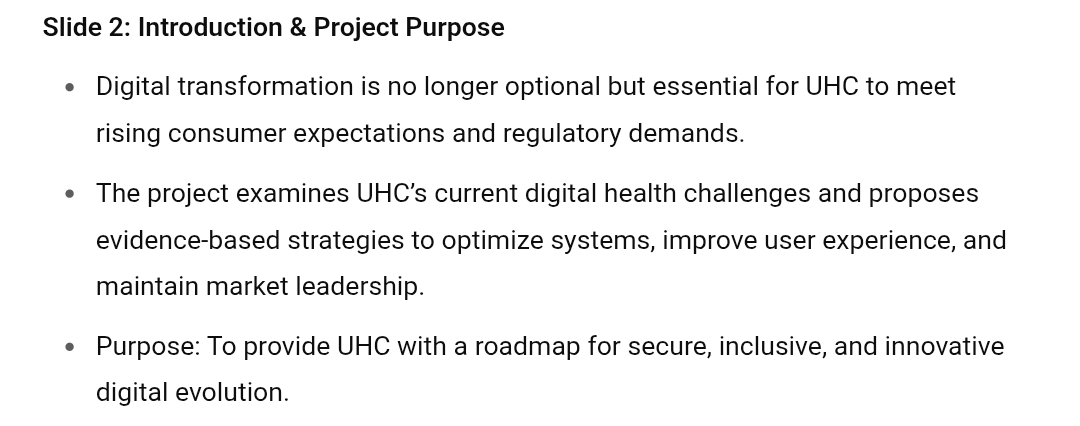
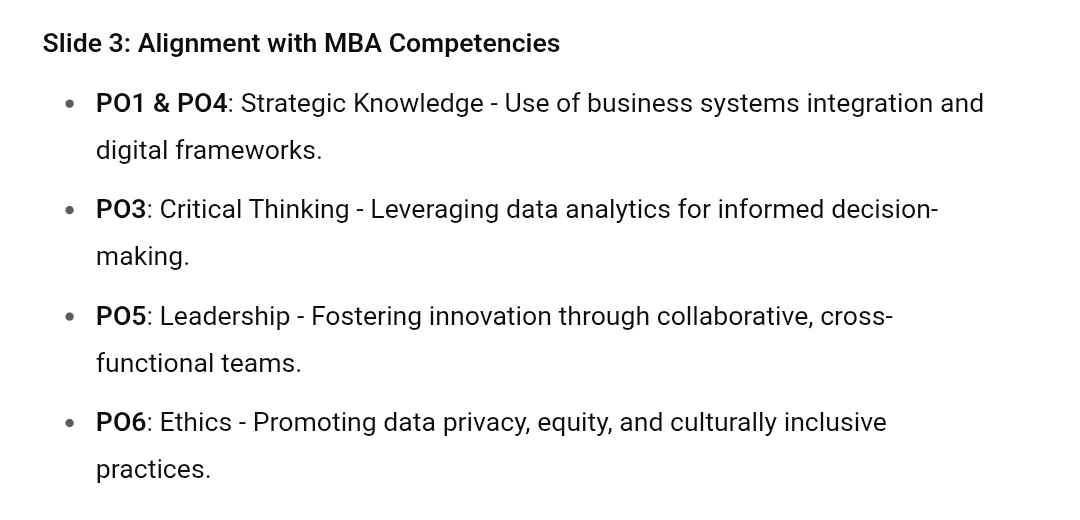
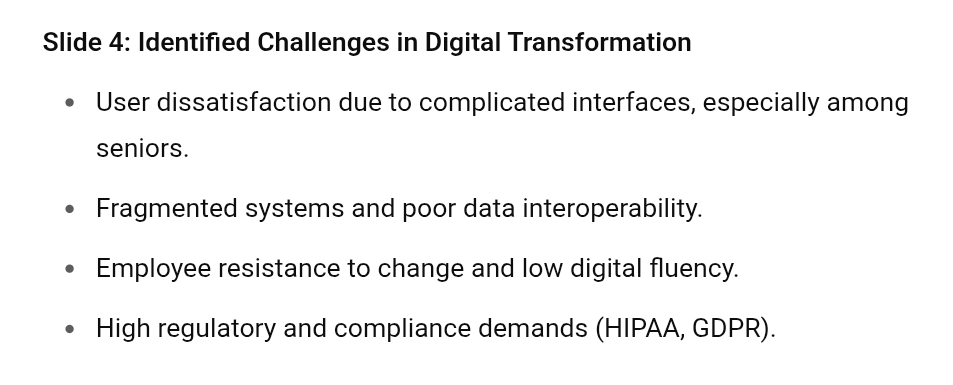
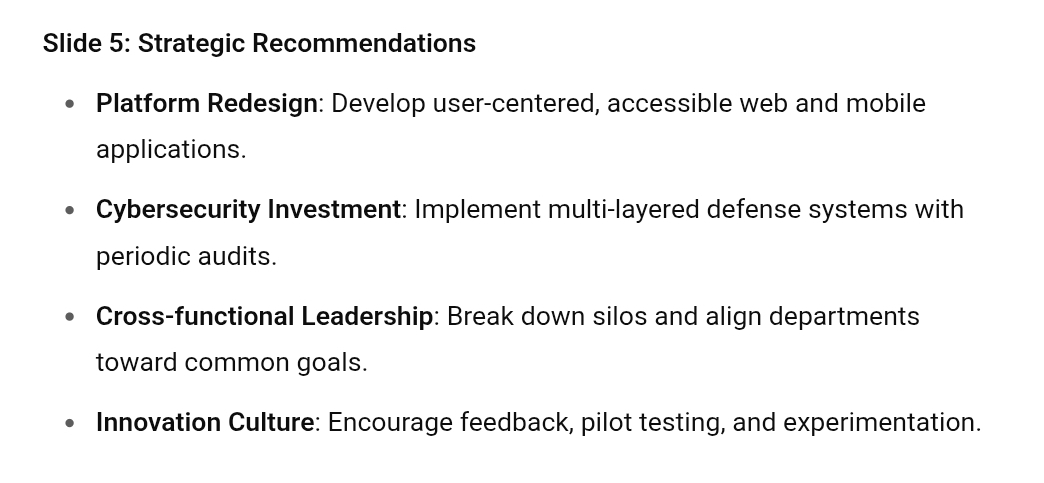
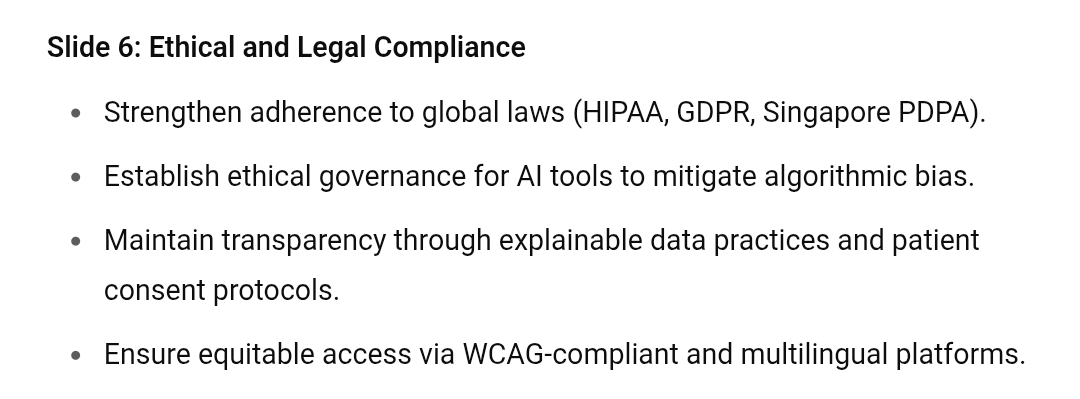
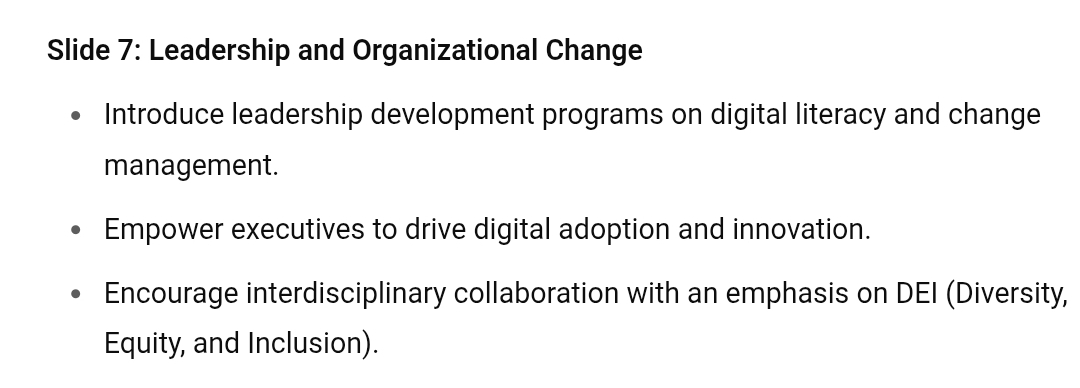
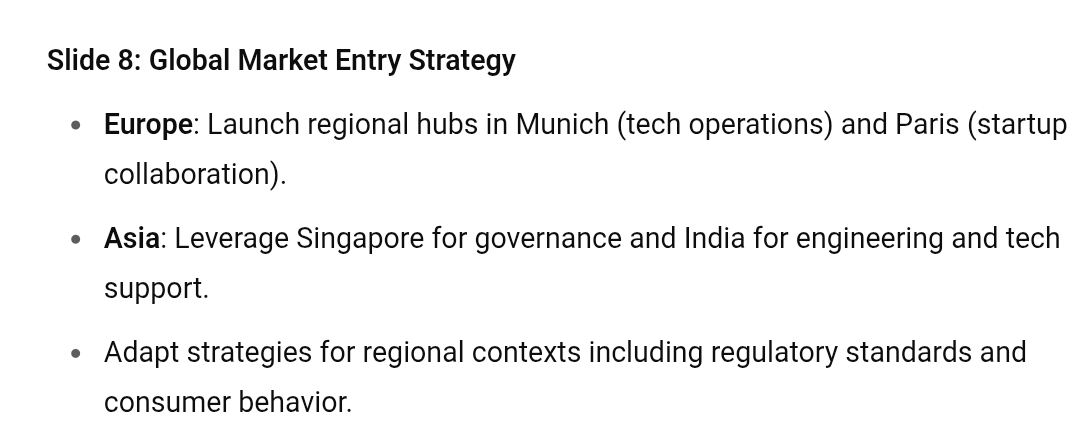
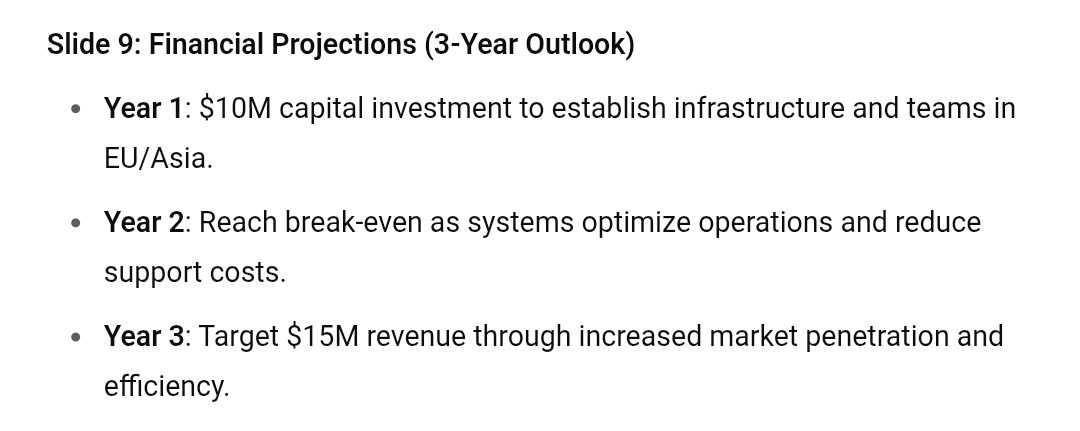
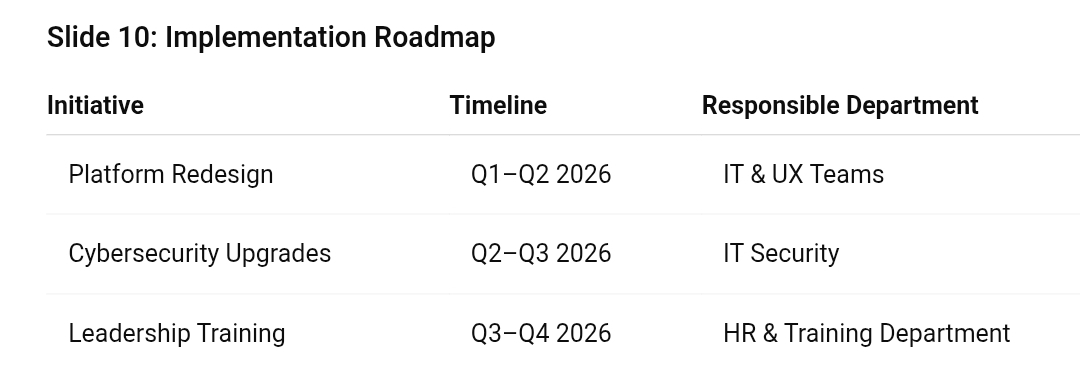
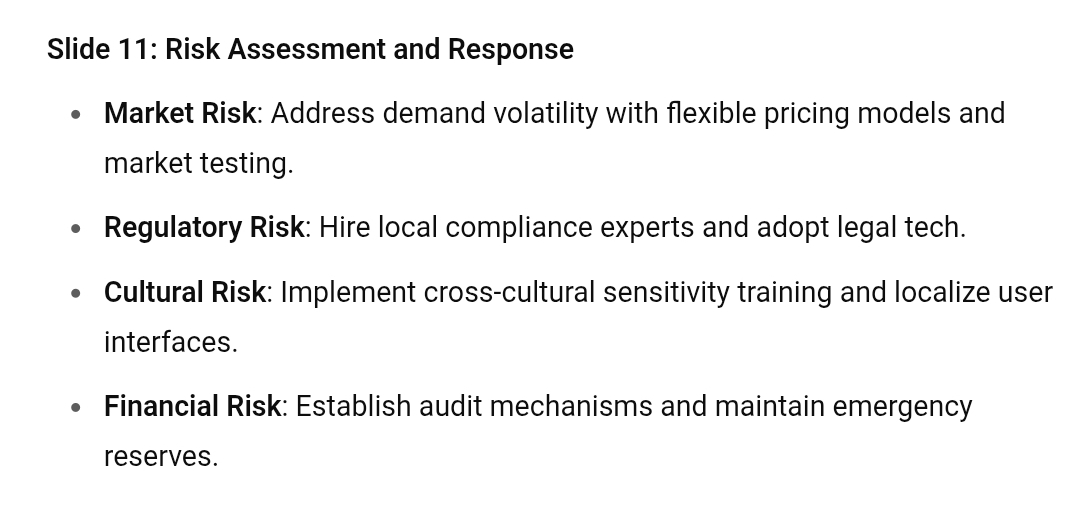
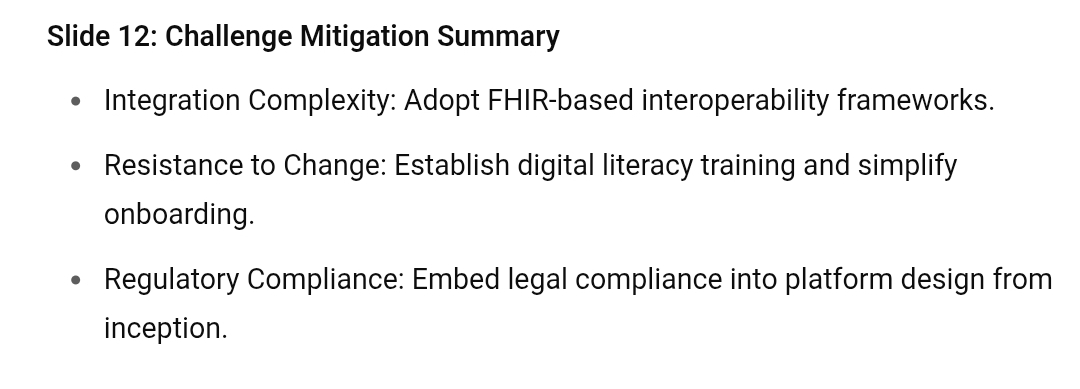
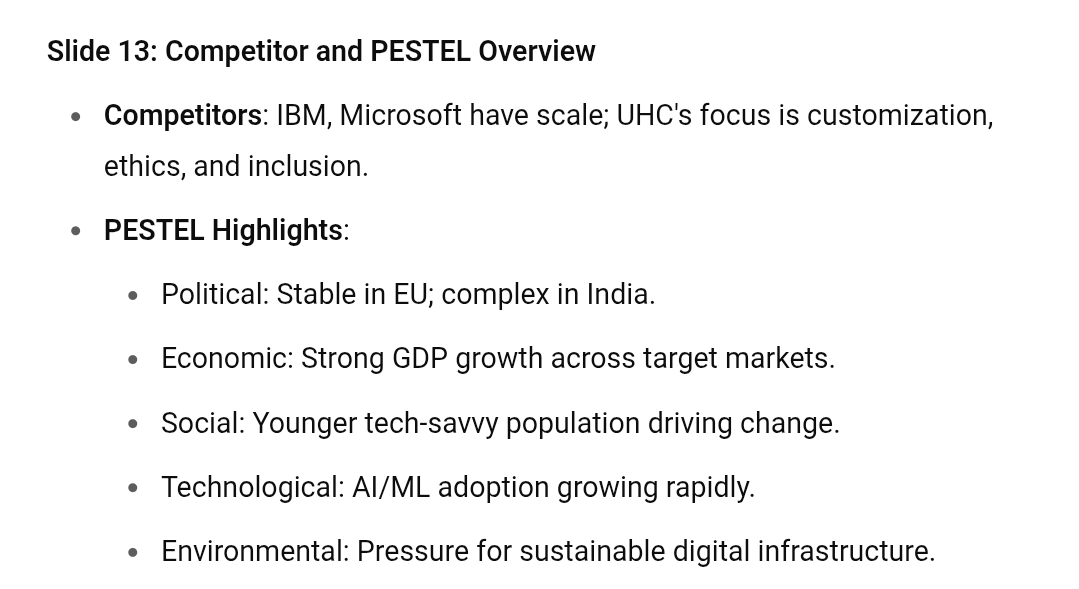
MBA Capstone Project Description Throughout your MBA program, you have worked to develop as a business professional and prepare to meet future challenges as a business leader. Your program culminates in the capstone project, which forms the primary focus of MBA-FPX5910, the final course you will take in the program. The capstone project is intended to provide you the opportunity to demonstrate your MBA program outcomes by: * Planning and executing the strategic and tactical elements of a comprehensive project. * Integrating and demonstrating the business leadership skills and techniques youhave leamed throughout the MBA program. * Communicating your analysis and recommendations for a real organization both in written form and in a formal presentation. + Completing your MBA program with an expenence that reinforces and integrates what you have leamed throughout your MBA program. The following information outlines the requirements and work associated with the capstone project for this course. Capstone Project Examples You have a wide variety of choice when it comes to choosing a capstone project that is personally interesting and rewarding to you. It is your responsibility to propose a capstone topic and scope that will allow you to demonstrate all of the MBA program outcomes. Examples of project types that might be proposed to meet these requirements include, but are not limited to: * A strategic plan developed for an organization to use that helps them solve a problem or take advantage of an opportunity. A strategic analysis conducted on a selected part or area of an organization. An intervention developed to address an organizational issue; for example, a workshop or training activity. The intervention should be broad-based enough to demonstrate the program-level outcomes. * A consulting report developed to analyze a problematic issue within an organization; the issue and analysis should be broad-based enough to demonstrate program-level outcomes. You may propose other project types for the capstone project so long as you are able to identify how the proposed project satisfies the requirement of demonstrating the program-level outcomes. When choosing your project type and/or topic, keep in mind that it must result in recommendations, next steps, or some other type of actionable, evidence-based takeaways for your intended audience, user, or subject of the project. Capstone Project Selection and Proposal Guidelines The organization must be real, not fictitious. This may be an organization to which you have direct access for data gathering or one for which you will gather data via published sources. In either case, it must be an organization for which you can gather the data needed to complete the project. If need be, you may be allowed to use a disguised name for the organization in the project report, but you must disclose to faculty what actual organization is being used as the setting for the project. There are certain organizations that we want you to avoid using for your capstone. These organizations have been overly covered in the various business courses and might not be fresh enough for you to showcase your MBA outcomes. For that reason, we encourage you to select more low-profile organizations, or ones you can easily access for researching and analyzing. Do not select these organizations for your capstone project: Airlines: Southwest, Amencan, Delta, and United. + Retailers: Amazon, Target, and Walmart. Tech companies: Apple, Google, and Netflix. * Auto companies: Ford, Tesla, Toyota, and Volkswagen. Beverage companies: Pepsi, Coca-Cola, and Starbucks. Burger King and McDonald's. * Harley-Davidson. Johnson & Johnson. * Proctor & Gamble. * Kellogg's. Uber. * Any other companies that your instructor posts in the Updates and Handouts section as not allowed. When proposing a capstone project, you will be required to briefly identify how the proposed project ensures the demonstration of all seven program outcomes. The scope of effort required should be such that it is doable in a 15-20 page paper, which is to be submitted in Assessment 3. Capstone Project Requirements The capstone course project must demonstrate your achievement of the MBA program outcomes. The following table is taken from the Capstone Project Scoring Guide, at the Proficient level. It outlines the expectations, at a minimum, for demonstrating each program outcome. (For the best grade possible, strive to meet the grading criteria at the Distinguished level.) MEA Program Outcome rading Criteria (at the Proficient Level) . Apply foundational knowledge Applies foundational knowledge (theories, models, and an understanding of practices) and an understanding of business systems, business systems, processes, processes, and technology within and across core and technology within and disciplines. across core disciplines. Integrate information across |ntegrates most relevant supportive and conflicting disciplines and from differing jnformation (data, insights, best practices) across perspectives. disciplines from differing primary functional perspectives ndividually and holistically. Think critically and analytically Develops logical, well-supported, solutions based on to provide evidence-based elevant, sound, logical, and credible evidence (data, solutions to business nsights, analyses, best practices) to solve business challenges and opportunities. Challenges and opportunities. . Apply innovative, strategic, Applies innovative, strategic, and sustainable (long- and sustainable approaches fenm) approaches to business practice and planning. to business practice and planning. Lead and collaborate in Applies leadership and collaboration principles and virtual, global, and culturally Strategies for virtual, global, and culturally diverse diverse environments. environments. Integrate principles of ethics [Integrates principles of ethics and integrity into business and integrity into business decisions by assessing ethical implications and resolving decisions. ethical conflicts and dilemmas. Capstone Deliverables You will plan, execute, and deliver your capstone project; it should include the components and requirements listed in this table. Assessment Brie Assessment Description Submission Requirements Assessment 1: You will develop a project summary that Double spaced, academic style. Capstone Project describes your chosen organization, Summary defines the scope of a business problem or Use at least one resource from opportunity in that organization, and the Capella library and one from provides a strategy for how you will go the Wall Street Journal. about your capstone project. Include a discussion of the type of data you will Length is 2-3 pages. need, and how your topic allows you to demonstrate each of the MBA program outcomes. Assessment 2: To help you stay on track and receive Double spaced, academic style. Annotated faculty feedback, you will create an Outline annotated outline of your paper. This Use at least four resources from document will list all of the major sections the Capella library, in addition to and sub-sections of your paper and include Internet resources. some resources. Length is 2-5 pages. Assessment 3: The final written project report will be a Single spaced, professional style. Capstone Project formal document prepared for the key stakeholders of your project. The structure Use at least six resources from and length of the document will vary the Capella library, in addition to according to the type of project being Internet resources. undertaken, but the report is expected to be substantial. Length is 15-20 pages. In Appendix A, you can view the Capstone Project scoring guide. Be sure to review these criteria often throughout your project to ensure you are fulfilling the expectations of the MBA program outcomes. Assessment 4: This formal oral presentation will be Presentation slides with audio Capstone supported by a PowerPoint presentation recording of you presenting to Presentation including slides with notes. You will record your audience. the oral presentation and upload it to the courseroom for formal review by faculty. Length is 10-20 slides. Your presentation should present all facets of the capstone project. Not to exceed 8 minutes of run time. Credible Resources The majority of your resources should be from credible sources such as peer-reviewed, scholarly journals and articles found in the Capella library. Other resources/databases, also available from the Capella library, are the Wall Street Journal, Harvard Business Review, Lexis Nexis, IBIS, et cetera. By now you should have solid skills in navigating the Capella library, butExecutive Summary UnitedHealth Group (UHC), being a top healthcare provider in the world, is confronted with complex challenges in its digital healthcare services from member dissatisfaction to operational ineffectiveness as well as stringent ethical integrity to uphold. The obstacles UnitedHealthcare (UHC) has encountered in advancing its digital health services considering escalating consumer expectations and technological progress. Despite substantial expenditures, UHC member dissatisfaction stemming from platform usability challenges, operational inefficiencies, and ethical difficulties about data protection and equal access. As digital health keeps on becoming the cornerstone of today's care delivery, UHC must grapple with internal platform limitations, cybersecurity threats, and lack of balanced access. This capstone document outlines the greatest digital health challenges of UHC and provides strategic proposals based on credible resources and industry data. This project explores these dimensions and suggests extremely fundamental recommendations for improvement along with long-term viability. Recommendations cover a wide gamut of activities: major overhaul of online systems, sharp emphasis on ethical matters relating to access to and protection of the poor's information, institution of effective leadership, and creation of smooth interdepartmental working. Adoption of these reforms is not only recommended but also necessary for UHC to enhance member satisfaction, enhance operations, and maintain competitive edge in the rapidly evolving, highly competitive health sector. Recommendations are made, including revamped platforms that focus on senior usability, more investments in cybersecurity, and leadership traiming programs to enable cross-functional collaboration. These courses are aligned with key MBA program outcomes in applying evidence- based decision-making, strategic planning, ethical making, and collaborative leadership. In this project, a roadmap is proposed to improve patient experience, ensure data protection, and encourage organizational innovation towards long-term sustainability. Executing these strategies will enhance patient involvement, operational efficiency, and organizational sustainability, in accordance with the MBA degree goals pertaining to strategic planning, ethical decision-making, leadership, and interdisciplinary integration. Introduction With the ever-evolving healthcare landscape, digital transformation has emerged as a prime facilitator to drive patient outcomes, operational efficiency, and organizational sustainability. UnitedHealth Group is a large healthcare provider dealing with a diverse range of individuals with different needs. In this context, digital transformation is not a technological change but a necessity for healthcare providers to enhance patient outcomes, operational effectiveness, and long-term viability. United States, operating at the forefront of this revolution. UHC's converged business model with insurance services, clinical care, and health technology puts it in a promising position to leverage digital mechanisms to supplement value-based care delivery. However, UHC also faces serious challenges in its digital health initiatives, primarily in ensuring seamless member experiences, addressing member dissatisfaction, and safeguarding sensitive patient data. Member complaints have highlighted usability issues, especially among older populations, and business data identifies a slump im satisfaction metrics with digital channels (UHC Annual Report, 2023). Such challenges are further exacerbated by mounting cybersecurity threats and the ethical imperative to ensure equitable access to digital health Services. identify significant challenges, and give strategic advice based on strong, evidence-based research. The analysis spans technical, ethical, and leadership dimensions such as cybersecurity, digital equity, and cross-functional collaboration. Relying on feedback from internal performance reports and external industry benchmarks sources like the Wall Street Journal, Deloitte Insights, and IBIS World, the project presents a practicable road map for UHC's digital health transformation. This essay addresses the digital health programs of UHC with the necessity of continuously evolving innovations to face current industry needs, rising patient expectations, and overcoming an mcreasingly dynamic marketplace. In this context, digital transformation is not a technological change but a necessity for healthcare providers to enhance patient outcomes, operational effectiveness, and long-term viability. This essay addresses the digital health programs of UHC with the necessity of continuously evolving innovations to face current industry needs, rising patient expectations, and overcoming an increasingly dynamic marketplace. Supporting Evidence: "A digital health adoption is needed to improve accessibility and patient satisfaction. Organizations that maximize the use of digital assets are able to provide more convenient, personalized, and value-driven care, with improved patient engagement and outcomes." (Deloitte, 2023, p. 15) This project synthesizes both qualitative and quantitative data from: * Primary sources: UHG financial disclosures, internal reports (UnitedHealth Group | Annual Report 2023). > Secondary sources: Capella Library, Wall Street Journal, Deloitte, HIPAA Journal, IBISWorld > Academic Frameworks: Business systems theory, stakeholder theory, ethical decision- making models Challenges in UnitedHealthcare's Digital Health Services Arguably the most pressing UHC challenge is widespread dissatisfaction among members using its electronic health resources. Surveys and performance data reveal that users, particularly seniors and chronically ill patients, view UHC's portals and apps as unhelpful, slow, and lacking in customization. The 2023 UHC Annual Report reports significant reductions in platform usage and satisfaction, with Star Ratings reporting a 12% decline in digital interaction satisfaction for 2022.To critically examine the primary issues affecting UHC's digital platforms, including usability concerns and operational inefficiencies that undermine the company's digital transformation goals. Specific concerms are complex navigation systems that confuse users and limit access to care. Limited customization, such as lack of tailored recommendations or tools for chronic care management. Inconsistent user experiences across web and mobile platforms. These shortcomings have not only hurt member engagement but have also undermined the organization's efforts to promote self-service tools that could ease pressure on call centers and clinical teams. * Member Dissatisfaction and Platform Usability: Member satisfaction is essential for the success of digital health programs. The 2023 annual report of UnitedHealthcare indicates a decrease in member satisfaction, primarily due to the intricate and counterintuitive architecture of its digital platforms (UnitedHealthcare, 2023). Senior members encounter considerable challenges in utilizing these platforms, owing to restricted digital literacy and the lack of functionality designed for their requirements (Deloitte, 2023). This usability gap leads to writation, diminished engagement, and inferior health outcomes. Improving usability requires the implementation of user-centered design concepts, the simplification of interfaces, and the personalization of digital health experiences. Research highlights that age-friendly attributessuch as enlarged fonts, streamlined navigation, and voice-assisted technologycan markedly enhance adoption rates among seniors, a vital group in healthcare (AARP, 2024). Operational Inefficiencies: Operational inefficiencies worsen service quality difficulties. Frequent turnover among digital support personnel and inadequate training on emerging digital solutions impede service consistency and responsiveness (UnitedHealthcare, 2023). Moreover, integration difficulties between contemporary digital platforms and legacy systems hinder uninterrupted data flow, restricting real-time analytics and coordinated treatment (Deloitte, 2023). These inefficiencies diminish UHC's responsiveness to member requirements and its capacity to react to healthcare advancements. > Integration Complexity Across Systems: UnitedHealthcare manages an extensive network of healthcare providers, insurers, and technological platforms, resulting in considerable difficulties in integrating diverse systems. The disintegration of digital infrastructure results in inefficiencies in data exchange and interdepartmental cooperation. The interoperability issue causes delays, redundant efforts, and inaccuracies in patient data management, adversely affecting the quality of patient care and operational operations (Vest & Gamm, 2019). Furthermore, inadequate integration diminishes the user experience by necessitating that members and suppliers traverse many portals and platforms, so heightening annoyance and reducing platform adoption rates. > Resistance to Change Among Workforce and Members: Digital change in healthcare frequently faces opposition from both staff and stakeholders. Employees may have feelings of being inundated by new technology or harbor doubts regarding their advantages, resulting in diminished adoption and incorrect utilization of digital tools (Vial, 2019). Likewise, members, particularly elderly individuals or those without technological proficiency, may be reluctant to utilize digital health services due to concerms over privacy, complexity, or the diminished human interaction with healthcare practitioners. This cultural and behavioral resistance constitutes a significant obstacle that Universal Health Coverage must surmount to properly capitalize on digital health developments. > Regulatory and Compliance Burden: Healthcare firms encounter rigorous regulatory mandates that hinder digital health projects. UnitedHealthcare is obligated to adhere to many federal and state statutes, including HIPAA, HITECH, and evolving telehealth rules. These regulatory frameworks establish rigorous criteria for data security, patient consent, and reporting, necessitating substantial resources for compliance management (McGlynn et al., 2022). The necessity of harmonizing innovation with regulatory compliance frequently impedes digital deployment and escalates operating expenses, so constraining agility and responsiveness. Supporting Evidence: "Digital adoption has lagged in key demographics, with seniors reporting the highest dissatisfaction scores due to difficulty navigating mobile apps." UAC Annual Member Experience Report, 2023 Resolving these operational difficulties necessitates investments in workforce development aimed at enhancing digital competences and updating IT infrastructure to promote interoperability and streamline procedures. UHC's digital health services are also hindered by fragmented systems and siloed data infrastructure. The company's different business units ranging from Optum to United Healthcare have different tech stacks that do not always communicate with each other in a harmonious way. This fragmentation leads to: Delayed access to real-time patient data across departments. Duplicated processes, particularly in claims, scheduling, and follow-ups. Staff frustrations, especially among call center and nursing teams who must toggle between multiple platforms. vV According to Deloitte's 2023 report on digital health integration, healthcare organizations like UHC must prioritize interoperability and user-centered platform design to remain competitive and sustainable. Operational inefficiencies, if left unaddressed, can result in higher costs, lower patient trust, and burnout among frontline staff. Supporting Evidence: "UHC's siloed platform architecture restricts its ability to deliver coordinated care, especially for patients managing multiple conditions." Deloitte Insights, 7023 Such technical issues have larger strategic consequences. UHC is unable to meet platform usability and system inefficiency, it might be tainting its competitive advantage in a fluency in the digital age fast becoming a significant differentiator in the market. Moreover, decreased adoption of digital tools also directly impacts the success of value-based care programs, remote monitoring, and preventive health outreach. If not addressed, these systemic issues can erode patient outcomes, devastate brand loyalty, and lead to lost opportunities in the burgeoning digital health marketplace. Ethical Challenges of Digital Health The cyberattack on Change Healthcare compromised the personal data of approximately 190 million individual's inadequate internet connectivity, insufficient digital equipment, or essential skills, hindering their capacity to utilize digital health advancements (Deloitte, 7023). Ethical duty necessitates that UHC develop and execute inclusive digital platforms that ensure fair access. Strategies to enhance equality encompass collaboration with community organizations for digital literacy initiatives, the deployment of mobile health units in marginalized regions, and adherence to accessibility standards (e.g., WCAG) to assist users with impairments (Office of Civil Rights, 2023). As much as UHC progresses with its digital healthcare and the purchase of cutting-edge technology, it must manage vitally significant ethical challenges so that it may continue to maintain the trust of its members, encourage equal access to care, and fulfill its promise of being responsible healthcare. * Data Privacy: Above all, the overall protection of patient data is paramount, considering the era of increased cyberattacks and increased sensitivity towards data breaches. UHC must invest in the latest cybersecurity software, maintain strict data governance protocols, and adopt the best data privacy practices to keep sensitive information under wraps and continue to enjoy the trust of its patients. This encompasses not only guarding information against outside attacks but also utilizing such information responsibly and ethically within the organization. Equitable Access: Equitable access involves ensuring access to digital health to reach equally all members irrespective of information and communication technology literacy, socioeconomic status, and geographic area. There is a need for recognizing and overcoming the barriers to access like limited internet penetration, digital illiteracy, and technology cost-related unreachability for obtaining health equity and for making health gaps for inequity unceasing. Supporting Evidence: "Healthcare organizations must prioritize patient data protection to prevent distrust. Increased use of electronic healthcare technology has turned patient data into the target of most hackers. One breach would be catastrophic to the organization and the patients whose information becomes compromised. It is thus important that healthcare ofganizations take time to protect properly and implement overall data protection measures." (HIPAA Journal, 2024, p. 22) Algorithmic Bias: Use of artificial intelligence (AT) and machine learning (ML) for digital health also raises the concern of algorithmic bias. [f training data for these algorithms are not representative of the diverse sets of patients treated under UHC, the algorithms that are developed will naturally perpetuate and even widen healthcare disparities. UHC must make sure that its ADML technologies are designed and applied in a transparent, equitable, and just manner, and where possible biases are recognized and mitigated. Transparency and Explainability: As increasingly advanced health digital technologies come into play, it is necessary to make sure that clinicians and patients are provided with the requisite transparency regarding how they operate and how they are used in informing clinical decision-making. Transparency and explainability must be at the heart of UHC's digital health programs such that they are able to report explicitly and simply what data they are handling, what algorithms they are using, and why action or intervention is being taken. That way, trust can be built among digital health technologies and their proper usage. The cyberattack on Change Healthcare compromised the personal data of approximately 190 million individuals, raising significant ethical concerns regarding data privacy and security. Compliance with the Health Insurance Portability and Accountability Act (HIPAA) and the implementation of stringent cybersecurity protocols are critical to maimtaining stakeholder trust. (Reuters 7025) This not only violates HIPAA but also erodes public trust. Ethical responsibility demands prioritizing confidentiality and transparency. Safeguarding patient data confidentiality is essential im digital health services. Adherence to the Health Insurance Portability and Accountability Act (HIPAA) is obligatory; nonetheless, increasing cyber risks endanger patient confidentiality and institutional credibility (HIPAA Journal, 2024). Healthcare breaches jeopardize sensitive information, erode patient trust, and incur significant legal repercussions. UHC must prioritize cybersecurity by employing modern technology, including artificial intelligence-driven threat detection, providing frequent staff training, and establishing swift breach response methods. These procedures conform to ethical business standards and legal requirements, guaranteeing integrity in healthcare provision. Digital health solutions may exacerbate healthcare disparities if access obstacles remain. Marginalized populations, such as rural and low-income communities, frequently experience. Strategies to enhance equality encompass collaboration with community organizations for digital literacy initiatives, the deployment of mobile health units in marginalized regions, and adherence to accessibility standards (e.., WCAG) to assist users with impairments (Office of Civil Rights, 2023). Challenges and Mitigation Several challenges are anticipated, each requiring a tailored mitigation strategy: > Cultural Barriers: Differences in business practices, communication styles, and workplace expectations may hinder operations and customer relations. Mitigation includes comprehensive cultural traming programs for all staff, emphasizing sensitivity, adaptability, and cross-cultural communication, with workshops led by cultural experts from each region. * Regulatory Compliance: Navigating diverse legal landscapes, including GDPR in Europe, India's data protection bill, and Singapore's Personal Data Protection Act, requires expertise. Hiring local legal consultants with a track record in tech compliance will ensure adherence to laws, reducing the risk of penalties and enhancing trust. > Resource Constraints: Limited initial capital and human resources may slow expansion efforts. Securing external funding through partnerships with venture capitalists and reallocating internal budgets will address financial gaps, while a phased hiring plan will build the team incrementally. Risk Assessment A detailed risk assessment identifies potential obstacles and proposes mitigation strategies: Market Risk: Fluctuations m demand due to economic downturns, competitor actions, or shifts in consumer preferences will be mitigated by diversifying market entry across multiple regions, maintaining flexible pricing strategies to attract a broad customer base, and conducting ongoing market trend analysis. > Operational Risk: Potential supply chain disruptions, technical failures, or delays in infrastructure setup will be addressed with redundant cloud systems, local support teams for rapid response, and contingency plans for hardware failures or service interruptions. Financial Risk: Overspending on initial investments or underestimating costs could jeopardize the plan. This will be controlled with strict budgeting, regular financial teviews by an independent auditor, and a reserve fund to cover unexpected expenses. Market Analysis/Target Markets The strategic selection of target markets is a foundational element of Tech Trend's global expansion plan, with Europe and Asia identified as the most promising regions after extensive research. In Europe, the focus is on Germany and France, two countries renowned for their stable economies, advanced technological infrastructure, and a high demand for Al-driven solutions across Various industries. Germany, as a global manufacturing hub, offers a wealth of opportunities for Tech Trend to integrate its platforms into production processes, supply chai management, and quality control systems, particularly in the automotive and machinery sectors. France, with its thriving startup ecosystem centered in Paris, provides a fertile ground for partnerships with innovative companies and access to a growing pool of tech-savvy SMEs. Tn Asia, the chosen markets are India and Singapore, each offering unique advantages that complement Tech Trend's goals. India's rapid economic growth, driven by a burgeoning middle class and a surge in entrepreneurial activity, has led to an expanding SME sector that is eager to adopt technology to remain competitive. The country's vast tech talent pool, concentrated in cities like Bangalore and Hyderabad, can support local operations and product development. Singapore, on the other hand, serves as a strategic gateway to the region due to its status as a global financial center, sophisticated regulatory environment, and strategic location that facilitates trade with Southeast Asia and beyond. These markets were selected after a detailed analysis of economic trends, technological adoption rates, investment climates, and consumer behavior, ensuring a solid foundation for Tech Trend's global entry and long-term success. Competitor Analysis The competitive landscape in the AI software market is intensely dynamic, with Tech Trend facing formidable opponents that include industry giants such as IBM, Microsoft, and a variety of agile regional startups. IBM and Microsoft, with their extensive global networks, diverse product portfolios, and substantial financial resources, dominate the market, offerma comprehensive solutions that cater to enterprises of all sizes, from SMEs to multinational corporations. Their established brand recognition, decades of industry experience, and ability to secure large-scale contracts give them a significant competitive edge, particularly in markets where trust and reliability are paramount. Regional startups, while less resourced, often possess the advantage of localized market knowledge and operational agility, allowing them to adapt quickly to specific regional needs and build niche customer bases. For example, startups in India may focus on cost-sensitive solutions tailored to local SMEs, while those in Europe might emphasize compliance with GDPR. Tech Trend differentiates itself by focusing exclusively on SMEs, providing cost-effective and highly customizable solutions that larger competitors may overlook due to their broader market focus. This niche strategy has been a key driver of its domestic success but also presents challenges as it seeks to build a global presence. A detailed SWOT analysis highlights that while Tech Trend's innovation and customer-centric approach are significant strengths, its limited international experience and smaller market share are vulnerabilities that need to be addressed. Strategic partnerships with local firms, aggressive marketing campaigns, and investments in global brand recognition will be essential to overcoming these hurdles and establishing a competitive foothold. PESTEL Analysis A thorough PESTEL analysis provides a comprehensive view of the external factors that will influence Tech Trend's expansion into new markets, offering insights into the opportunities and threats that lie ahead: Political: The political environment in Europe is characterized by remarkable stability, with both Germany and France offering supportive policies for technological innovation, including tax incentives for tech firms and streamlined business registration processes. In contrast, India presents bureaucratic challenges, including complex licensing procedures, occasional policy shifts due to political changes, and delays in regulatory approvals, which could impede market entry and increase operational costs. * Economic: All target markets exhibit strong GDP growth, with Europe benefiting from a mature and diversified economy that supports sustained investment in technology, and Asia experiencing rapid industrialization and urbanization that fuel demand for digital solutions. This economic stability creates a favorable climate for Tech Trend's products, particularly among SMEs looking to enhance efficiency and competitiveness. Social: There is a growing acceptance and adoption of technology among SMEs in these regions, driven by a workforce that is increasingly comfortable with digital tools anda societal push for efficiency, innovation, and data-driven decision-making. This cultural shift is particularly pronounced among younger entrepreneurs who see technology as a pathway to growth. * Technological: The advanced infrastructure in Germany, France, Singapore, and urban India supports the deployment of AI platforms, with high-speed internet, widespread availability of data centers, and a growing ecosystem of tech support services. This infrastructure enables Tech Trend to deliver its cloud-based solutions seamlessly. Environmental: Global pressure for sustainability is rising, with businesses expected to adopt green practices to meet consumer expectations and regulatory requirements. This trend influences Tech Trend to consider eco-friendly operations, such as energy-efficient data centers and reduced carbon emissions. > Legal: Compliance with data privacy laws is a critical concern, with the General Data Protection Regulation (GDPER) in Europe setting a high standard for data protection that requires significant investment in secure systems and legal expertise. Similarly, India's upcoming data protection bill and Singapore's Personal Data Protection Act mandate adherence to strict guidelines, necessitating a robust compliance strategy. Leadership and Collaborative Strategies The unexpected resignation of CEO Andrew Witty and subsequent leadership changes has underscored the need for stable and visionary leadership. Developing programs to enhance digital literacy among leaders and promoting a culture of adaptability are essential for navigating the complexities of digital health transformation. The resignation of CEO Andrew Witty has raised concerns about leadership continuity. Digital initiatives require steady, future-ready leadership with a vision for tech-enabled healthcare. The ability to lead is essential for facilitating digital adoption. UHC ought to establish specialized leadership development initiatives concentrating on digital strategy, change management, and technological proficiency. A key factor in successful digital transformation is the removal of departmental silos through cross-functional collaboration. At UHC, IT, clinical operations, customer service, and executive leadership often operate with distinct goals and communication channels hindering the seamless implementation of digital health initiatives. Empowered executives may advocate for digital initiatives, inspire teams, and manage the intricacies of healthcare digitization (Wall Street Journal, 2023). Furthermore, fostering leaders that prioritize diversity, and inclusivity enhances collaboration in global and culturally varied settings, achieving essential MBA program objectives. Digital transformation necessitates synchronized efforts across organizational divisions. The digital growth of UHC can be enhanced by forming cross-functional teams that amalgamate skills from IT, healthcare delivery, customer service, and data analytics. This collaboration fosters creativity, optimizes problem-solving, and increases user experiences (Wall Street Journal, 2023). Promoting common objectives and communication pathways among varied teams cultivates a culture of innovation, accountability, and responsiveness vital for enduring digital success. Leadership is a pivotal factor in the success of this expansion, requiring a strategic approach to manage diverse teams and complex operations. The company will appoint a global expansion team led by a culturally competent leader with extensive experience in international markets, such as someone who has successfully managed cross-border projects in the tech sector. This leader will oversee the integration of diverse teams, fostering collaboration between departments such as product development, marketing, sales, and customer support. Regular cross-functional meetings, cultural sensitivity training sessions, and team-building exercises will be implemented to align strategies with market needs, ensuring a cohesive approach to global operations. For instance, monthly strategy reviews will address feedback from Asian markets to refine product offerings, while European teams will focus on GDPR compliance. To propose leadership and team-based collaboration strategies that can support UnitedHealth Group's (UHC) digital health transformation and foster a culture of innovation and adaptability. Strong leadership and collaboration are very key to the effective utilization of effective digital transformation in UHC, developing an innovative culture, and aligning digital health initiative with organizational values and goals. Cross-Functional Teams: IT, health care, and customer service organizations must be empowered and engaged to align processes, further align digital tools, and enable digital health solutions to be responsive to the varied needs of providers and patients. Cross-functional teams must be empowered with decision-making power, sharing of information, and collaboration in problem-solving and setting common objectives. > Leadership Training: Developing comprehensive training programs for UHC leaders to a point where they become champions of, and early adopters of, emerging technologies, establish the culture of innovation, and make vision-based investment decisions regarding investment in digital health. Training programs would involve upcoming trends in digital health, data analytics, cybersecurity, and digital health ethics. Effective healthcare leadership includes establishing departmental harmony, a shared vision of digital health, and selling the employees on adopting change. The managers have also to agree to invest resources, infrastructure, and training in realizing error-free execution of digital health programs (Wall Street Journal, 2023). > Leadership Development and Digital Literacy: Technology alone cannot drive transformation. Leadership must champion and embody digital innovation. This requires a shift in mindset, particularly for leaders not traditionally involved in tech-driven projects. Digital literacy programs for senior leaders to improve their understanding of platform functionality, cybersecurity risks, and Al integration in healthcare. The ability to lead is essential for facilitating digital adoption. UHC ought to establish specialized leadership development initiatives concentrating on digital strategy, change management, and technological proficiency. Empowered executives may advocate for digital initiatives, inspire teams, and manage the intricacies of healthcare digitization (Wall Street Journal, 2023). Mentorship models where tech-savvy managers guide others through tool adoption and data utilization. * Innovation Culture: Innovation culture must be developed in UHC in a way that the employees are encouraged to search for improvement areas, experiment with new things, and develop innovative solutions for the issues that are troubling the company. This must develop a culture where the employees are eager to experiment, exchange ideas, and learn from failures. Change Management: Digital health endeavors to a considerable degree entail efficient management processes in place to contain resistance, support adoption, and ensure proper and orderly integration of this type of change. These include providing good communications, e.g., stakeholder-level decision-making, and appropriate employee training and support. Furthermore, fostering leaders that prioritize diversity, and inclusivity enhances collaboration in global and culturally varied settings, achieving essential MBA program objectives. Market Entry Strategy The market entry strategy is a meticulously crafted plan designed to ensure a smooth and effective transition into new regions, minimizing risks and maximizing opportunities: > Europe: The plan involves establishing a regional office in Munich, Germany, a city renowned for its thriving tech industry and home to major players like Siemens and BMW. This office will serve as a hub for operations across Europe, leveraging partnerships with local tech hubs, universities, and research institutions to gain credibility, access top talent, and integrate into the regional ecosystem. In France, the focus will be on Paris, where Tech Trend will collaborate with startup incubators and innovation centers to integrate its solutions into the vibrant entrepreneurial community, targeting sectors like retail and healthcare. Asia: Singapore will act as the regional headquarters, capitalizing on its business-friendly policies, world-class infrastructure, and strategic location that facilitates trade with Southeast Asia, China, and India. Joint ventures with Indian firms, particularly in Bangalore, a global tech hub known as the "Silicon Valley of India," will facilitate market penetration by combining local expertise with Tech Trend's advanced technology, focusing on sectors like e-commerce and manufacturing. To support the expansion, the operational plan includes a series of detailed initiatives by recruiting local talent with deep knowledge of cultural norms, language skills, and regulatory requirements, ensuring that operations are tailored to each market's unique context. This approach also fosters community goodwill, enhances customer trust, and reduces the learning curve for new employees. For example, hiring German engineers familiar with Industry 4.0 standards will accelerate product integration in Europe. Deploying a cloud-based infrastructure that allows for scalability and flexibility, enabling Tech Trend to adjust resources based on demand, ensure uninterrupted service across regions, and reduce the need for physical hardware investments. This infrastructure will be supported by partnerships with leading cloud providers to guarantee reliability and security. Digital Transformation Recommendations for VHC's Future To resolve the ethical issues and challenges that have been raised, and to be able to achieve the potential of digital health, UHC needs to adhere to the following step-by-step guidelines: > Improving the Platform: Redesign websites and phones to better improve usability fundamentally, and specifically for older citizens and other vulnerable groups that find technology challenging to use. Redesign must incorporate user-friendly interfaces, simple language, custom assistance, and feedback from users in the interface. Conduct detailed user testing to decide exact need and want of diverse sets of people. Adopt user-driven design practices so that the platforms are intuitive and simple to use. " Provide multichannel support through online manuals, FAQs, and live chat. Provide custom onboarding experience for members to facilitate them in using digital health solutions. Cybersecurity Investment: Invest additional money on cybersecurity infrastructure and training to guard patient data from increasing cyber-attacks. Implement sophisticated security technologies, carry out periodic audits, and stay one step ahead of new surfacing vulnerabilities to ensure confidentiality, integrity, and availability of sensitive data. Supporting Evidence: "Invest in healthcare cybersecurity to minimize threats on health care. Health care systems are vulnerable to attack because of the nature of information they hold. There must be a strong cybersecurity approach in order to safeguard patient data, trust, and prevent costly data breaches.\" (IBISWorld, 2024, p. 10) " Implement a multi-layered security approach with firewalls, intrusion detection, and encryption. Conduct regular security scans and penetration testing to discover and address vulnerabilities. " Provide regular employee cybersecurity with the best practice training. " Maintain a mature incident response plan to restrict the scope of any security incident. > Ethical Framework Development: Establish a solid ethical framework to guide design, development, and deployment of digital health technology. The framework needs to address issues of data privacy, equity of access, bias in algorithms, and transparency and should be regularly updated and modified to include arising ethical concerns. Establish an ethics review board to provide guidance on the development and deployment of digital health programs. Establish clear guidelines on data gathering, use, and sharing. " Develop solutions to prevent bias in algorithms and maintain fairness. " Implement transparency and explainability to Al and ML. Sophisticated Data Analytics Capabilities: Invest in next-generation data analytics technology and talent to support deeper insight into patient needs, identify areas of improvement, and tailor the patient experience. This includes the ability to collect, compute, and analyze data from various sources such as electronic health records, claim data, and patient-entered data. > Strategic Partnerships: Form strategic partnerships with technology companies, research centers, and other healthcare organizations to adopt and deploy new digital health technologies more effectively. Partnerships allow for access to new technology, human resources, and money, and transfer the risk and cost of innovation. Recommendations for UnitedHealthcare's Digital Evolution 1. Enhance Platform Usability for Seniors: > Revamp mobile and web platforms employing user-centered, age-appropriate design approaches (e.g., streamlined UI, voice activation). > Perform continuous usability assessments with senior groups to enhance features according to direct feedback. > Incorporate tailored treatment alternatives with member data analytics to improve engagement and satisfaction. 2, Invest in Cybersecurity: > Allocate augmented resources towards sophisticated cybersecurity technology, including Al-driven threat detection and response systems. > Implement obligatory cybersecurity training sessions for all personnel managing patient data. > Establish swift incident response teams to efficiently tackle and alleviate breaches. 3. Promote Equitable Access: > Collaborate with charitable organizations and community centers to offer digital literacy education and disseminate cost-effective digital gadgets. Enhance telehealth accessibility via mobile health units and collaborations with rural clinics. * Guarantee that digital platforms comply with or surpass accessibility standards to assist people with disabilities. 4. Strengthen Leadership and Collaboration: > Establish cross-functional digital health task forces with defined missions and accountability protocols. > Implement extensive leadership development programs centered on digital skills and change management. Foster an innovative culture by implementing recognition and mcentive programs for joint achievements. Financial Projections Investing in digital transformation isn't just a compliance or PR move its smart business. Financial modeling shows that this initiative is self-sustaining within 24-30 months. Reduced support casts and improved member retention drive positive returns. The data shows clear financial returns through efficiency, improved loyalty, and reduced risk exposure. While this investment is substantial, the potential cost of a data breach makes these preventative measures financially prudent The section outlines a $10 million investment in year one, a break-even point in year two, and $15 million revenue by year three, with funding from venture capital and internal reserves. This detailed financial plan meets the guideline's requirement to integrate business disciplines (e.g., finance) and provide evidence-based solutions, showing how the company will achieve profitability. The financial plan outlines a detailed three-year horizon to guide Tech Trend*s investment and growth: > Year 1: An initial investment of $10 million will cover a wide range of expenses, including the establishment of offices in Munich and Singapore, hiring and training local staff, developing localized marketing campaigns, and securing legal and consulting services. This investment will lay the groundwork for operational scalability and market penetration. * Year 2: The break-even point is projected, with revenues beginning to offset initial costs as client bases expand and operational efficiencies improve. This milestone will depend on successful market entry and effective cost management. Year 3: A revenue target of $15 million is anticipated, driven by an expanded client base, optimized operations, and potential upselling opportunities. Funding will be secured through a combination of venture capital investments from firms specializing in tech growth, strategic partnerships with regional investors, and reallocations from internal reserves, ensuring financial stability and flexibility. Implementation Plan Initiative Timeline Responsible Department Platform Redesign QO1 - Q2 2026 IT & UX Teams Cybersecurity Upgrades Q2 - Q3 2026 IT Security Leadership Training Q3 - 04 2026 HR & Training Dept. Analysis and Alignment with MBA Competencies The proposed strategies integrate insights from IT, operations, human resources, and ethics, demonstrating a holistic approach to problem-solving. Recommendations focus on sustainable innovation, ensuring long-term benefits and adaptability to future challenges. Emphasis on data privacy and equitable access reflects a commitment to ethical principles in business operations. Strategies account for the diverse needs of UHG's global member base, promoting inclusivity and cultural competence. PO! & PO4d: Strategic knowledge application: Application of business systems, cross- discipline integration PO3: Critical analysis using data Evidence-based thinking through data and research POS: Collaborative, cross-functional leadership: Innovation and sustainability in digital transformation POs: Ethics and compliance in healthcare: Ethical leadership and collaboration principles in a global environment This capstone embodies the MBA learning outcomes. It applies strategic and ethical thinking, integrates cross-disciplinary data, and drives collaborative leadership. UHC can increase operational efficiency and member satisfaction through a sustainable and ethically focused digital evolution strategy. Conclusion UnitedHealth Group (UHC) is at a crossroads in its digital health journey. As healthcare increasingly gets digitized, UHC's ability to provide seamless, secure, and fair digital services 1s the core of its long-term market leadership. This capstone project has identified several system issues that have hindered its journeytranging from poor user experience and operational inefficiencies, rising cybersecurity threats, and digital mequities. The report asserts the importance of addressing member discontent through human- centered design, maximizing internal integration among business groups, and strengthening eyber security for the protection of confidential health information. The moral obligation to enable equitable digital access and transformational leadership to drive innovation at every level of the organization are equally important. Strategic proposals like platform overhaul, cybersecurity investments, interoperability enhancement, and creation of digital equity initiatives give UHC a clear roadmap to achieve digital transformation sustainably. The proposed establishment of Digital Innovation Hubs also gives support to a flexible, forward-thinking strategy for continuous enhancement and competitiveness. This capstone not only offers actionable, evidence-based solutions for UHC but also shows the application of the skills of the MBA program. It shows underpinning knowledge of business systems, cross-disciplinary knowledge, ethical decision-making, and collaborative leadership. Through applying these skills to an actual organizational issue, this capstone shows how higher business education can translate into concrete strategic leverage. As UHC navigates the complexities of modern healthcare, embracing these recommendations can enable it to deliver higher-quality, technology-driven care operational excellence and best health outcomes for millions of Americans. There is enormous challenge as well as transformational potential in the digitalization of UHC. By being at the forefront in solving problems like member dissatisfaction, operational inefficiency, and ethics, UHC will be able to take its digital health services, patients' results, and business governance in the sector to the next level. Some of the steps are outlined in the current report from improving digital portals and information security to adopting a code of ethics and improving effective leadership and coexistence. Adoption of these strategies will not only improve member satisfaction and operational effectiveness but also drive innovation, promote health equity, and shape the foture of healthcare at UHC. Appendix A UNITEDHEALTH GROUP SUPPLEMENTAL FINANCIAL INFORMATION - BUSINESSES (in millions, except percentages (unaudited) Three Months Ended March 31, 2025 2024 Revenues UnitedHealthcare. $84,617 $75,357 Dotum 63.885 61,052 Eliminations 38,927 (36,613) Total consolidated revenues $109.575 99,796 Earnings from Operations UnitedHealthcare $5 226 $4,395 Optum (a] 3.893 3,536 Total consolidated earnings from operations $9,119 $7,931 Operating Margin UnitedHealthcare. 6.2% 5.8% Optum 6.1% 58% Consolidated operating margin 8.3% 7.9% Revenues UnitedHealthcare Employer & Individual - Domestic $19.086 $17,839 UnitedHealthcare Employer & Individual - Global. 782 1,532 UnitedHealthcare Employer & Individual - Total 19,848 19,371 UnitedHealthcare Medicare & Retirement 41,705 35.486 UnitedHealthcare Community & State 23,064 20,500 Optum Health $25,309 $26,731 Optum Insight. 4,630 4,502 Optum Rx 35, 132 30,835 Optum eliminations (1,186) (1,016) (a) Earnings from operations for Optum for the three months ended March 31, 2025 and 2024 included $1,614 and $1,899 for Optum Health; $961 and $490 for Optum Insight, and $1,318 and $1, 147 for Optum Rx, respectivelyAppendix B UNITEDHEALTH GROUP CONDENSED CONSOLIDATED STATEMENTS OF CASH FLOWS (in millions; unaudited) Three Months Ended March 31 2025 2024 Operating Activities Net earnings (loss) $6.474 $(1,221) Noncash items: Depreciation and amortization 1,061 997 Deferred income taxes and other. 161 152 Share-based compensation 375 372 Loss on sale of subsidiary and subsidiaries held for sale 15 7.086 Net changes in operating assets and liabilities 2,630] (6.242) Cash flows from operating activities 5,456 1,144 Investing Activities Sales and maturities of investments, net of purchases 1,217 492 Purchases of property, equipment and capitalized software (896) (743) Cash paid for acquisitions and other transactions, net (702) (3,006] Loans to care providers - cyberattack (2,164) Repayments of care provider loans - cyberattack 891 Other, net (582] 19191 Cash flows used for investing activities (74) 6,340 Financing Activities Common share repurchases (3,000) (3,072) Dividends paid (1,912) (1,729] Net change in short-term borrowings and long-term debt 3.911 11.364 Other, net 1,100 1.668 Cash flows from financing activities 99 8 231 Effect of exchange rate changes on cash and cash equivalents 15 (48) Increase in cash and cash equivalents, including cash within businesses held for sale 5,496 2.987 Less: net increase in cash within businesses held for sale (91 Net increase in cash and cash equivalents 5,405 2 98 Cash and cash equivalents, beginning of period. 25,312 25 427 Cash and cash equivalents, end of period $30,717 $28.414Appendix C Comparison of Stock with Competitors Aethlon Medical (AEMD) | seams fo Even with UHG problem im leadership in stringent ethical integrity and challenges in its digital healthcare services from member dissatisfaction. The company has attaimed numerous competing healthcare which transmuted itself from a theoretical health insurer to a comprehensive healthcare provider. Their stock value still is
Step by Step Solution
There are 3 Steps involved in it
1 Expert Approved Answer
Step: 1 Unlock
To create an effective presentation for your capstone project follow these steps Step 1 Outline Your Content 1 Introduction Set the context for your project Highlight the main challenges your project ... View full answer
Question Has Been Solved by an Expert!
Get step-by-step solutions from verified subject matter experts
Step: 2 Unlock
Step: 3 Unlock
Students Have Also Explored These Related Accounting Questions!









 Study Help