







Question: Fill in the table in correlation to the ADDIE model provided Fill in the table in correlation to the ADDIE model provided Part 2. Read
Fill in the table in correlation to the ADDIE model provided 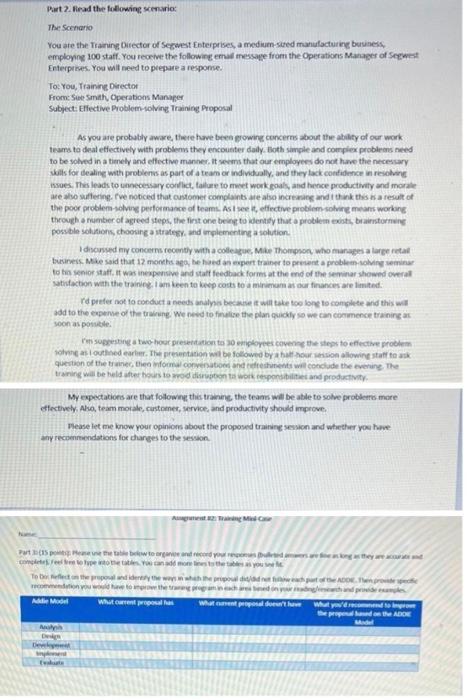
Fill in the table in correlation to the ADDIE model provided 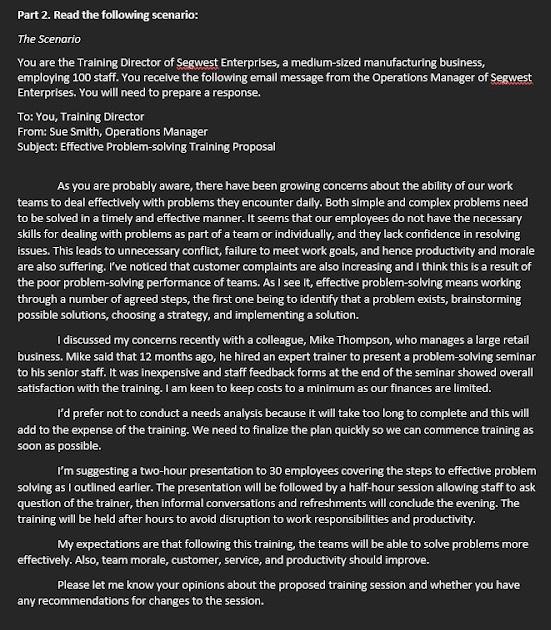
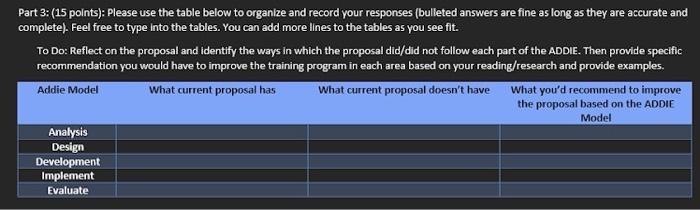
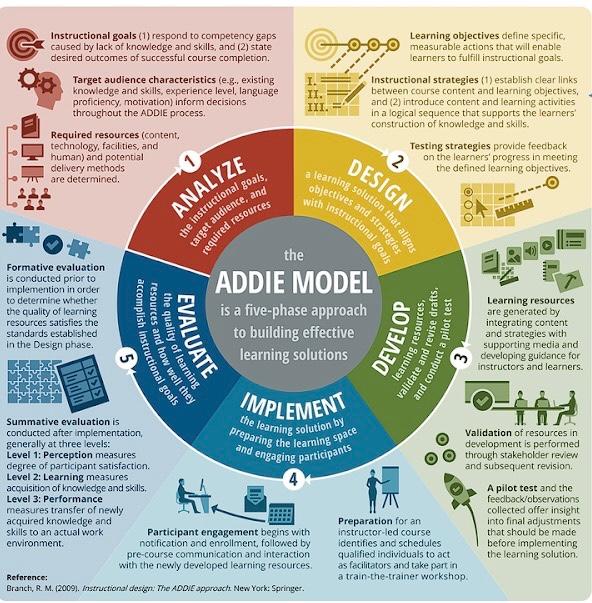
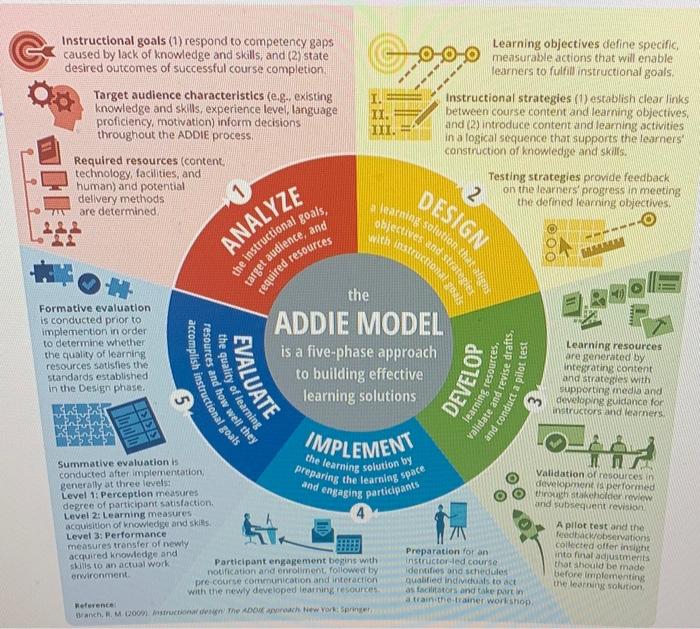
Part 2. Read the following scenario The Scenario You are the Training Director of Sepwest Enterprises, a medium sure manufacturing business employing 100 staff. You receive the following email message from the Operations Manager of Segwest Enterprises. You will need to prepare a response. To: You, Training Director From See Smith Operations Manager Subject: Effective Problem solving Training Proposal As you are probably aware, there have been growing concerns about the ability of our work teams to deal efectively with problems they encounter daily. Both sample and complex problems need to be solved in a timely and effective manner. It seems that our employees do not have the necessary skills for dealing with problems as part of a team or individually, and they lack confidence in resolving issues. This leads to necessary conflict, allure to meet work goals, and hence productivity and more we also suffering. Ive noticed that customer complaints are also increasing and I think this is a result of the poor problem-solving performance of teams. Asset effective problem solving means working through a number of agreed steps, the first one being to identify that a problemets, brainstorming possible solutions, choosing a strategy and plementing a solution Idescussed my concerns recently with a colleague, Mike Thompson, who manage are business. Mike said that 12 months ago, he had an expert trainer to present a problemi to senior staff. It was inespersive and staff feedback forms at the end of the seminar showed overal Satisfaction with the training om een to keep costs to a minimumas sur finances are limited rd prefer not to conduct a needs analyses became will take too long to complete and this wil add to the expense of the training. We need to finalize the plan quickly so we can commencerning soon as post sopgesting a two-hour presentation to sployees covering the steps to effective problem song as there. The presentation will be followed by all moon allowing staff to ask question of the true the forma convention and rements will conclude the evening. The training will be held te hours to od drugim ta work experibile and productivity My expectations are that following this training the team will be able to solve problemes more effectively. Also, team morale, customer service and productivity should improve Please let me know your opinions about the proposed training session and whether you have any recommendations for changes to the session AM Put ( the world completed two months you To be effect on the role was held at ADO. on whether A Model Whit proposal What Porattur ABONE A Instructional goals (1) respond to competency gaps caused by lack of knowledge and skills, and (2) state desired outcomes of successful course completion I. II. III. Target audience characteristics (e.g., existing knowledge and skills, experience level language proficiency, motivation) inform decisions throughout the ADDIE process Required resources (content technology, facilities, and human) and potential delivery methods are determined Learning objectives define specific measurable actions that will enable learners to fulfill instructional goals Instructional strategies (1) establish clear links between course content and learning objectives and (2) introduce content and learning activities in a logical sequence that supports the learners construction of knowledge and skills Testing strategies provide feedback on the learners' progress in meeting the defined learning objectives DESIGN 2 leaning solution that algas Objectives and with instructional goals -- --- ANALYZE the instructional goals, target audience, and required resources Formative evaluation is conducted prior to implemention in order to determine whether the quality of learning resources satisfies the standards established in the Design phase the accomplish instructional goals EVALUATE the ADDIE MODEL is a five-phase approach to building effective learning solutions DEVELOP ning resources, validate and revise drafts, and conduct a pilot test Learning resources are generated by Integrating content and strategies with supporting media and developing guidance for instructors and learners learning sala f learning well they IMPLEMENT the learning solution by preparing the learning space and engaging participants Validation of resources in development is performed through stakeholder review and subsequent revision Summative evaluation is conducted after implementation generally at three levels Level 1: Perception measures degree of participant satisfaction, Level 2: Learning measures acquisition of Knowledge and skills Level 3: Performance measures transfer of newly acquired knowledge and skills to an actual work Participant engagement begins with erwironment notification and enrollment followed by pre course communication and interaction with the newly developed learning resources Reference Wach, M. 200m istruction de The Approach New York: Springer Preparation for an instructor-led course Identities and schedules Qualified individuals to act as facilitators and take part in a train the trainer workshop A pilot test and the vedback/observations collected offer insight to final adjustments that should be made before implementing the learning solution Part 2. Read the following scenario: The Scenario You are the Training Director of Segwest Enterprises, a medium-sized manufacturing business, employing 100 staff. You receive the following email message from the Operations Manager of Segwest Enterprises. You will need to prepare a response. To: You, Training Director From: Sue Smith, Operations Manager Subject: Effective Problem-solving Training Proposal As you are probably aware, there have been growing concerns about the ability of our work teams to deal effectively with problems they encounter dally. Both simple and complex problems need to be solved in a timely and effective manner. It seems that our employees do not have the necessary skills for dealing with problems as part of a team or individually, and they lack confidence in resolving issues. This leads to unnecessary conflict, failure to meet work goals, and hence productivity and morale are also suffering. I've noticed that customer complaints are also increasing and I think this is a result of the poor problem-solving performance of teams. As I see it, effective problem-solving means working through a number of agreed steps, the first one being to identify that a problem exists, brainstorming possible solutions, choosing a strategy, and implementing a solution. I discussed my concerns recently with a colleague, Mike Thompson, who manages a large retail business. Mike said that 12 months ago, he hired an expert trainer to present a problem-solving seminar to his senior staff. It was inexpensive and staff feedback forms at the end of the seminar showed overall satisfaction with the training. I am keen to keep costs to a minimum as our finances are limited. I'd prefer not to conduct a needs analysis because it will take too long to complete and this will add to the expense of the training. We need to finalize the plan quickly so we can commence training as soon as possible. I'm suggesting a two-hour presentation to 30 employees covering the steps to effective problem solving as I outlined earlier. The presentation will be followed by a half-hour session allowing staff to ask question of the trainer, then informal conversations and refreshments will conclude the evening. The training will be held after hours to avoid disruption to work responsibilities and productivity. My expectations are that following this training, the teams will be able to solve problems more effectively. Also, team morale, customer, service, and productivity should improve. Please let me know your opinions about the proposed training session and whether you have any recommendations for changes to the session. Part 3: (15 points): Please use the table below to organize and record your responses (bulleted answers are fine as long as they are accurate and complete). Feel free to type into the tables. You can add more lines to the tables as you see fit. To Do: Reflect on the proposal and identify the ways in which the proposal did/did not follow each part of the ADDIE. Then provide specific recommendation you would have to improve the training program in each area based on your reading/research and provide examples. Addie Model What current proposal has What current proposal doesn't have What you'd recommend to improve the proposal based on the ADDIE Model Analysis Design Development Implement Evaluate Instructional goals (1) respond to competency gaps caused by lack of knowledge and skills, and (2) state desired outcomes of successful course completion. 6:00 Target audience characteristics (e.g., existing knowledge and skills, experience level, language proficiency, motivation) inform decisions throughout the ADDIE process. Required resources (content technology, facilities, and human) and potential delivery methods are determined. Learning objectives define specific, measurable actions that will enable learners to fulfill instructional goals. Instructional strategies (1) establish clear links between course content and learning objectives. and (2) introduce content and learning activities in a logical sequence that supports the learners construction of knowledge and skills. Testing strategies provide feedback on the learners' progress in meeting the defined learning objectives, DESIGN a learning solution that aligns objectives and strategies with instructional goals ANALYZE the instructional goals, target audience, and required resources Formative evaluation is conducted prior to implemention in order to determine whether the quality of learning resources satisfies the standards established in the Design phase. accomplish Instructional goals resources and how the quality of sell they EVALUATE the ADDIE MODEL is a five-phase approach to building effective learning solutions DEVELOP learning resources, validate and revise drafts. and conduct a pilot test Learning resources are generated by integrating content and strategies with supporting media and developing guidance for instructors and learners. SET arning Summative evaluation is the learning solution by conducted after implementation, Validation of resources in preparing the leaming space generally at three levels: and engaging participants development is performed Level 1: Perception measures through stakeholder review degree of participant satisfaction. and subsequent revision Level 2: Learning measures acquisition of knowledge and skills. A pilot test and the Level 3: Performance feedback/observations measures transfer of newly collected offer insight acquired knowledge and Preparation for an into final adjustments skills to an actual work Participant engagement begins with Instructor-led course that should be made environment. notification and enrollment, followed by identifies and schedules before implementing pre-course communication and interaction qualified individuals to act the learning solution. with the newly developed learning resources as facilitators and take part in Reference: a train-the-trainer workshop Branch, R. M. (2009). Instructional design. The ADDIE approach New York: Springer. Part 2. Read the following scenario The Scenario You are the Training Director of Sepwest Enterprises, a medium sure manufacturing business employing 100 staff. You receive the following email message from the Operations Manager of Segwest Enterprises. You will need to prepare a response. To: You, Training Director From See Smith Operations Manager Subject: Effective Problem solving Training Proposal As you are probably aware, there have been growing concerns about the ability of our work teams to deal efectively with problems they encounter daily. Both sample and complex problems need to be solved in a timely and effective manner. It seems that our employees do not have the necessary skills for dealing with problems as part of a team or individually, and they lack confidence in resolving issues. This leads to necessary conflict, allure to meet work goals, and hence productivity and more we also suffering. Ive noticed that customer complaints are also increasing and I think this is a result of the poor problem-solving performance of teams. Asset effective problem solving means working through a number of agreed steps, the first one being to identify that a problemets, brainstorming possible solutions, choosing a strategy and plementing a solution Idescussed my concerns recently with a colleague, Mike Thompson, who manage are business. Mike said that 12 months ago, he had an expert trainer to present a problemi to senior staff. It was inespersive and staff feedback forms at the end of the seminar showed overal Satisfaction with the training om een to keep costs to a minimumas sur finances are limited rd prefer not to conduct a needs analyses became will take too long to complete and this wil add to the expense of the training. We need to finalize the plan quickly so we can commencerning soon as post sopgesting a two-hour presentation to sployees covering the steps to effective problem song as there. The presentation will be followed by all moon allowing staff to ask question of the true the forma convention and rements will conclude the evening. The training will be held te hours to od drugim ta work experibile and productivity My expectations are that following this training the team will be able to solve problemes more effectively. Also, team morale, customer service and productivity should improve Please let me know your opinions about the proposed training session and whether you have any recommendations for changes to the session AM Put ( the world completed two months you To be effect on the role was held at ADO. on whether A Model Whit proposal What Porattur ABONE A Instructional goals (1) respond to competency gaps caused by lack of knowledge and skills, and (2) state desired outcomes of successful course completion I. II. III. Target audience characteristics (e.g., existing knowledge and skills, experience level language proficiency, motivation) inform decisions throughout the ADDIE process Required resources (content technology, facilities, and human) and potential delivery methods are determined Learning objectives define specific measurable actions that will enable learners to fulfill instructional goals Instructional strategies (1) establish clear links between course content and learning objectives and (2) introduce content and learning activities in a logical sequence that supports the learners construction of knowledge and skills Testing strategies provide feedback on the learners' progress in meeting the defined learning objectives DESIGN 2 leaning solution that algas Objectives and with instructional goals -- --- ANALYZE the instructional goals, target audience, and required resources Formative evaluation is conducted prior to implemention in order to determine whether the quality of learning resources satisfies the standards established in the Design phase the accomplish instructional goals EVALUATE the ADDIE MODEL is a five-phase approach to building effective learning solutions DEVELOP ning resources, validate and revise drafts, and conduct a pilot test Learning resources are generated by Integrating content and strategies with supporting media and developing guidance for instructors and learners learning sala f learning well they IMPLEMENT the learning solution by preparing the learning space and engaging participants Validation of resources in development is performed through stakeholder review and subsequent revision Summative evaluation is conducted after implementation generally at three levels Level 1: Perception measures degree of participant satisfaction, Level 2: Learning measures acquisition of Knowledge and skills Level 3: Performance measures transfer of newly acquired knowledge and skills to an actual work Participant engagement begins with erwironment notification and enrollment followed by pre course communication and interaction with the newly developed learning resources Reference Wach, M. 200m istruction de The Approach New York: Springer Preparation for an instructor-led course Identities and schedules Qualified individuals to act as facilitators and take part in a train the trainer workshop A pilot test and the vedback/observations collected offer insight to final adjustments that should be made before implementing the learning solution Part 2. Read the following scenario: The Scenario You are the Training Director of Segwest Enterprises, a medium-sized manufacturing business, employing 100 staff. You receive the following email message from the Operations Manager of Segwest Enterprises. You will need to prepare a response. To: You, Training Director From: Sue Smith, Operations Manager Subject: Effective Problem-solving Training Proposal As you are probably aware, there have been growing concerns about the ability of our work teams to deal effectively with problems they encounter dally. Both simple and complex problems need to be solved in a timely and effective manner. It seems that our employees do not have the necessary skills for dealing with problems as part of a team or individually, and they lack confidence in resolving issues. This leads to unnecessary conflict, failure to meet work goals, and hence productivity and morale are also suffering. I've noticed that customer complaints are also increasing and I think this is a result of the poor problem-solving performance of teams. As I see it, effective problem-solving means working through a number of agreed steps, the first one being to identify that a problem exists, brainstorming possible solutions, choosing a strategy, and implementing a solution. I discussed my concerns recently with a colleague, Mike Thompson, who manages a large retail business. Mike said that 12 months ago, he hired an expert trainer to present a problem-solving seminar to his senior staff. It was inexpensive and staff feedback forms at the end of the seminar showed overall satisfaction with the training. I am keen to keep costs to a minimum as our finances are limited. I'd prefer not to conduct a needs analysis because it will take too long to complete and this will add to the expense of the training. We need to finalize the plan quickly so we can commence training as soon as possible. I'm suggesting a two-hour presentation to 30 employees covering the steps to effective problem solving as I outlined earlier. The presentation will be followed by a half-hour session allowing staff to ask question of the trainer, then informal conversations and refreshments will conclude the evening. The training will be held after hours to avoid disruption to work responsibilities and productivity. My expectations are that following this training, the teams will be able to solve problems more effectively. Also, team morale, customer, service, and productivity should improve. Please let me know your opinions about the proposed training session and whether you have any recommendations for changes to the session. Part 3: (15 points): Please use the table below to organize and record your responses (bulleted answers are fine as long as they are accurate and complete). Feel free to type into the tables. You can add more lines to the tables as you see fit. To Do: Reflect on the proposal and identify the ways in which the proposal did/did not follow each part of the ADDIE. Then provide specific recommendation you would have to improve the training program in each area based on your reading/research and provide examples. Addie Model What current proposal has What current proposal doesn't have What you'd recommend to improve the proposal based on the ADDIE Model Analysis Design Development Implement Evaluate Instructional goals (1) respond to competency gaps caused by lack of knowledge and skills, and (2) state desired outcomes of successful course completion. 6:00 Target audience characteristics (e.g., existing knowledge and skills, experience level, language proficiency, motivation) inform decisions throughout the ADDIE process. Required resources (content technology, facilities, and human) and potential delivery methods are determined. Learning objectives define specific, measurable actions that will enable learners to fulfill instructional goals. Instructional strategies (1) establish clear links between course content and learning objectives. and (2) introduce content and learning activities in a logical sequence that supports the learners construction of knowledge and skills. Testing strategies provide feedback on the learners' progress in meeting the defined learning objectives, DESIGN a learning solution that aligns objectives and strategies with instructional goals ANALYZE the instructional goals, target audience, and required resources Formative evaluation is conducted prior to implemention in order to determine whether the quality of learning resources satisfies the standards established in the Design phase. accomplish Instructional goals resources and how the quality of sell they EVALUATE the ADDIE MODEL is a five-phase approach to building effective learning solutions DEVELOP learning resources, validate and revise drafts. and conduct a pilot test Learning resources are generated by integrating content and strategies with supporting media and developing guidance for instructors and learners. SET arning Summative evaluation is the learning solution by conducted after implementation, Validation of resources in preparing the leaming space generally at three levels: and engaging participants development is performed Level 1: Perception measures through stakeholder review degree of participant satisfaction. and subsequent revision Level 2: Learning measures acquisition of knowledge and skills. A pilot test and the Level 3: Performance feedback/observations measures transfer of newly collected offer insight acquired knowledge and Preparation for an into final adjustments skills to an actual work Participant engagement begins with Instructor-led course that should be made environment. notification and enrollment, followed by identifies and schedules before implementing pre-course communication and interaction qualified individuals to act the learning solution. with the newly developed learning resources as facilitators and take part in Reference: a train-the-trainer workshop Branch, R. M. (2009). Instructional design. The ADDIE approach New York: Springer
Step by Step Solution
There are 3 Steps involved in it
1 Expert Approved Answer
Step: 1 Unlock

Question Has Been Solved by an Expert!
Get step-by-step solutions from verified subject matter experts
Step: 2 Unlock
Step: 3 Unlock
 Study Help